

• Tel: 0086-755-27322952
  • Fax: 0086-755-27322197

SIP Emergency Telephones (One-Key Speed-Dial) — A Practical Solution for Metro Safety

In metro and urban rail systems, rapid, reliable communication between platform users, station staff and the central control room is vital to safe operations. Emergencies in stations — medical incidents, security threats, trespassers on tracks, or equipment failures — require an immediate human response backed by a communications system that is simple, robust and interoperable. The SIP emergency telephone with a single-key speed-dial function is an elegant, highly effective solution designed specifically for these environments.

What is a SIP One-Key Emergency Telephone?

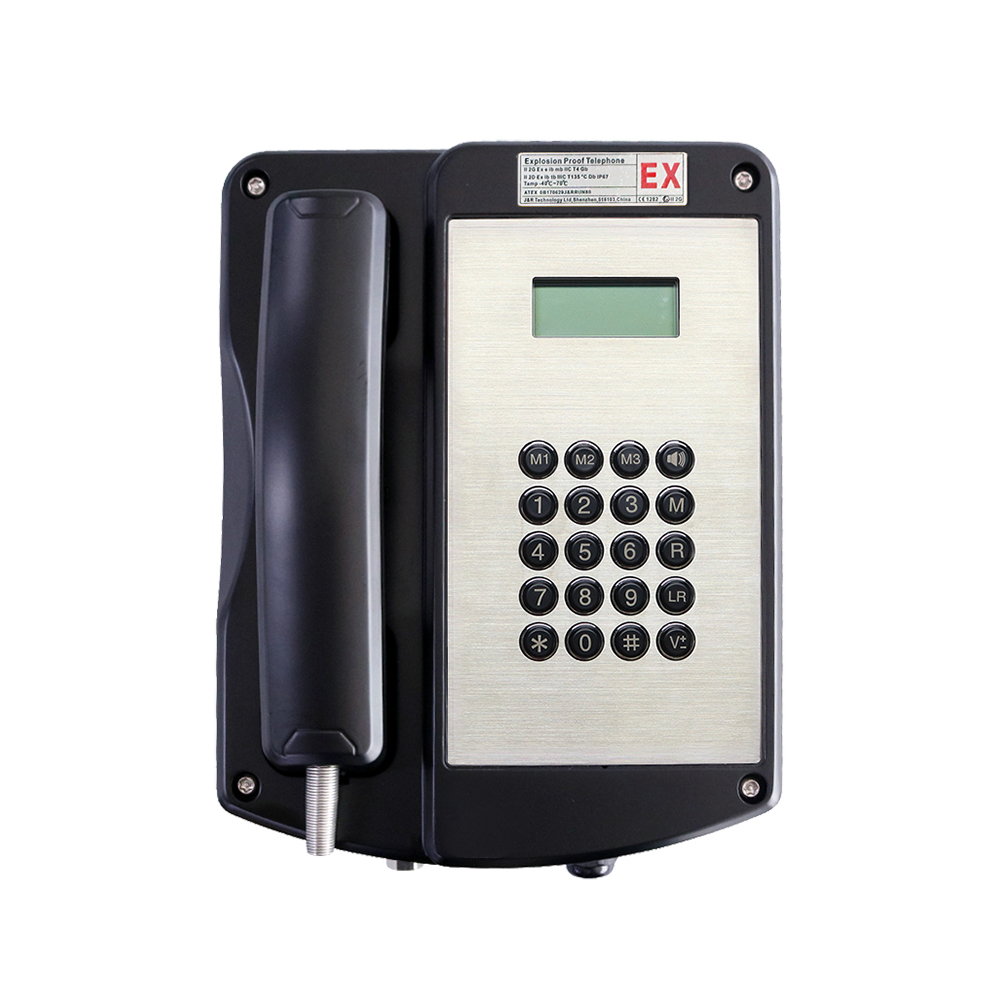
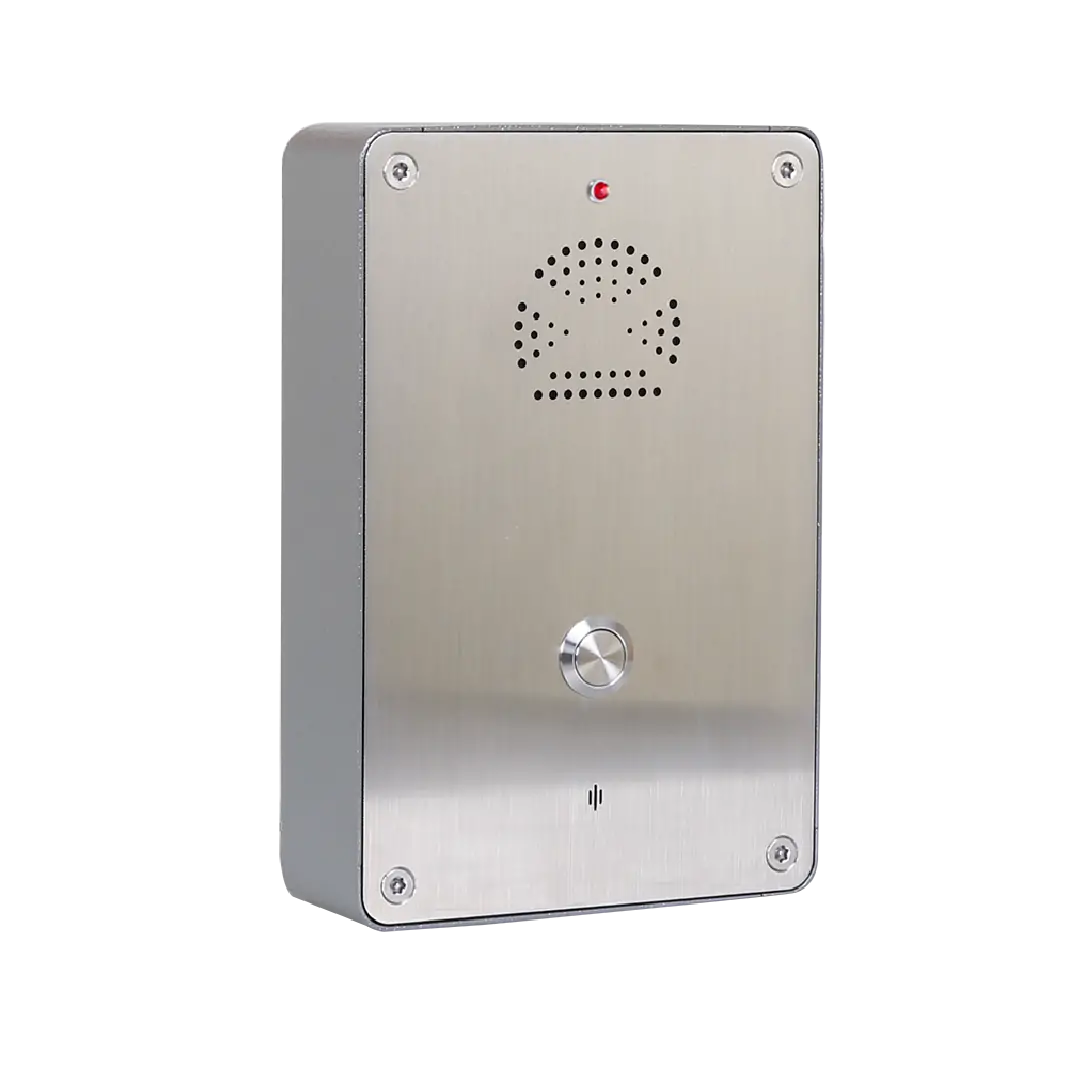
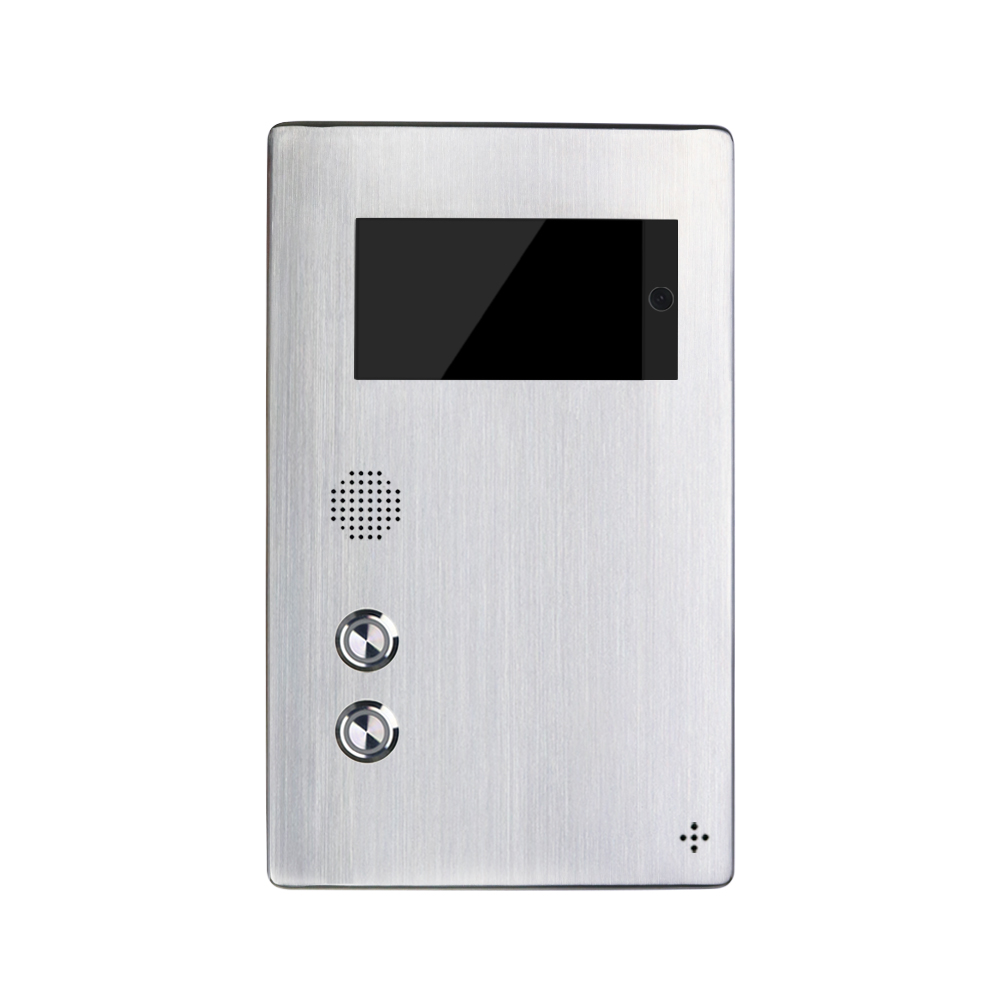
A SIP (Session Initiation Protocol) emergency telephone is an IP-based handset or call point that uses standard VoIP signaling to connect a caller directly to a designated SIP endpoint — usually the station control room, central dispatcher, or an emergency services gateway. The one-key speed-dial function allows any user (passengers, cleaning staff, or platform attendants) to place an emergency call by pressing a single, clearly marked button. No dialing, no menus — one press initiates the call and establishes two-way voice communication immediately.

Why SIP + One-Key is Ideal for Metro Projects

Simplicity for the User
In high-stress situations, simplicity matters. One large, tactile button labeled with an emergency icon removes confusion. No training is required for passengers; a single press connects them to help instantly.

Seamless Integration with Modern IP Systems
SIP telephones integrate natively with SIP servers, IP PBXs, and unified communications platforms. This lets metro operators route calls, apply priorities, record calls, and display caller location information in the control room — all within their existing IP infrastructure.

Precise Location Identification
Each out station is registered on the SIP server with a unique extension and descriptive name (e.g., “Platform 2 – North End, Station X”). When a one-key call is made, the control room sees exactly where the call comes from, enabling faster and more accurate responses.

High Availability and Resiliency
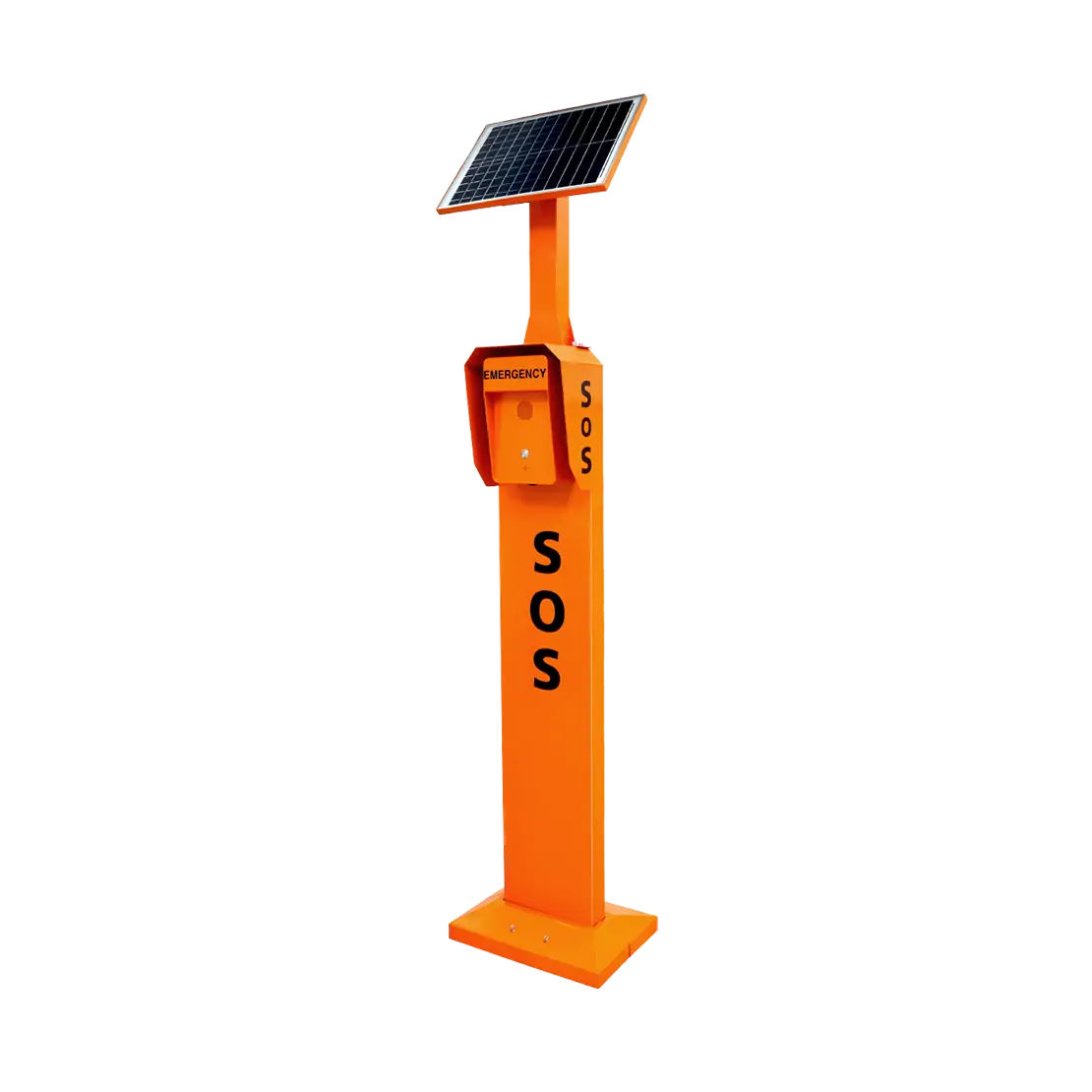
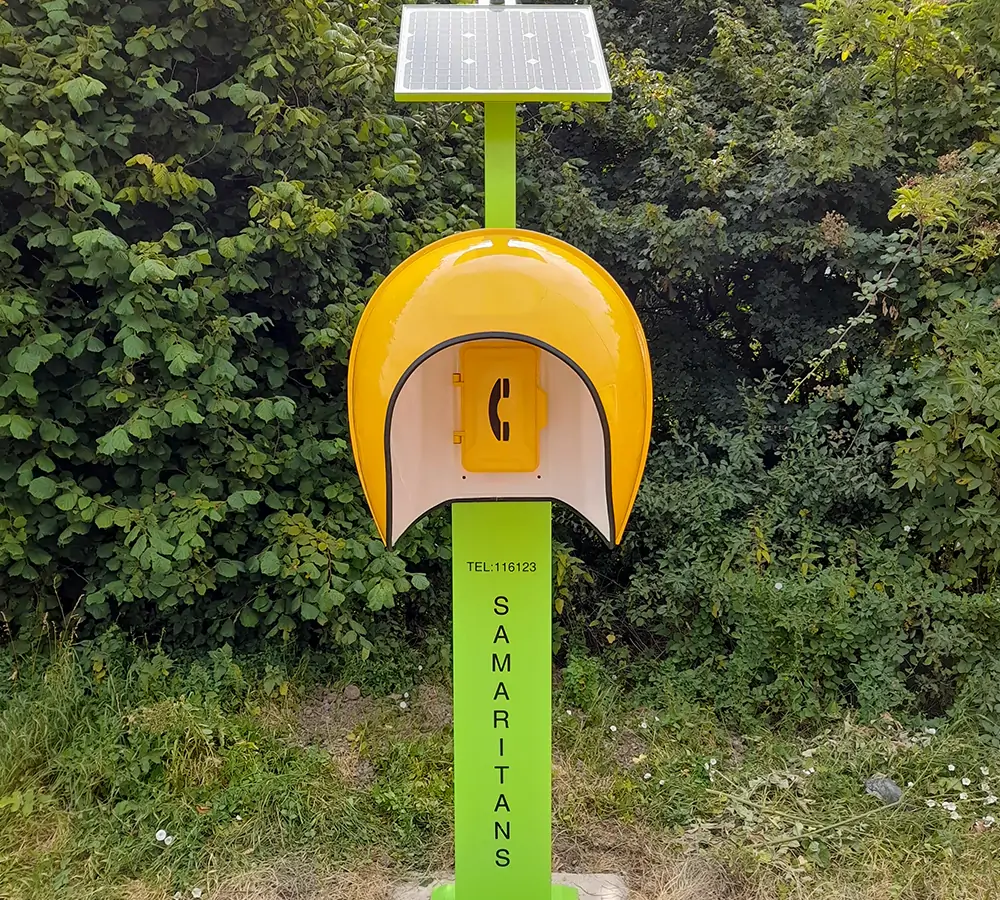
SIP endpoints can be configured with redundant SIP server registrations, failover routing, and local fallback modes. Combined with PoE (Power over Ethernet) or battery/solar backup for remote call points, the system ensures continuous availability.

Durability for Harsh Transit Environments
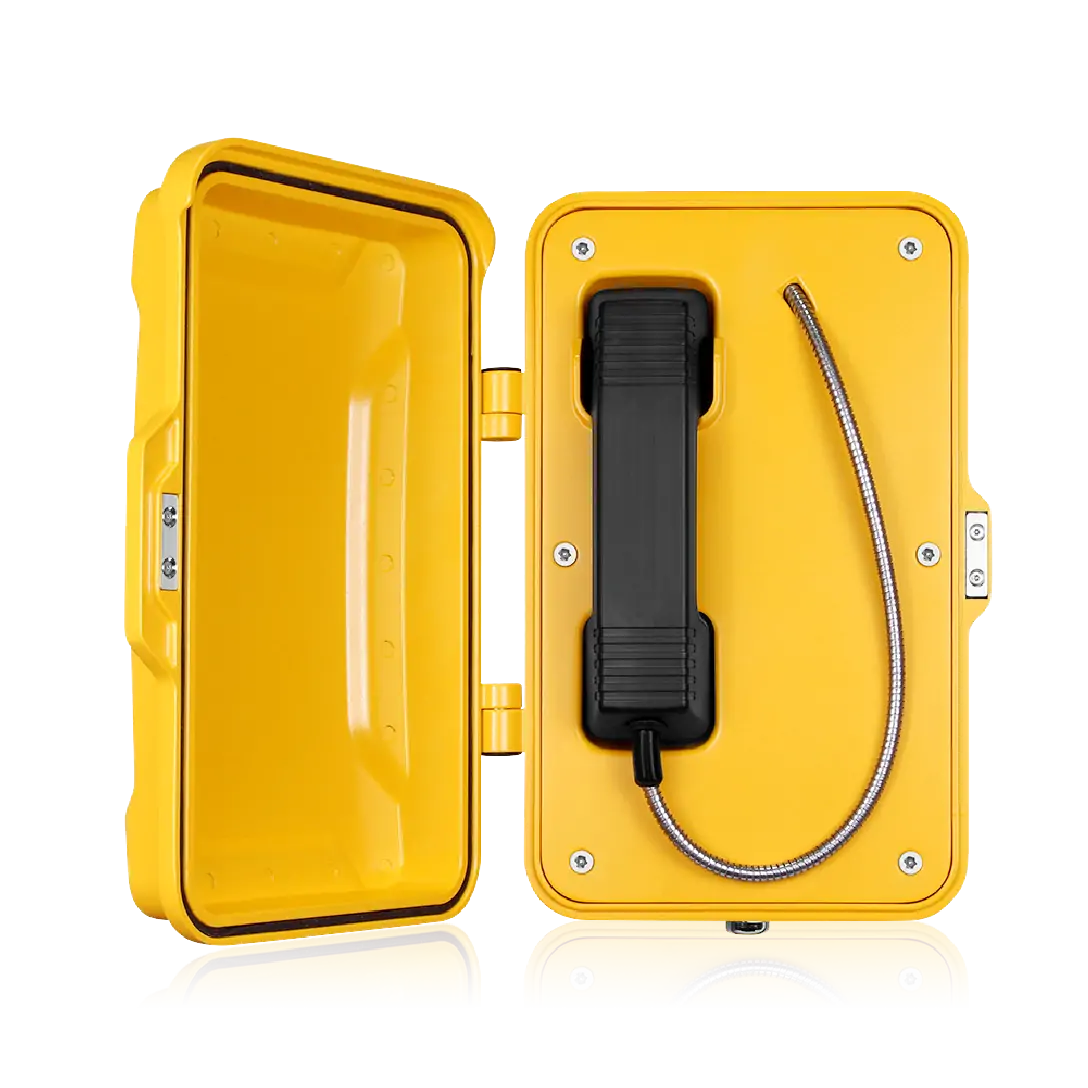
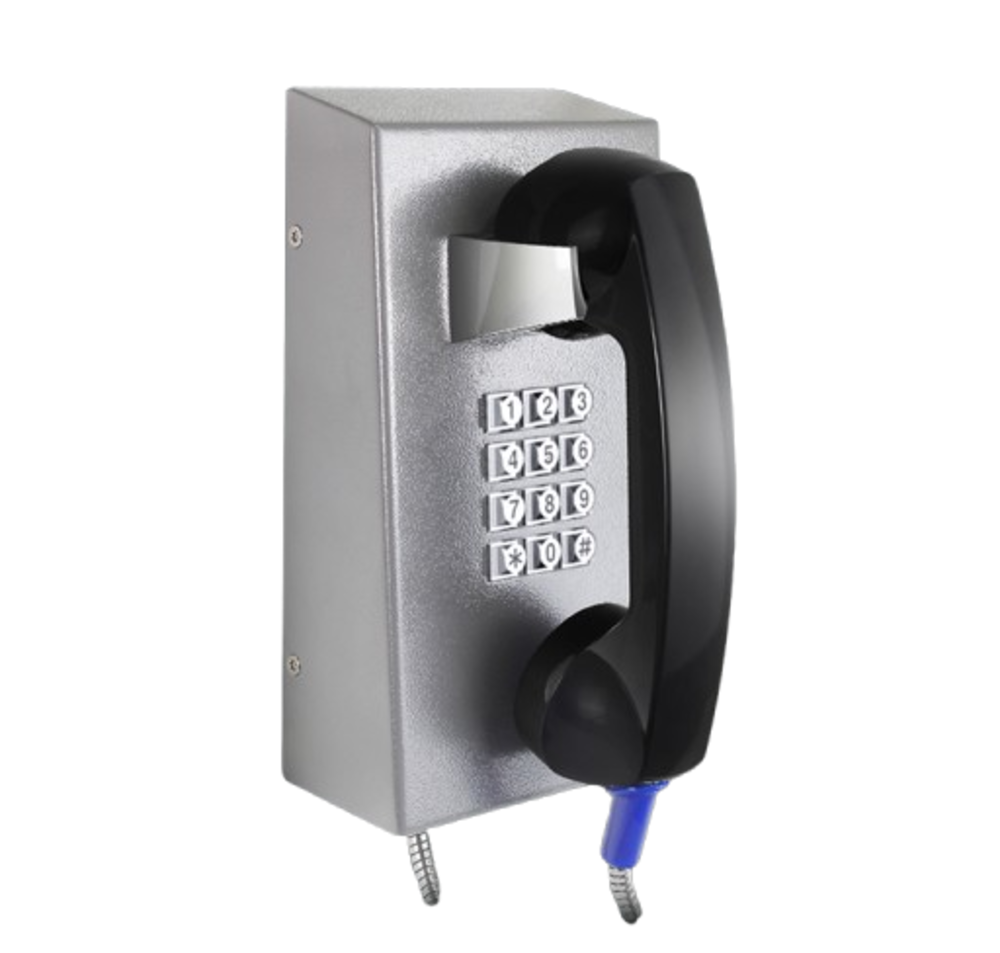
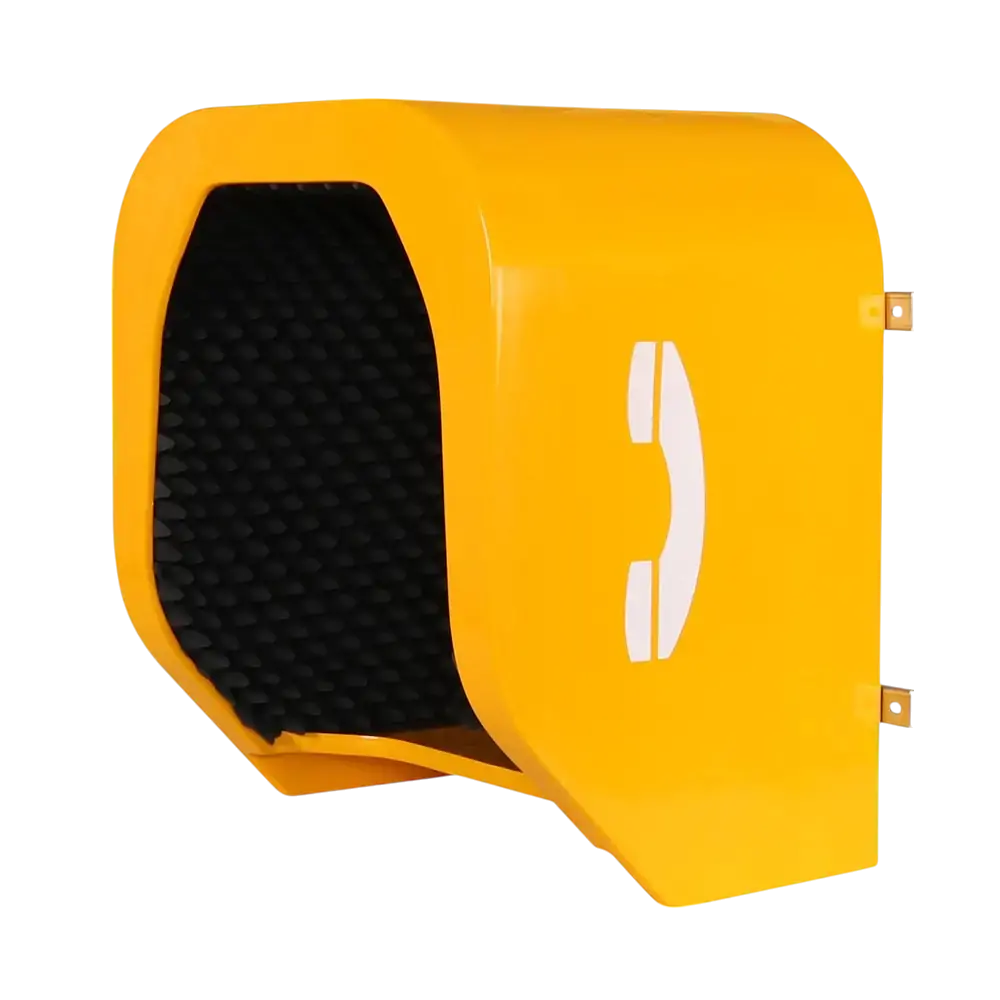
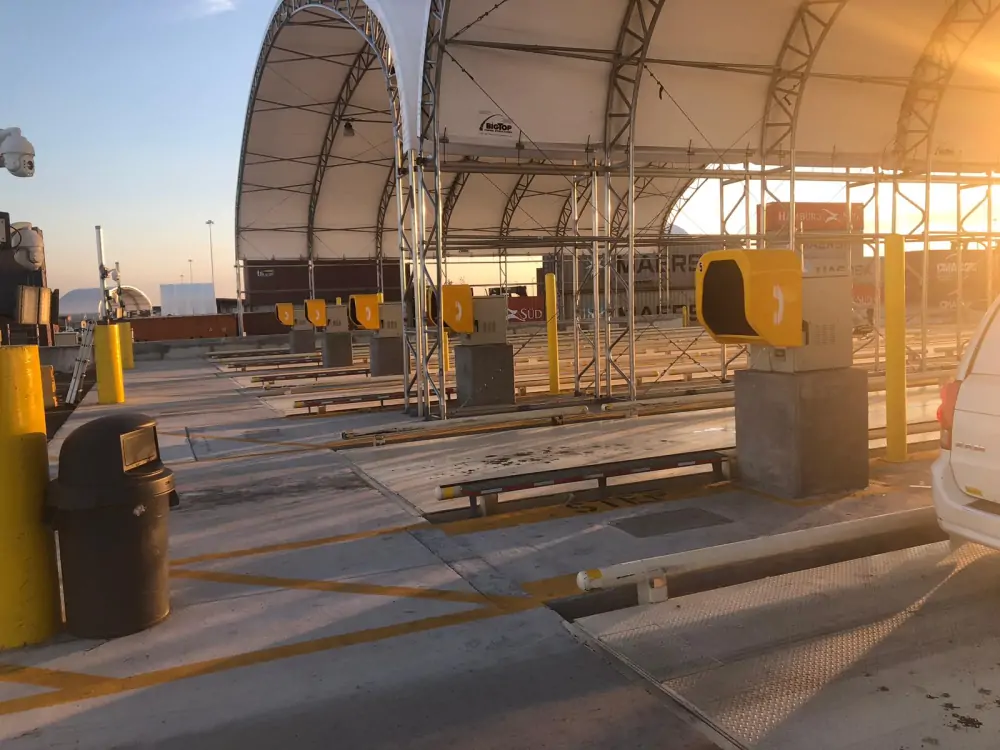
Metro platforms demand vandal-resistant, weather-resistant equipment. SIP emergency phones are available with rugged housings, tamper-proof screws, stainless steel or reinforced polymer enclosures, and IP66/IP67 ratings for outdoor or semi-protected platforms.

Operational Efficiency

One-key phones minimize false call complexity for operators. Calls can be automatically prioritized,displayed with location and time stamps, recorded for audit, and linked to incident                         management workflows (dispatching, CCTV pan/tilt presets, passenger PA announcements).

Flexible Call Handling & Integration
SIP phones can trigger auxiliary actions upon call initiation: wake CCTV camera presets, display location on operator maps, start platform announcement scripts, or enable two-way call recording. Integration with SCADA, PSIM, and passenger information systems is straightforward via standard IP interfaces.

Key Technical Features to Specify

When designing or specifying SIP one-key emergency telephones for metro deployment, consider the following:

  • SIP Compliance & Codecs:Support for SIP RFC standards, and common codecs (G.711, G.722 for wideband audio) to ensure clear speech quality.
  • PoE & Power Backup:IEEE 802.3af/at PoE support for simplified wiring, with battery backup units for power loss scenarios.
  • Ingress & Vandal Protection:IP66/IP67 enclosure ratings, IK10 impact protection where needed, stainless steel or GRP housings.
  • One-Touch Call Logic:Configurable one-button mapping to single or multiple SIP destinations, with auto-reconnect and busy/priority override rules.
  • Call Prioritization & QoS:VLAN tagging, DiffServ, and packet prioritization to ensure voice quality on congested networks.
  • Location / ID Display:Automatic display of station and location in the control room GUI on call arrival.
  • Remote Management:Firmware upgrade over the air (TFTP/HTTP/HTTPS), remote diagnostics, and SNMP or APIs for status monitoring.
  • Audio Clarity:Noise cancellation and wideband audio for intelligibility in noisy platforms.
  • Safety & Compliance:Support for recording (where lawful), tamper alarms, and interoperability with emergency services gateways.

Typical Deployment Architecture

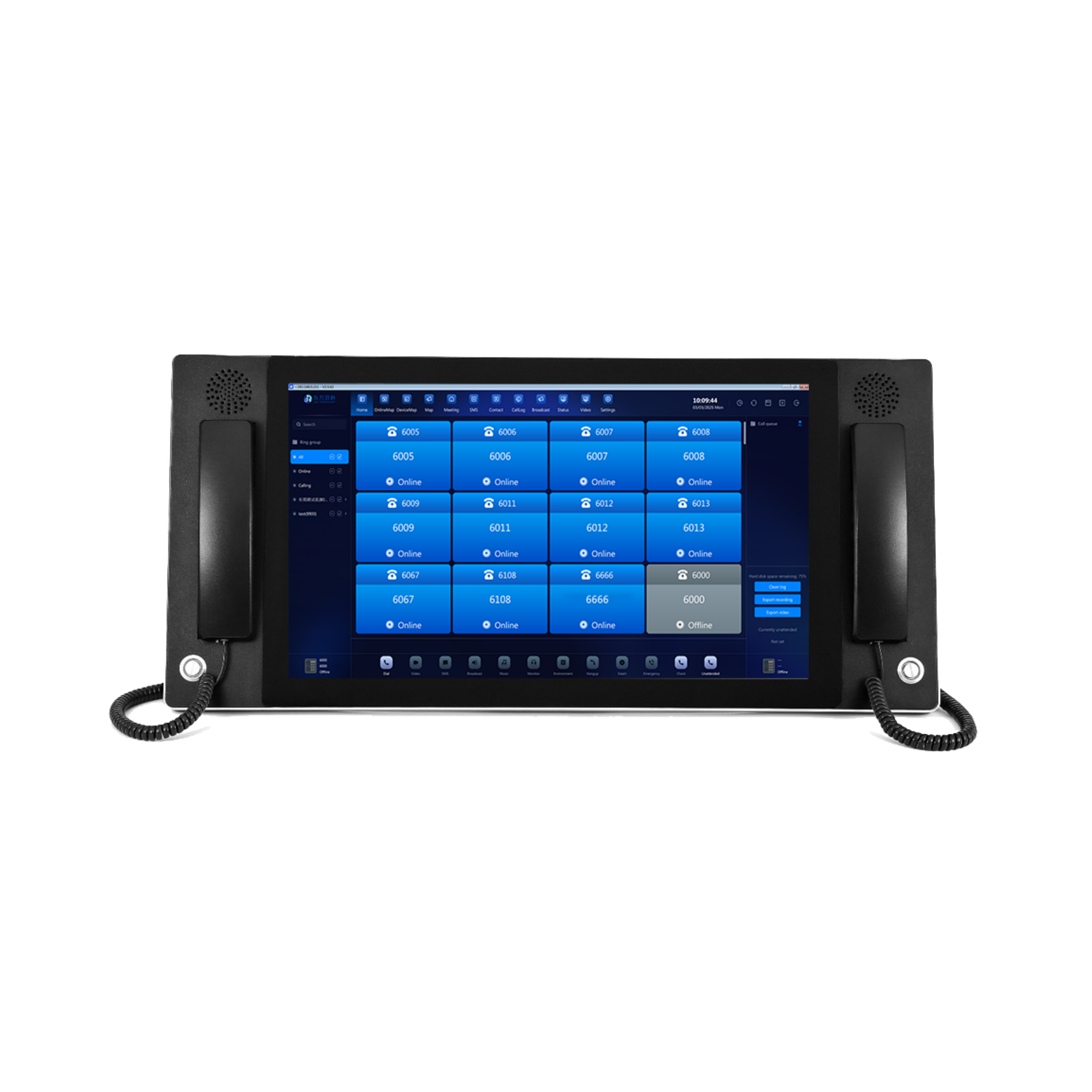
A typical metro deployment includes multiple SIP emergency pillars or wall-mounted phones on each platform and concourse area. These are connected via the station LAN to edge switches and uplink to a SIP server (on-prem or virtualized). The control room uses a dispatcher console with a large map/screen to show call locations, call queues and status. Optional integrations include CCTV control, PA/GA, and incident management systems.

Redundancy is implemented at multiple layers: redundant switches, dual network uplinks, backup SIP servers, and failover routing to a secondary control room. Where fiber is unavailable, managed wireless links or cellular (4G/5G) gateways provide connectivity with QoS guarantees.

Case Study: Spanish Metro Project (Installation Snapshot)

Project Overview:
As part of a station modernization program in Spain, a major metropolitan operator selected SIP one-key emergency telephones to upgrade platform communications across several central stations. The goal was to replace old analog call points with a single, unified IP platform that would support both routine and emergency communications, streamline operator workflows, and improve passenger safety.

What We Supplied:

  • Rugged SIP emergency telephones with one-key speed dial and backlit call button for visibility.
  • IP66-rated enclosures and IK10 faceplates for high vandal resistance.
  • PoE connectivity with local battery backup modules in selected remote platforms.
  • Integration with the operator’s SIP server and dispatcher console (map-based GUI).
  • CCTV trigger integration: when an emergency call is received, the operator console automatically repositions nearby cameras to focus on the call location.

Key Outcomes:

  • Faster Response Times:Operators received immediate location information with each call, reducing response time by an estimated 30%.
  • Improved Clarity:Wideband audio and noise cancellation dramatically improved speech intelligibility, even on busy platforms.
  • Operational Simplicity:Station staff and passengers could place emergency calls without training—just press the single button.
  • Robust Performance:Units operated reliably under heavy usage and harsh environmental exposure, with no significant maintenance incidents after the first year of operation.

This Spanish metro installation demonstrated how SIP one-key telephony can be deployed rapidly and scaled across a transit network, providing tangible safety benefits and integrating seamlessly into modern control room operations.

Installation & Maintenance Best Practices

  • Clear Labeling & Placement:Mount phones at eye level near high-traffic areas, platform ends, and entry points. Use clear pictograms and multilingual instructions where needed.
  • Network Planning:Provide separate voice VLANs, QoS policies, and bandwidth reservations for emergency communications to prevent packet loss during network congestion.
  • Power Planning:Where mains power is unstable, add local UPS or battery packs and consider solar/battery hybrids for remote call points.
  • Periodic Health Checks:Use remote monitoring for firmware versions, registration status, audio levels, and tamper alerts to identify issues proactively.

Conclusion — One Button, Countless Benefits

For metro operators, the SIP one-key emergency telephone is more than a device — it is a strategic component of station safety and operational resilience. By combining simplicity for the user, powerful IP integration, and rugged, purpose-built hardware, this solution addresses both the human and technical needs of rapid incident response.

If your transit system is modernizing communications, consolidating legacy systems, or expanding safety coverage across stations and tunnels, SIP one-key emergency telephones are a proven, scalable option. Our recent project in Spain shows they deliver clear operational improvements and long-term reliability.

If you’d like a technical spec sheet, integration checklist, or a site-specific proposal for your metro or rail project, message us — we’re ready to help you plan, deploy, and maintain a world-class emergency communication system.

Leave a Reply

Your email address will not be published. Required fields are marked *