In modern industrial environments, effective communication is no longer a convenience—it is a core operational requirement. From manufacturing plants and warehouses to energy facilities and transportation hubs, teams operate across large areas filled with heavy machinery, background noise, and safety risks. An industrial intercom system addresses these challenges by delivering instant, reliable, two-way voice communication designed specifically for harsh and demanding conditions.
Unlike consumer-grade communication tools, industrial intercom systems are engineered to ensure clarity, durability, and availability at all times. They help facilities move from fragmented, reactive communication to a structured, proactive model that improves productivity, safety, and coordination across departments.
Why Industrial Intercom Systems Matter
Traditional communication methods such as mobile phones or handheld radios often fall short in industrial settings. Phones may be impractical in high-noise zones, while radios can suffer from interference, limited privacy, and inconsistent coverage. An industrial intercom system provides fixed, always-available communication points that enable staff to connect instantly without searching for devices or dialing numbers.
More importantly, industrial intercoms play a critical role in safety and emergency response. In the event of a fire, equipment failure, or security incident, supervisors can broadcast clear instructions immediately, ensuring that the right message reaches the right people at the right time. This capability significantly reduces response time and potential risk to personnel and assets.
System Components
A robust industrial intercom system is built from several key components, each designed to perform reliably in harsh environments.
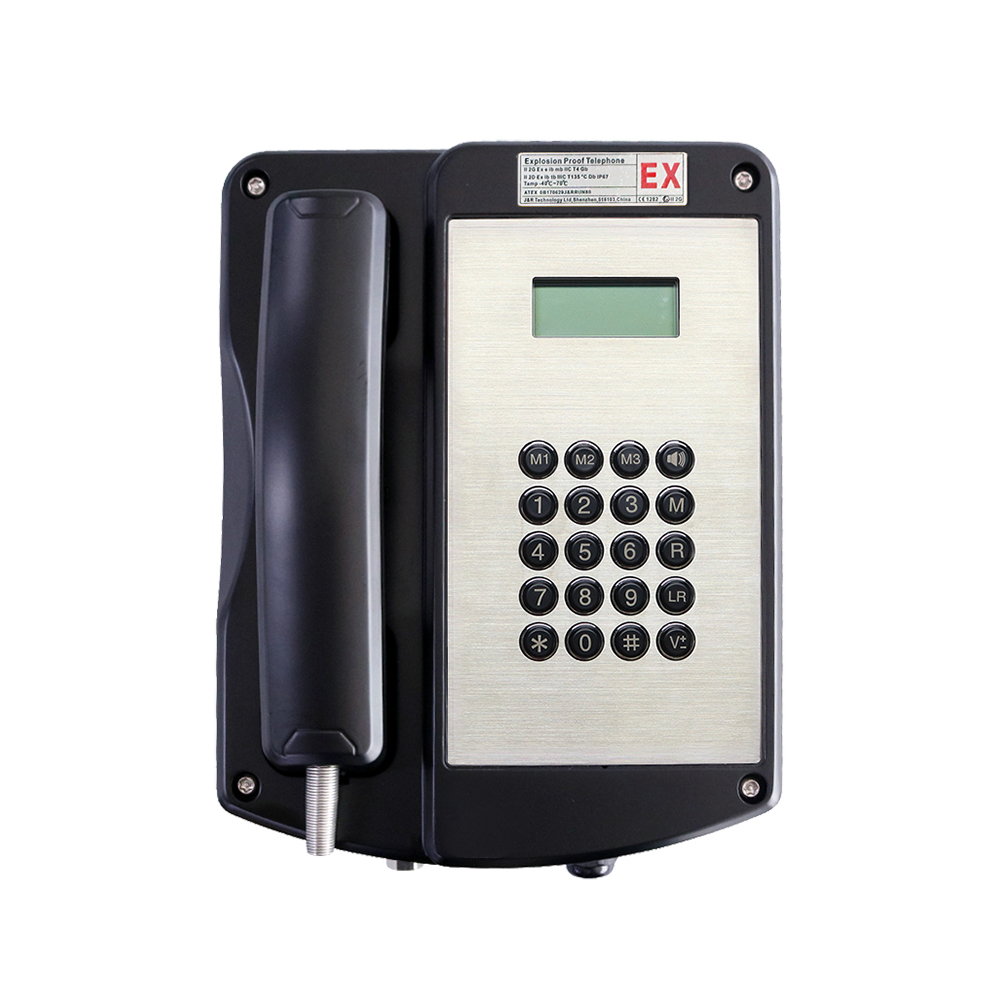
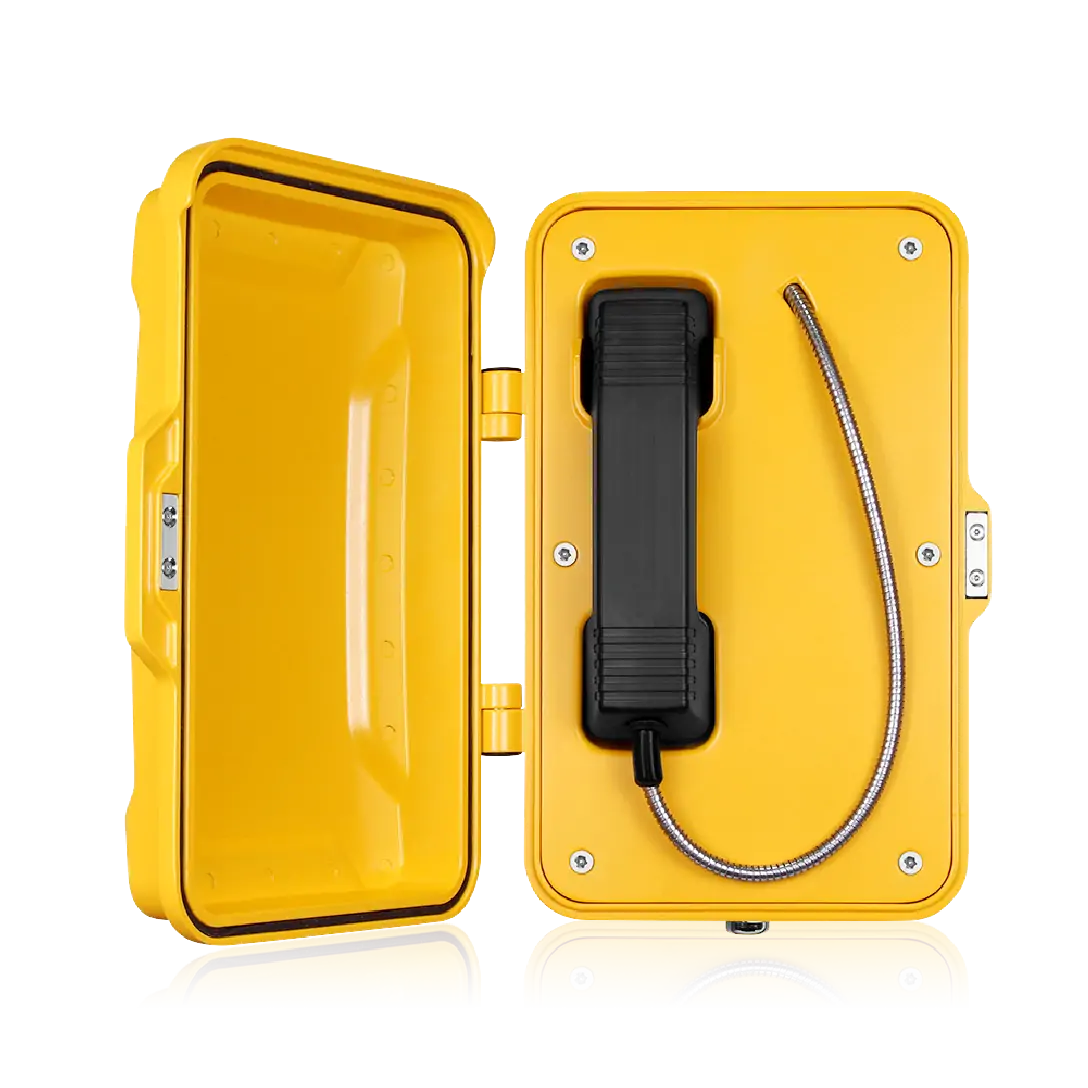
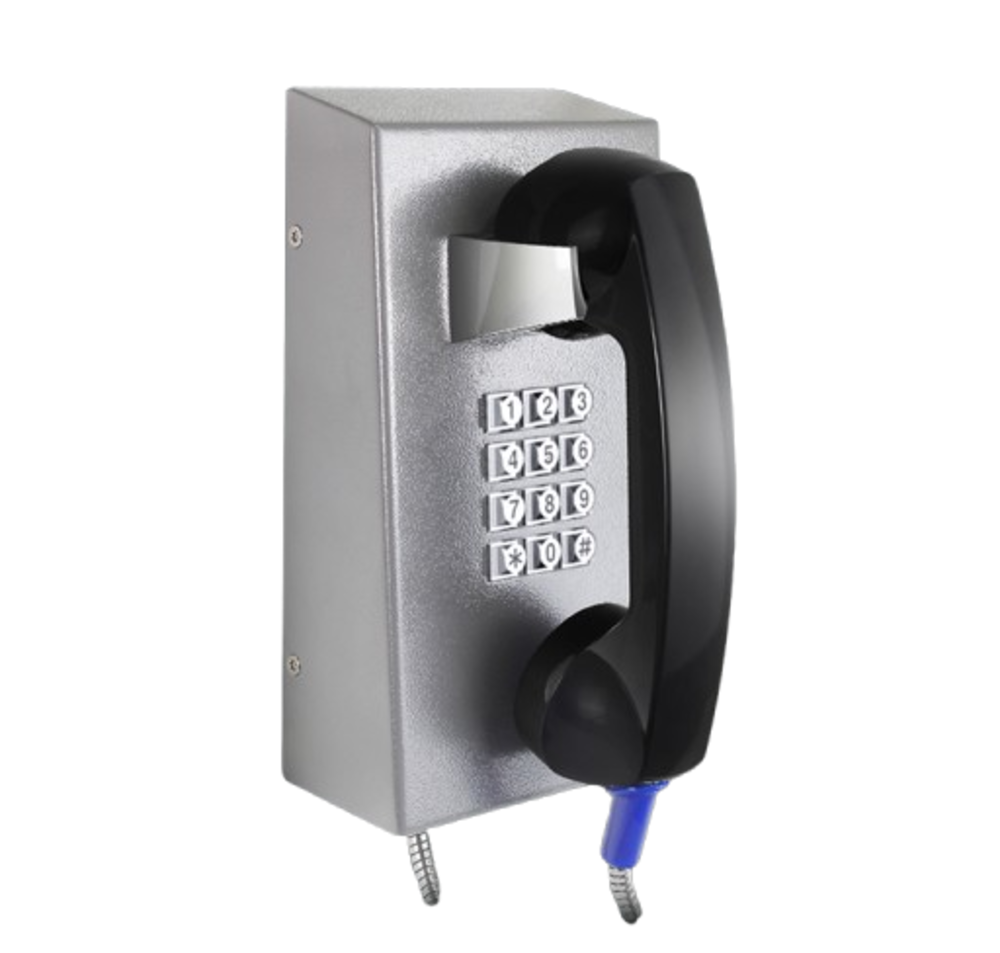
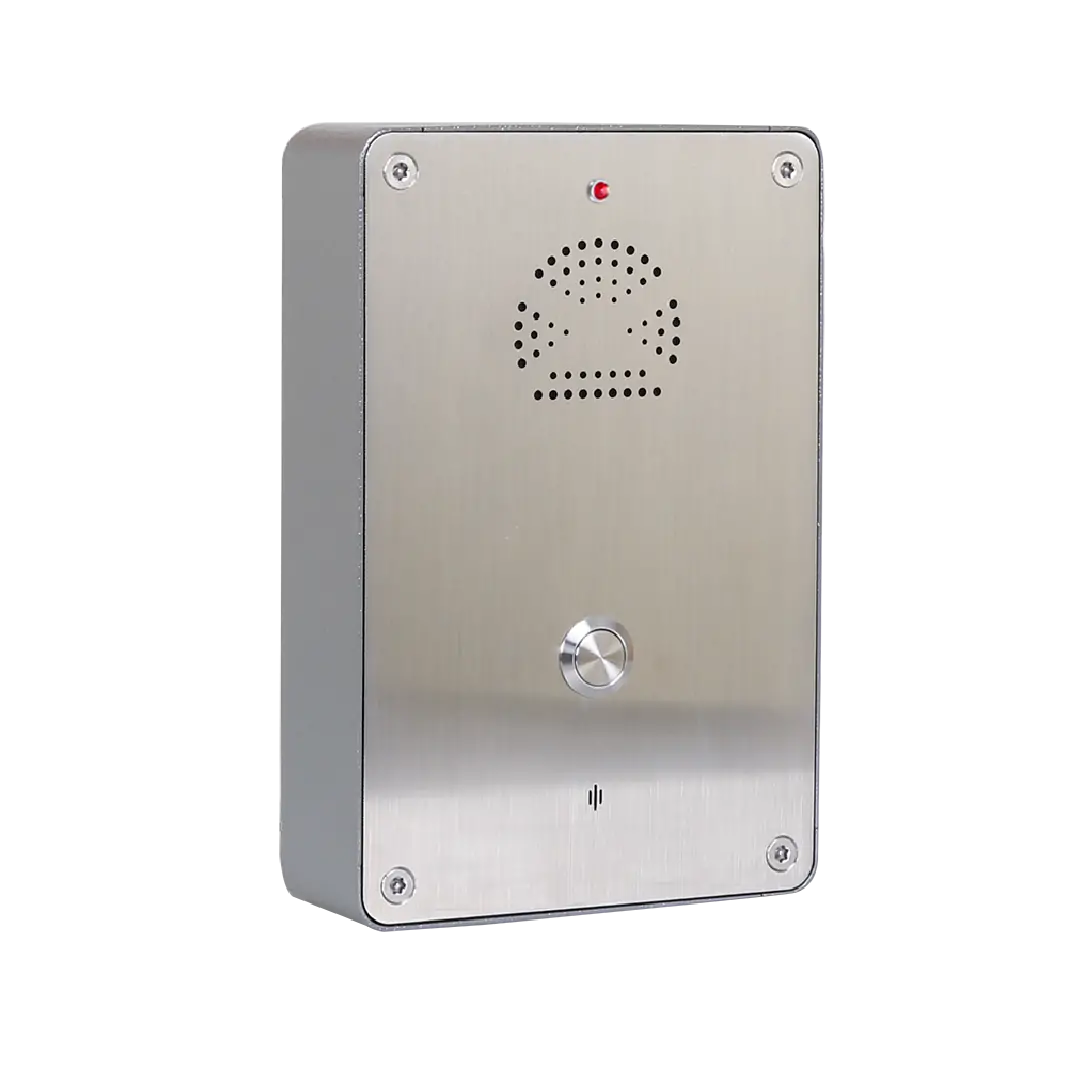
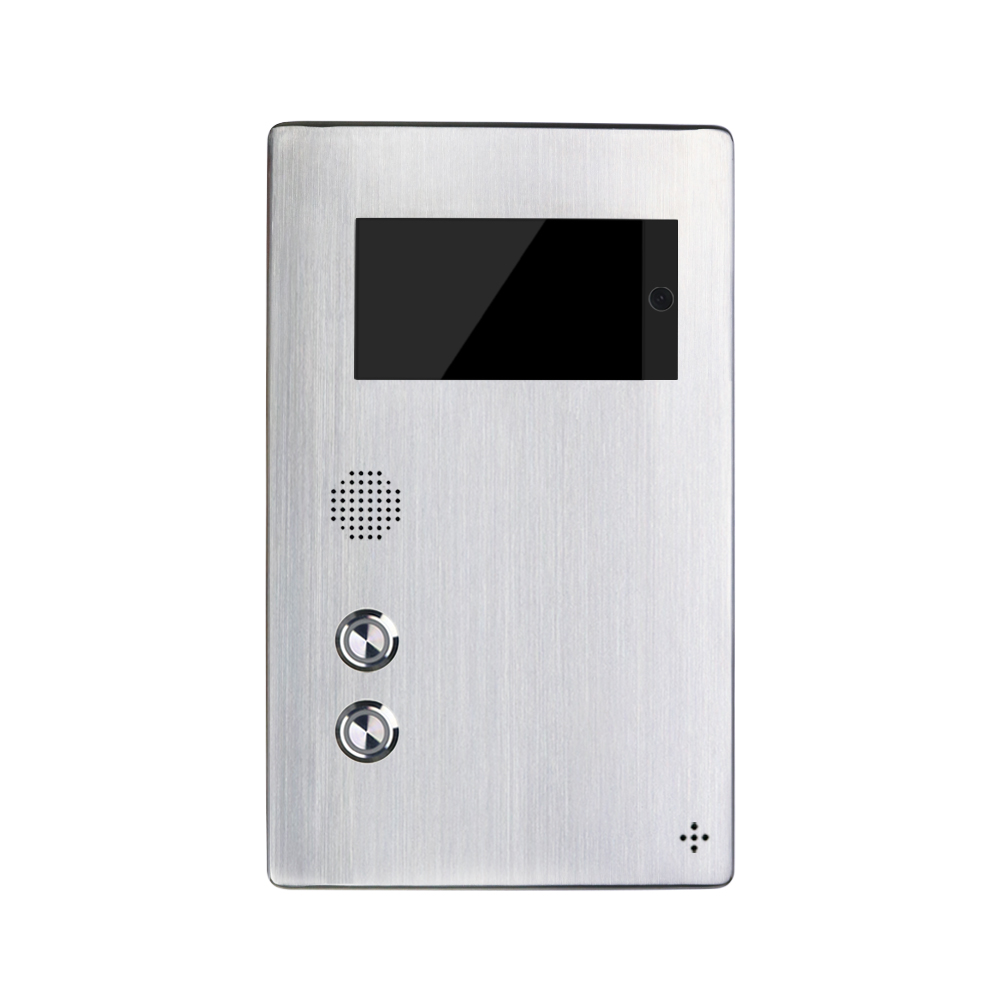
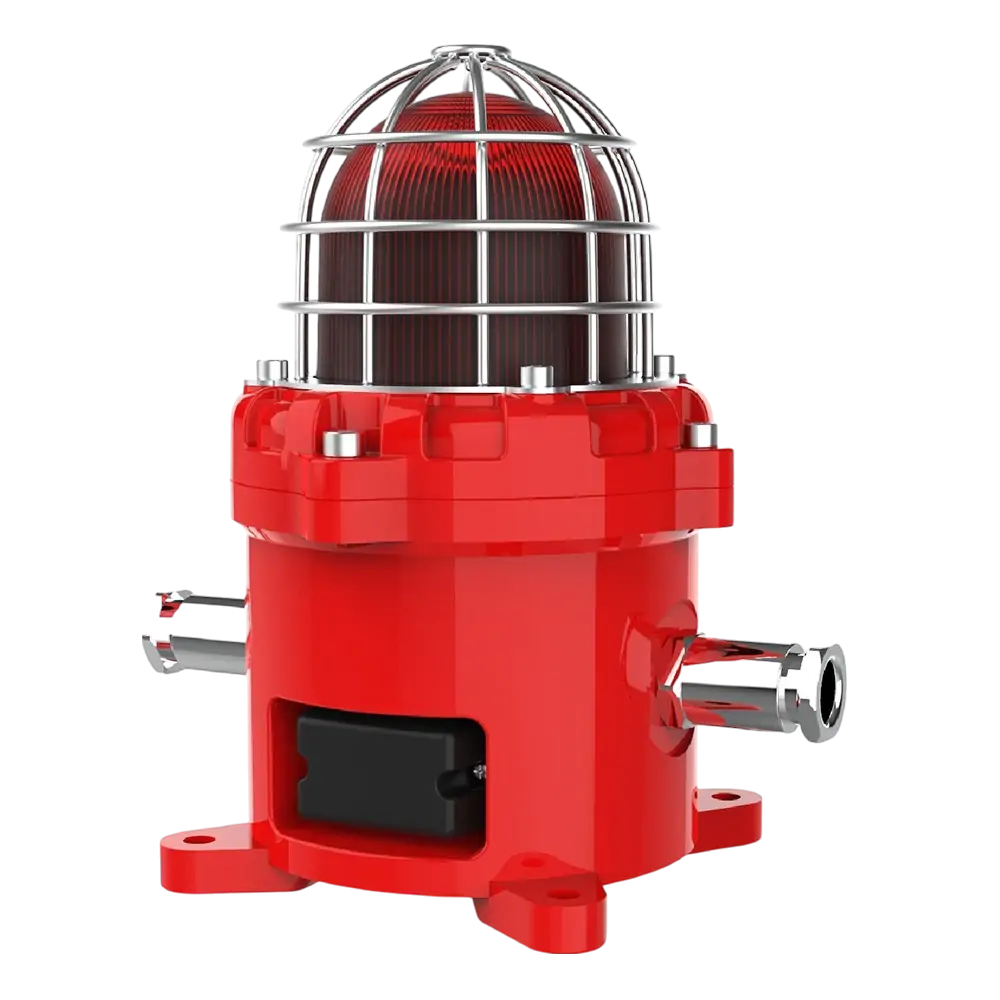
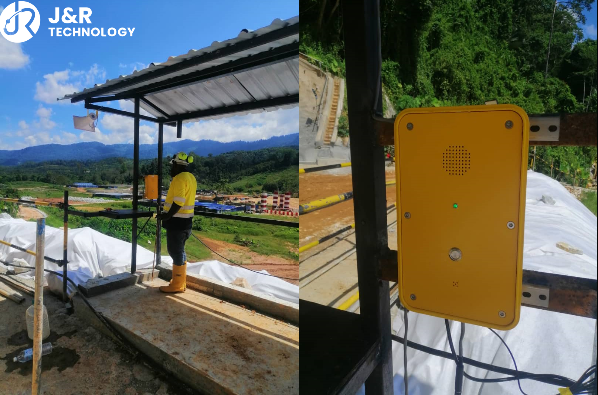
At the field level, rugged intercom terminals are installed in production areas, corridors, control rooms, and entry points. These terminals are typically housed in weatherproof and vandal-resistant enclosures, often rated IP65 or higher. Many facilities also deploy specialized devices such as explosion-proof or corrosion-resistant units for hazardous zones.
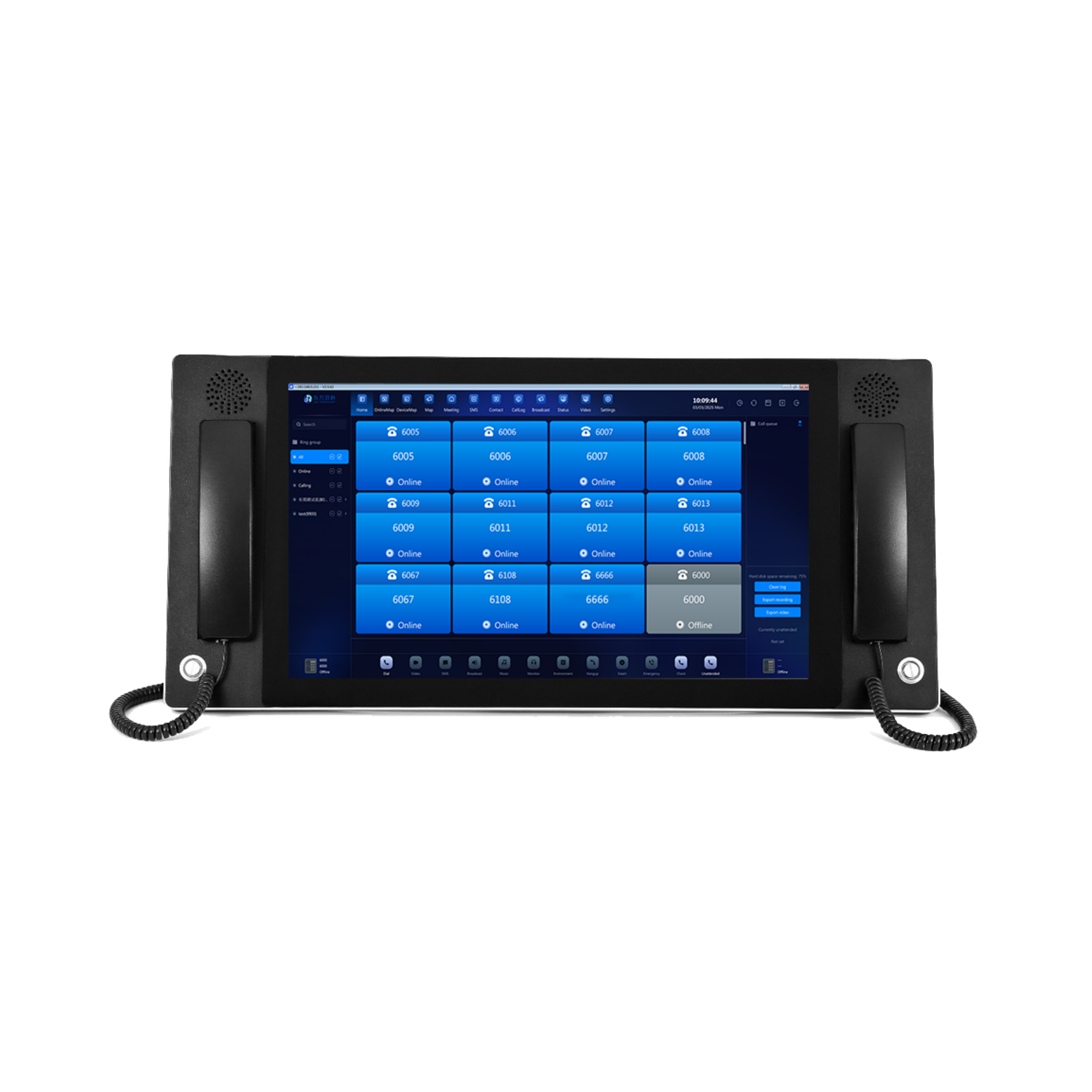
At the core of the system is a central control server or IP-based platform that manages call routing, group communication, and system logic. Modern systems often use SIP or VoIP architecture, allowing seamless integration with existing IP networks, control rooms, and other communication devices such as jr rugged phones.
Peripheral components may include headsets, microphones, cameras for video intercoms, and integration gateways that connect the intercom system to PA systems, alarm systems, or access control platforms.
Coverage Strategies
Effective communication depends heavily on proper system design and coverage planning. Industrial facilities are often large and segmented, with different acoustic and operational requirements across zones.
A well-designed industrial intercom system uses zoning strategies to ensure full coverage without unnecessary overlap. High-noise areas such as production lines may require intercoms with high-output speakers and noise-canceling microphones, while quieter administrative zones can use standard units.
IP-based systems provide flexibility in coverage expansion. As facilities grow or workflows change, additional intercom terminals can be added without major infrastructure changes. Wireless or hybrid deployments are also possible in locations where cabling is difficult, ensuring that no critical area is left without communication access.
Integration with PA
One of the most valuable features of an industrial intercom system is its ability to integrate with public address (PA) systems. This integration allows facilities to combine targeted two-way communication with one-to-many broadcasting.
In daily operations, supervisors can make live announcements or scheduled broadcasts to specific zones, such as shift changes or operational instructions. During emergencies, the system can instantly override normal communication to deliver high-priority alerts to all personnel simultaneously.
Integrated systems also support automated messages triggered by external events, such as fire alarms or security sensors. This creates a unified communication and alerting platform that improves situational awareness and reduces manual intervention during critical moments.
Noise Filtering Techniques
Industrial environments are notoriously noisy, but modern industrial intercom systems are designed to overcome this challenge through advanced audio engineering.
Noise filtering and digital signal processing technologies actively suppress background noise while enhancing speech frequencies. Directional microphones focus on the speaker’s voice, while automatic gain control adjusts audio levels to maintain consistent clarity.
Some systems also include adaptive noise cancellation that responds to changing acoustic conditions in real time. This ensures intelligible communication even near heavy machinery, loading docks, or outdoor installations exposed to wind and traffic noise.
The result is clear, reliable voice communication that supports faster decision-making and minimizes misunderstandings, even in the most demanding environments.
Maintenance Tips
To ensure long-term reliability, industrial intercom systems require regular maintenance and monitoring. Routine inspections should include checking enclosures for physical damage, verifying cable connections, and testing audio quality at each terminal.
IP-based systems benefit from centralized monitoring, allowing maintenance teams to detect faults, firmware issues, or network disruptions remotely. Keeping software and firmware up to date is essential for maintaining security, performance, and compatibility with other systems.
Facilities planning for future upgrades should also consider scalability and emerging technologies. For example, understanding industrial 5G benefits can help organizations prepare for higher bandwidth, lower latency, and greater flexibility in next-generation communication deployments.
Conclusion
An industrial intercom system is far more than a basic communication tool. It is a strategic asset that enhances coordination, improves safety, and supports efficient operations across complex facilities. By delivering instant, clear communication that overcomes noise, distance, and environmental challenges, industrial intercom systems enable organizations to operate with greater confidence and control.
As industries continue to prioritize safety, efficiency, and digital integration, investing in a well-designed industrial intercom system is a critical step toward building a more connected and resilient facility.


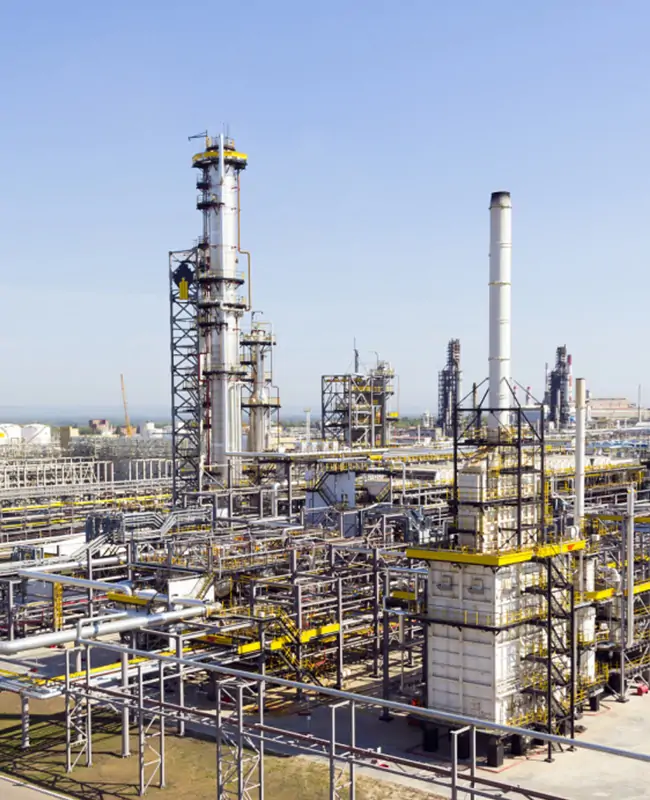 Petrochemical FacilitiesDetails
 Offshore Oil Drilling PlatformsDetails
 Onshore Oil PlatformsDetails
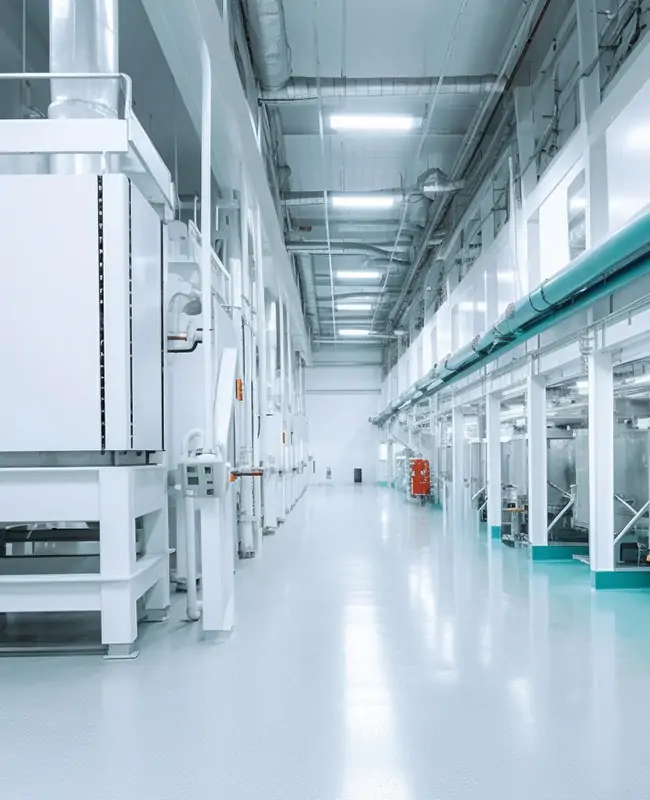 Industrial & Manufacturing FacilitiesDetails
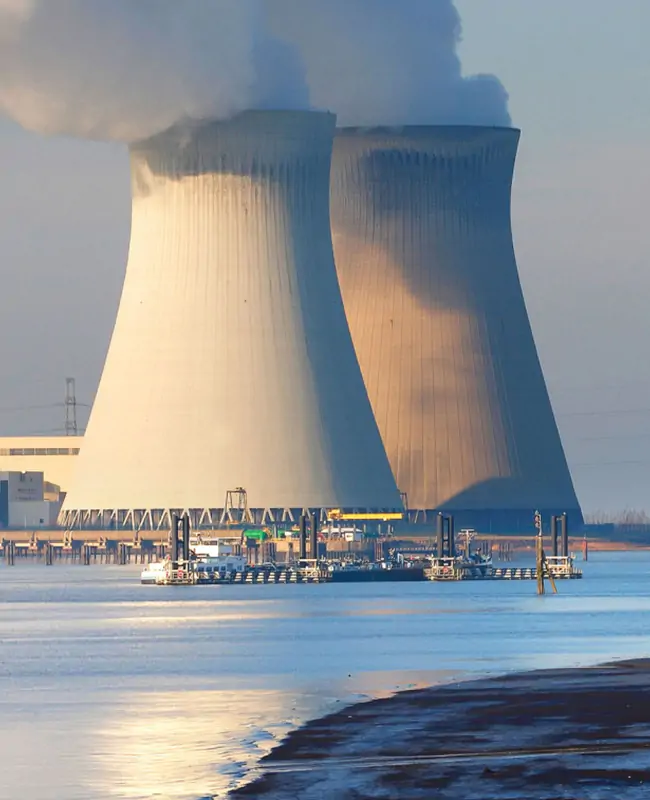 Nuclear Power PlantsDetails
 Mining Communication SystemsDetails
 Expressways & HighwaysDetails
 Utility TunnelsDetails
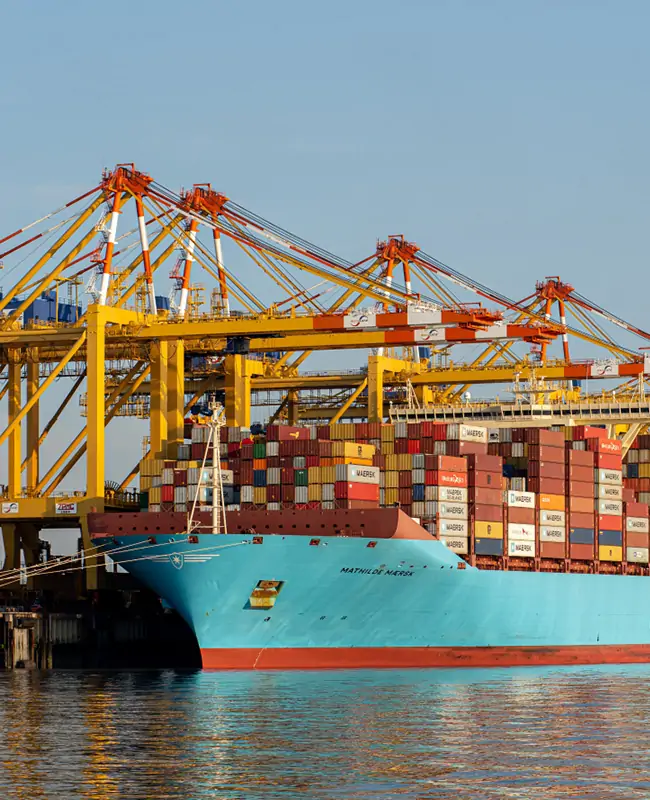 Heavy Machinery Zones (Cranes)Details
 Pharmaceutical Plants & CleanroomsDetails
 Correctional FacilitiesDetails
 Healthcare & Campus FacilitiesDetails
 Smart CitiesDetails
 4G Communication SolutionsDetails
 Wind Power PlantsDetails