Role of Communication in Safety
Safety is a critical priority in the oil and gas industry. From offshore drilling platforms to onshore refineries and pipelines, operations take place in complex and potentially hazardous environments. Effective communications for Safety of oil & gas play a vital role in preventing accidents, coordinating teams, and enabling rapid responses to emergencies.
Reliable communication systems allow field operators, control rooms, and safety teams to share information instantly. Whether reporting equipment failures, monitoring hazardous conditions, or issuing evacuation instructions, clear communication ensures that every worker receives timely and accurate information.
In environments where flammable gases, high pressure, and heavy machinery are present, even small communication delays can lead to serious risks. For this reason, oil and gas facilities invest heavily in robust communication infrastructure as part of their broader safety management strategy.
In hazardous zones, communication equipment must also comply with strict certification standards such as ATEX and IECEx. Understanding the differences between these standards is essential when selecting equipment for explosive environments. You can learn more in our guide on atex vs iecex certification.
Network Architectures
Oil and gas facilities rely on multi-layered communication networks designed to operate across large and geographically dispersed environments. These networks typically combine several technologies to ensure reliable connectivity.
Common communication architectures include:
Wired industrial networks
Fiber optic cables and industrial Ethernet networks provide high reliability and bandwidth, particularly for control rooms and processing plants.
Wireless communication systems
Radio networks, LTE/4G systems, and WiFi networks are often deployed in large facilities where wired infrastructure may be difficult to install.
Voice communication platforms
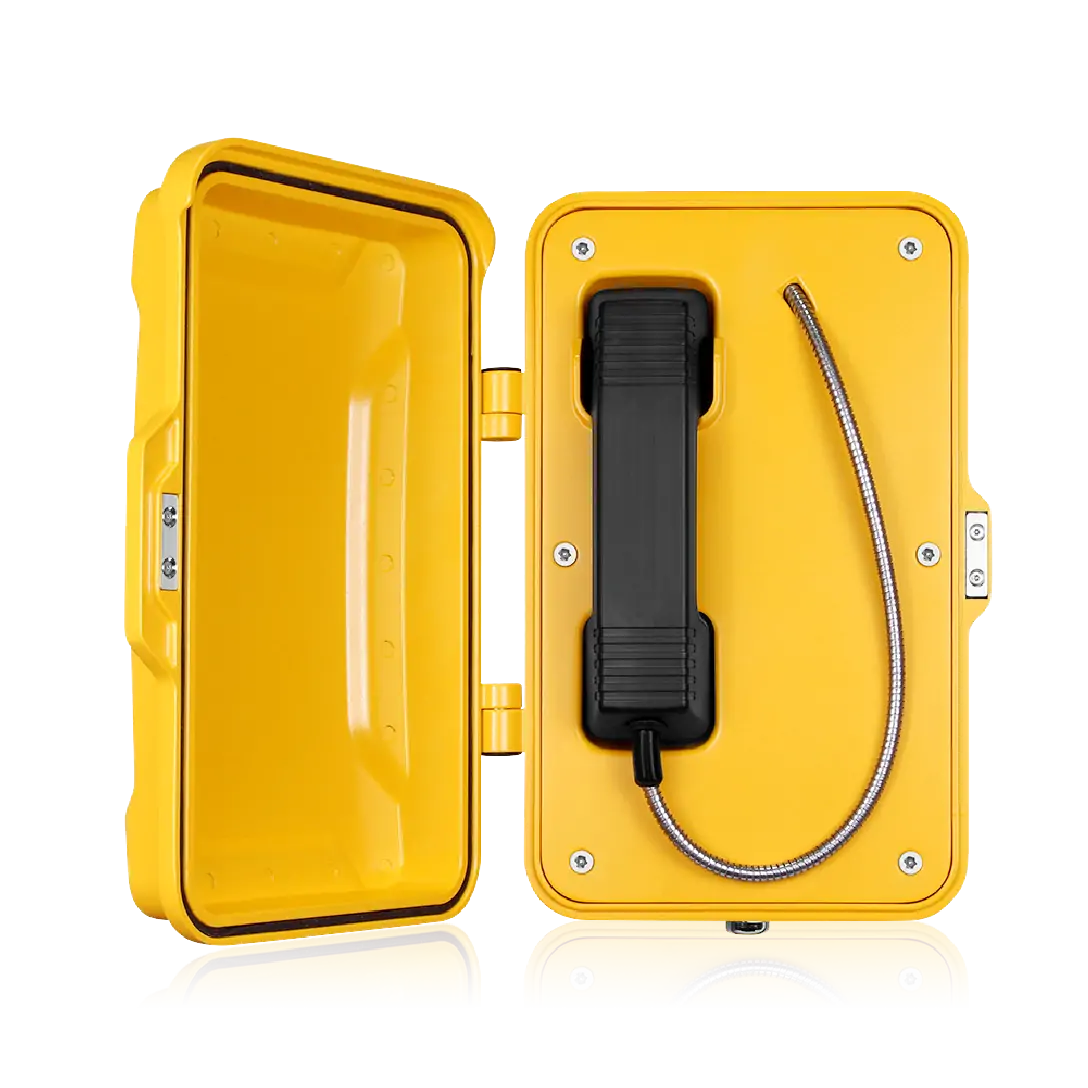
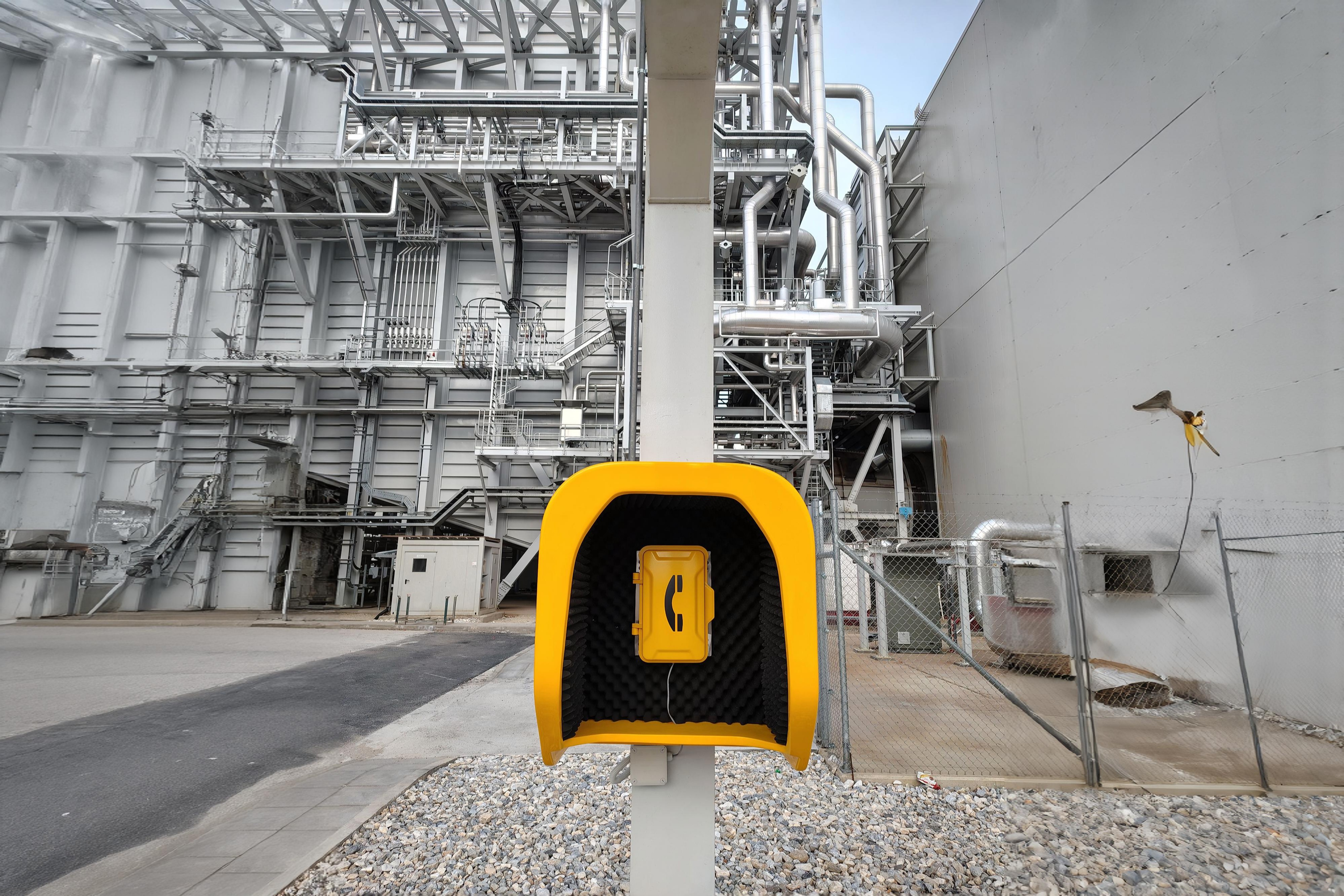
Industrial telephones, intercom systems, and dispatch consoles enable real-time voice communication between workers and control centers.
Public address and alarm systems
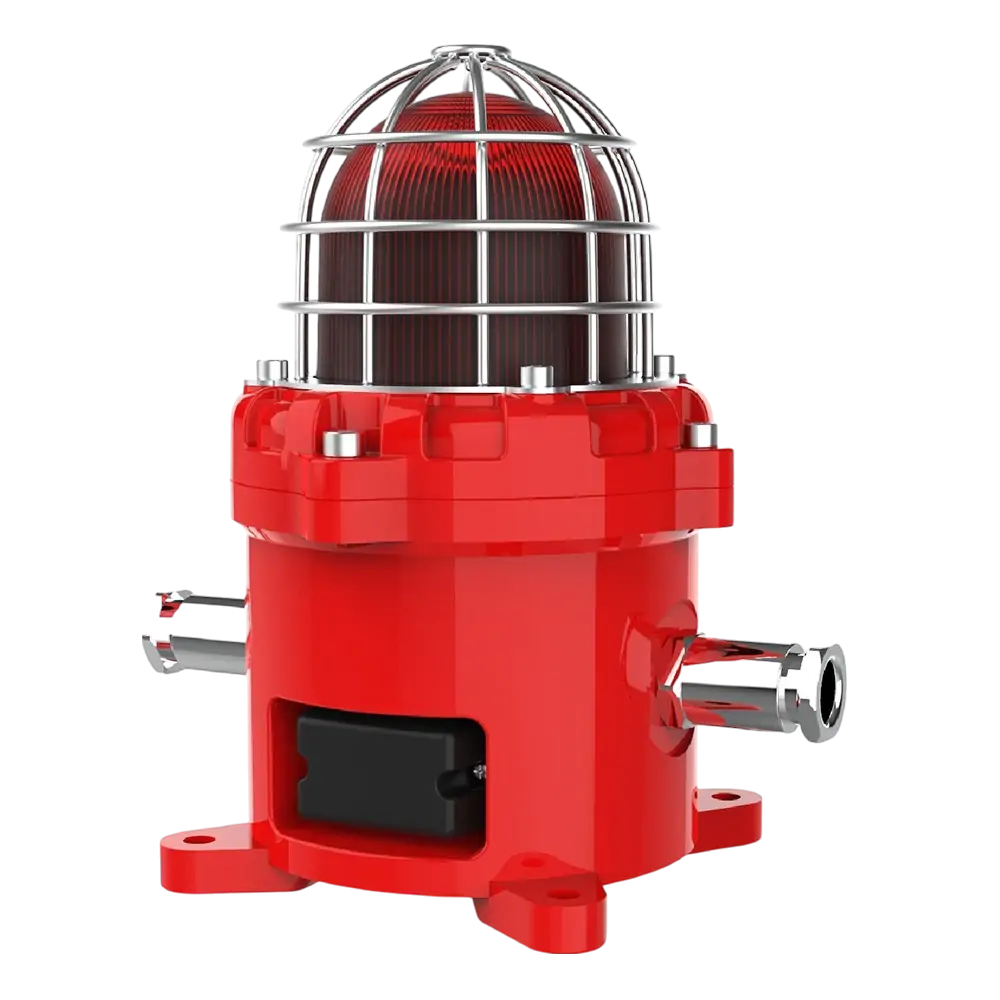
Broadcast systems allow operators to deliver emergency announcements across entire facilities.
Together, these technologies form a comprehensive critical communication system that ensures constant connectivity between personnel, equipment, and monitoring systems.
Real-Time Monitoring Use Cases
Modern oil and gas operations rely heavily on real-time monitoring to maintain safe working conditions. Communication networks enable data and alerts to be transmitted instantly between field equipment and control rooms.
Typical real-time monitoring scenarios include:
Gas detection systems
Sensors detect hazardous gas leaks and immediately notify safety personnel through alarm and communication systems.
Pipeline monitoring
Operators monitor pressure, flow, and temperature conditions across long-distance pipelines to detect abnormalities before they escalate.
Equipment diagnostics
Industrial communication networks allow maintenance teams to receive alerts about equipment malfunctions or performance issues.
Personnel safety monitoring
In remote or hazardous areas, communication devices allow workers to quickly report emergencies or request assistance.
By enabling instant data exchange and voice coordination, communication systems help operators make faster decisions and mitigate risks before they become critical incidents.
Redundancy & Failover
Because communication systems are essential for safety, oil and gas facilities must ensure that networks remain operational even during failures or emergencies.
Redundancy and failover strategies are therefore integrated into most industrial communication infrastructures.
Common approaches include:
Dual network architecture
Facilities often deploy primary and backup networks to ensure communication continuity.
Multiple communication channels
Voice communication may be available through both wired and wireless systems, ensuring that workers can still communicate if one network fails.
Power backup systems
Uninterruptible power supplies (UPS) and backup generators keep communication equipment running during power outages.
Distributed communication nodes
Instead of relying on a single control point, communication systems may include multiple distributed nodes to improve reliability.
These redundancy measures ensure that critical safety communication remains available under all operational conditions.
Future Trends
As the oil and gas industry embraces digital transformation, communication technologies continue to evolve.
Several emerging trends are shaping the future of communications for Safety of oil & gas:
Industrial IoT integration
Connected sensors and devices provide more detailed monitoring of equipment and environmental conditions.
Advanced wireless connectivity
Private LTE and future wireless technologies improve coverage in remote locations such as offshore platforms.
AI-assisted monitoring
Artificial intelligence systems can analyze communication and sensor data to detect anomalies and predict potential failures.
Integrated safety platforms
Communication systems are increasingly integrated with safety management software, allowing operators to manage alarms, incidents, and responses from a unified interface.
These innovations will continue to improve situational awareness and help oil and gas operators maintain safer working environments.
Conclusion
In oil and gas operations, communication systems are not just tools for coordination—they are essential components of safety infrastructure.
Effective communications for Safety of oil & gas enable rapid information exchange, support real-time monitoring, and ensure that workers can respond quickly to hazardous situations. By combining robust network architectures, reliable equipment, and redundancy strategies, modern communication systems significantly reduce operational risks.
As technologies such as IoT, advanced wireless networks, and integrated safety platforms continue to develop, communication systems will play an even greater role in protecting personnel, assets, and the environment across the oil and gas industry.


 Petrochemical FacilitiesDetails
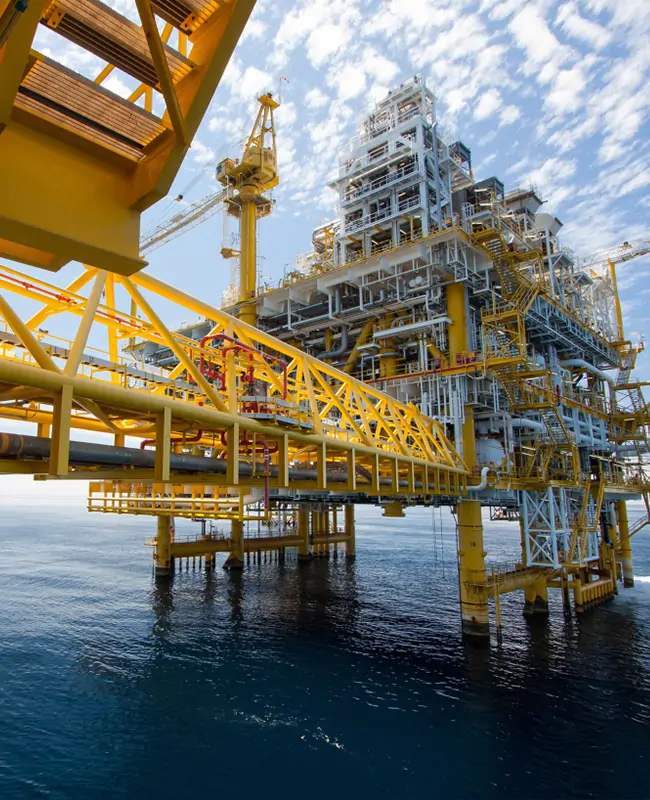 Offshore Oil Drilling PlatformsDetails
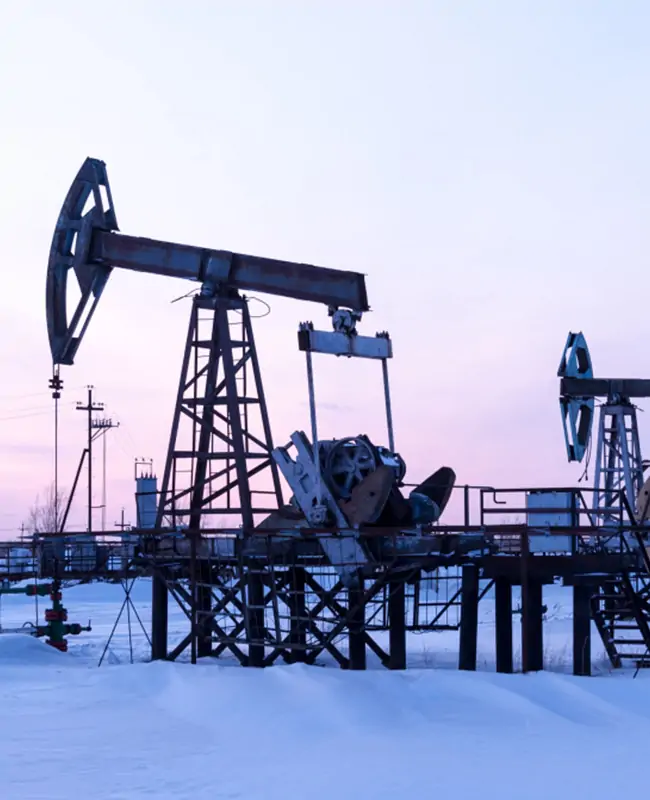 Onshore Oil PlatformsDetails
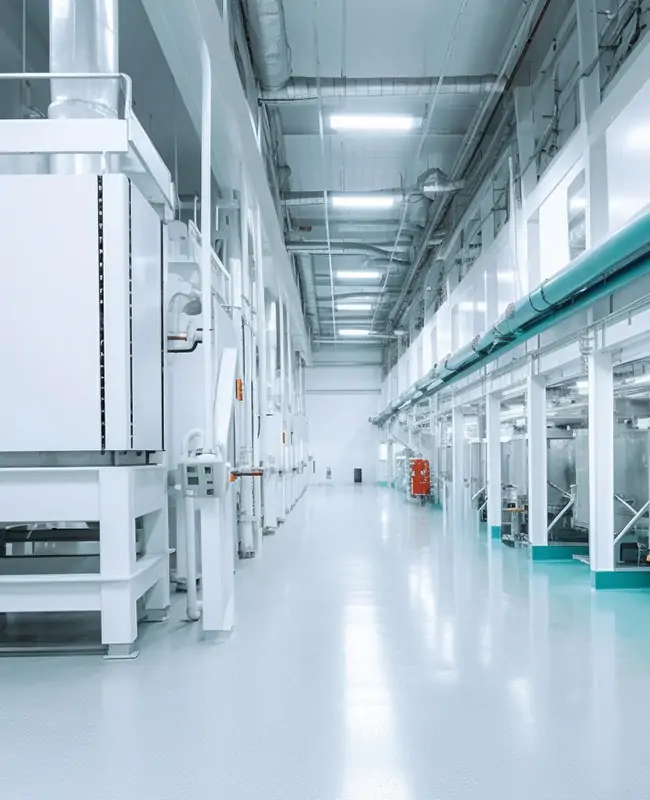 Industrial & Manufacturing FacilitiesDetails
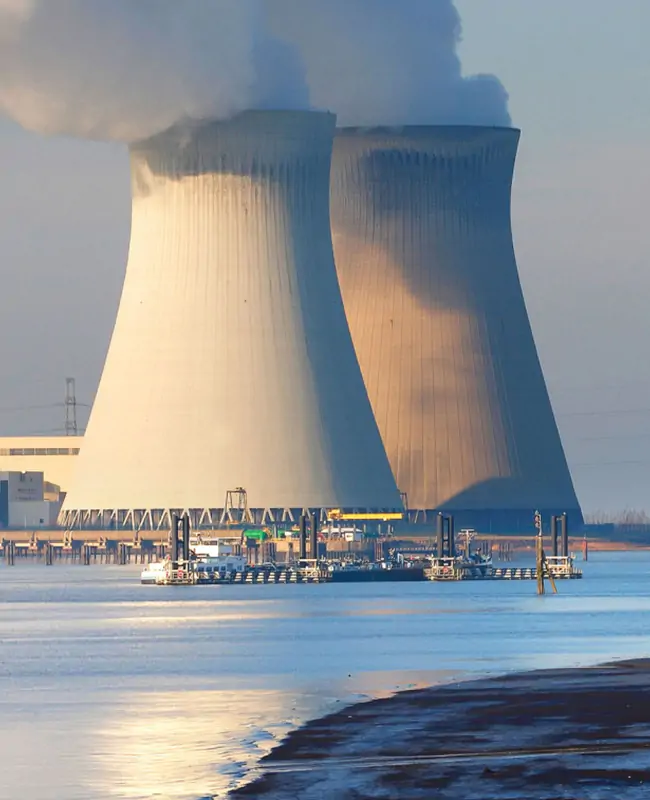 Nuclear Power PlantsDetails
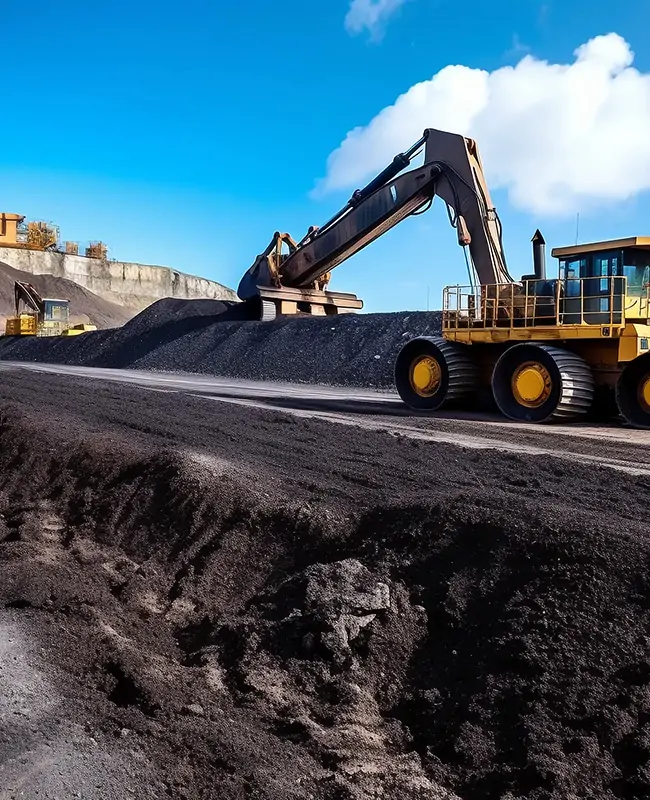 Mining Communication SystemsDetails
 Expressways & HighwaysDetails
 Utility TunnelsDetails
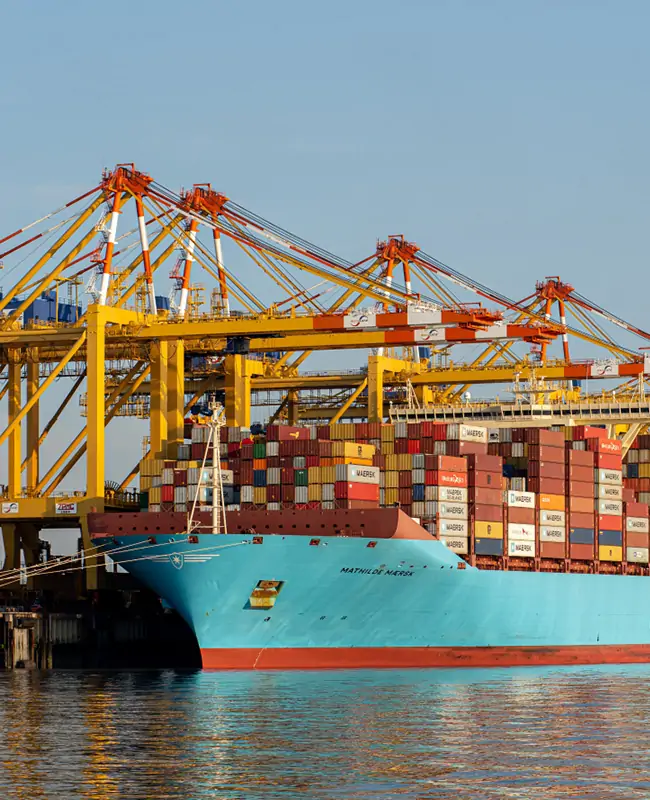 Heavy Machinery Zones (Cranes)Details
 Pharmaceutical Plants & CleanroomsDetails
 Correctional FacilitiesDetails
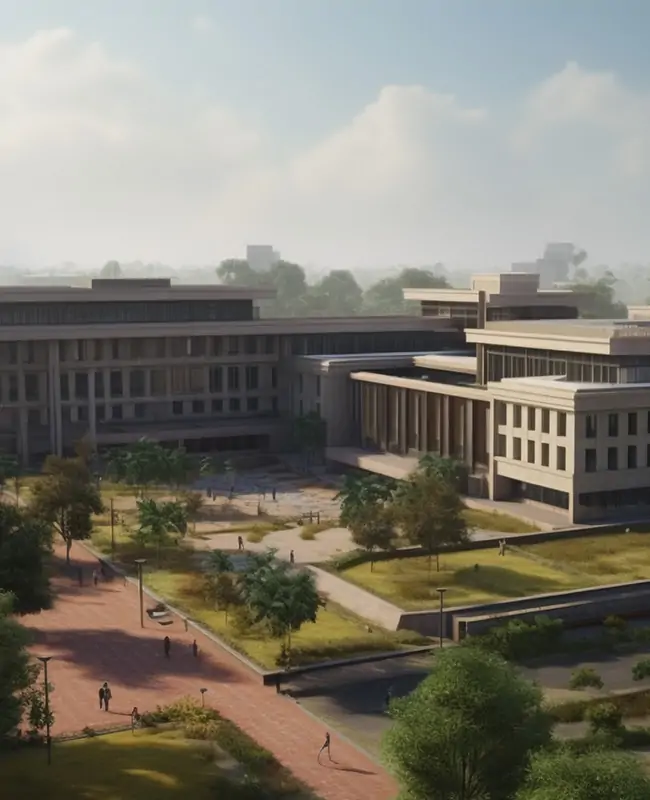 Healthcare & Campus FacilitiesDetails
 Smart CitiesDetails
 4G Communication SolutionsDetails
 Wind Power PlantsDetails