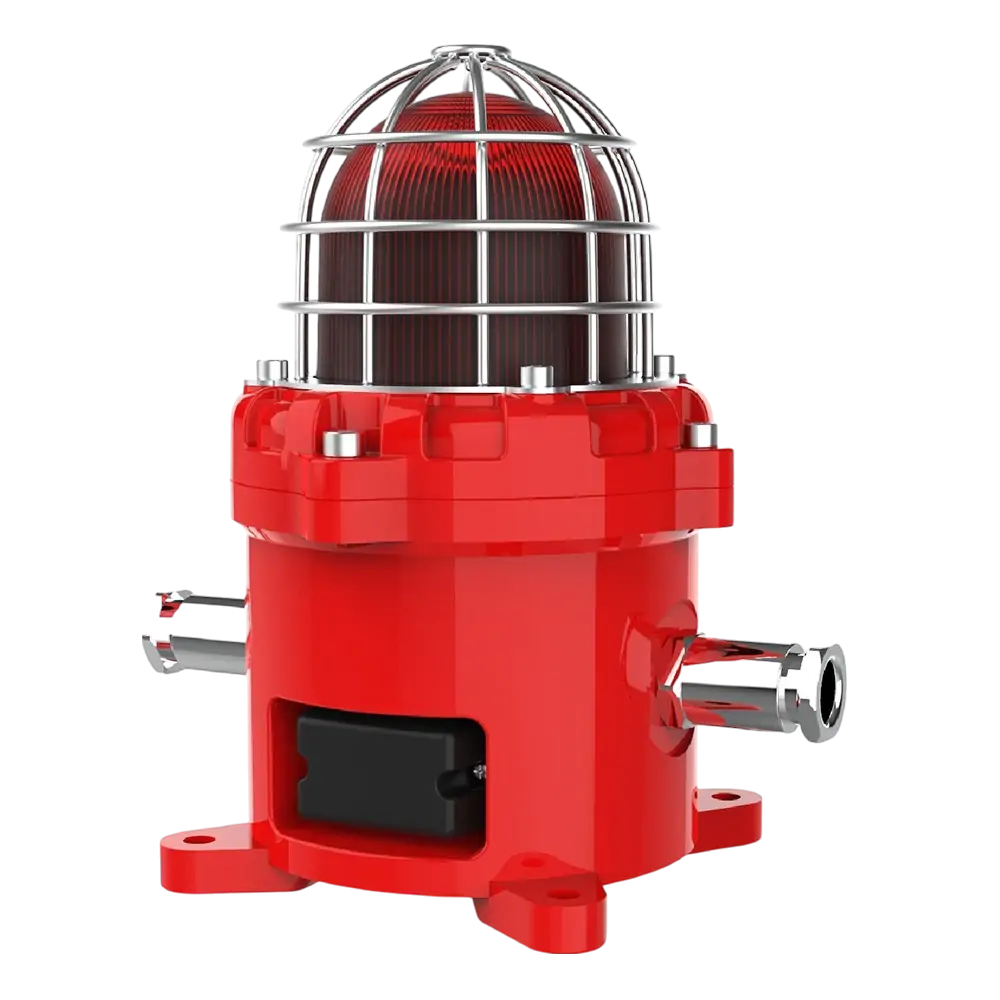
In large industrial sites—from manufacturing plants and oil refineries to warehouses and power stations—effective communication is not just a convenience, but a critical component of safety, efficiency, and compliance. At the heart of this communication infrastructure lies the public address system, a tool designed to deliver clear, targeted audio messages to large groups of people across expansive, often noisy environments. But what is the public address system, exactly, and how does it differ from standard communication tools in industrial settings? This article breaks down its key components, core functionalities, and why it’s indispensable for modern industrial operations.
What Is the Public Address System in Industrial Environments?
A public address (PA) system, in its simplest form, is an electronic sound amplification and distribution system that enables one-way communication from a single source to multiple recipients across a defined area. In industrial contexts, however, it is far more than a basic “speaker and microphone” setup—it is a rugged, scalable, and reliable solution engineered to overcome the unique challenges of industrial sites: high noise levels, large physical footprints, harsh environmental conditions (extreme temperatures, dust, moisture, or hazardous materials), and the need for instant emergency responsiveness.
Unlike commercial PA systems used in offices or retail spaces, industrial PA systems are built to integrate with other on-site technologies (such as fire detection, security, and process control systems) and deliver consistent audio clarity even in the loudest areas, from production floors to outdoor storage yards. Whether it’s broadcasting daily shift announcements, coordinating workflow changes, or issuing life-saving emergency alerts, the industrial PA system serves as the backbone of on-site communication.
PA vs Intercom: Key Differences for Industrial Use
Many industrial operators confuse PA systems with intercom systems, but the two serve distinct purposes—though they can complement each other in a comprehensive communication strategy. The core difference lies in the direction of communication and their intended use cases.
A public address system is designed for
one-way communication: a single user (e.g., a control room operator) broadcasts a message to a large, predefined group of people or an entire site. This makes it ideal for sharing general announcements, safety reminders, shift changes, or emergency evacuation orders—scenarios where a single message needs to reach as many people as possible quickly.
An intercom system, by contrast, enables
two-way communication between specific individuals or small groups. It is used for targeted conversations, such as a control room operator speaking directly to a technician on the production floor, or a security guard verifying access with a visitor at the gate. While intercoms excel at personalized, direct communication, they lack the wide-reaching broadcast capability of a PA system.
In industrial settings, the two systems often work together: a PA system broadcasts site-wide alerts, while intercoms handle on-demand, one-to-one or one-to-few conversations to address specific issues without disrupting the entire workforce.
Amplifier & Speaker Specs for Industrial PA Systems
The effectiveness of an industrial PA system hinges on two critical components: amplifiers and speakers. Unlike commercial systems, industrial-grade equipment must meet strict specifications to perform reliably in harsh conditions and deliver audible messages over high background noise (e.g., from machinery, fans, or heavy equipment).
Amplifiers: Industrial PA amplifiers are built for power, durability, and flexibility. Key specs to consider include:
- Power Output: Ranging from 600 watts to 3000 watts (or higher for extremely large sites), to ensure audio signals can reach all areas without distortion. Models like the Federal Signal CTS series offer 600W to 3000W outputs, with selectable dual or mono modes for flexible distribution.
- Voltage Modes: Most industrial systems use 70-volt or 100-volt constant-voltage amplifiers, which eliminate the need for step-up transformers (reducing distortion) and allow for longer cable runs without signal loss.
- Durability: Amplifiers must be ruggedized to resist dust, moisture, and extreme temperatures, often with sealed enclosures and thermal protection. Many also feature energy-efficient designs and soft-start circuits to minimize inrush currents and reduce operating costs.
- Redundancy: Backup power supplies (e.g., batteries) are essential to ensure amplifiers continue operating during power outages—critical for emergency communication.
Speakers: Industrial speakers are engineered for clarity, coverage, and resistance to harsh environments. Key specs include:
- Weather and Hazard Ratings: Speakers for outdoor or hazardous areas (e.g., chemical plants) must have IP ratings (e.g., IP55 for dust/water resistance) or防爆 certifications (e.g., T6 for high-temperature zones) to withstand corrosive gases, dust, or potential explosions.
- Sound Pressure Level (SPL): Measured in decibels (dB), SPL indicates how loud a speaker can get. Industrial speakers typically require an SPL of 95dB or higher to cut through background noise—horn-style speakers are ideal for this, as they project sound over long distances with high clarity.
- Frequency Response: A range of 20Hz to 20kHz ensures clear reproduction of human speech, which is critical for understandable announcements and emergency instructions. Some industrial speakers offer up to 7kHz audio bandwidth for enhanced clarity in noisy environments.
- Mounting Options: Speakers may be wall-mounted, ceiling-mounted, or pole-mounted, depending on the area (e.g.,号角 speakers for outdoor yards, compact speakers for control rooms).
Zone Control: Targeted Communication for Large Industrial Sites
Large industrial sites—such as sprawling manufacturing complexes, oil refineries, or multi-building warehouses—rarely need to broadcast every message to the entire workforce. Zone control is a critical feature of industrial PA systems that allows operators to divide the site into distinct “zones” and broadcast messages only to the relevant areas, reducing disruption and improving communication efficiency.
How zone control works:
- Zone Configuration: Sites are divided into zones based on function (e.g., production zone, warehouse zone, office zone) or location (e.g., Building A, Outdoor Yard, Loading Dock). IP-based PA systems make zone expansion easy, as new zones can be added without extra wiring (unlike analog systems).
- Targeted Broadcasting: Operators use a control panel or software interface to select specific zones for each message. For example, a shift change announcement can be sent only to the production zone, while a weather alert is broadcast to all outdoor zones.
- Integration with Control Systems: Zone control can be integrated with other industrial systems (e.g., fire detection, DCS/PLC) to trigger automatic zone-specific alerts. For example, a fire in the warehouse zone will automatically activate PA messages only in that zone, guiding evacuation without panicking the entire site.
Advanced PA management software, such as Axis Audio Manager Pro, can handle 500+ zones and thousands of speakers, enabling centralized control of zone-specific broadcasting, scheduling, and priority settings.
Emergency Workflow: How Industrial PA Systems Respond to Crises
In industrial environments, emergencies—such as fires, chemical leaks, equipment failures, or natural disasters—require instant, clear communication to protect lives and minimize damage. Industrial PA systems are designed to support a streamlined emergency workflow, often integrating with emergency response systems to ensure rapid, coordinated action.
The typical emergency workflow for an industrial PA system includes:
- Alert Trigger: Emergencies are detected either automatically (via fire alarms, gas detectors, or other sensors) or manually (via a panic button in the control room or a handheld microphone).
- System Activation: The PA system activates within 3 seconds of the alert, overriding all non-emergency audio (e.g., background music, routine announcements) to prioritize emergency messages. Redundant power supplies ensure the system remains operational even if the main power fails.
- Targeted Message Delivery: Pre-recorded emergency messages (e.g., evacuation instructions, safety protocols) or live announcements are broadcast to the relevant zones. Messages are often available in multiple languages to accommodate diverse workforces, and are designed to be clear and concise—critical for high-stress situations.
- Integration with Emergency Systems: The PA system works with other emergency tools, such as flashing warning beacons, fire suppression systems, and access control, to coordinate response efforts. For example, PA messages may trigger the shutdown of critical equipment or unlock emergency exit doors during an evacuation.
- Post-Emergency Follow-Up: After the crisis is resolved, the PA system broadcasts all-clear messages to inform workers it is safe to return, and may share updates on next steps (e.g., resume operations, attend a safety briefing).
This workflow ensures that emergency instructions are delivered quickly, accurately, and to the right people—reducing response time and potentially saving lives.
Certification Standards for Industrial PA Systems
Industrial PA systems are subject to strict certification standards to ensure they meet safety, reliability, and performance requirements—especially in hazardous or regulated industries (e.g., oil and gas, chemical manufacturing). Compliance with these standards is not just a legal requirement, but a guarantee that the system will perform when it matters most.
Key certification standards include:
- EN 54 (European Standards): A set of European standards governing fire detection and alarm systems, including voice evacuation systems (a critical component of industrial PA systems). Key sections relevant to PA systems include:
- EN 54-4: Regulates power supply units, requiring main and backup power (batteries) to ensure system operation during power outages.
- EN 54-16: Defines requirements for voice alarm control equipment (VACIE), including message playback, zone activation, and integration with fire detection systems—the “brain” of the emergency evacuation system.
- EN 54-24: Establishes criteria for loudspeakers used in voice evacuation, ensuring they provide clear intelligibility, fire resistance, and reliable operation in adverse conditions.
- ISO 24504:2014: An international standard specifying methods for determining appropriate sound levels for spoken announcements in PA systems, ensuring messages are audible to all listeners—including those with hearing loss or in noisy environments.
- Local and Industry-Specific Standards: Depending on the region and industry, additional standards may apply. For example, in the U.S., systems may need ETL listing for electrical safety, while in hazardous environments, speakers and amplifiers may require ATEX or IECEx certifications for防爆 protection.
- EN 60849/VDE 0828: Standards governing the design and performance of digital power amplifiers used in industrial PA systems, ensuring efficiency, durability, and compliance with safety requirements.
Choosing a PA system that meets these standards ensures compliance with local regulations, reduces liability, and provides peace of mind that the system will perform reliably in both routine and emergency situations.
In summary, an industrial public address system is far more than a basic communication tool—it is a rugged, scalable, and certified solution that ensures clear, targeted communication across large, harsh industrial sites. By understanding what is the public address system, its key components, and how it integrates with other industrial systems, operators can invest in a solution that enhances safety, improves efficiency, and keeps their workforce connected.


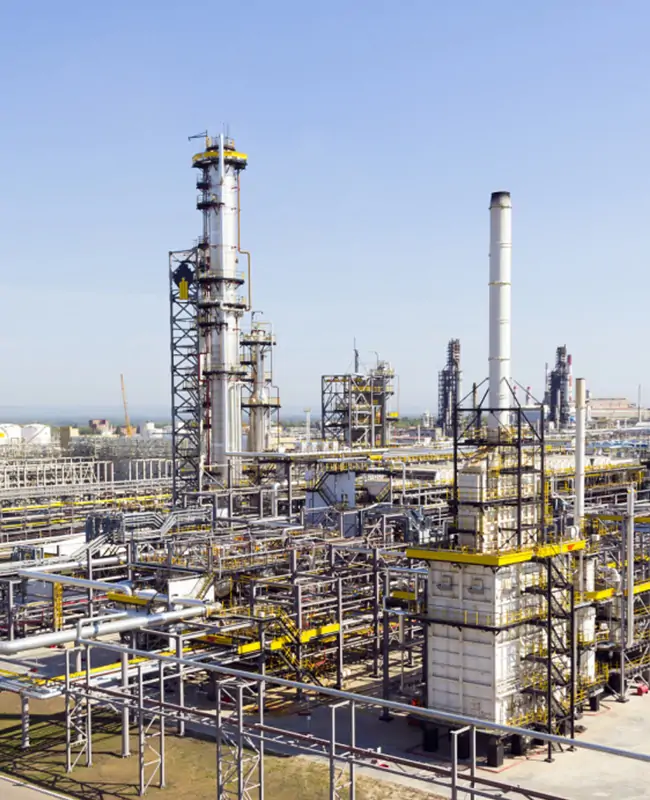 Petrochemical FacilitiesDetails
 Offshore Oil Drilling PlatformsDetails
 Onshore Oil PlatformsDetails
 Industrial & Manufacturing FacilitiesDetails
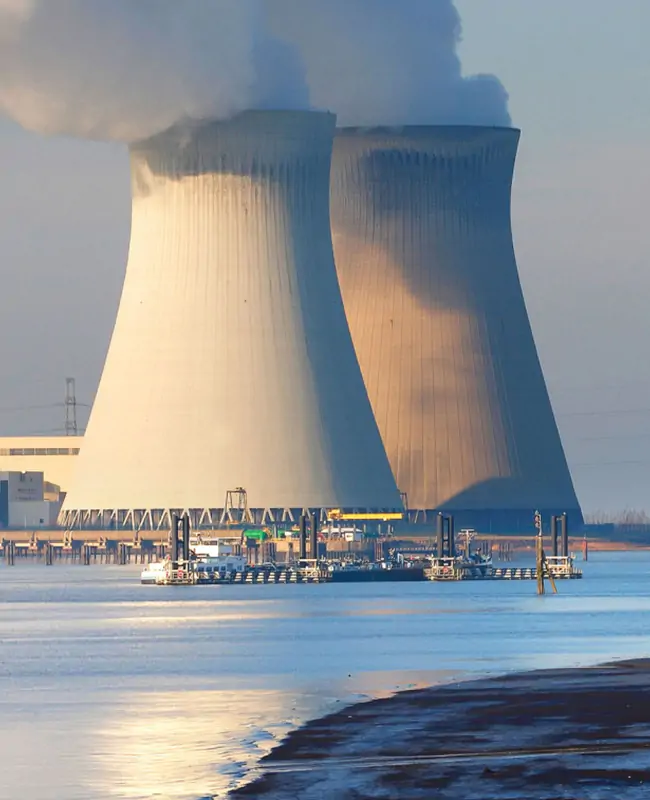 Nuclear Power PlantsDetails
 Mining Communication SystemsDetails
 Expressways & HighwaysDetails
 Utility TunnelsDetails
 Heavy Machinery Zones (Cranes)Details
 Pharmaceutical Plants & CleanroomsDetails
 Correctional FacilitiesDetails
 Healthcare & Campus FacilitiesDetails
 Smart CitiesDetails
 4G Communication SolutionsDetails
 Wind Power PlantsDetails