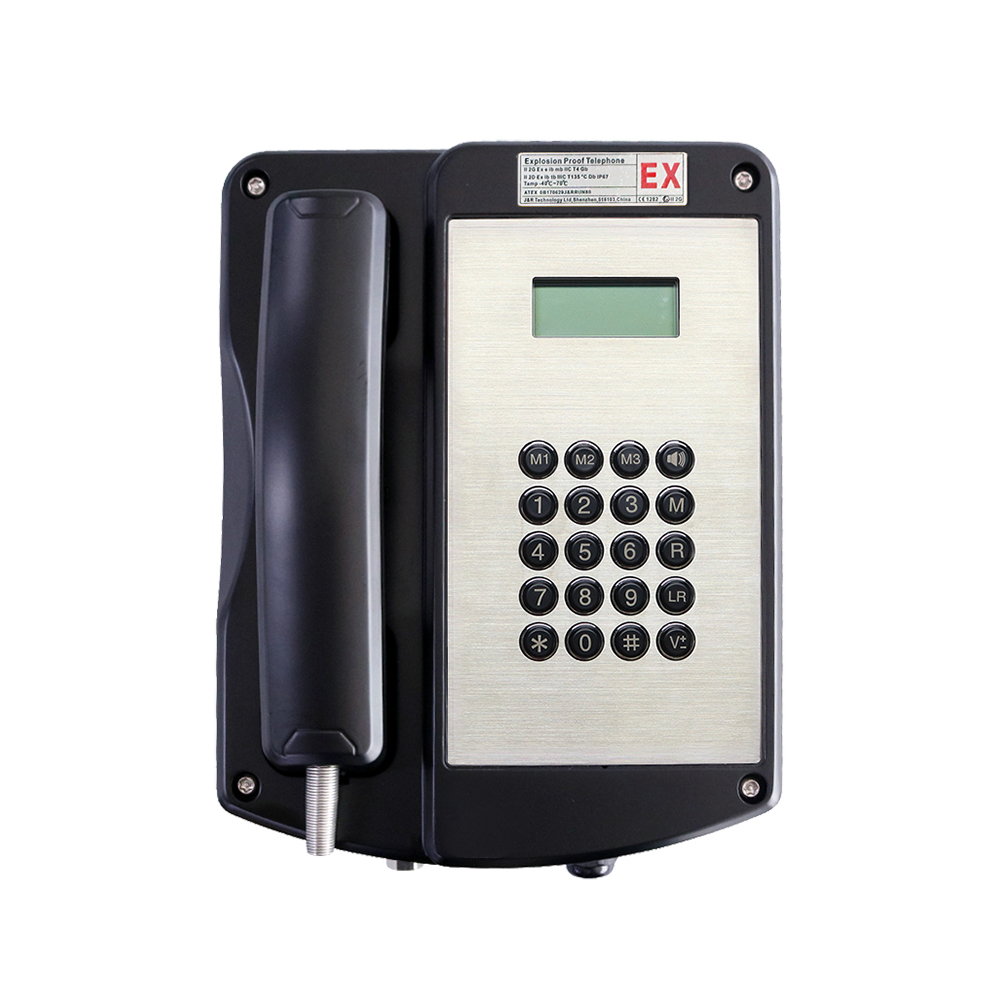
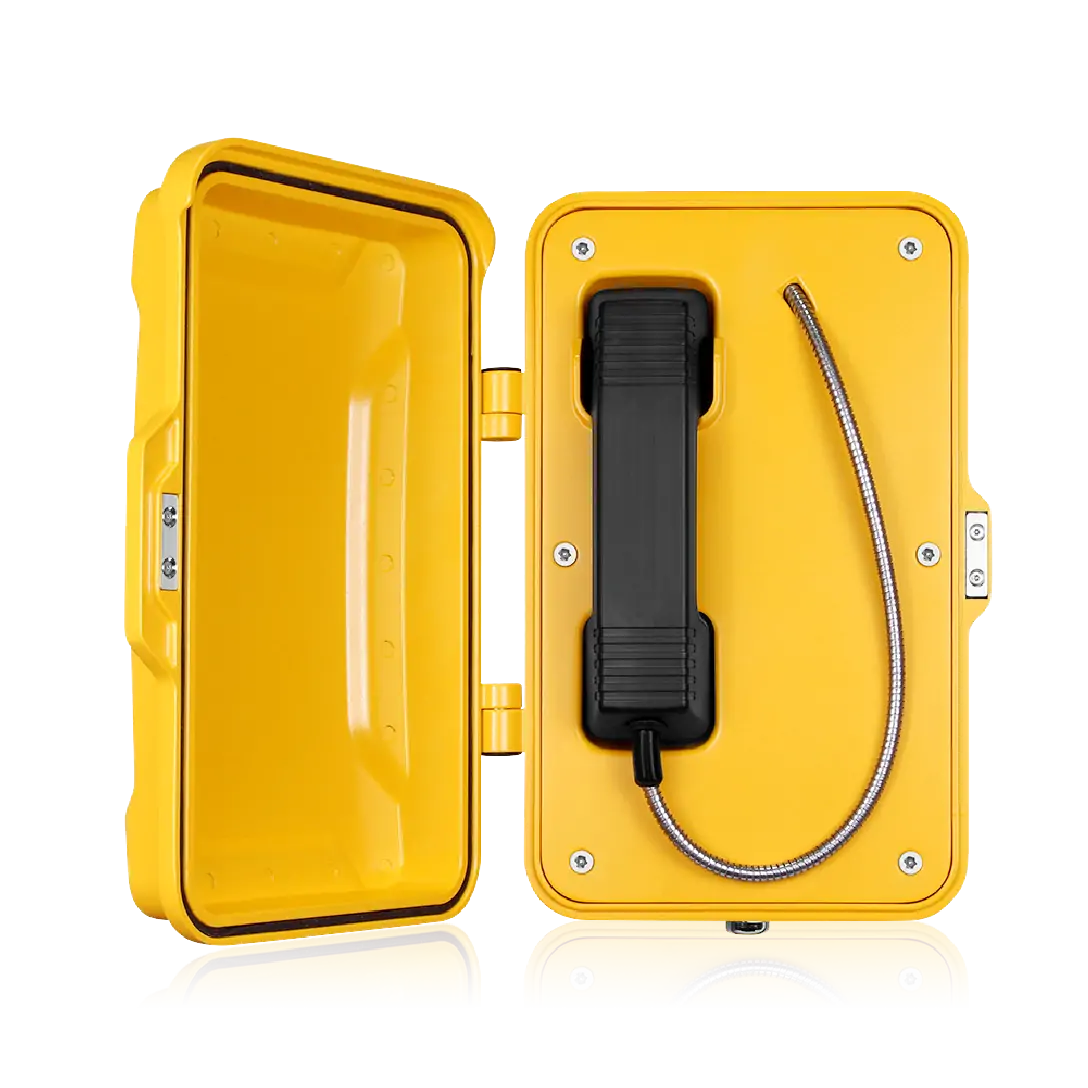
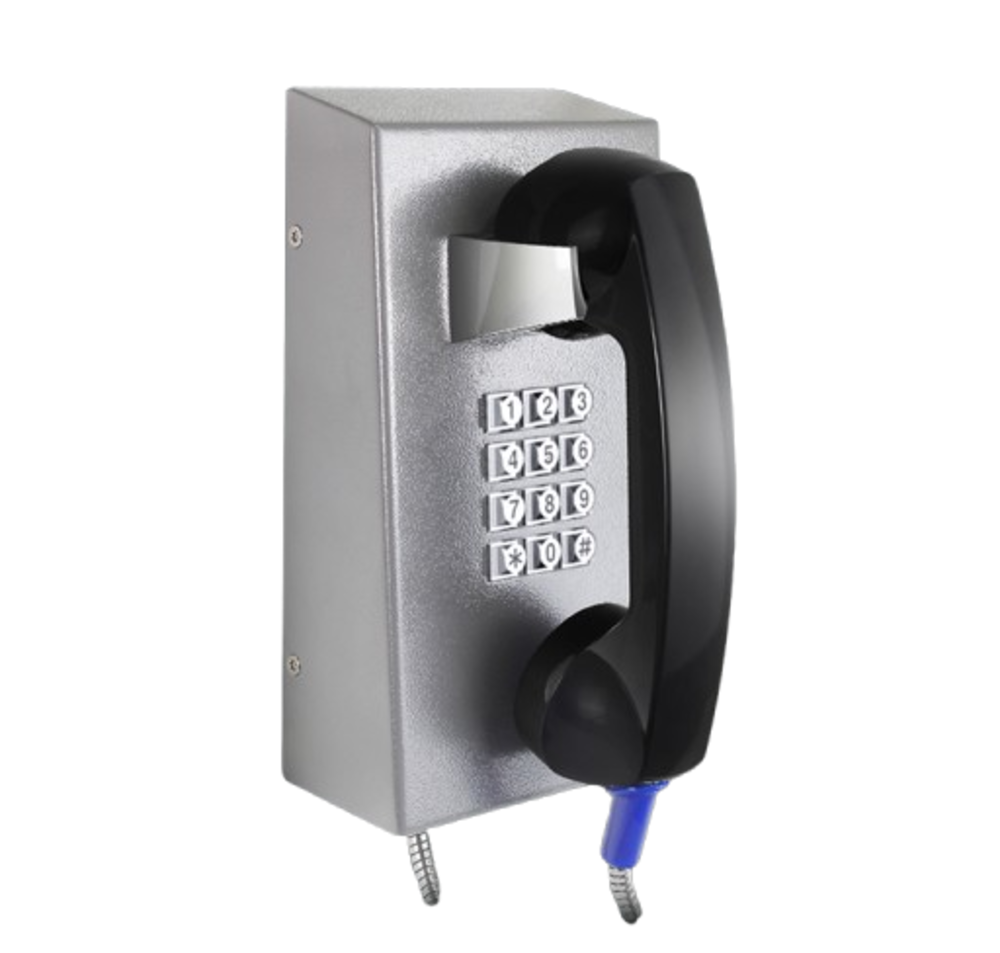
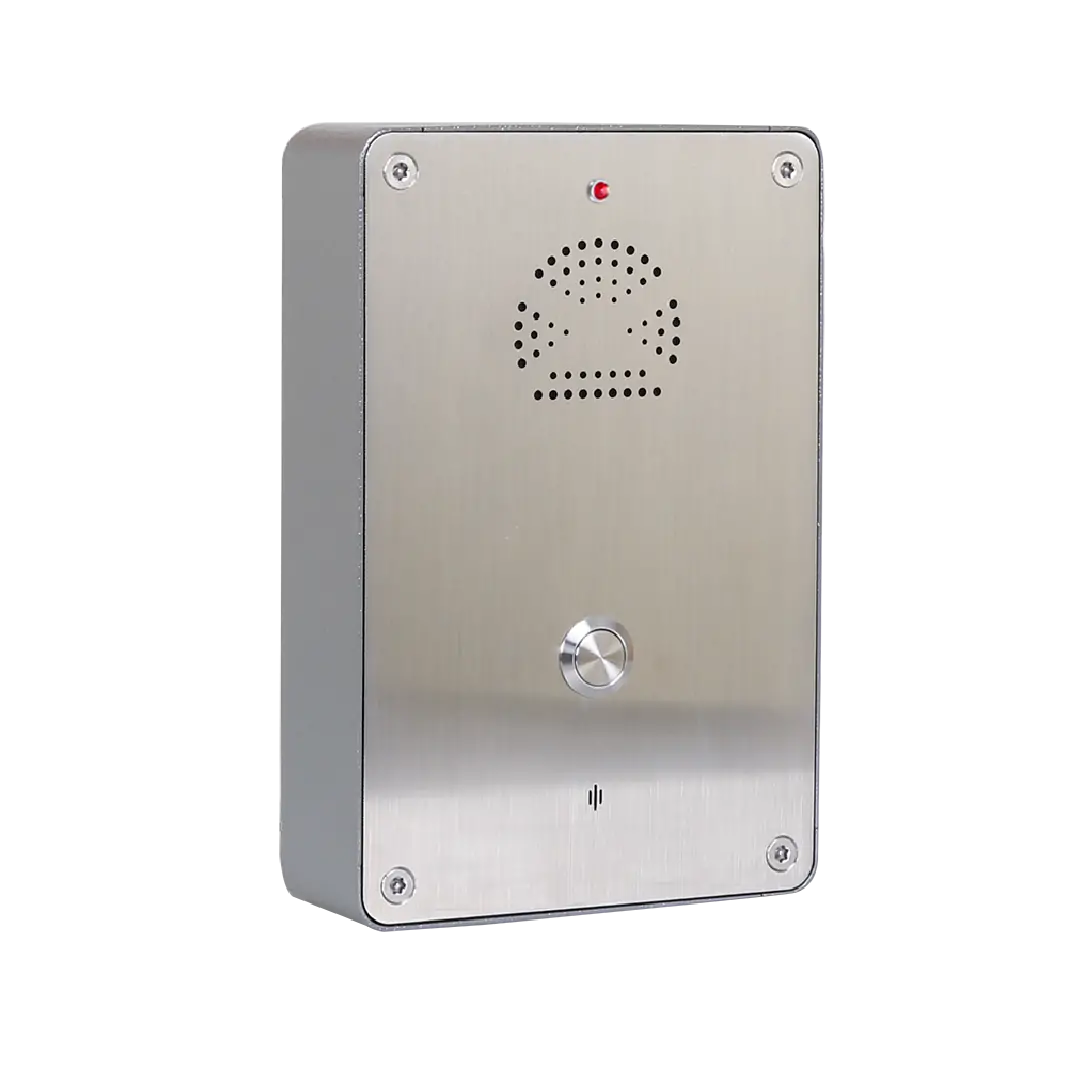
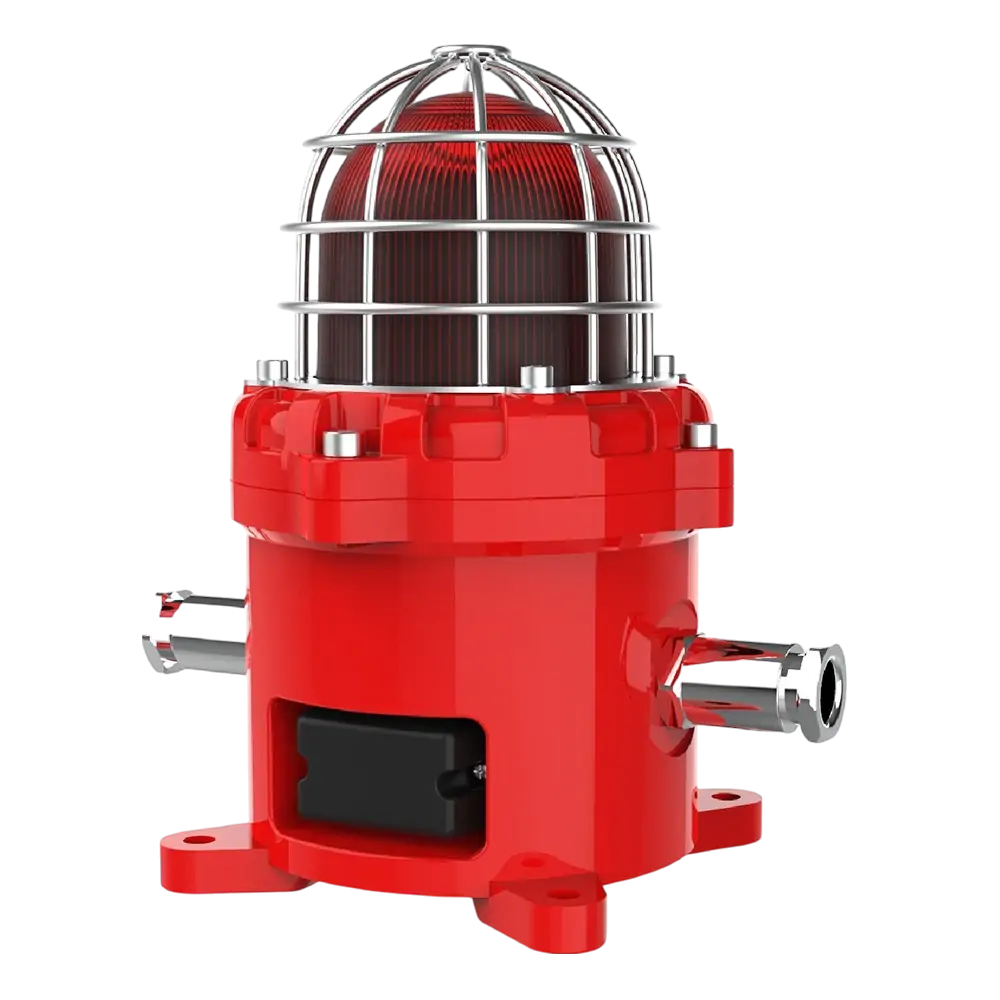
In hazardous industrial environments such as oil refineries, offshore platforms, chemical plants, and mining tunnels, a single spark can trigger catastrophic consequences. That’s why certified explosion-proof equipment is not optional—it is a regulatory and operational necessity.
International standards like ATEX and IECEx provide structured certification frameworks to ensure that devices installed in explosive atmospheres meet strict safety requirements. From telephones and intercoms to loudspeakers and control stations, certified equipment helps organizations protect personnel, assets, and production continuity.
So how exactly do ATEX and IECEx certifications guarantee safety and compliance? Let’s break it down.
What Are ATEX and IECEx Certifications?
ATEX and IECEx are two globally recognized systems designed to regulate equipment used in hazardous areas.
ATEX
ATEX is a European regulatory framework that applies to equipment installed within the European Union. It defines essential health and safety requirements for devices operating in explosive gas or dust environments.
IECEx
IECEx is an international certification scheme recognized across many regions worldwide. It focuses on standardized testing and verification to facilitate global market acceptance.
While the technical requirements are largely aligned, the primary difference lies in geographic applicability and documentation. Many manufacturers pursue both certifications to enable worldwide deployment. (See our related guide: atex vs iecex certification.)
Together, these standards create a consistent safety benchmark for hazardous-area equipment.
Why Is Certification Critical for Explosion-Proof Equipment?
Industrial facilities handling flammable gases, vapors, or combustible dusts face constant ignition risks. Electrical or electronic devices can generate:
-
Sparks
-
High temperatures
-
Static discharge
-
Electrical faults
Without protection, these hazards may ignite explosive atmospheres.
Certified explosion-proof equipment is engineered to prevent ignition through:
-
Flameproof enclosures (Ex d)
-
Intrinsic safety design (Ex i)
-
Increased safety (Ex e)
-
Pressurization or encapsulation methods
Certification verifies that devices have been independently tested under worst-case scenarios, ensuring they will not become an ignition source.
This independent verification reduces liability, simplifies inspections, and protects both workers and infrastructure.
How Do Certified Devices Enhance Workplace Safety?
ATEX and IECEx certified devices improve safety in several practical ways.
1. Controlled Surface Temperature
Equipment is designed to stay below ignition temperatures of surrounding gases or dust.
2. Spark Containment
Robust housings prevent internal sparks or explosions from escaping into the environment.
3. Environmental Durability
Industrial-grade construction resists corrosion, moisture, vibration, and impact.
4. Reliable Communication
In emergency situations, certified communication devices ensure uninterrupted coordination.
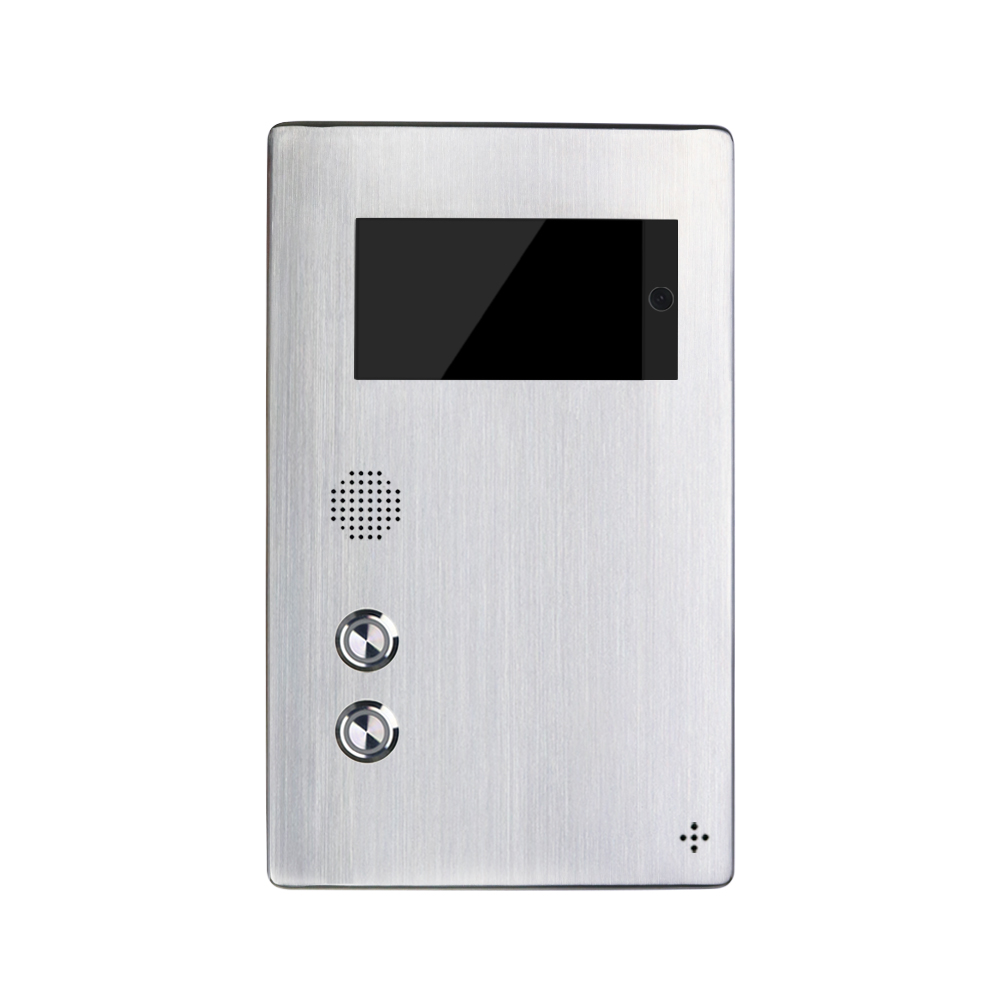
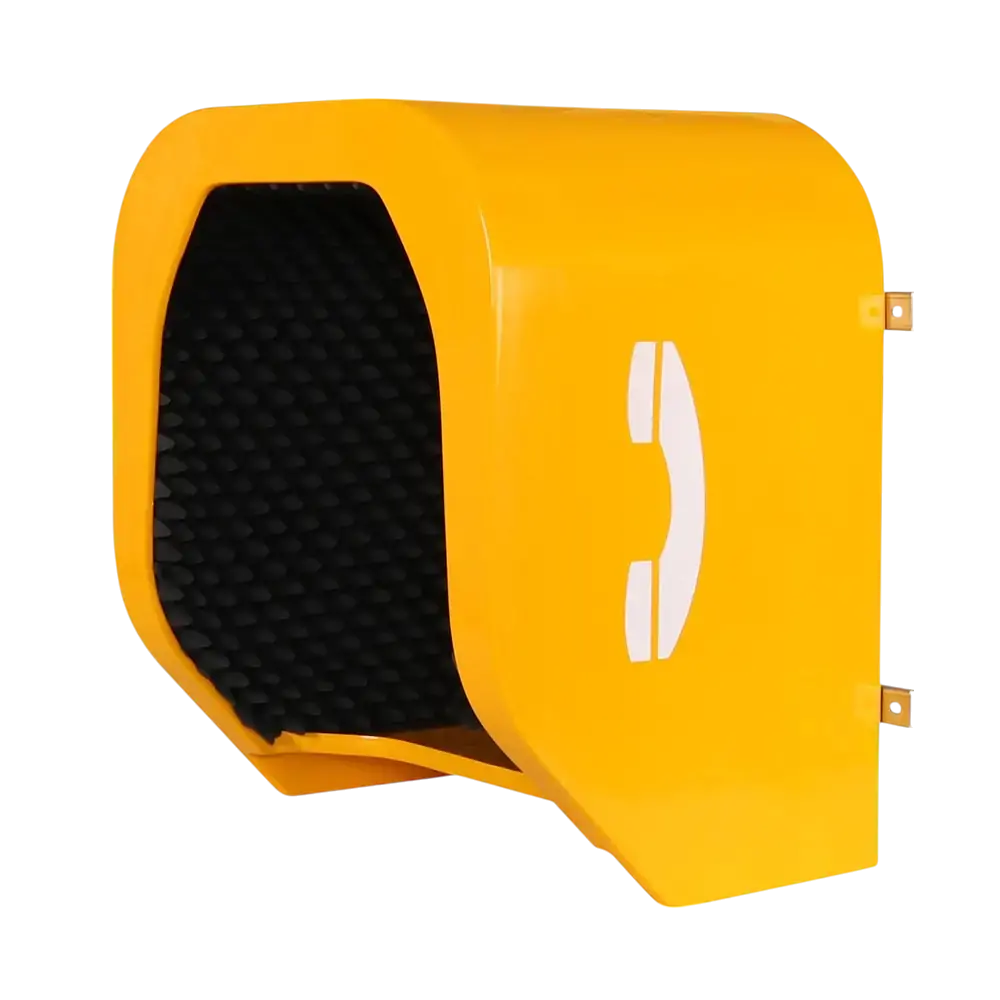
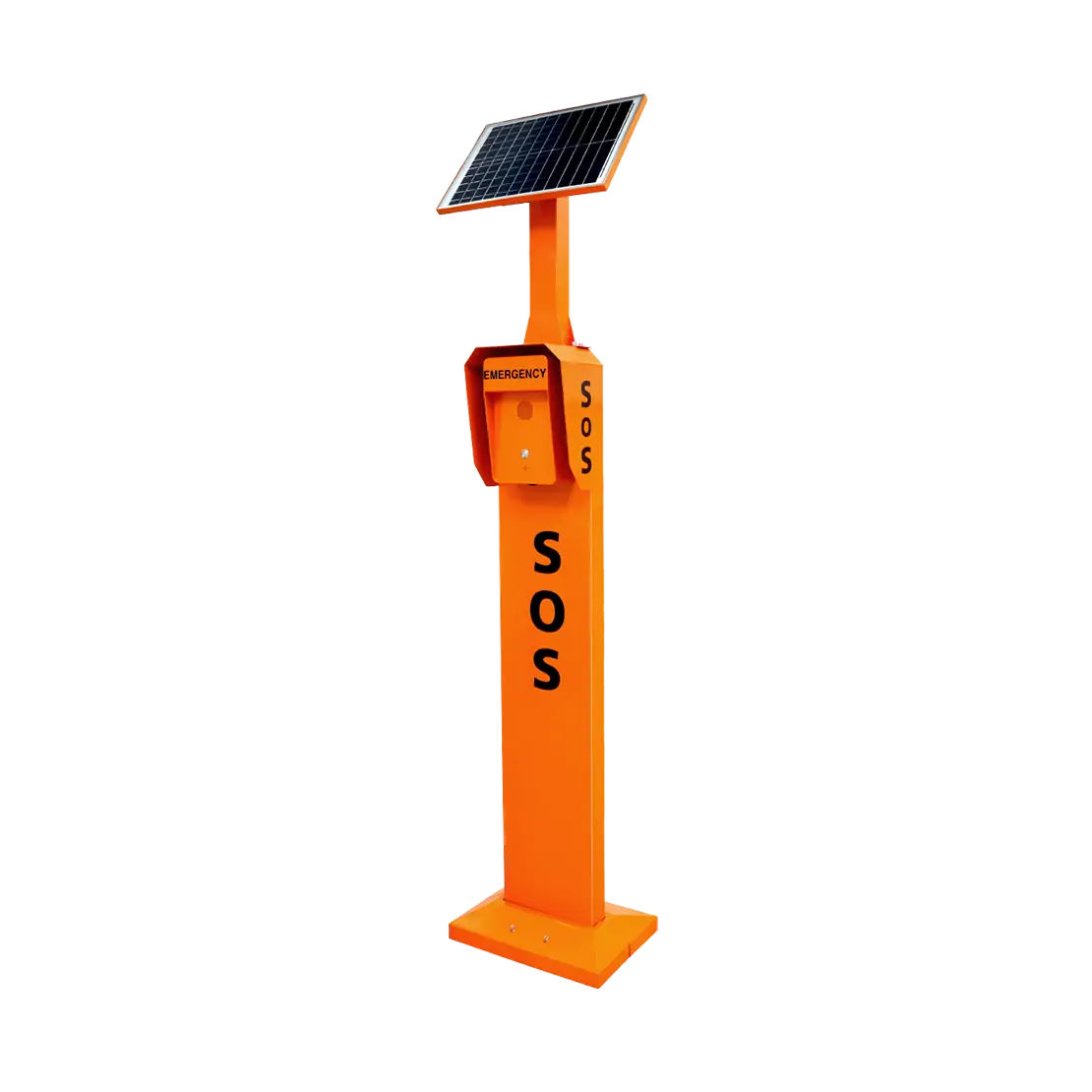
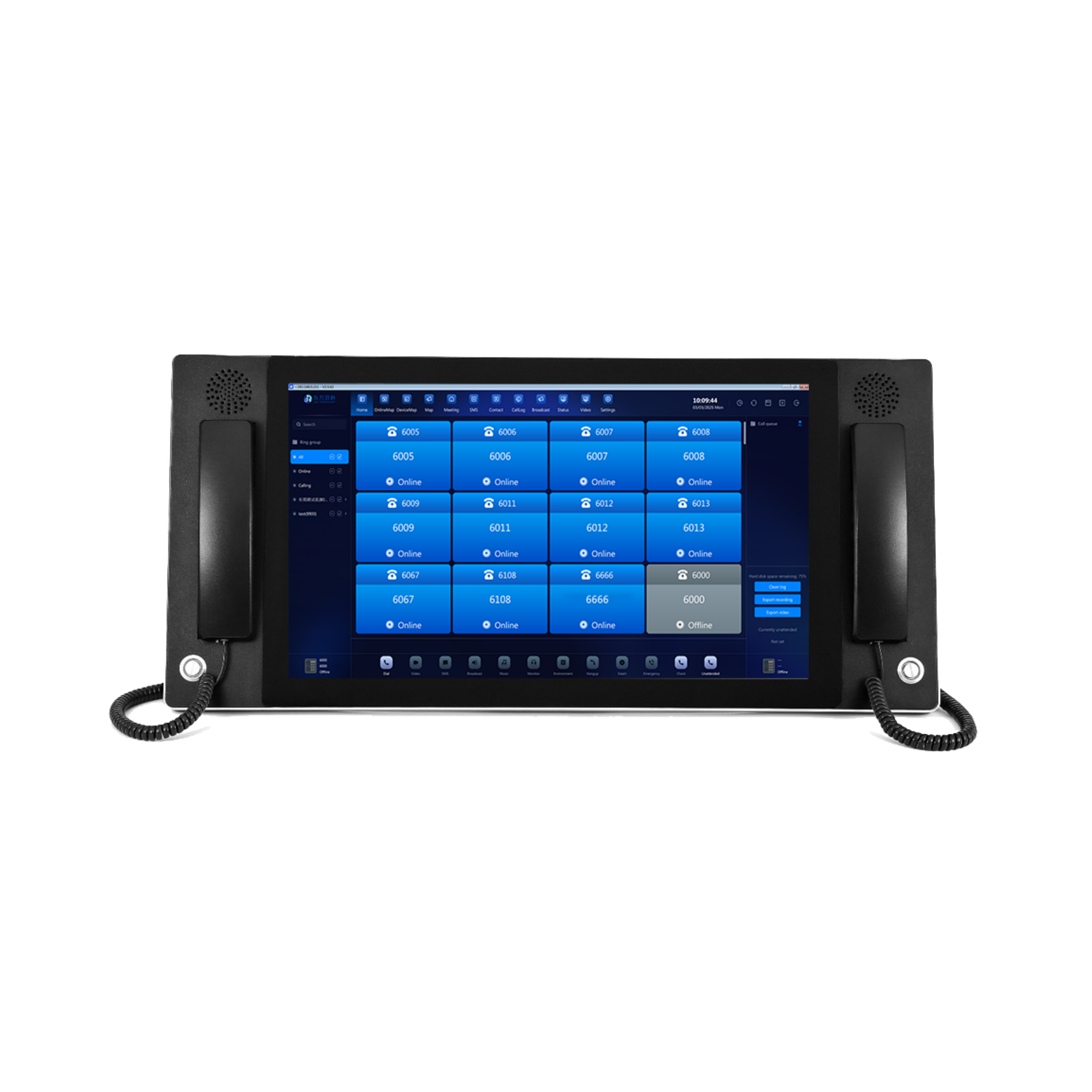
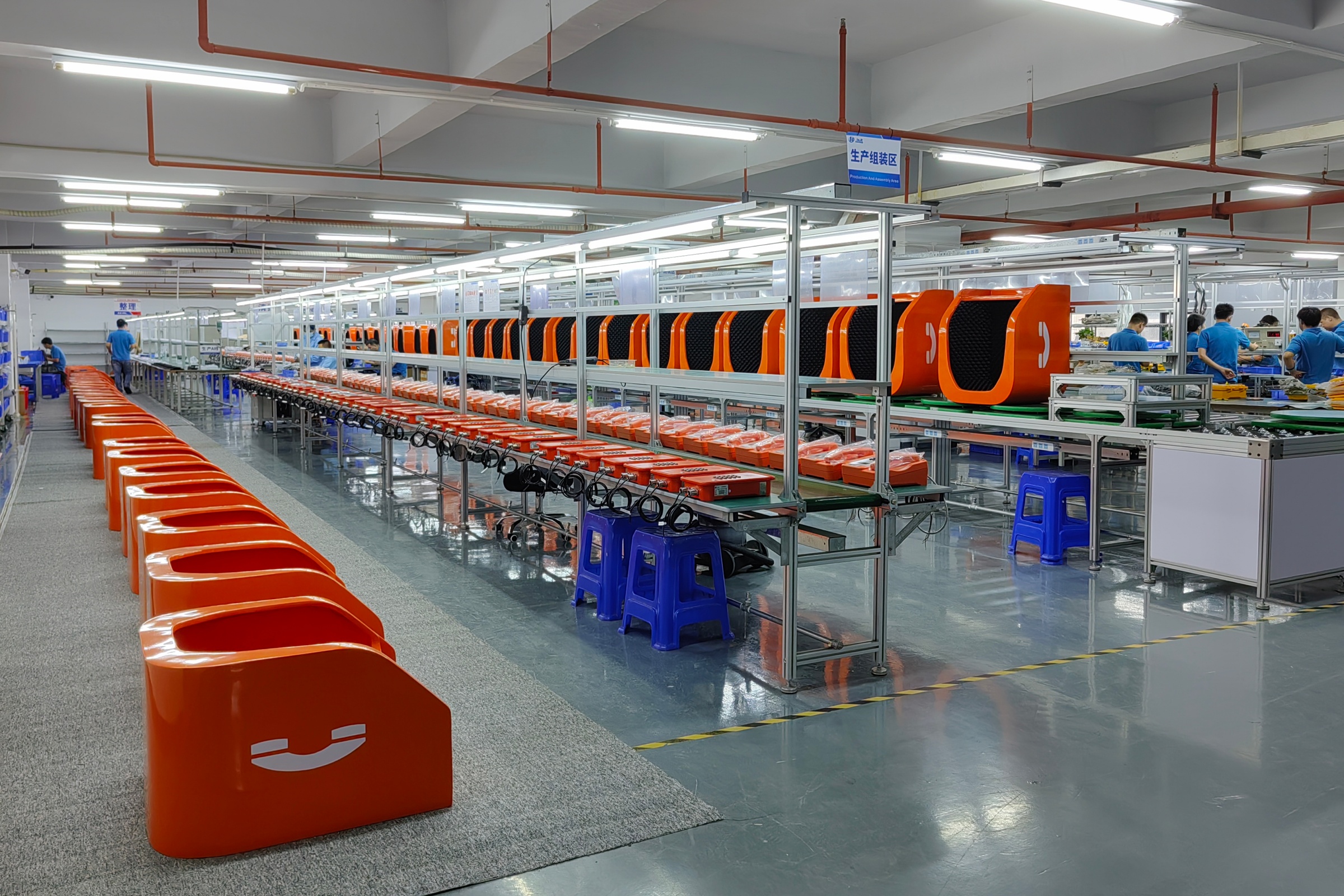
For example, hazardous-area telephones, intercoms, and paging systems from manufacturers like J&R Technology Ltd are built with sealed enclosures, anti-corrosion materials, and intrinsically safe circuits, enabling safe operation even in Zone 1 or Zone 2 environments.
These features directly reduce accident probability and improve emergency response time.
What Regulatory Requirements Do These Certifications Help Meet?
Compliance is often complex in hazardous industries. ATEX and IECEx certifications streamline approval processes by aligning with multiple regulations.
Certified equipment helps organizations meet:
-
European Union ATEX Directives
-
International IEC standards
-
Insurance and safety audits
-
Local hazardous-area installation codes
-
Oil & gas operational requirements
In sectors like petrochemical production or offshore drilling, certified devices are essential for maintaining oil gas connectivity while still adhering to strict safety mandates.
Without proper certification, projects may face delays, fines, or shutdown orders.
Therefore, using compliant equipment from the beginning saves time and reduces regulatory risk.
How to Choose and Maintain ATEX/IECEx Certified Equipment?
Selecting the right certified equipment requires more than checking labels. Proper evaluation ensures long-term safety and performance.
Selection Checklist
-
Confirm Zone classification (Zone 0/1/2 or 20/21/22)
-
Verify gas or dust group compatibility
-
Check temperature class rating
-
Ensure IP protection level
-
Review certification documents and markings
Maintenance Best Practices
-
Conduct routine inspections
-
Replace damaged seals or glands
-
Avoid unauthorized modifications
-
Keep certification records updated
-
Train personnel on safe installation
Even certified devices can become unsafe if improperly installed or poorly maintained. Regular servicing preserves both compliance and reliability.
Conclusion
ATEX and IECEx certifications form the foundation of safety in hazardous industrial environments. By enforcing strict testing, standardized design requirements, and clear labeling, these frameworks ensure that explosion-proof equipment operates without creating ignition risks.
Certified devices not only protect workers but also simplify regulatory compliance, reduce liability, and support uninterrupted operations.
For any facility working in explosive atmospheres, choosing properly certified equipment is not just best practice—it’s essential for safe and compliant operations.


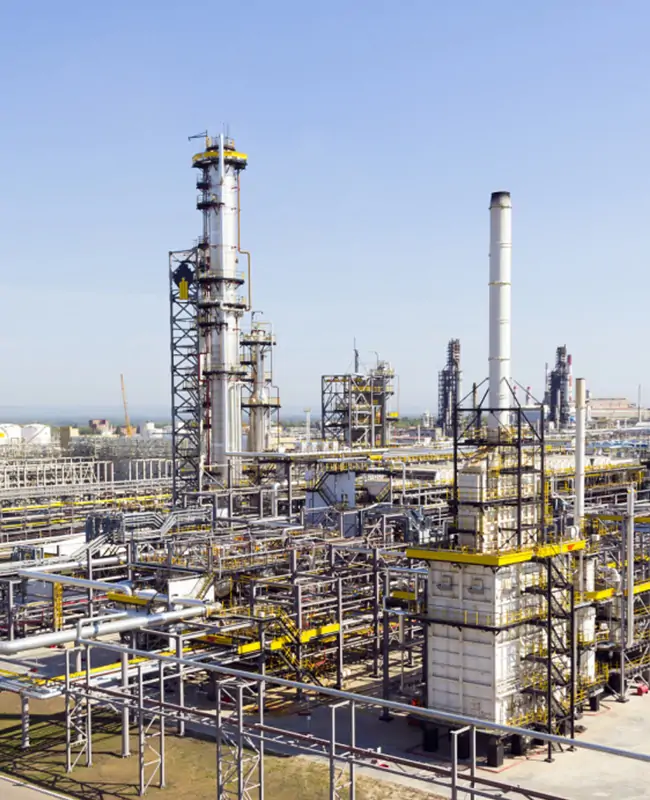 Petrochemical FacilitiesDetails
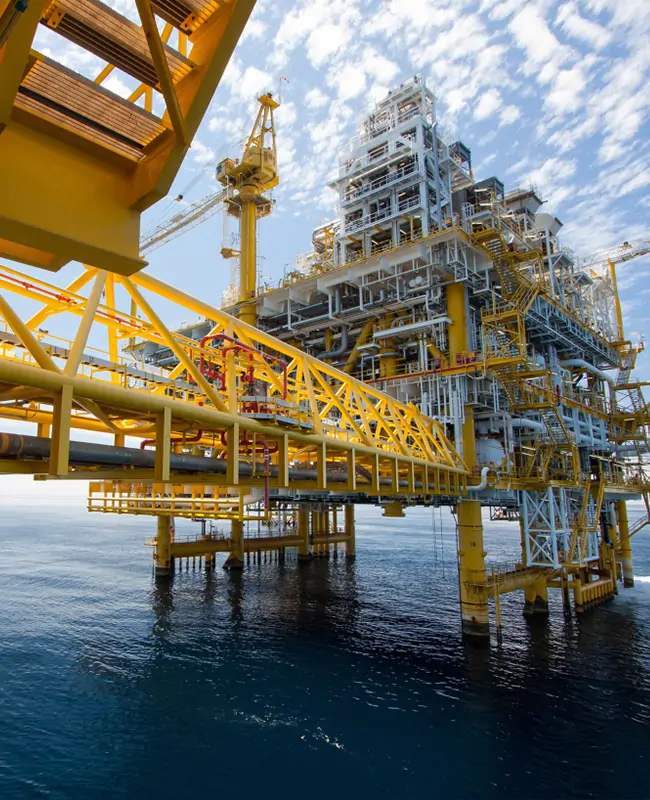 Offshore Oil Drilling PlatformsDetails
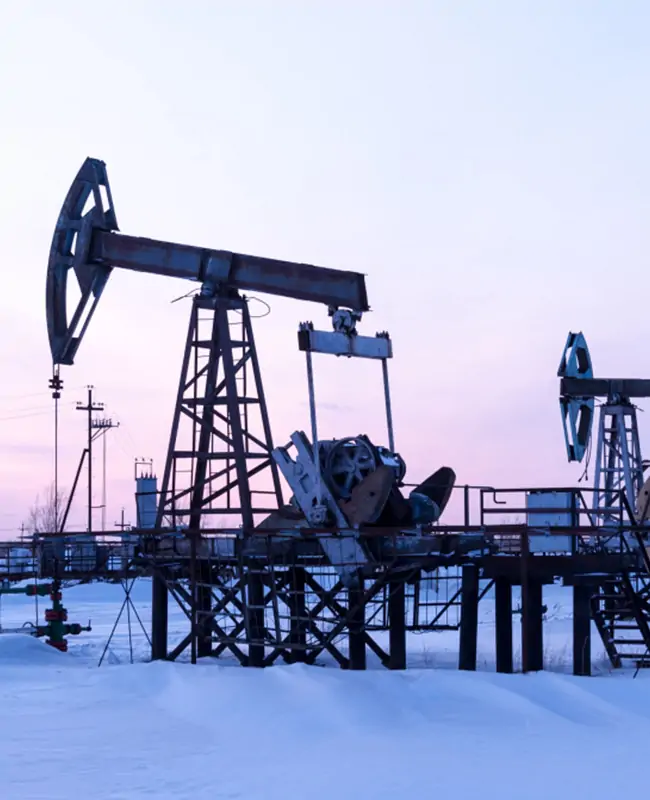 Onshore Oil PlatformsDetails
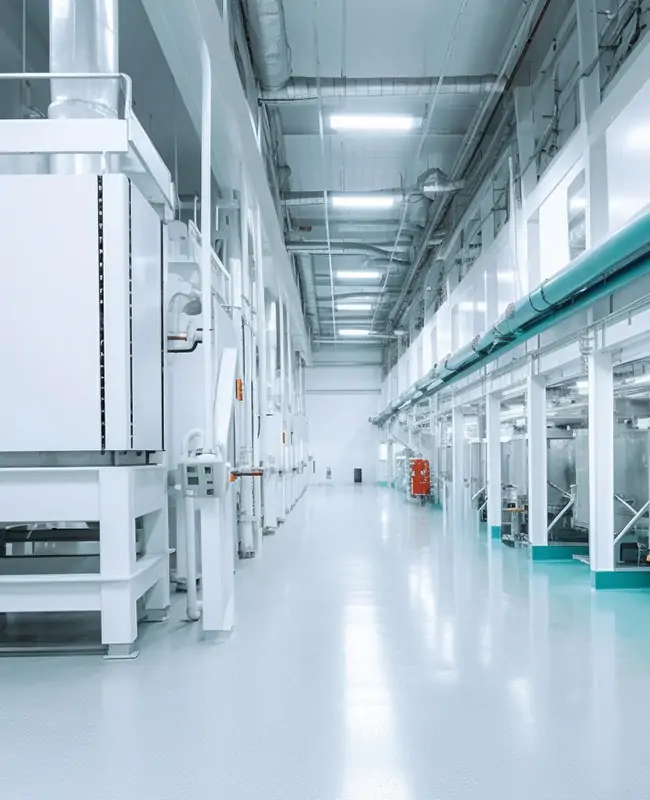 Industrial & Manufacturing FacilitiesDetails
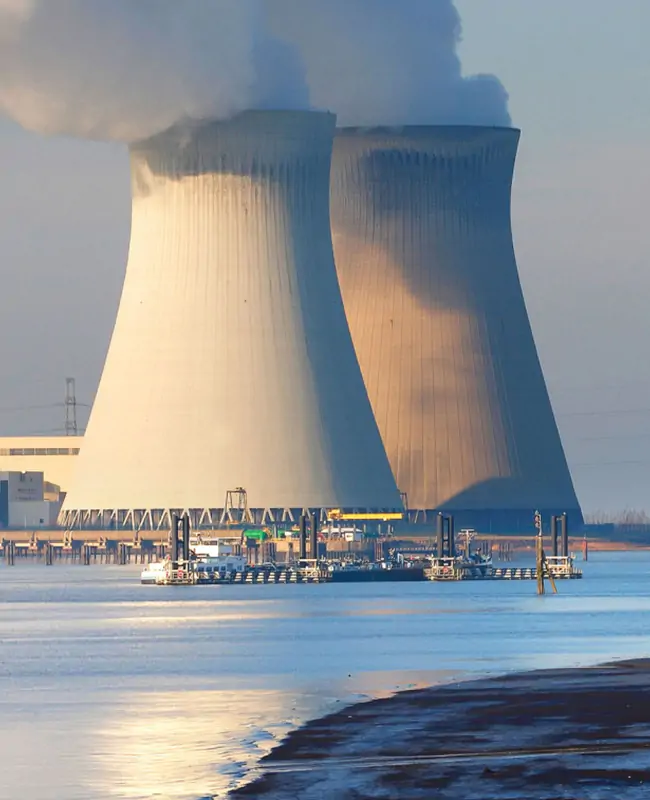 Nuclear Power PlantsDetails
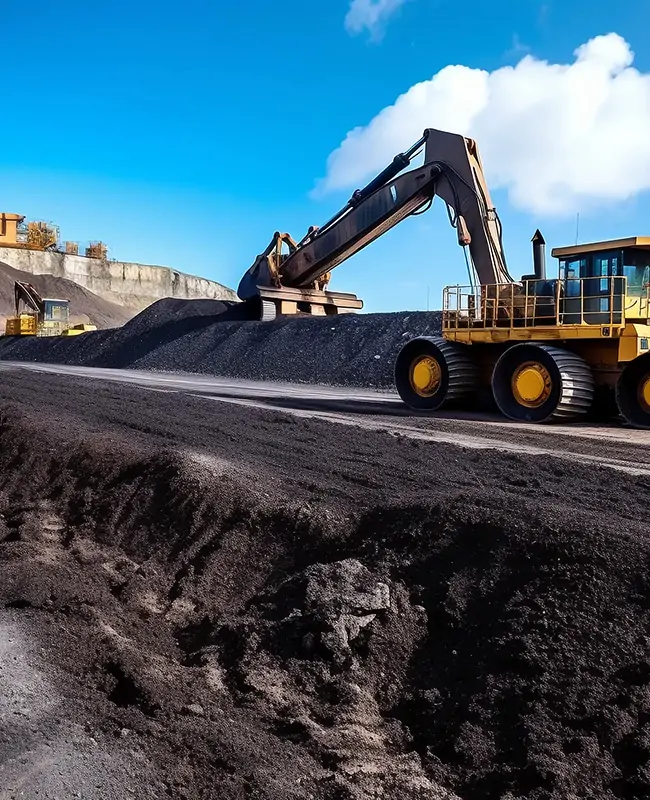 Mining Communication SystemsDetails
 Expressways & HighwaysDetails
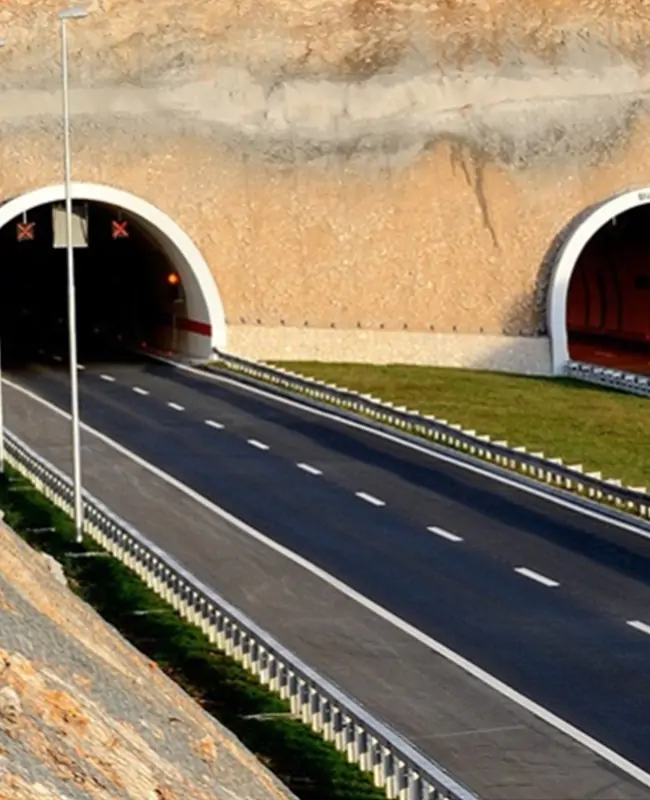 Utility TunnelsDetails
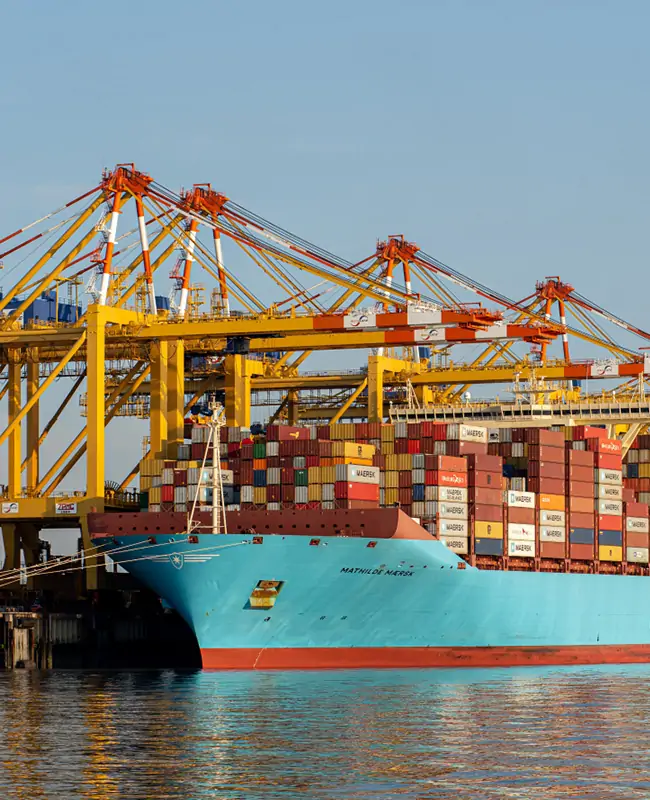 Heavy Machinery Zones (Cranes)Details
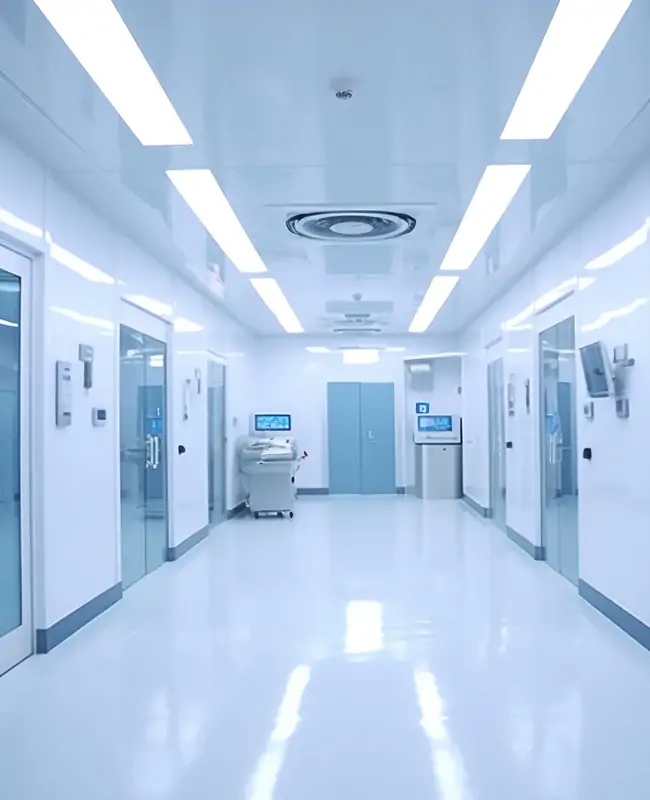 Pharmaceutical Plants & CleanroomsDetails
 Correctional FacilitiesDetails
 Healthcare & Campus FacilitiesDetails
 Smart CitiesDetails
 4G Communication SolutionsDetails
 Wind Power PlantsDetails