Industrial facilities today require faster, more flexible, and more reliable communication than ever before. From factories and warehouses to tunnels, ports, and energy plants, teams must coordinate in real time while maintaining safety and operational continuity.
This is where many operators start asking: what is VoIP communication, and why is it rapidly replacing traditional analog telephony in industrial environments?
Voice over Internet Protocol (VoIP) converts voice signals into digital data and transmits them over IP networks rather than legacy copper lines. The result is a unified, scalable, and cost-efficient communication platform that supports voice, paging, alarms, and even video—all within one system.
For modern industry, VoIP is not just a technology upgrade; it is a strategic foundation for smarter and safer operations.
VoIP Fundamentals
At its core, VoIP communication works by digitizing voice into data packets and sending them across an IP network, similar to emails or file transfers.
Unlike traditional PSTN or analog phone systems, VoIP offers several fundamental advantages:
-
No dedicated phone lines required
-
Lower long-distance and maintenance costs
-
Easy device expansion
-
Centralized management
-
Integration with other digital systems
For industrial sites, this means communication is no longer tied to fixed wiring. Phones, intercoms, and broadcast terminals can be deployed anywhere with network access, improving flexibility across large or changing facilities.
Because everything runs on IP, voice becomes part of the broader IT and operational technology ecosystem.
Protocols & Codecs
Reliable VoIP performance depends on standardized protocols and audio compression technologies.
Common Protocols
-
SIP (Session Initiation Protocol) – call setup and control
-
RTP (Real-Time Transport Protocol) – real-time voice delivery
-
TCP/UDP – network transport
SIP is particularly important in industrial deployments because it allows interoperability between different brands of phones, gateways, and dispatch systems.
Common Codecs
-
G.711 – high-quality, low compression
-
G.729 – bandwidth-efficient
-
Opus – adaptive, modern codec
Selecting the right codec balances audio clarity with bandwidth consumption, especially in remote or bandwidth-limited environments such as mines or offshore platforms.
Network Infrastructure
A stable network is the backbone of any successful VoIP system. Poor network design can result in latency, jitter, or packet loss, which directly affects call quality.
Industrial VoIP deployments typically include:
-
Fiber optic backbone networks
-
Industrial-grade switches
-
VLAN segmentation
-
Redundant links and ring topology
-
PoE (Power over Ethernet) for endpoint devices
These elements ensure low latency and high reliability, even during heavy network traffic or partial failures.
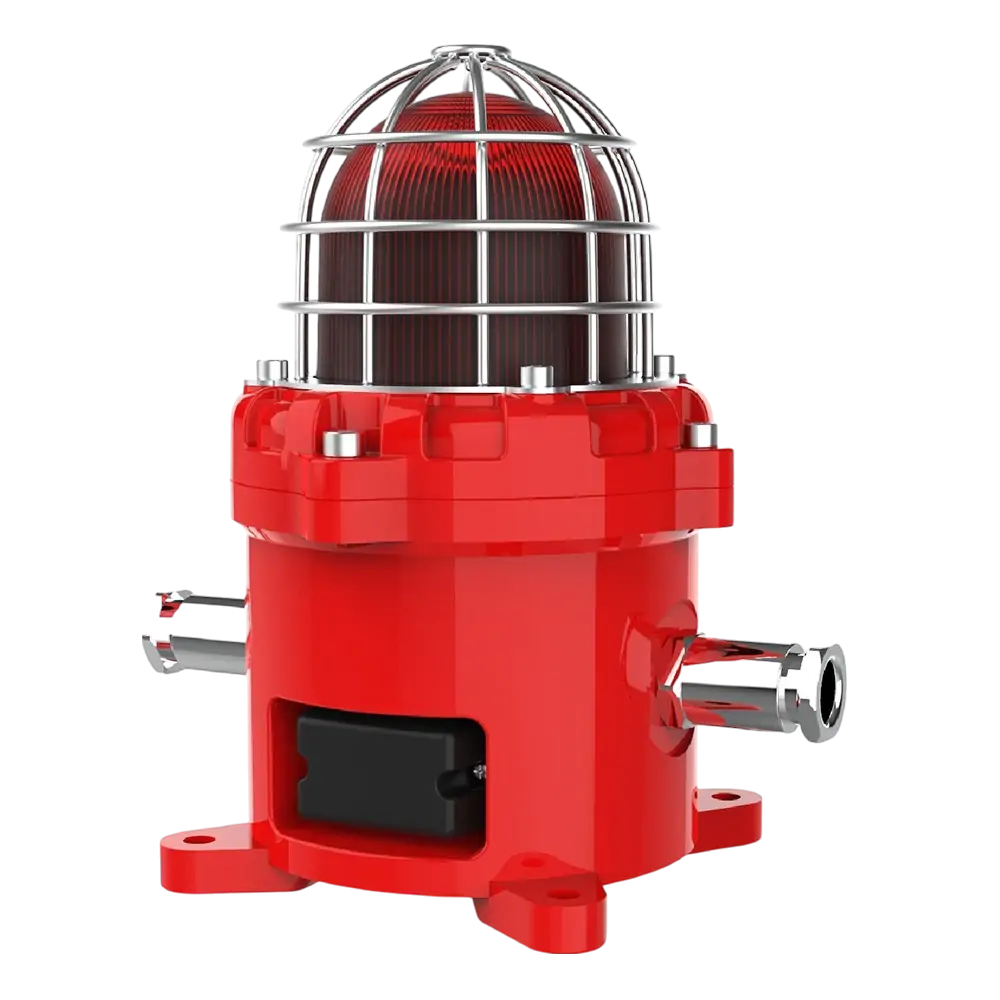
Many organizations integrate VoIP with their top rated emergency communication systems for manufacturing plants, enabling instant alarms, mass notifications, and priority calls during emergencies.
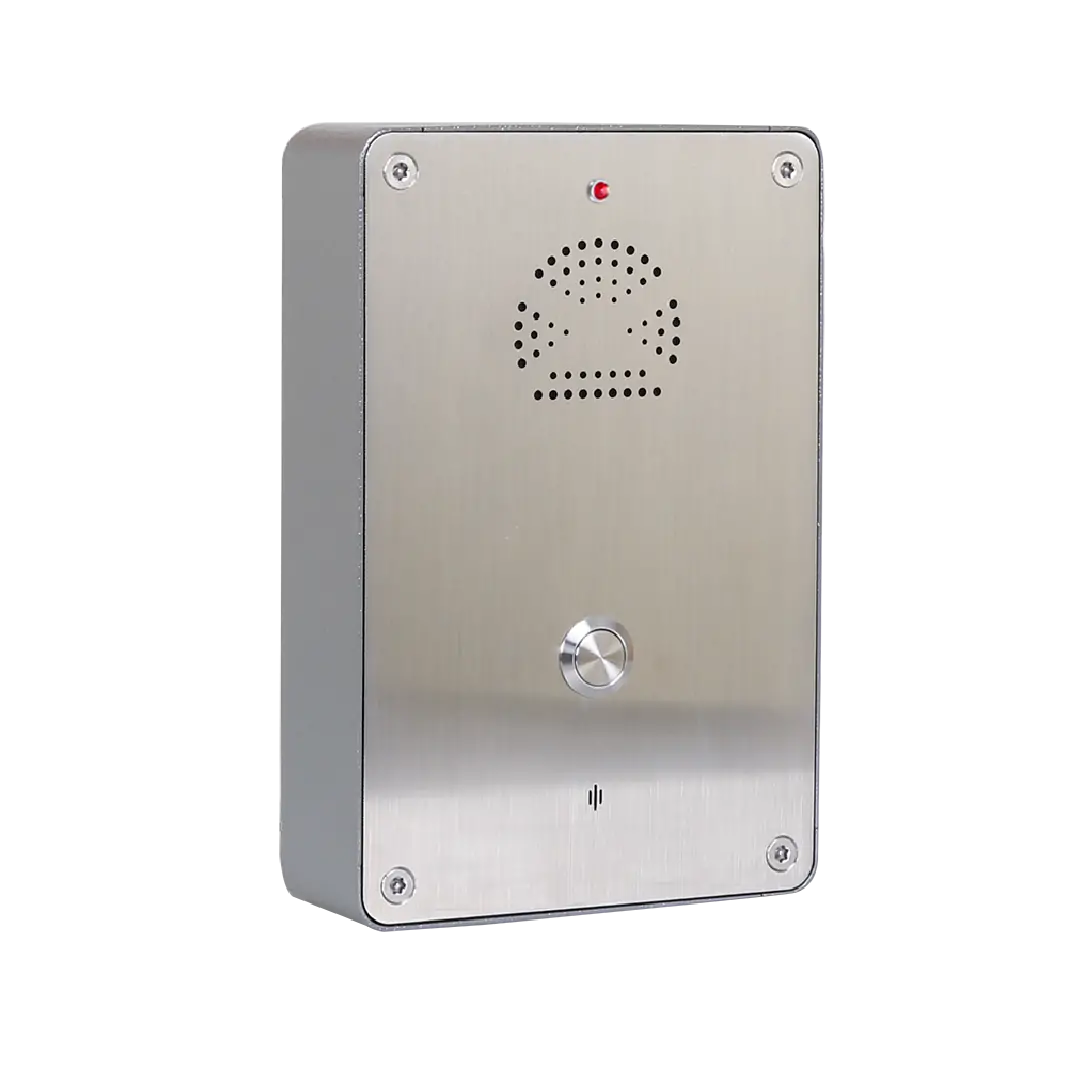
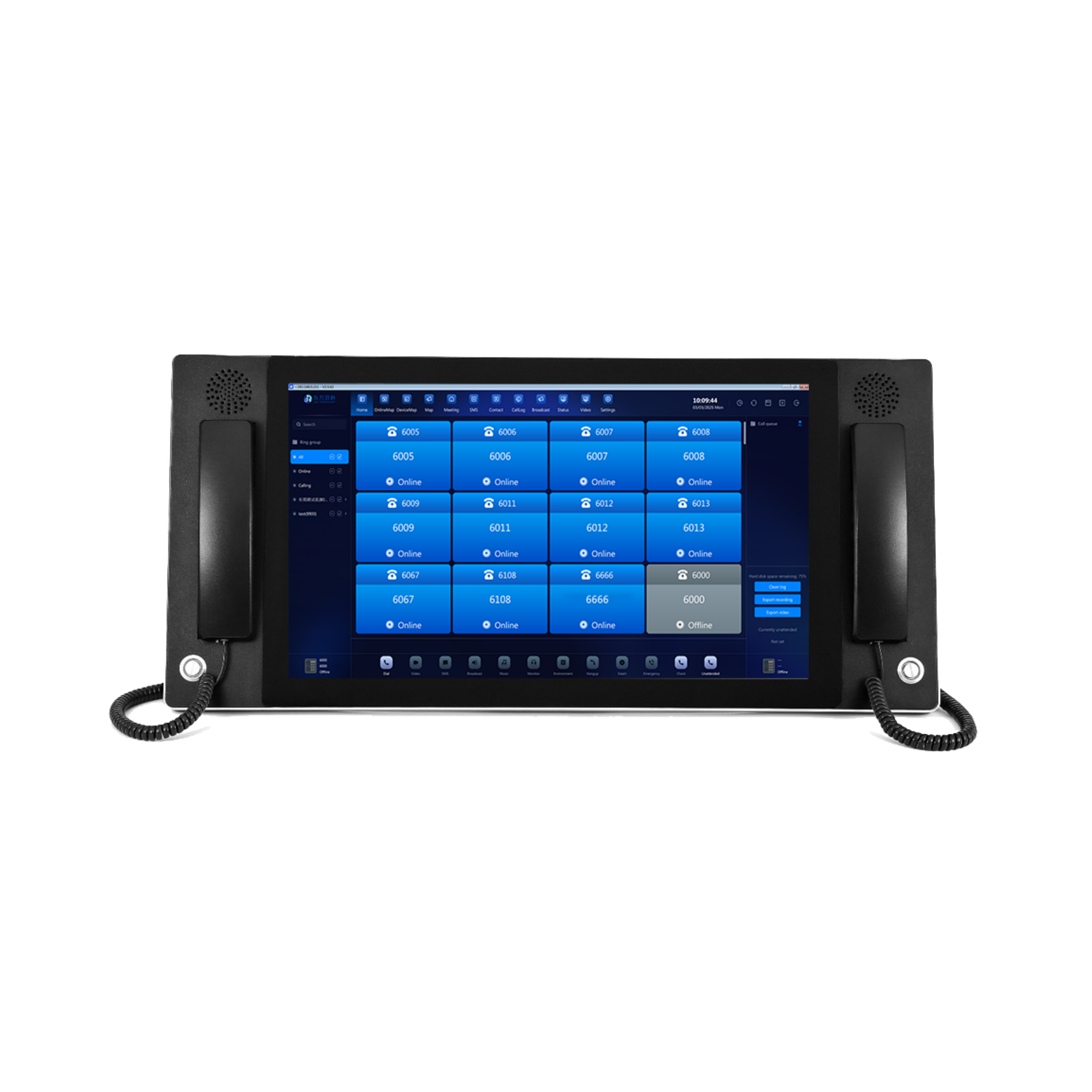
Manufacturers such as J&R Technology Ltd provide SIP-based industrial telephones and intercoms specifically engineered for these rugged network environments, combining IP connectivity with waterproof and explosion-proof designs.
Security Measures
Because VoIP operates over IP networks, cybersecurity becomes a critical concern.
Without proper protection, systems may face risks such as eavesdropping, unauthorized access, or service disruption.
Key security practices include:
-
Voice encryption (SRTP, TLS)
-
Firewall and VPN protection
-
Network segmentation
-
Strong authentication and access control
-
Continuous monitoring and logging
Industrial operators must treat voice traffic with the same security level as other critical data to ensure operational safety and compliance.
When properly secured, VoIP can be safer and more controllable than legacy analog systems.
Industry Applications
VoIP communication has become standard across multiple industrial sectors.
Manufacturing Plants
Connect production lines, control rooms, and maintenance teams with instant paging and emergency calls.
Energy & Utilities
Support dispatch centers, substations, and hazardous zones with rugged SIP phones.
Mining & Tunnels
Integrate with fiber and wireless backbones to maintain underground connectivity.
Ports & Logistics
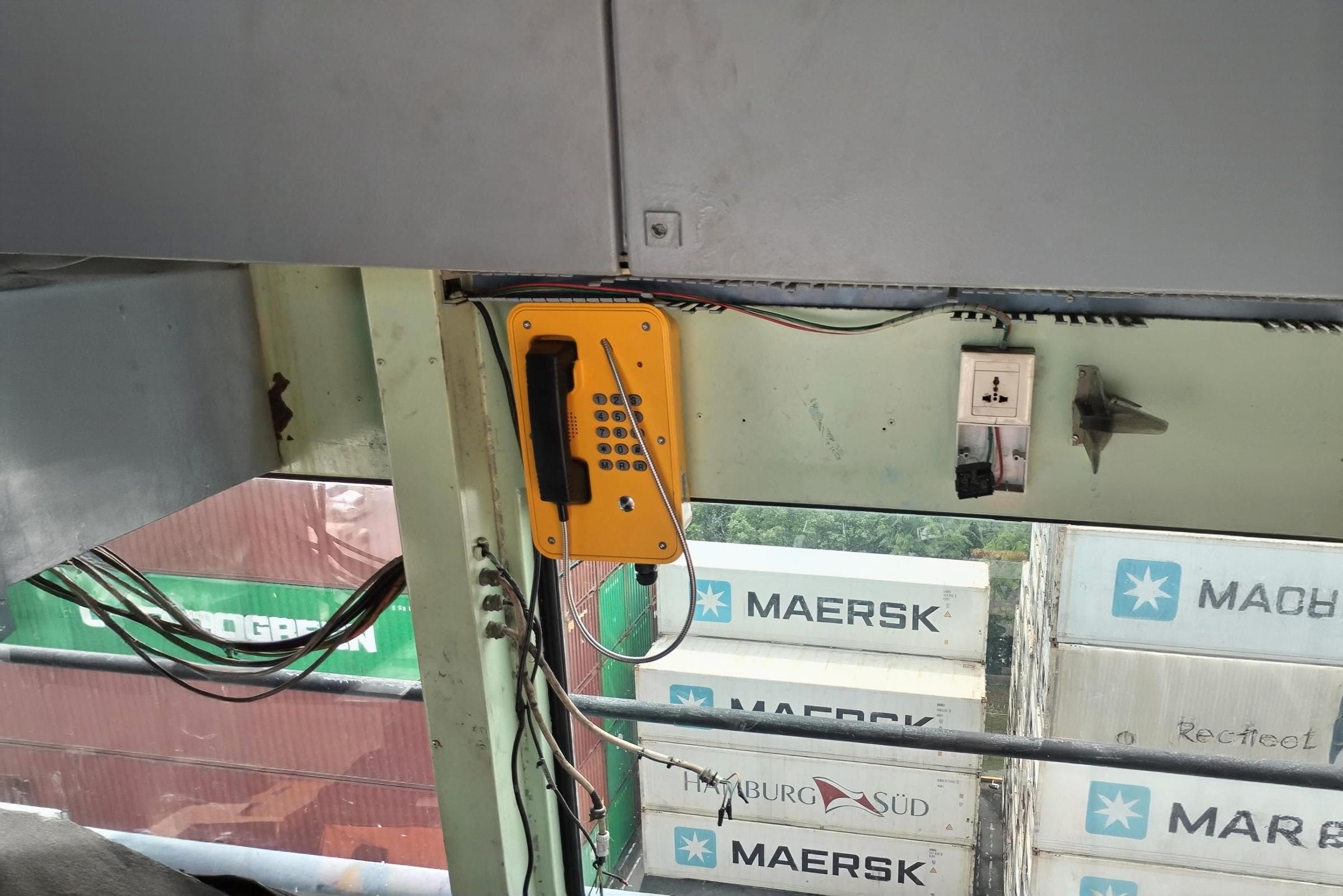
Enable wide-area coordination between cranes, yards, and operations centers.
Public Safety & Emergency Systems
Provide priority voice channels and rapid response communication.
By converging voice, alarms, and monitoring into one platform, VoIP reduces infrastructure complexity while increasing responsiveness and reliability.
Conclusion
So, what is VoIP communication in the context of industry? It is far more than internet calling. It is a scalable, secure, and future-ready communication architecture that replaces fragmented legacy systems with one unified network.
With lower costs, easier expansion, and seamless integration into industrial control environments, VoIP empowers organizations to communicate faster, operate smarter, and respond to emergencies more effectively.
For facilities planning modernization or digital transformation, adopting VoIP is a practical first step toward building a resilient and intelligent communication infrastructure.


 Petrochemical FacilitiesDetails
 Offshore Oil Drilling PlatformsDetails
 Onshore Oil PlatformsDetails
 Industrial & Manufacturing FacilitiesDetails
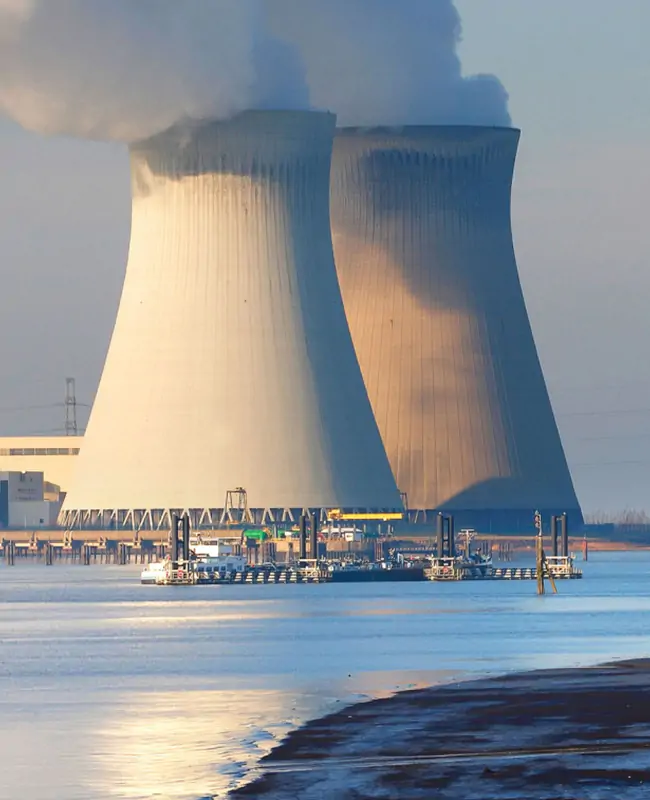 Nuclear Power PlantsDetails
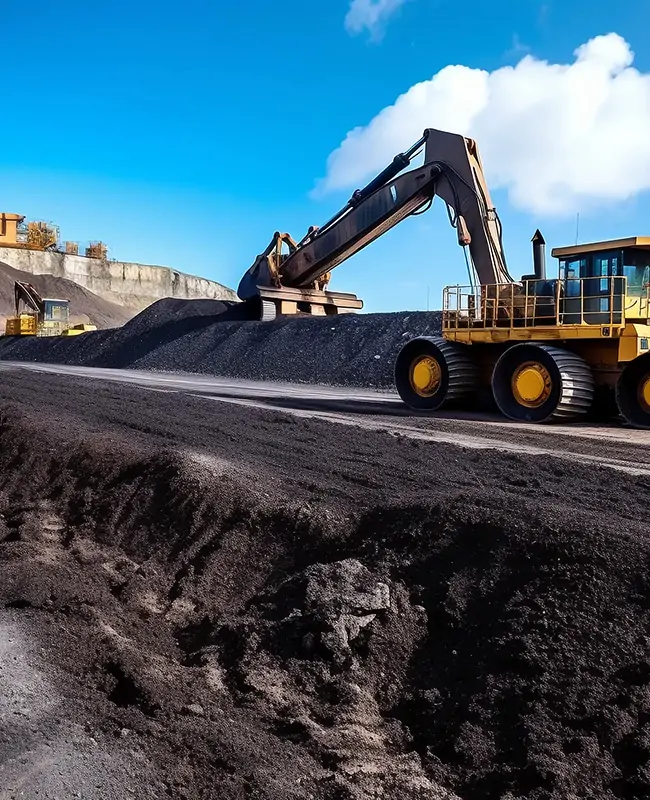 Mining Communication SystemsDetails
 Expressways & HighwaysDetails
 Utility TunnelsDetails
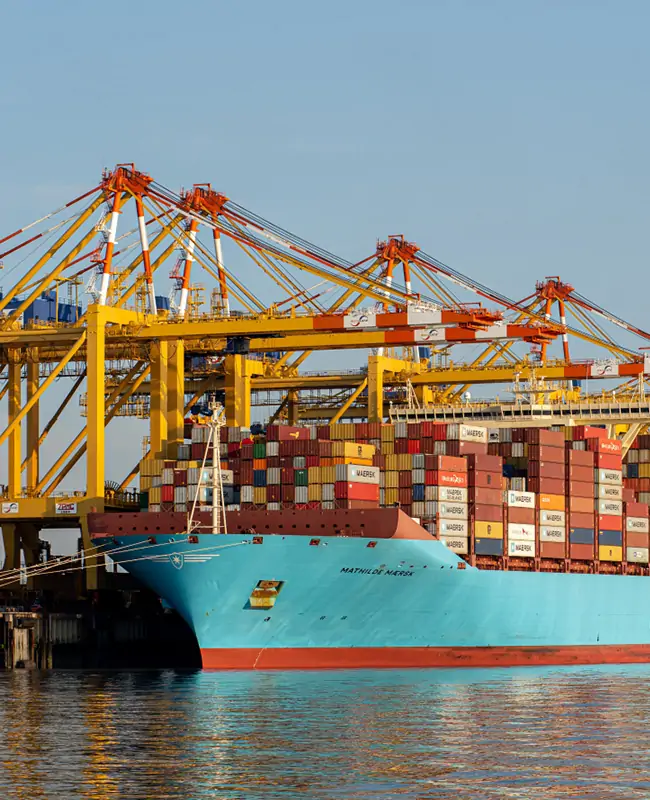 Heavy Machinery Zones (Cranes)Details
 Pharmaceutical Plants & CleanroomsDetails
 Correctional FacilitiesDetails
 Healthcare & Campus FacilitiesDetails
 Smart CitiesDetails
 4G Communication SolutionsDetails
 Wind Power PlantsDetails