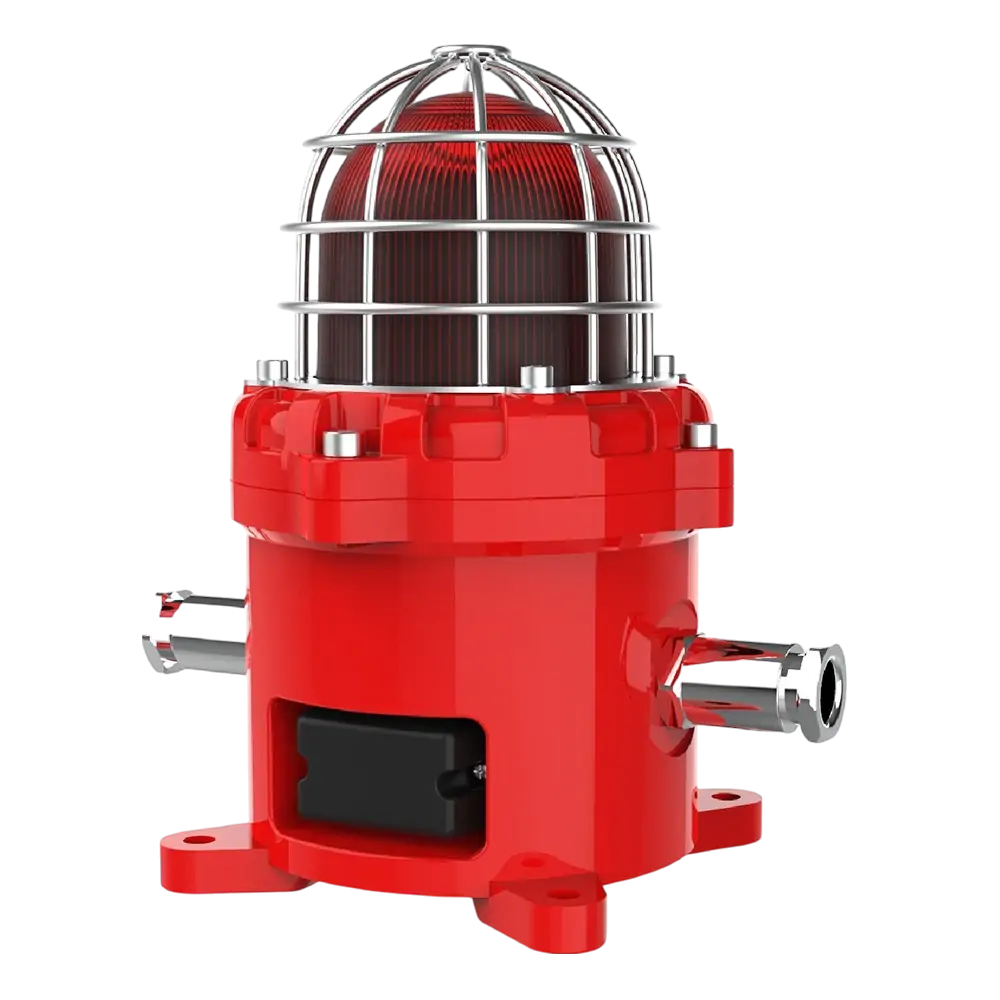
When specifying equipment for explosive or hazardous environments—such as oil refineries, chemical plants, mining tunnels, or offshore platforms—certification is not optional. Compliance directly impacts worker safety, legal approval, and project acceptance.
A common question among engineers, procurement teams, and system integrators is: what is the difference between ATEX and IECEx certification?
Both standards validate explosion-proof or intrinsically safe equipment, but they differ in geographic applicability, regulatory structure, and certification processes. Understanding these differences helps companies select the most efficient path for global deployment while maintaining compliance.
For manufacturers of industrial communication devices—including explosion-proof telephones, paging systems, and signaling equipment—companies like J&R Technology Ltd routinely evaluate both certifications to support international projects.
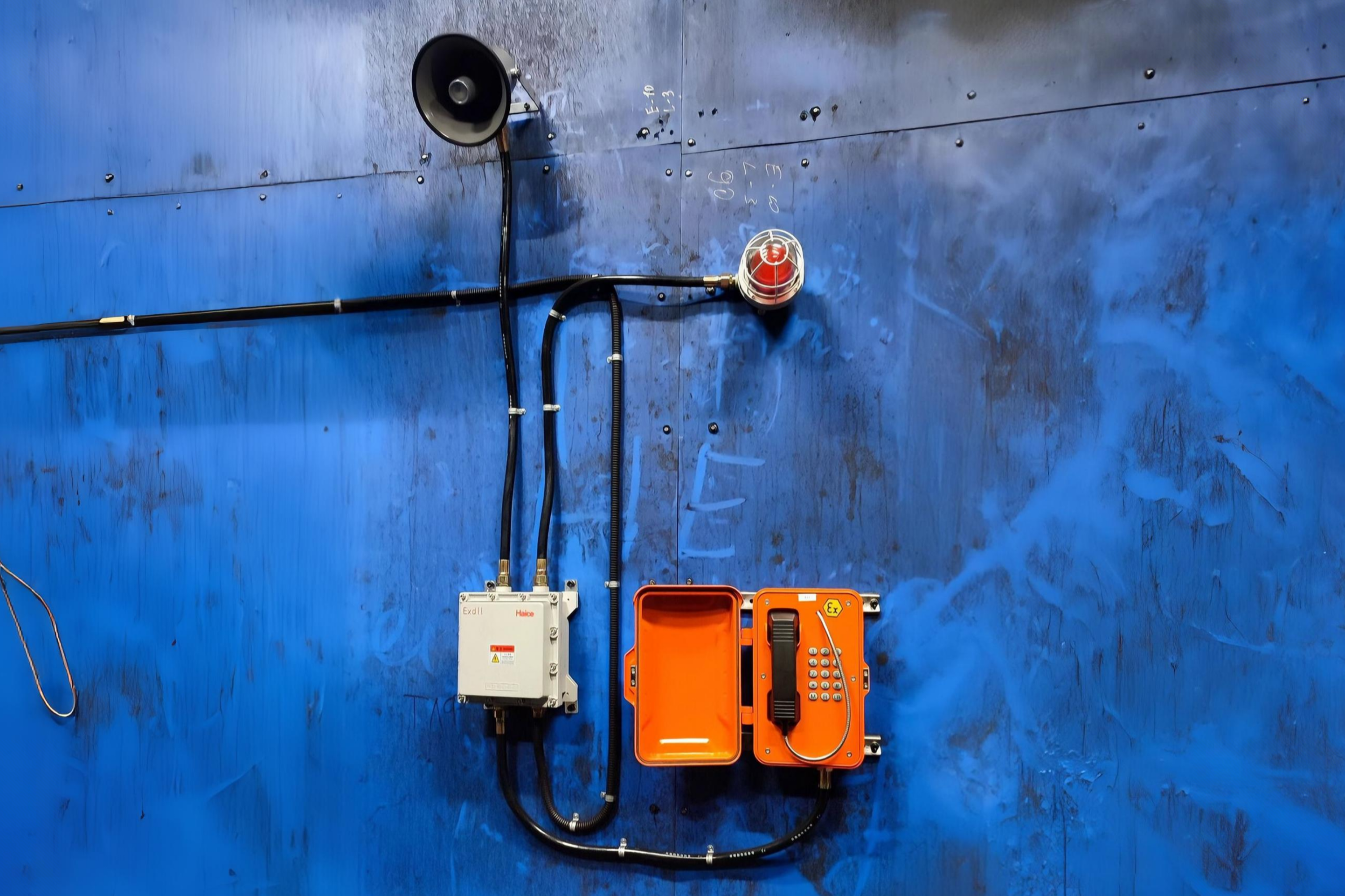
Certification Scope
The first distinction lies in regulatory scope and legal framework.
ATEX is a European regulatory directive. It is legally mandatory for equipment sold or installed within the European Union. It consists of:
ATEX covers both:
IECEx, by contrast, is a voluntary international certification scheme based on standards published by the International Electrotechnical Commission. It focuses primarily on equipment conformity and manufacturer quality systems rather than regional legislation.
In simple terms:
Test Methods
From a technical standpoint, both certifications rely heavily on the same core standards.
Both ATEX and IECEx use the IEC 60079 series for:
-
Explosion protection concepts (Ex d, Ex e, Ex i, etc.)
-
Flameproof enclosures
-
Intrinsic safety
-
Dust ignition protection
-
Temperature classification
Testing procedures are often nearly identical and may even be conducted by the same accredited laboratories.
However, procedural differences exist:
ATEX testing includes:
-
EU Notified Body involvement
-
EU-type examination certificate
-
Declaration of Conformity
-
CE marking
IECEx testing includes:
IECEx documentation is typically more standardized and easier to reuse across multiple countries, which can reduce duplicated testing.
Marking & Labeling
Marking is another practical difference engineers frequently notice.
ATEX labels include:
-
CE mark
-
Ex symbol
-
Equipment group/category
-
Directive references
-
Notified Body number
Example:
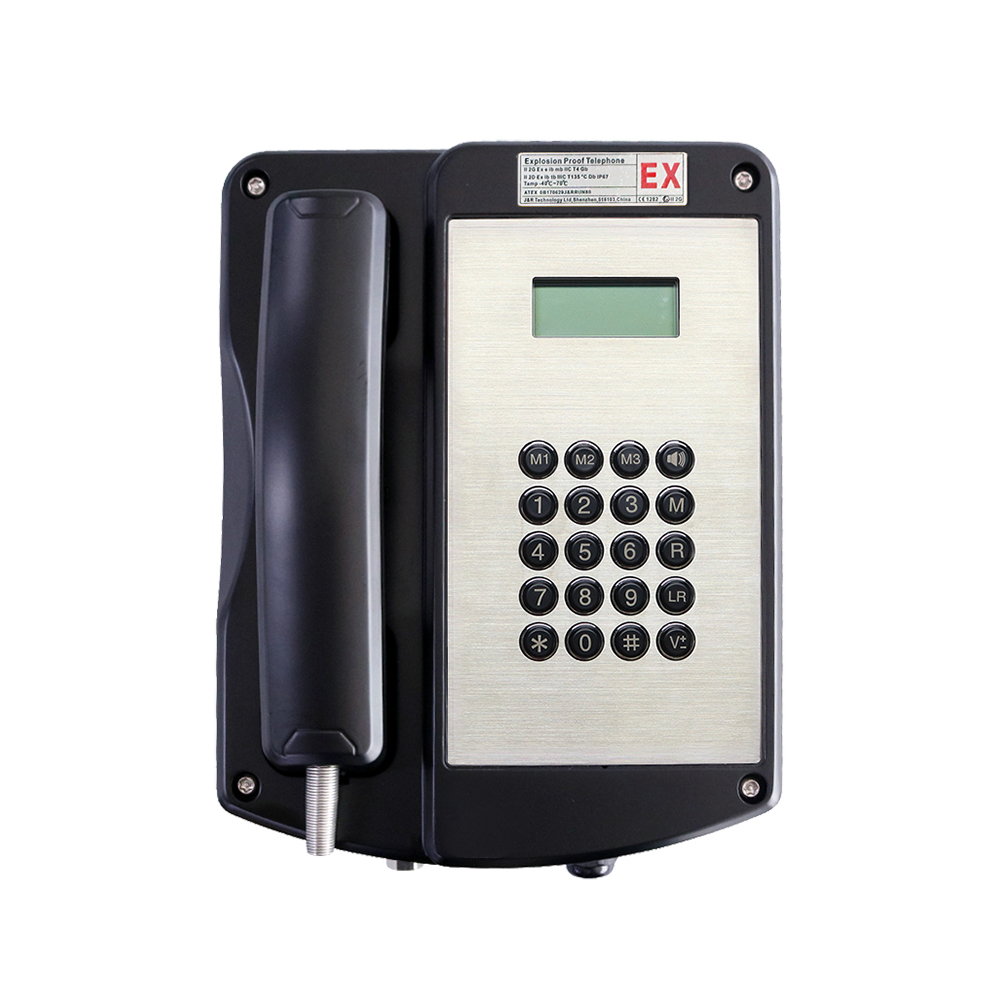
CE 0081 Ex II 2G Ex db IIC T6 Gb
IECEx labels include:
Example:
Ex db IIC T6 Gb IECEx ABC 21.0001X
IECEx markings are generally cleaner and globally interpretable, while ATEX markings emphasize EU regulatory compliance.
Regional vs Global
Geographic acceptance is often the decisive factor when choosing between the two.
ATEX acceptance:
IECEx acceptance:
Although IECEx is not legally mandatory in most countries, many regulators accept it as proof of compliance or use it to streamline local approvals.
For multinational projects—such as offshore oil platforms or cross-border industrial infrastructure—IECEx often reduces certification complexity.
If your project involves multiple regions or export markets, IECEx generally provides broader flexibility.
For more fundamentals, you may first review what is hazardous area to understand why explosion protection classifications are required.
Compliance Checklist
To determine the right certification path, use this quick decision framework:
Choose ATEX when:
Choose IECEx when:
-
Targeting global or multi-country projects
-
Seeking faster cross-border approvals
-
Reducing repeated testing costs
-
Needing internationally recognized documentation
Choose both when:
-
Serving both European and international markets
-
Supplying large EPC or oil & gas contractors
-
Providing high-risk equipment such as explosion-proof telephones, speakers, or intercom systems
Many industrial communication manufacturers pursue dual certification to maximize market access and customer confidence.
Conclusion
So, what is the difference between ATEX and IECEx certification?
At a technical level, they share similar testing foundations. The real differences lie in regulatory authority, geographic recognition, documentation, and market strategy.
-
ATEX ensures legal compliance in Europe
-
IECEx facilitates global acceptance
-
Dual certification offers the broadest coverage
For hazardous-area equipment, choosing the correct certification path early can save time, reduce costs, and prevent project delays.
If your products operate in explosive atmospheres, certification is not just paperwork—it is a critical safety and market-access requirement.


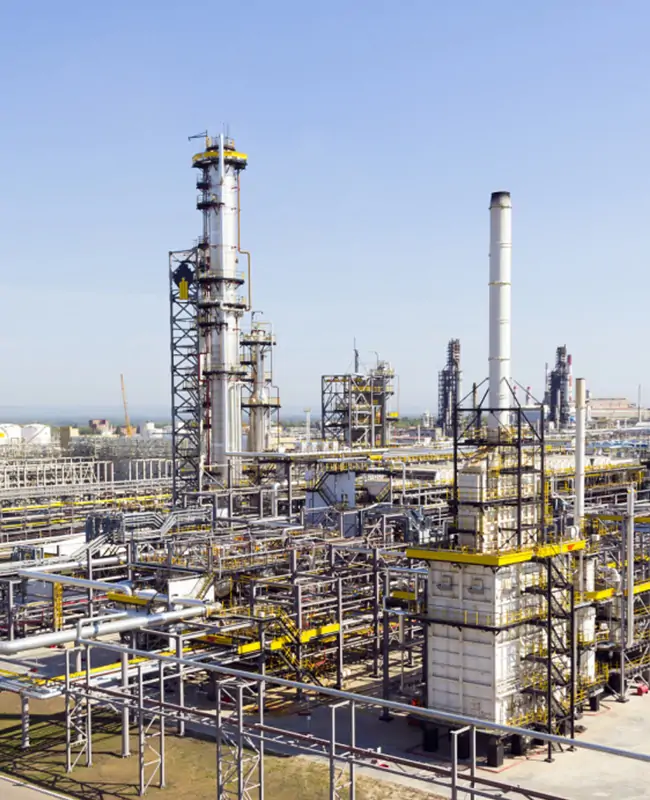 Petrochemical FacilitiesDetails
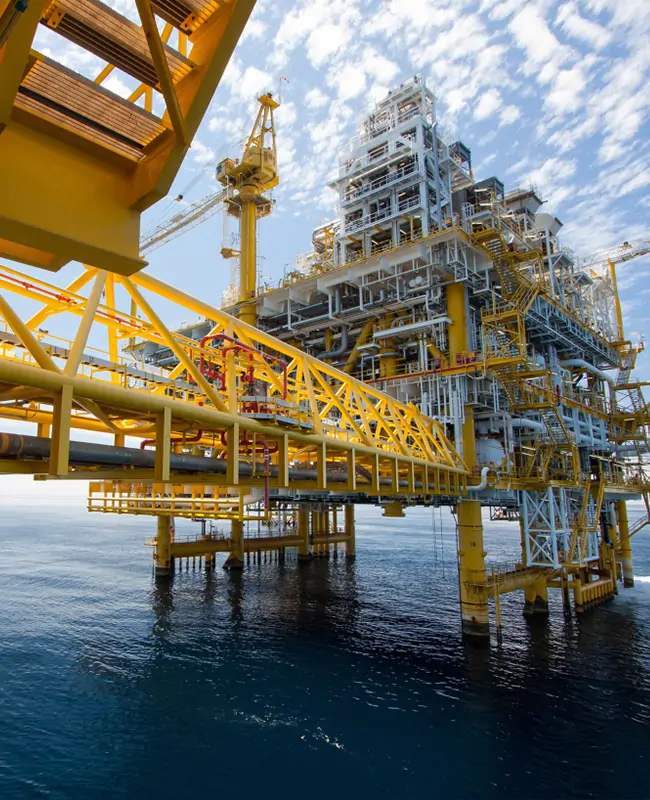 Offshore Oil Drilling PlatformsDetails
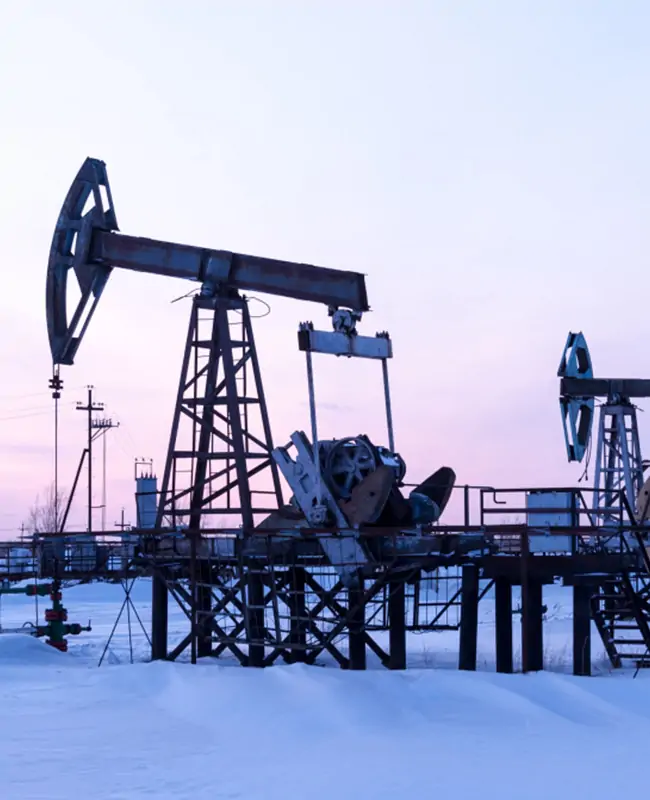 Onshore Oil PlatformsDetails
 Industrial & Manufacturing FacilitiesDetails
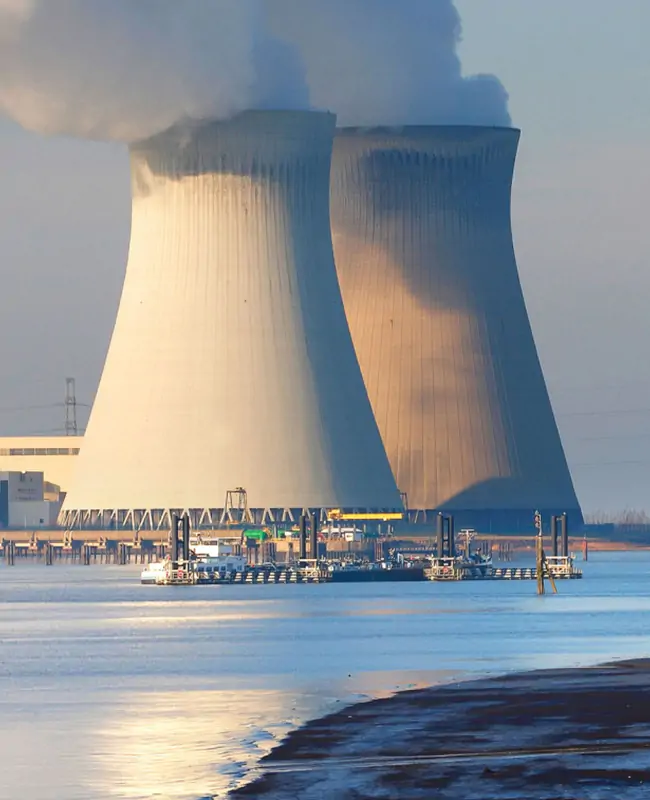 Nuclear Power PlantsDetails
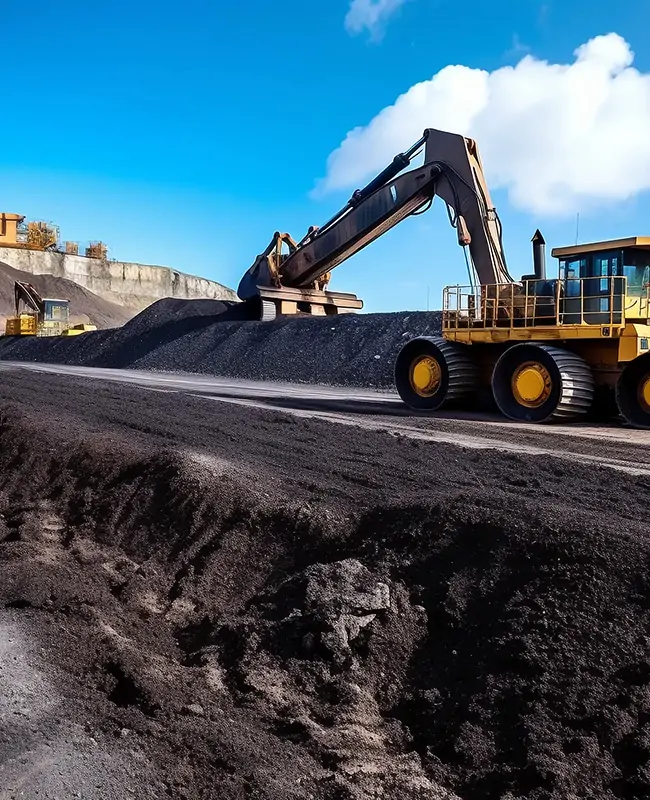 Mining Communication SystemsDetails
 Expressways & HighwaysDetails
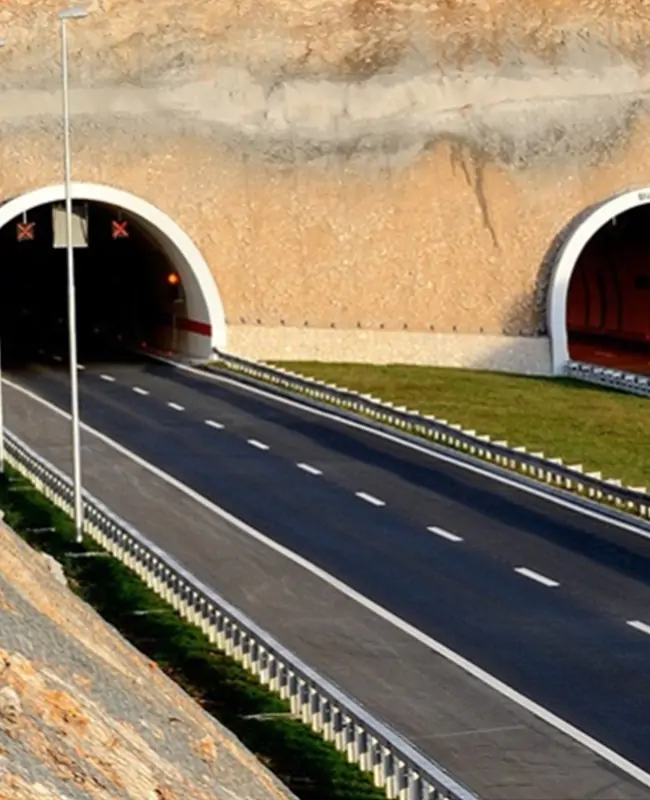 Utility TunnelsDetails
 Heavy Machinery Zones (Cranes)Details
 Pharmaceutical Plants & CleanroomsDetails
 Correctional FacilitiesDetails
 Healthcare & Campus FacilitiesDetails
 Smart CitiesDetails
 4G Communication SolutionsDetails
 Wind Power PlantsDetails