Explore how industrial broadcast telephones provide reliable communication amid heavy machinery noise in ports and docks.
Ports and dockyards operate in some of the most demanding industrial environments in the world. Continuous crane movements, container handling, truck traffic, and vessel loading create extreme noise levels and harsh weather exposure. In these conditions, ordinary communication tools often fail.
An industrial intercom system built around broadcast telephones provides a dependable alternative. By combining high-volume audio output, ruggedized construction, and centralized control, these systems ensure that critical messages are heard instantly—protecting both personnel safety and operational efficiency.
As a specialist manufacturer such as J&R Technology Ltd demonstrates, purpose-built industrial communication devices are now a standard requirement for modern port infrastructure.
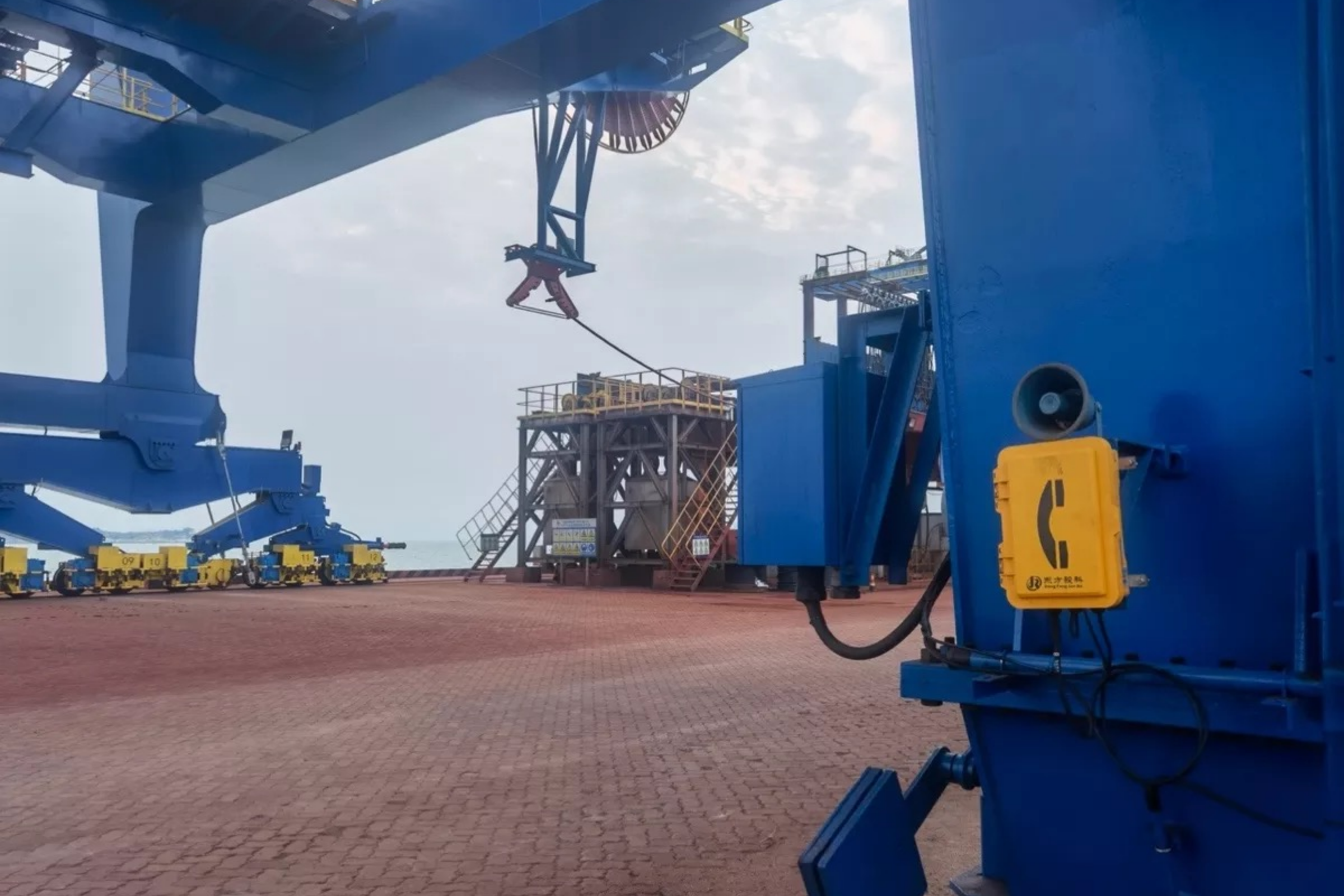
What Communication Challenges Exist in Port Heavy Machinery Zones?
Port heavy machinery zones present unique operational risks. Sound levels commonly exceed 90–110 dB due to:
-
Ship engines and generators
-
Container cranes and gantries
-
Forklifts and heavy trucks
-
Continuous loading and unloading operations
Under these conditions, mobile phones, handheld radios, or consumer PA systems suffer from signal loss, distortion, or inaudible alerts. Miscommunication can result in delayed coordination, equipment damage, or even accidents.
Additionally, environmental factors intensify the problem:
-
Salt spray corrosion
-
High humidity
-
Dust and debris
-
Vibration and impact
These variables demand communication equipment specifically engineered for industrial resilience.
Why Are Industrial Broadcast Telephones Essential in These Environments?
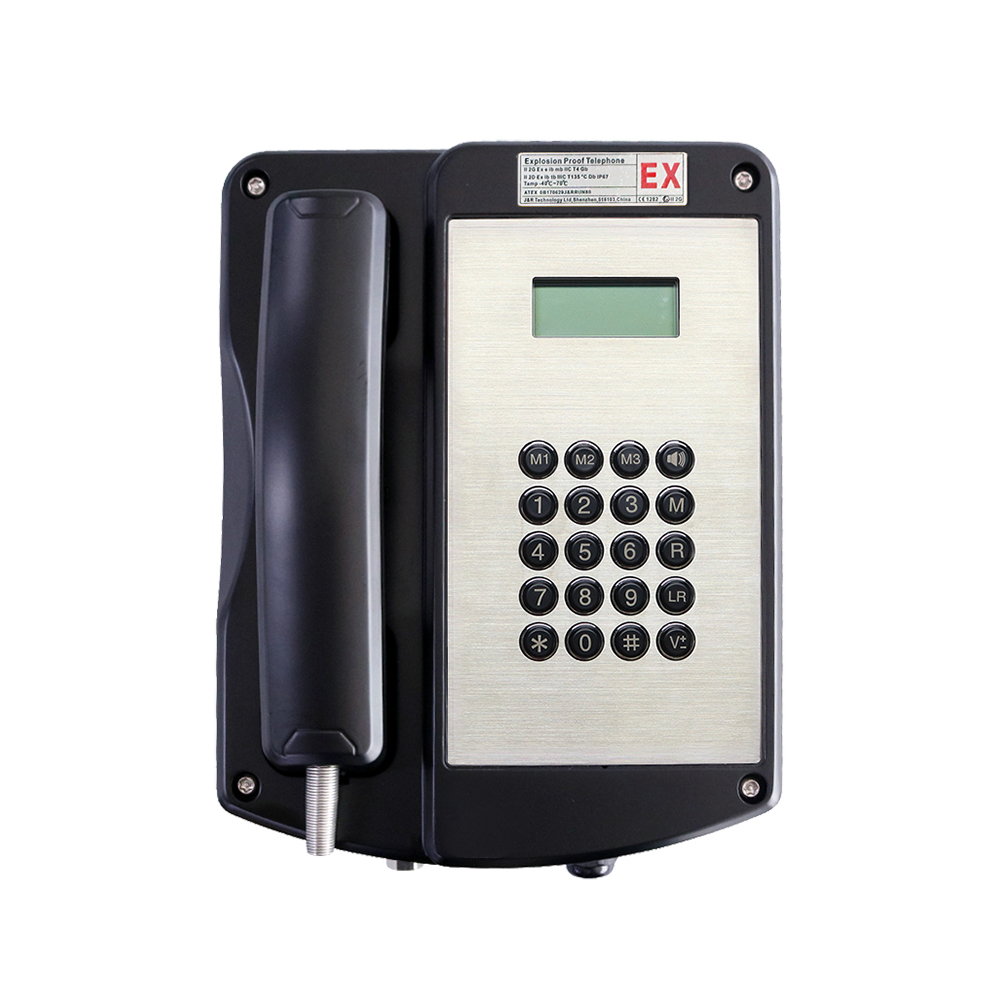
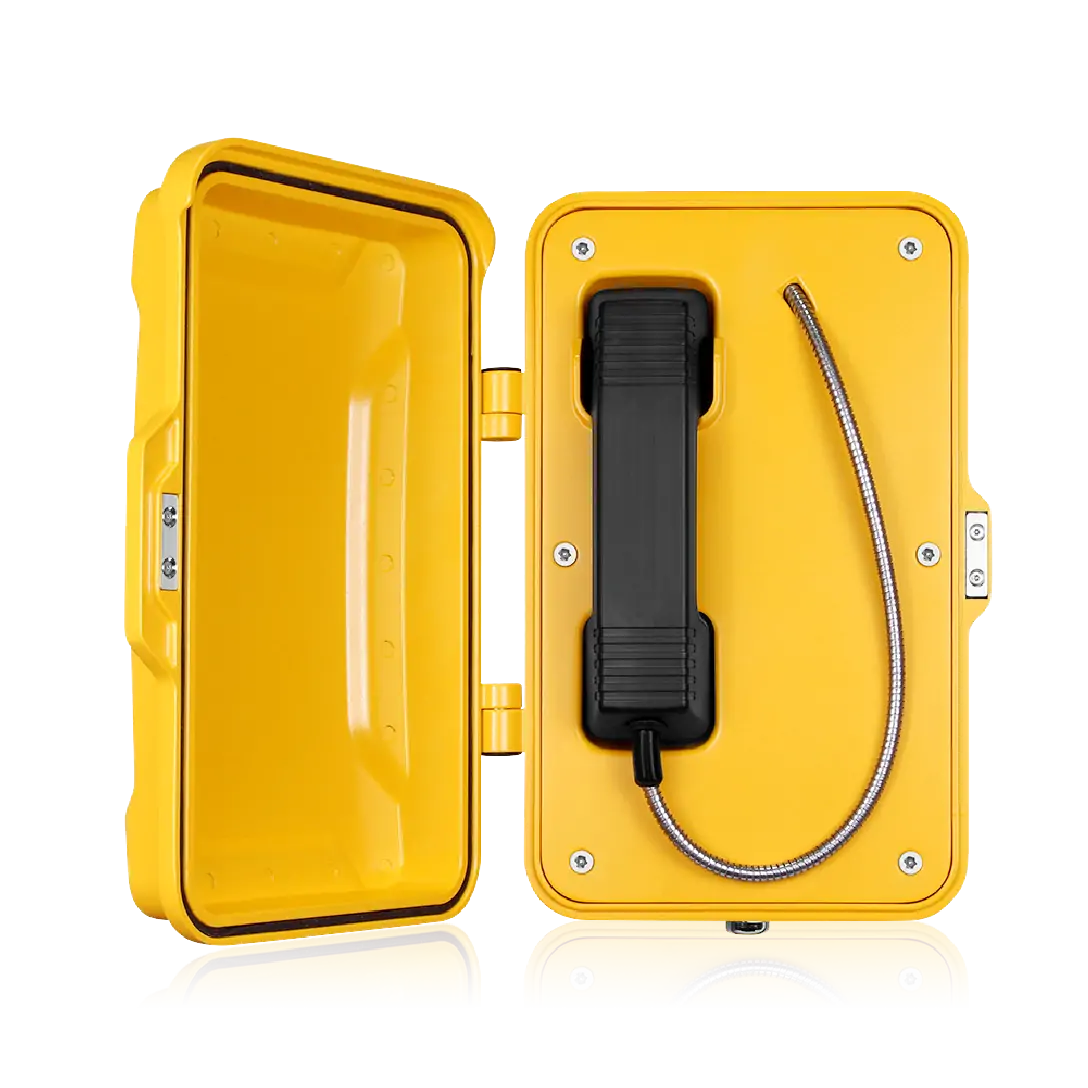
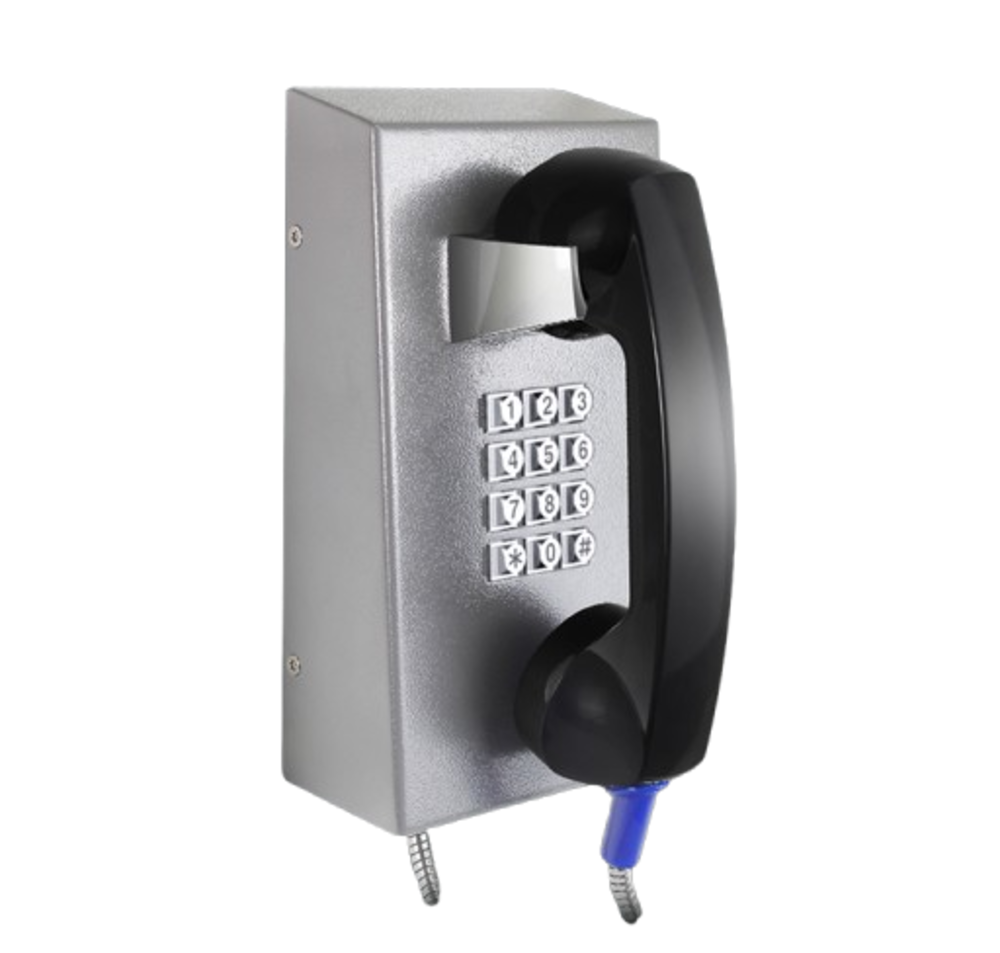
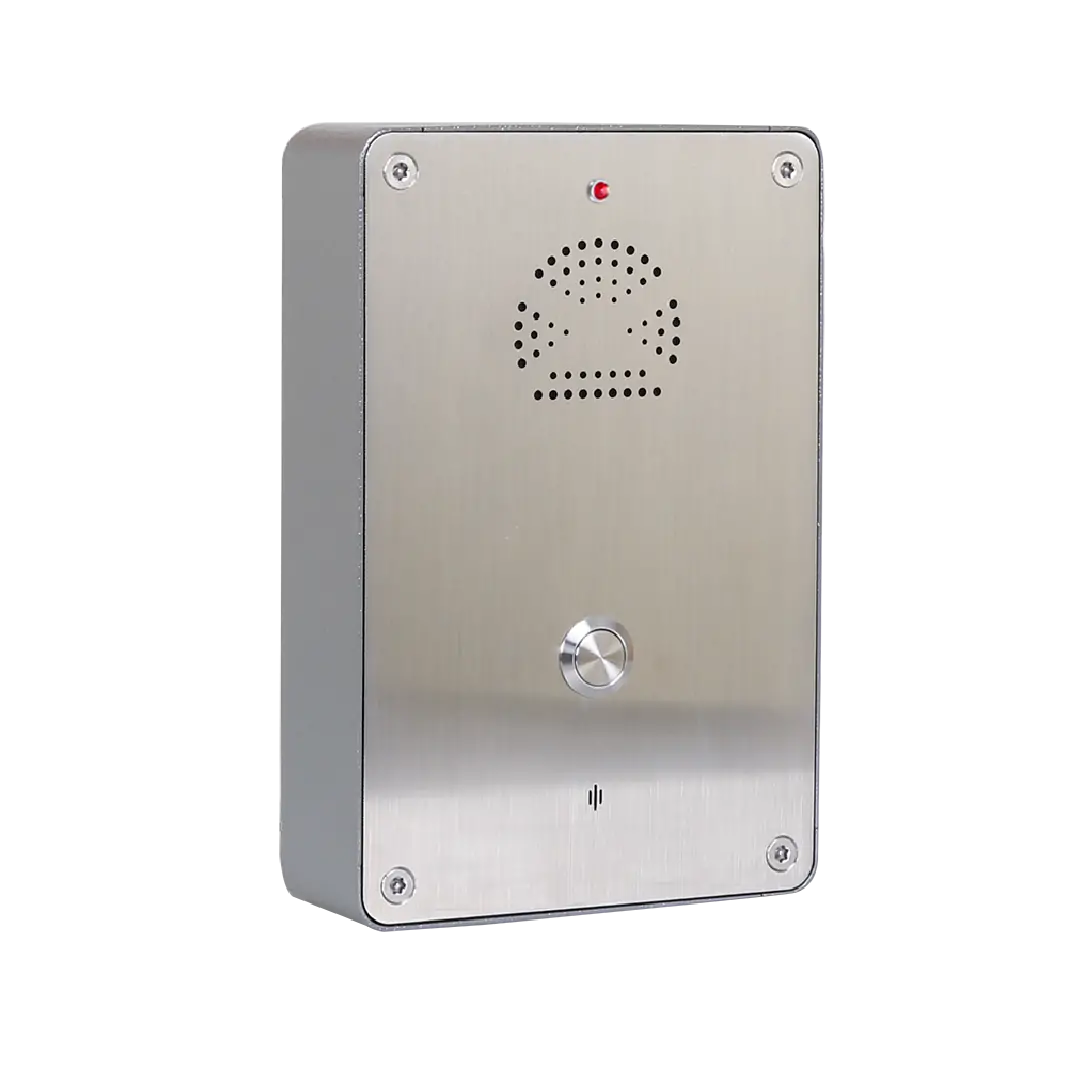
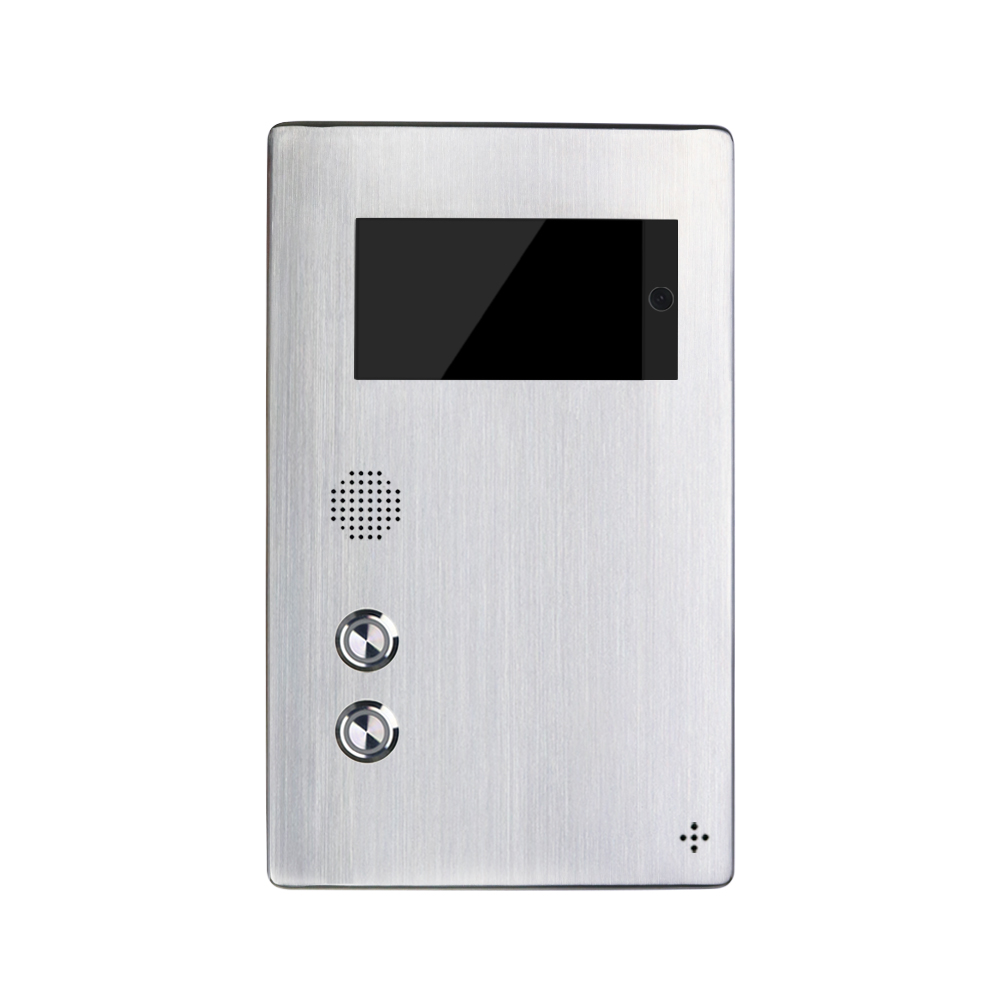
Industrial broadcast telephones are designed to deliver loud, clear, and direct voice transmission even in extreme noise conditions.
Unlike standard phones, they integrate:
This enables supervisors to send instant instructions or evacuation alerts across entire zones without relying on workers to check personal devices.
Within a broader critical communication system, broadcast telephones ensure that urgent information reaches every worker simultaneously, minimizing reaction time and improving safety outcomes.
How Do These Systems Resist Noise and Environmental Hazards?
Reliability is the defining requirement for any port communication device. Industrial broadcast telephones typically feature:
-
IP66/IP67 waterproof and dustproof enclosures
-
Anti-corrosion materials such as stainless steel or industrial ABS
-
Noise-canceling microphones
-
Acoustic echo cancellation
-
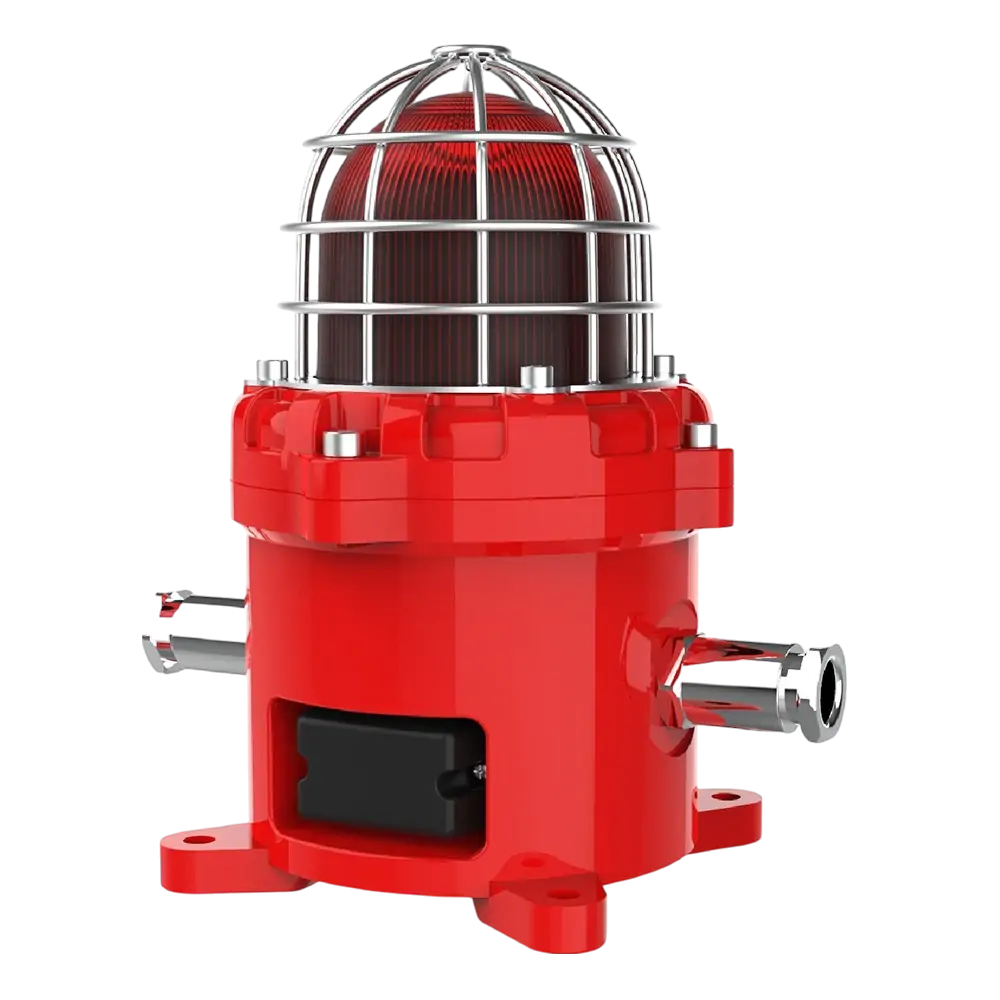
High-SPL horn speakers
These technical elements ensure that speech remains intelligible despite background noise and harsh weather. Even during storms or heavy operations, messages remain clear.
Advanced models also support VoIP/SIP networks and integrate with instant alert tech, allowing automatic triggers for alarms, emergency broadcasts, or system-wide notifications.
Where Are Broadcast Telephones Installed in Port Facilities?
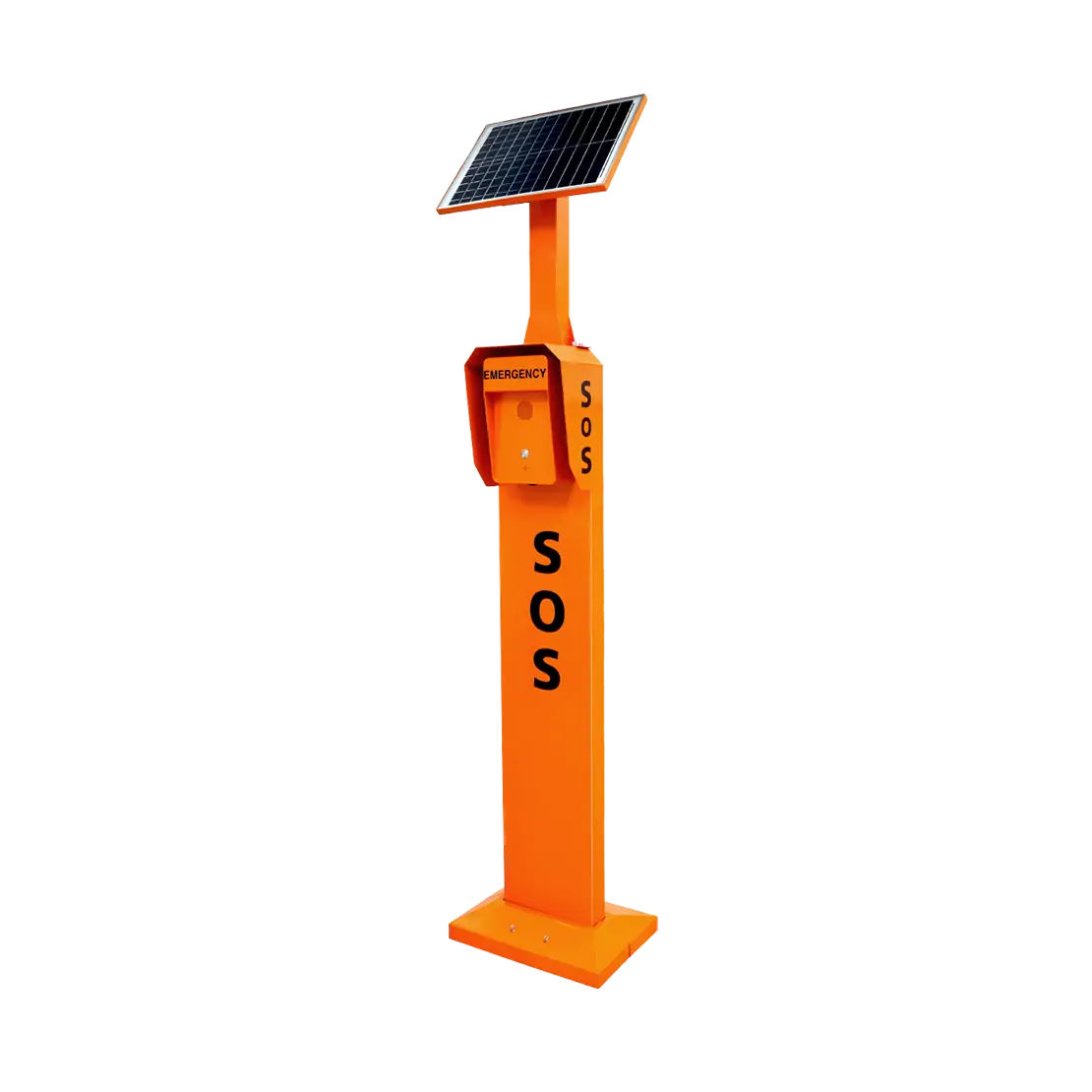
Strategic placement maximizes coverage and effectiveness. Typical installation points include:
By creating a distributed communication grid, ports maintain constant connectivity between field workers and dispatch centers.
This layout ensures that no matter where an incident occurs, personnel can initiate or receive communication immediately.
How Do Industrial Intercom Systems Integrate with Port Operations?
Modern port facilities require more than isolated devices—they need integrated systems.
Today’s industrial intercom system solutions can connect with:
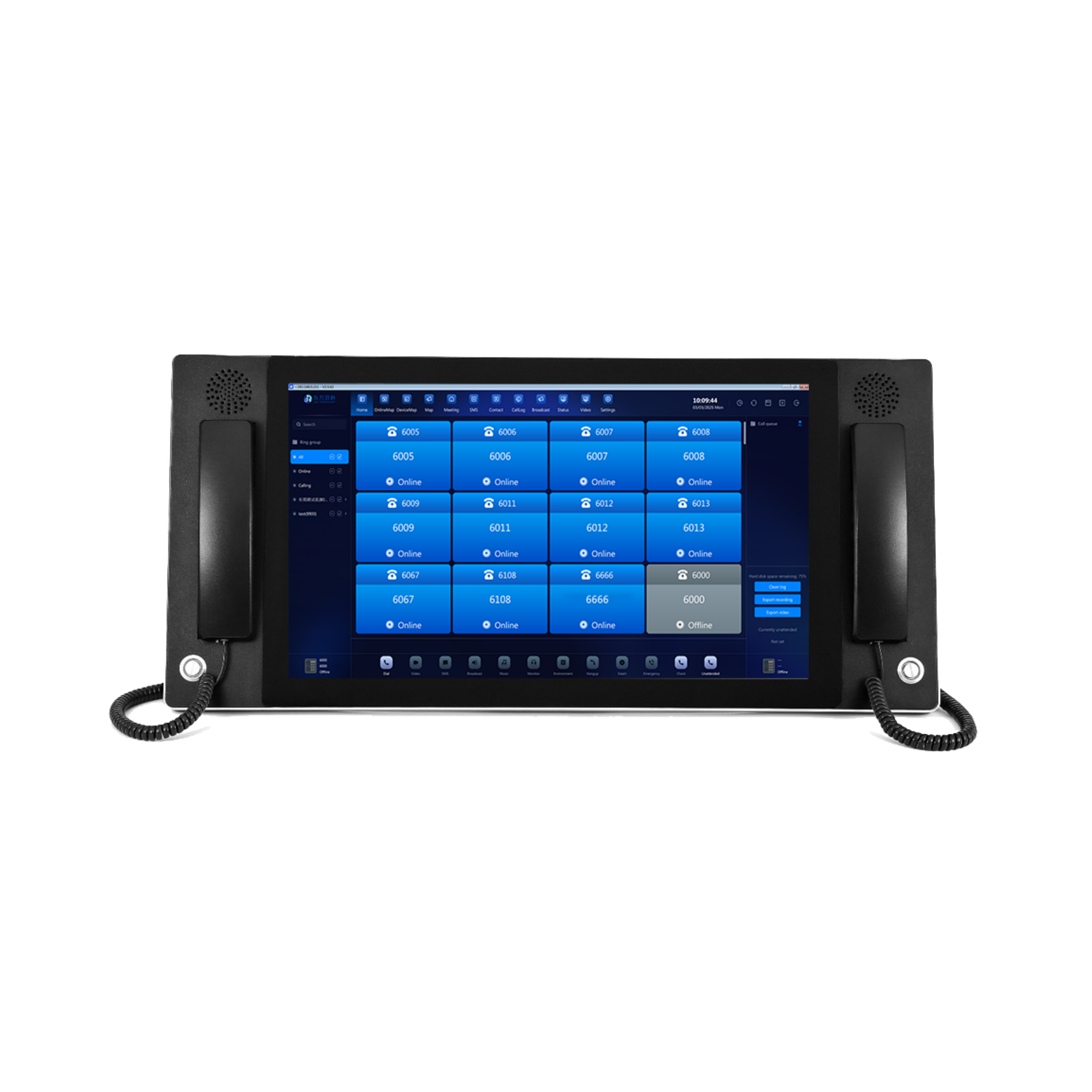
This integration allows centralized management, real-time monitoring, and coordinated emergency response. Operators can broadcast instructions, check line status, or communicate with specific zones from a single control interface.
As ports continue adopting automation and smart infrastructure, robust intercom and broadcast solutions are becoming core components of operational technology.
Conclusion
In heavy machinery areas where noise, weather, and safety risks converge, reliable communication is not optional—it is mission-critical. Industrial broadcast telephones provide the durability, clarity, and immediacy required to keep teams connected and protected.
By deploying a professional industrial intercom system integrated into port operations, facilities can enhance safety, reduce downtime, and maintain seamless coordination across every working zone.
For modern ports aiming to meet higher safety and efficiency standards, broadcast telephone technology is no longer an upgrade—it is essential infrastructure.


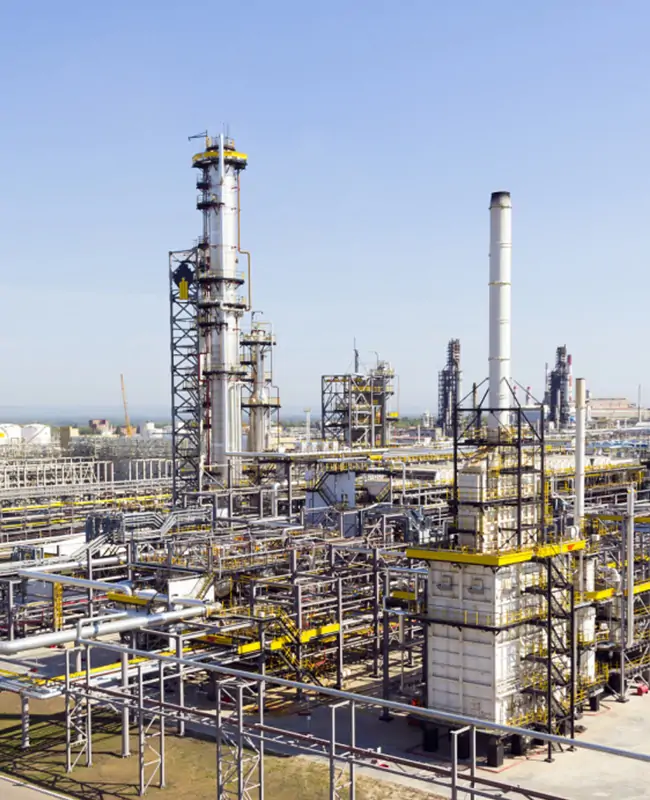 Petrochemical FacilitiesDetails
 Offshore Oil Drilling PlatformsDetails
 Onshore Oil PlatformsDetails
 Industrial & Manufacturing FacilitiesDetails
 Nuclear Power PlantsDetails
 Mining Communication SystemsDetails
 Expressways & HighwaysDetails
 Utility TunnelsDetails
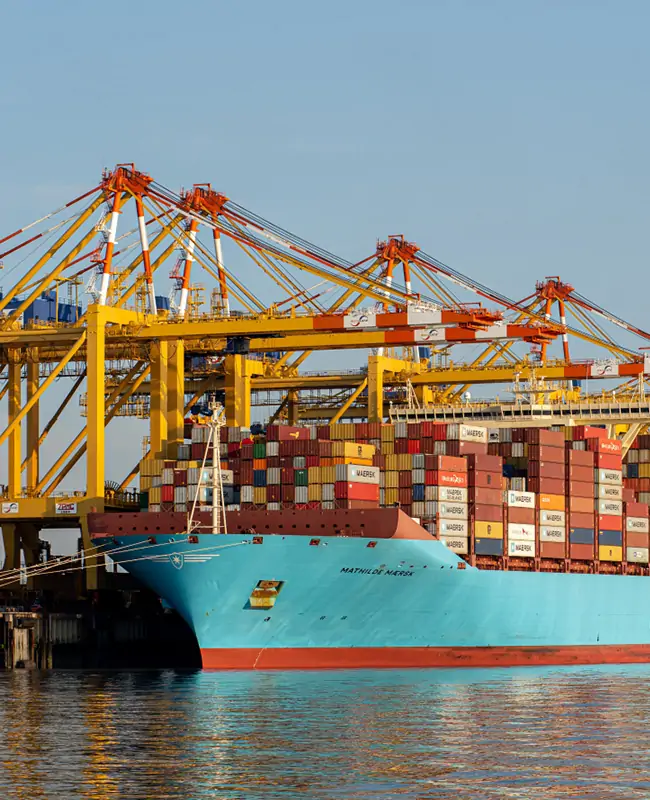 Heavy Machinery Zones (Cranes)Details
 Pharmaceutical Plants & CleanroomsDetails
 Correctional FacilitiesDetails
 Healthcare & Campus FacilitiesDetails
 Smart CitiesDetails
 4G Communication SolutionsDetails
 Wind Power PlantsDetails