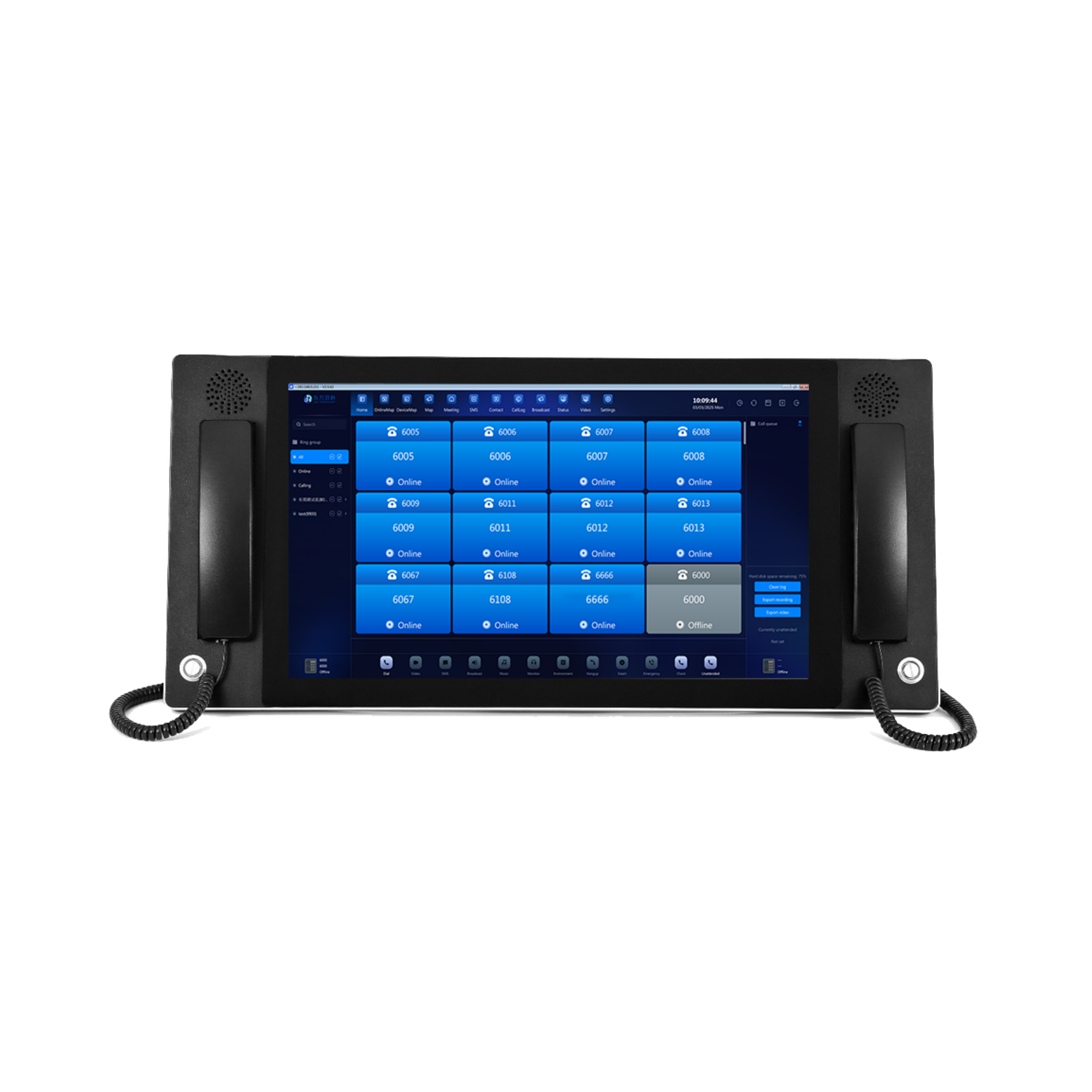
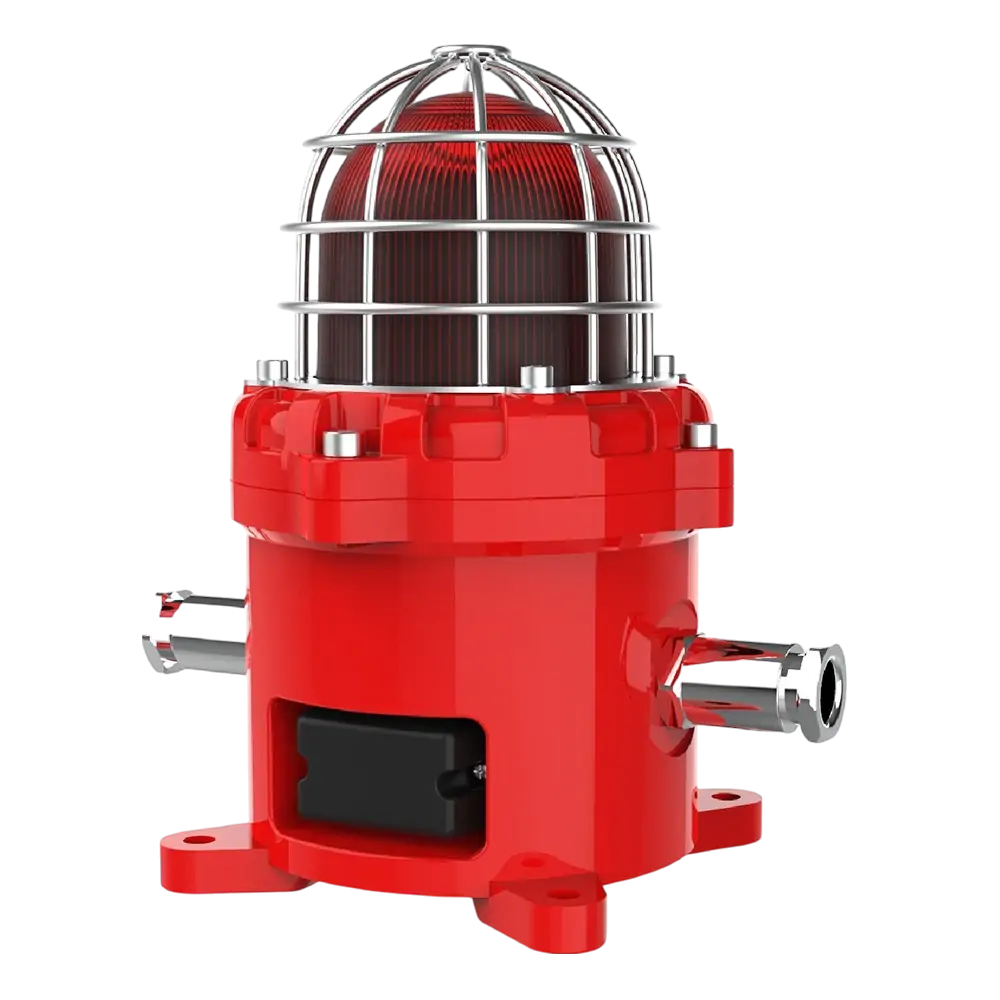
As industrial automation, smart infrastructure, and high-risk operating environments continue to expand, the 2025 critical communication system is undergoing a new wave of standardization and technological upgrades. Industries such as oil & gas, mining, power generation, and transportation now depend more than ever on reliable, secure, and low-latency communication networks.
Stricter regulations, rising cybersecurity threats, and IP convergence are accelerating the evolution of unified communication standards. Organizations must adapt their system design and deployment strategies to ensure higher availability, improved resilience, and long-term scalability.
So, how will these changes reshape industrial communication systems in 2025 and beyond?
Overview of 2025 Standard Changes
Entering 2025, several critical communication requirements have become more demanding.
First, system reliability targets are increasing. Many projects now require availability levels of 99.999% (“five nines”) to guarantee uninterrupted communication during emergencies.
Second, cybersecurity has become mandatory rather than optional. Modern standards typically require:
At the same time, IP-based convergence is accelerating. Traditional analog phones are gradually being replaced by SIP, VoIP, and fiber backbone networks that integrate voice, paging, alarms, and video into a single unified platform.
These updates make the 2025 critical communication system smarter, more scalable, and better aligned with digital industrial operations.
Design Implications
The new standards significantly influence how communication systems are engineered.
Today, designers no longer focus solely on “basic connectivity.” Instead, resilience and redundancy are top priorities. Modern industrial networks typically include:
-
Redundant links and ring topologies
-
Hot standby servers
-
Distributed edge nodes
-
Multi-protocol compatibility (SIP, fiber, wireless, 4G/5G private networks)
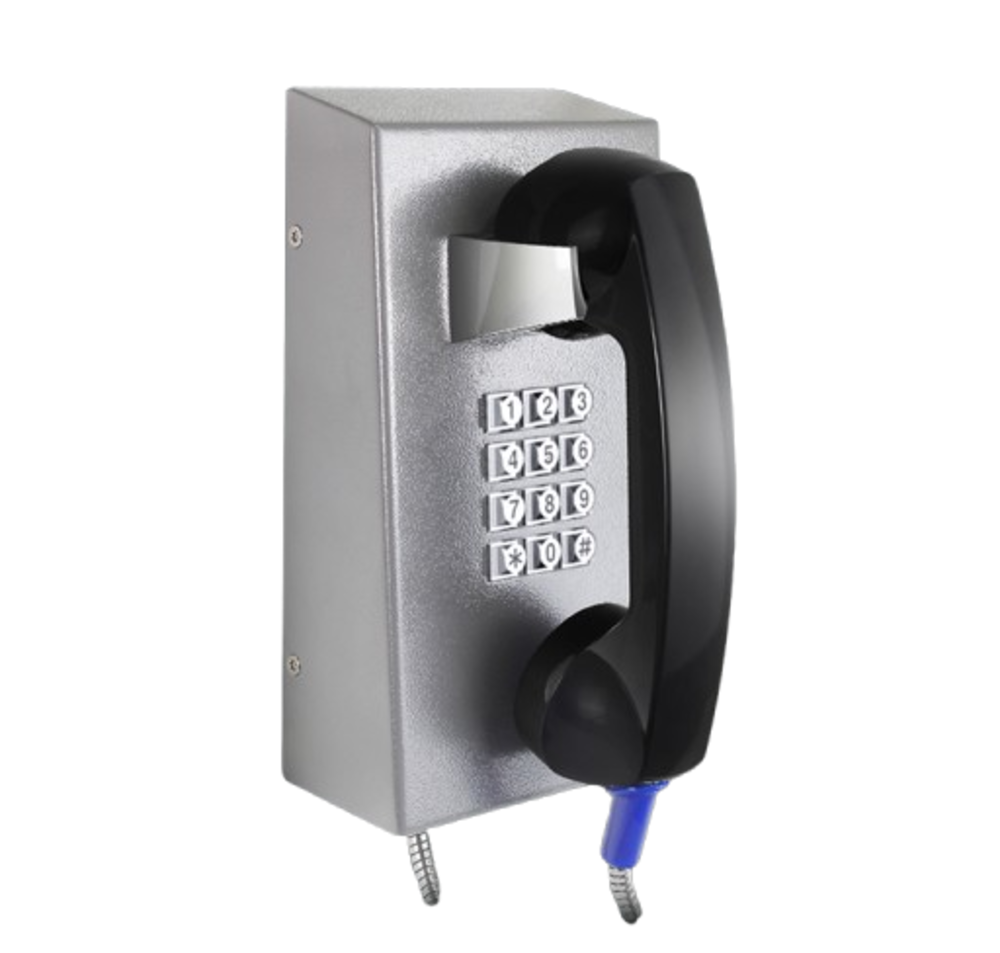
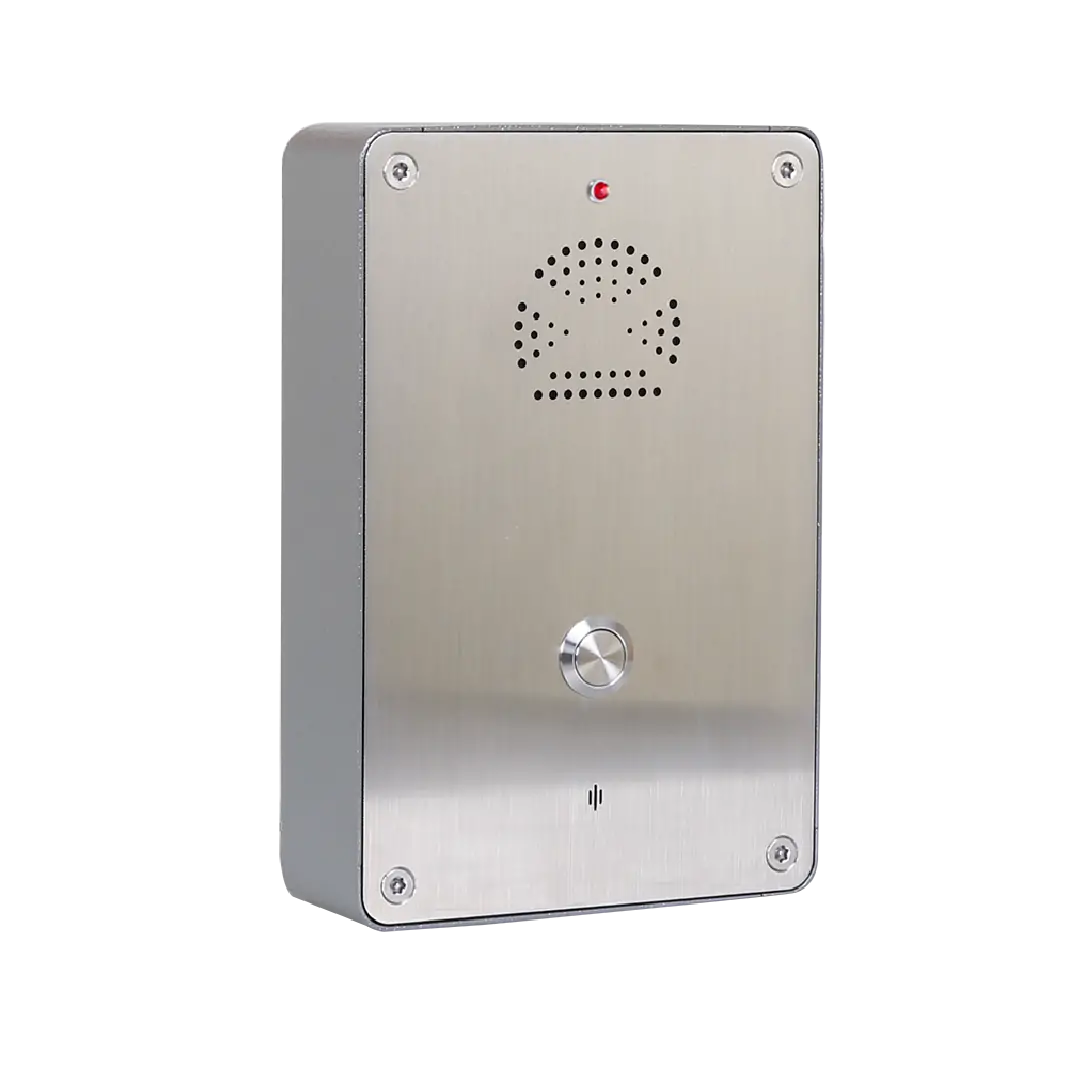
For large sites such as tunnels, factories, or energy facilities, architectures often combine fiber backbones, industrial switches, ruggedized endpoints, and centralized dispatch platforms.
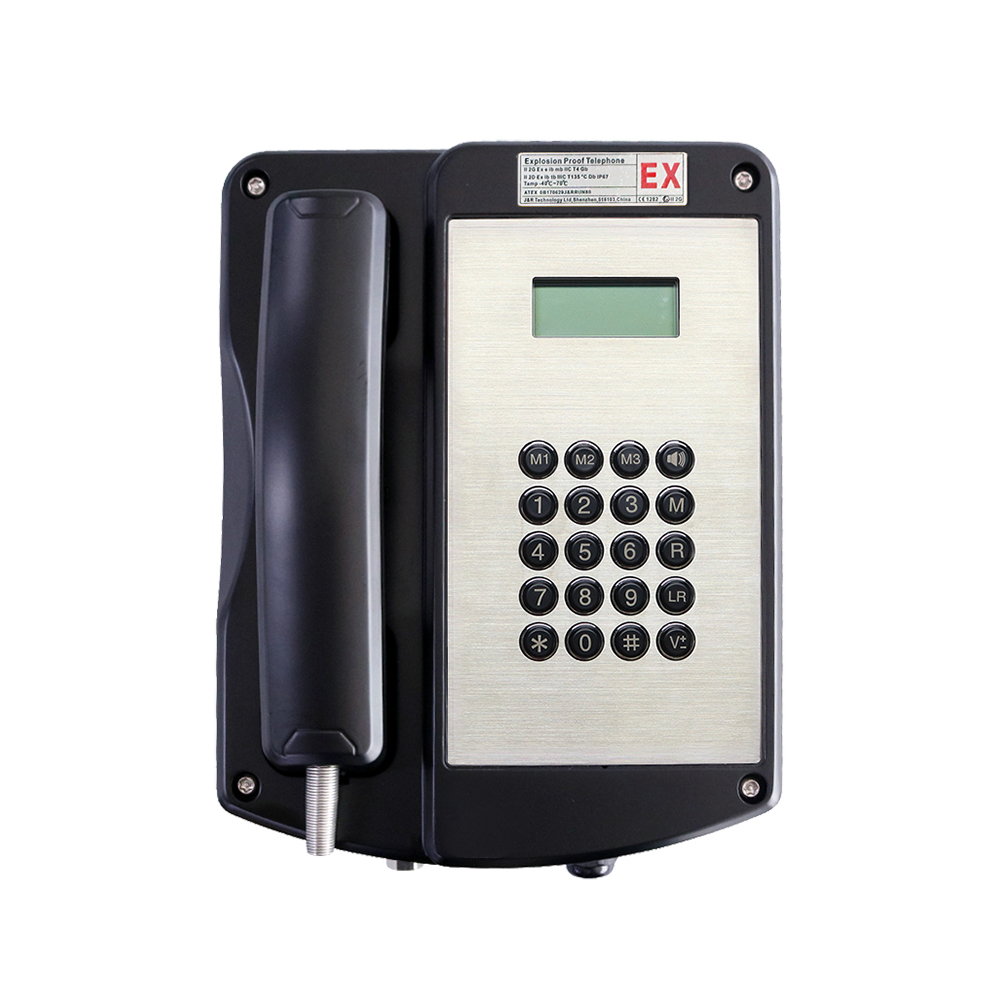
Manufacturers like J&R Technology Ltd have already integrated waterproof and explosion-proof telephones with IP-based systems, enabling unified management and remote diagnostics while meeting high-reliability requirements.
As a result, systems become more modular, easier to expand, and more cost-effective over their lifecycle.
Compliance Requirements
With tighter regulations, compliance has become a critical factor for project approval and operational safety.
Typical requirements include:
Equipment Certification
System-Level Testing
Cybersecurity Audits
Systems that fail to meet these requirements may face inspection delays, higher insurance risks, or even legal consequences. Compliance is no longer a competitive advantage — it is a baseline requirement.
Early Adoption Cases
Several industries have already upgraded their communication infrastructures and reported measurable benefits.
Mining
Underground operations deploy fiber combined with leaky feeder and wireless systems to ensure continuous voice and data coverage, even during power outages or structural disruptions.
Oil & Gas
Explosion-proof phones, paging systems, and alarms are integrated into unified dispatch platforms, reducing emergency response times by over 40%.
Transportation & Tunnels
Redundant SIP terminals and centralized control rooms enable real-time coordination and rapid fault detection around the clock.
These examples demonstrate that adopting 2025 critical communication system standards early improves both safety and operational efficiency.
Upgrade Best Practices
For organizations still relying on legacy analog systems, a phased upgrade strategy is recommended instead of a complete replacement.
Step 1: Assess Current Infrastructure
Identify outdated equipment, single points of failure, and bandwidth bottlenecks.
Step 2: Deploy Hybrid Networks
Introduce IP gateways while retaining functional analog devices for a smooth transition.
Step 3: Prioritize High-Risk Zones
Upgrade tunnels, hazardous areas, and control centers first.
Step 4: Partner with Experienced Providers
Work with industrial communication specialists to ensure compliance, reliability, and long-term support.
This incremental approach reduces costs while steadily modernizing the network.
Conclusion
The evolution of unified standards in 2025 is redefining what industrial communication systems must deliver. Higher reliability, stronger cybersecurity, and integrated IP architectures are no longer optional — they are essential for safe and efficient operations.
Organizations that proactively upgrade their infrastructure will gain greater resilience, regulatory compliance, and long-term competitiveness.
If you are planning to modernize your network, now is the right time to align with the latest 2025 critical communication system standards and future-proof your operations.


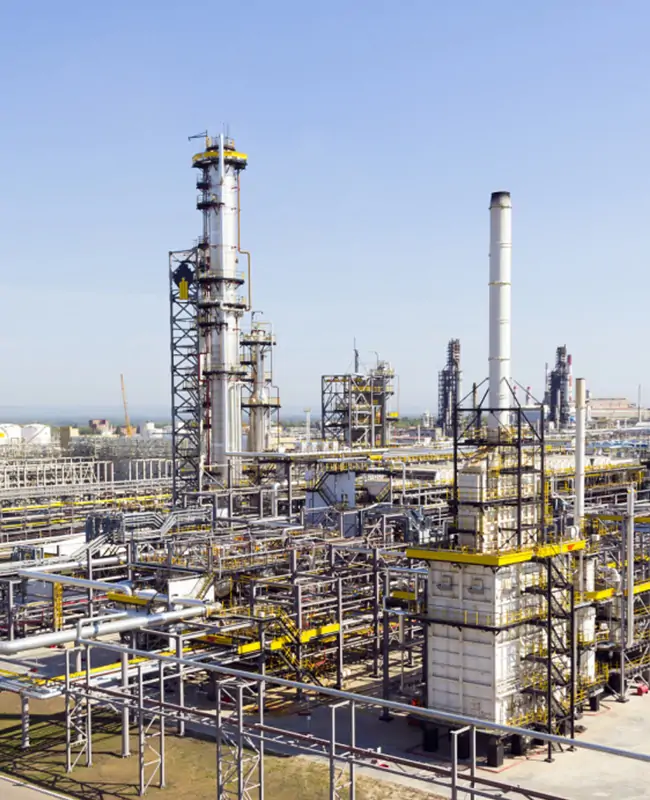 Petrochemical FacilitiesDetails
 Offshore Oil Drilling PlatformsDetails
 Onshore Oil PlatformsDetails
 Industrial & Manufacturing FacilitiesDetails
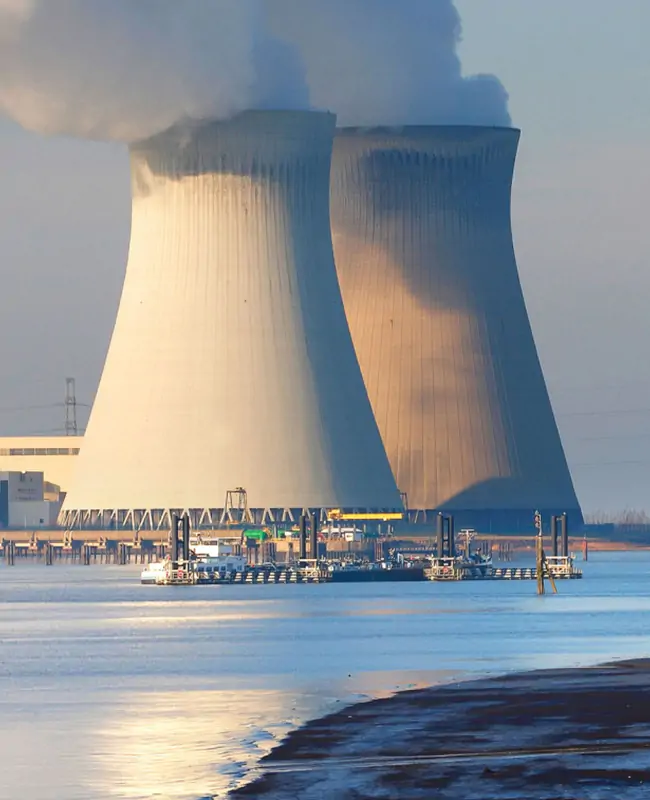 Nuclear Power PlantsDetails
 Mining Communication SystemsDetails
 Expressways & HighwaysDetails
 Utility TunnelsDetails
 Heavy Machinery Zones (Cranes)Details
 Pharmaceutical Plants & CleanroomsDetails
 Correctional FacilitiesDetails
 Healthcare & Campus FacilitiesDetails
 Smart CitiesDetails
 4G Communication SolutionsDetails
 Wind Power PlantsDetails