Cities worldwide are evolving beyond traditional utilities and standalone systems. Transportation, energy, security, and public services are now interconnected through digital infrastructure that enables real-time monitoring and automated decision-making.
At the center of this transformation are smart city communication networks — integrated platforms that connect sensors, devices, control rooms, and emergency responders into a unified ecosystem.
From traffic optimization and environmental monitoring to public safety alerts and emergency communications, these networks form the backbone of modern urban management. Without reliable communication, smart city initiatives cannot function effectively.
For industrial communication specialists such as J&R Technology Ltd, building resilient, scalable communication hardware is a key part of enabling next-generation urban infrastructure.
Network Architecture for Smart Cities
A smart city network is not a single system but a layered architecture designed for reliability, scalability, and redundancy.
Typical structures include:
Access Layer
Transmission Layer
-
Fiber optic backbone
-
Ethernet switches
-
Wireless gateways
Control Layer
-
Data centers
-
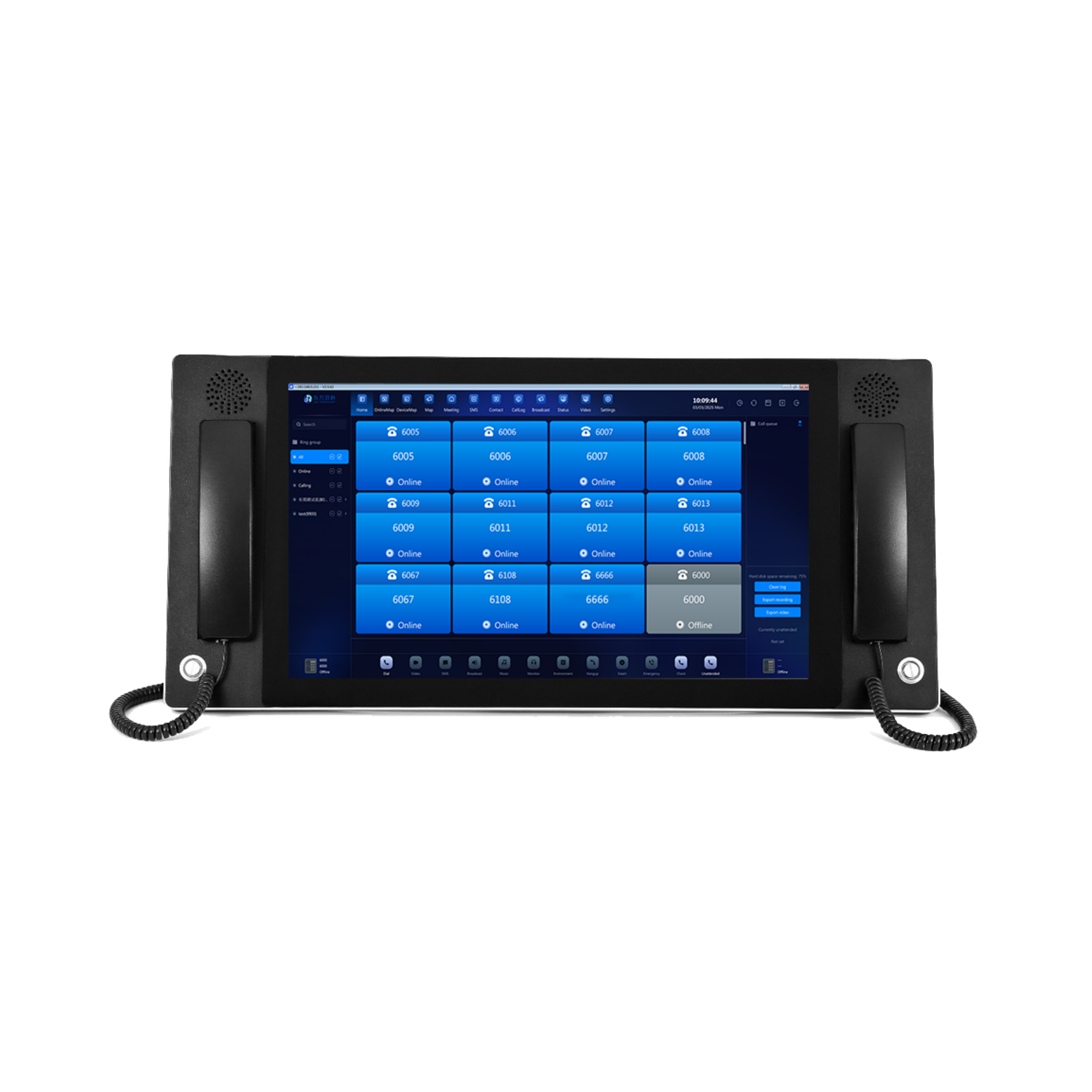
Dispatch consoles
-
Monitoring platforms
Fiber networks usually serve as the primary backbone due to high bandwidth and low latency, while wireless technologies provide flexible last-mile coverage.
This hybrid design ensures that critical services remain operational even if one link fails — a fundamental requirement for urban safety systems.
Key Technologies (IoT, 5G, LoRa)
Several technologies power today’s smart city communication networks.
IoT (Internet of Things)
IoT devices collect real-time environmental and operational data such as:
-
Air quality
-
Traffic flow
-
Water levels
-
Equipment status
These sensors enable predictive maintenance and faster decision-making.
5G
5G provides:
-
Ultra-low latency
-
High device density
-
Faster data transmission
It supports bandwidth-intensive applications like video surveillance, autonomous vehicles, and remote control operations.
LoRa / LPWAN
Low-power wide-area networks (LPWAN), including LoRa, are ideal for:
-
Long-distance coverage
-
Low energy consumption
-
Battery-powered sensors
They are commonly used for smart metering and remote monitoring.
Together, these technologies create a flexible mix of high-speed and low-power connectivity that supports diverse urban use cases.
Data Management Platforms
Connectivity alone is not enough. Smart cities rely on centralized platforms to transform raw data into actionable intelligence.
Modern management systems provide:
-
Real-time dashboards
-
Predictive analytics
-
AI-based alerts
-
Event logging
-
Remote device control
By integrating multiple subsystems into one interface, operators can quickly detect issues and coordinate responses.
For example:
-
Traffic congestion triggers signal adjustments
-
Flood sensors activate warnings
-
Equipment faults generate maintenance tickets
These capabilities turn communication networks into operational intelligence systems rather than simple transmission channels.
Cities that previously deployed manufacturing communication systems for industrial zones often adapt similar architectures to ensure reliability and uptime in municipal environments.
Public Safety Integration
Public safety is one of the most critical functions supported by smart city communication networks.
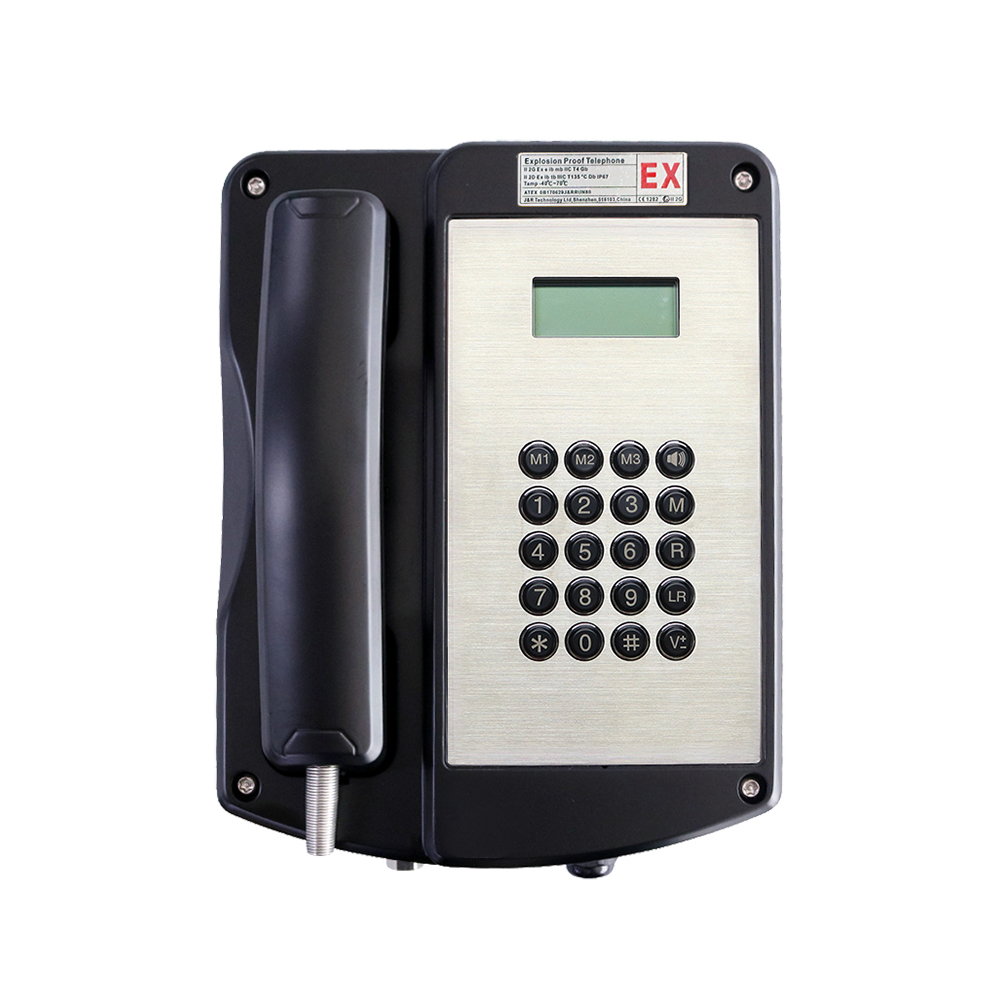
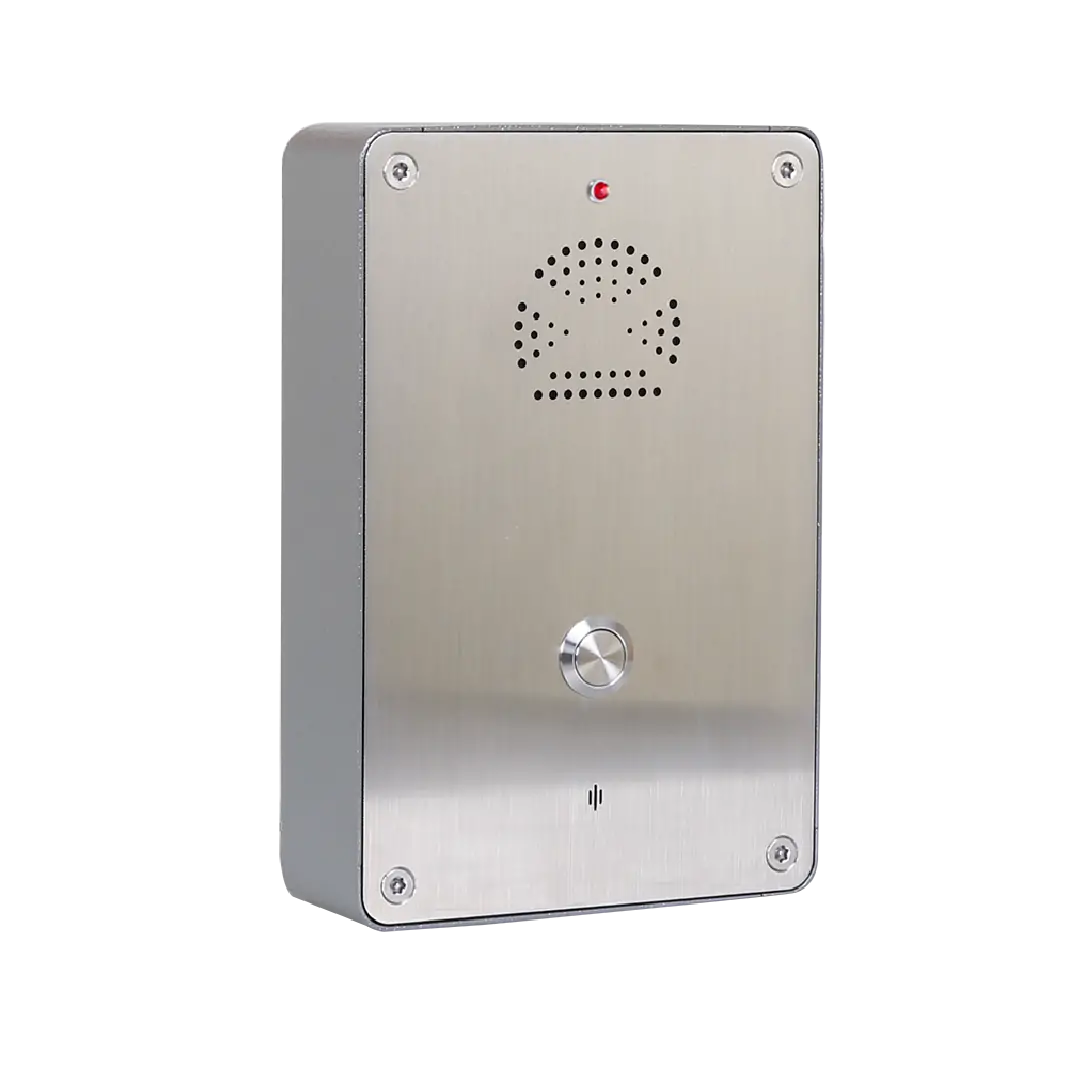
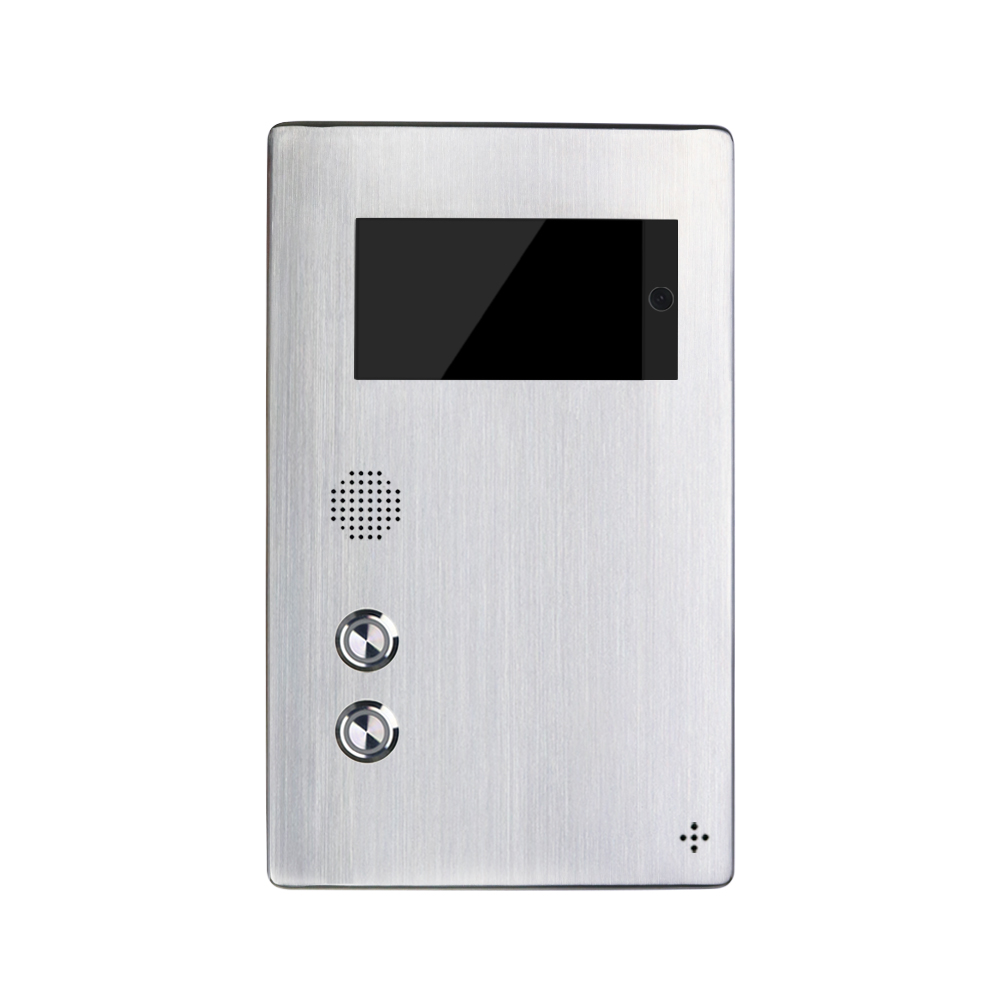
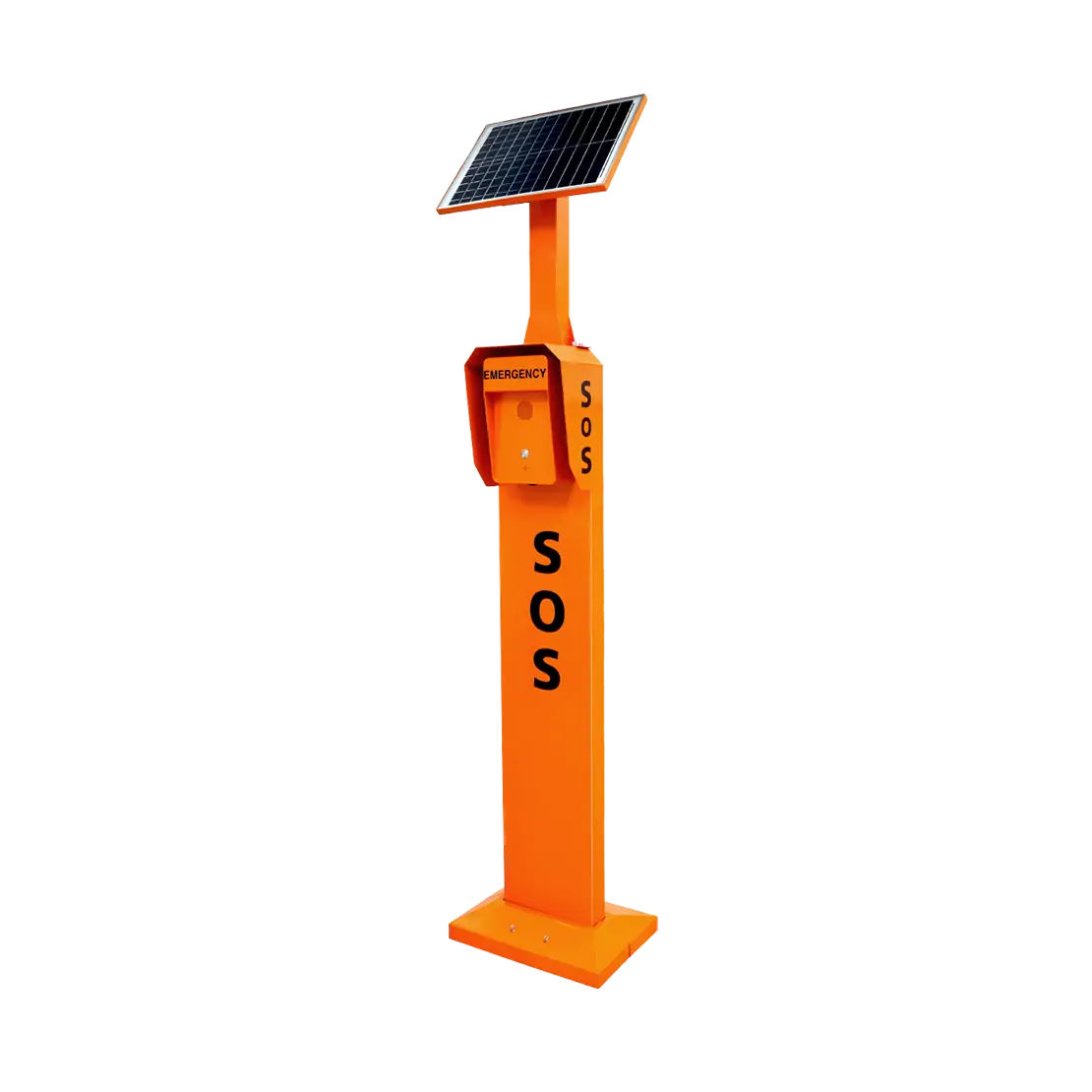
Emergency communication infrastructure may include:
All devices connect to a secure communication system, ensuring that voice and data remain protected, prioritized, and continuously available during crises.
During emergencies, the network can:
-
Broadcast evacuation instructions
-
Enable instant two-way calls
-
Share live video feeds
-
Locate callers
-
Coordinate police, fire, and medical teams
Reliability and cybersecurity are equally important here, as failures or breaches could directly impact citizen safety.
Case Studies
Cities around the world are already seeing measurable benefits from advanced communication infrastructure.
Typical applications include:
-
Smart traffic systems reducing congestion
-
Connected public transport networks
-
Emergency intercoms in tunnels and metro stations
-
Smart lighting with remote monitoring
-
Environmental sensing for pollution control
Results commonly show:
-
Faster emergency response
-
Reduced operational costs
-
Improved service reliability
-
Better urban planning through data insights
For instance, integrating fiber-connected emergency telephones with wireless monitoring allows operators to maintain constant communication coverage across highways or transit hubs, even under heavy usage or adverse conditions.
Conclusion
As urban populations grow and infrastructure becomes more complex, dependable connectivity is no longer optional. Smart city communication networks now function as the digital backbone of modern cities, linking people, devices, and services into a coordinated ecosystem.
By combining fiber backbones, wireless technologies, IoT sensors, and secure control platforms, municipalities can enhance efficiency, strengthen safety, and deliver smarter public services.
In the future, cities will not simply use communication networks — they will be built around them.


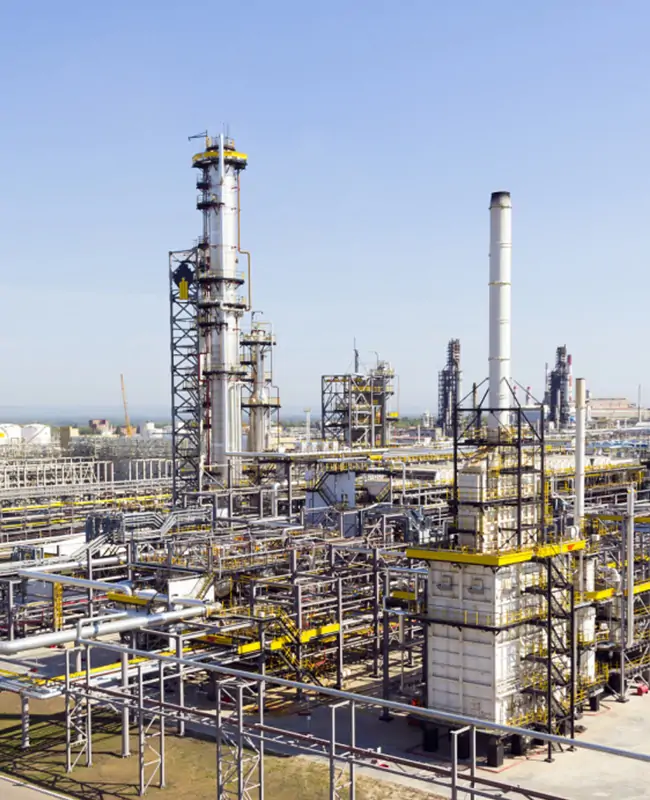 Petrochemical FacilitiesDetails
 Offshore Oil Drilling PlatformsDetails
 Onshore Oil PlatformsDetails
 Industrial & Manufacturing FacilitiesDetails
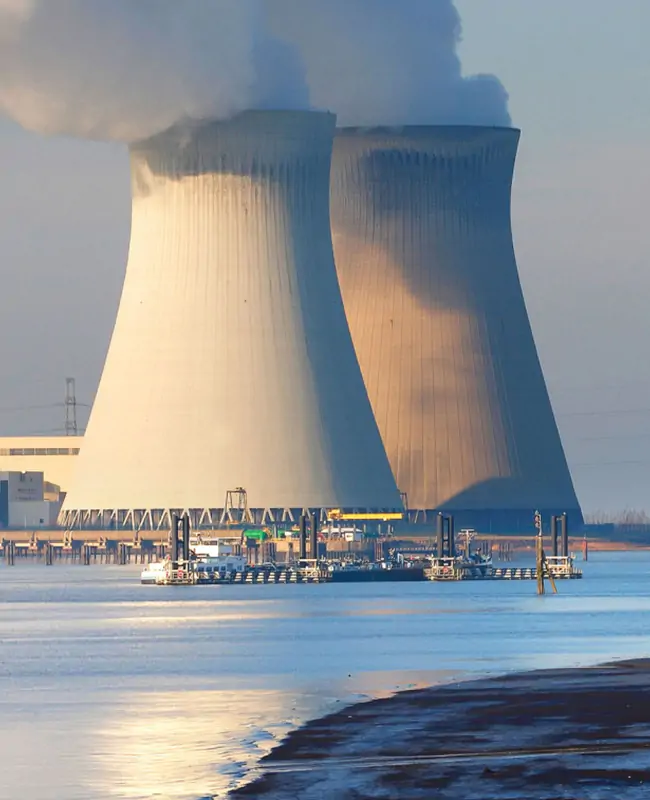 Nuclear Power PlantsDetails
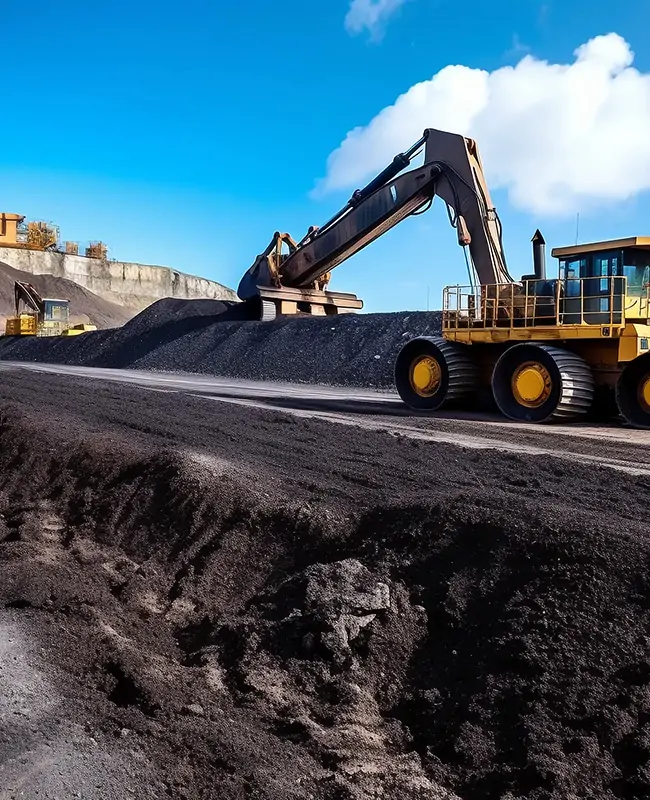 Mining Communication SystemsDetails
 Expressways & HighwaysDetails
 Utility TunnelsDetails
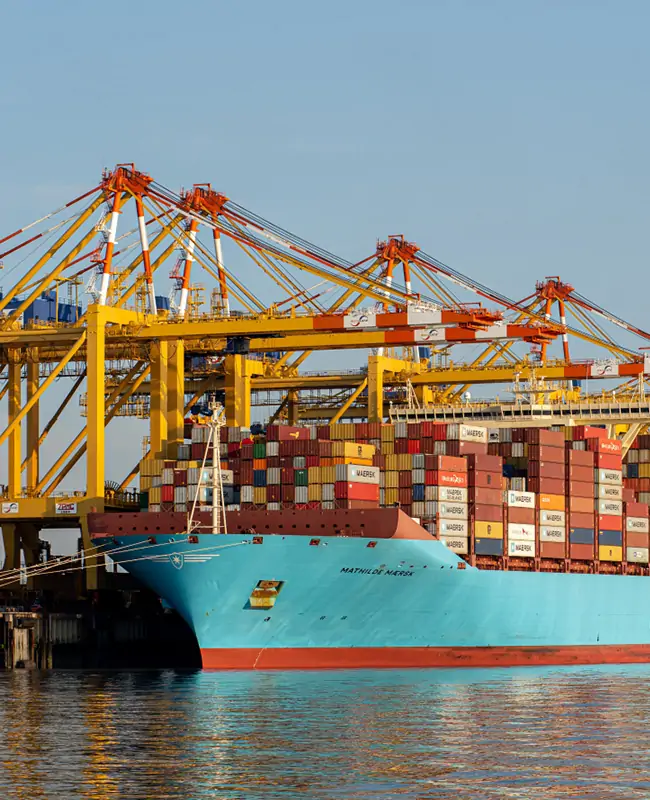 Heavy Machinery Zones (Cranes)Details
 Pharmaceutical Plants & CleanroomsDetails
 Correctional FacilitiesDetails
 Healthcare & Campus FacilitiesDetails
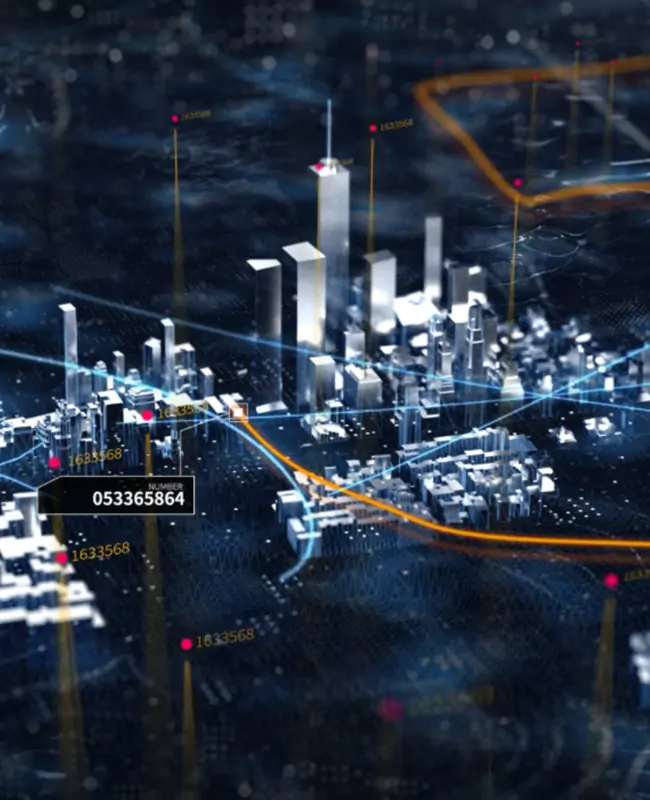 Smart CitiesDetails
 4G Communication SolutionsDetails
 Wind Power PlantsDetails