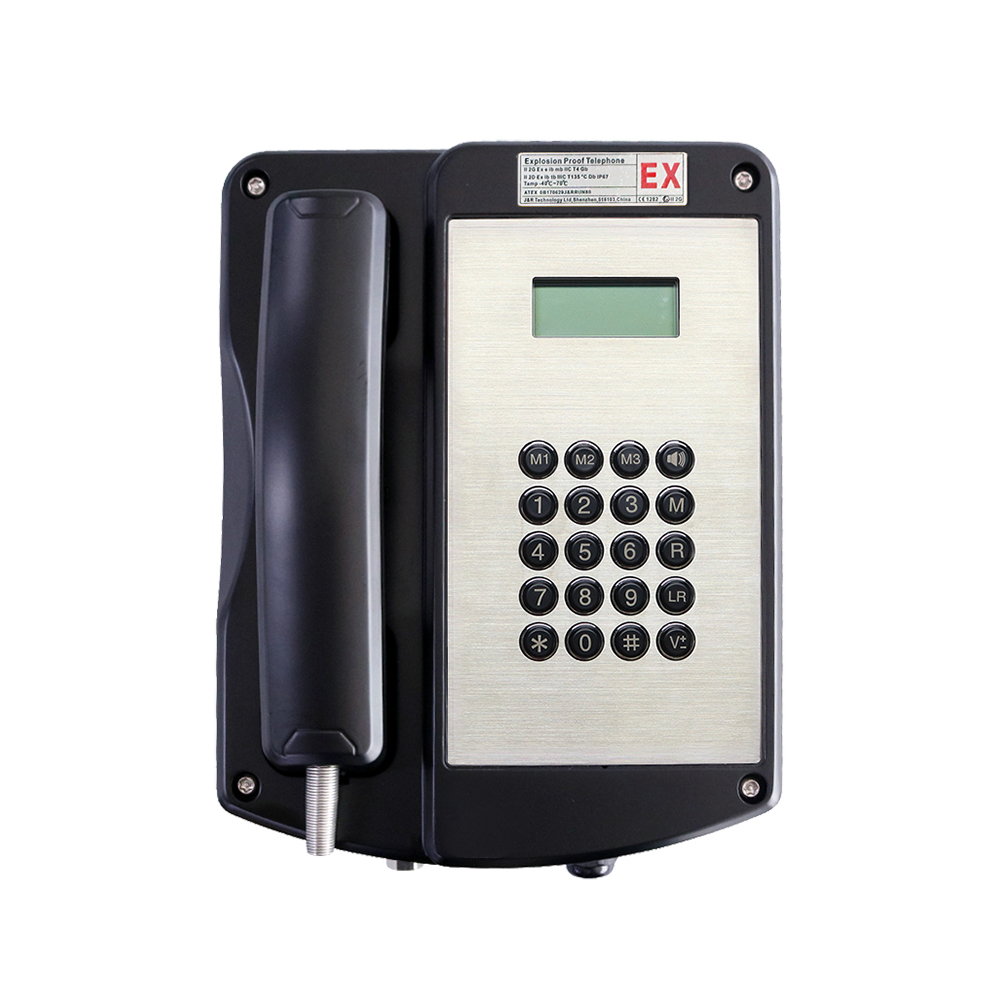
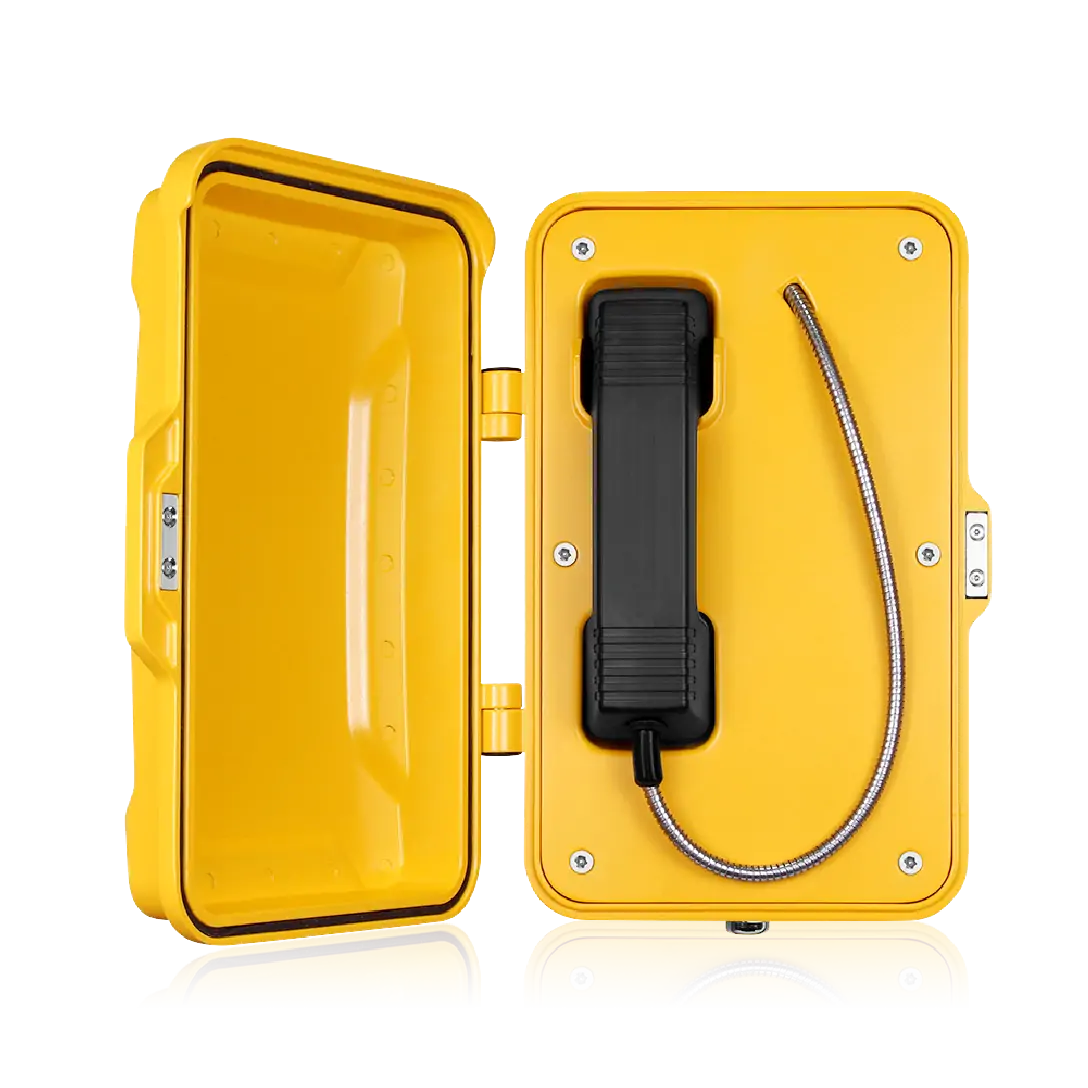
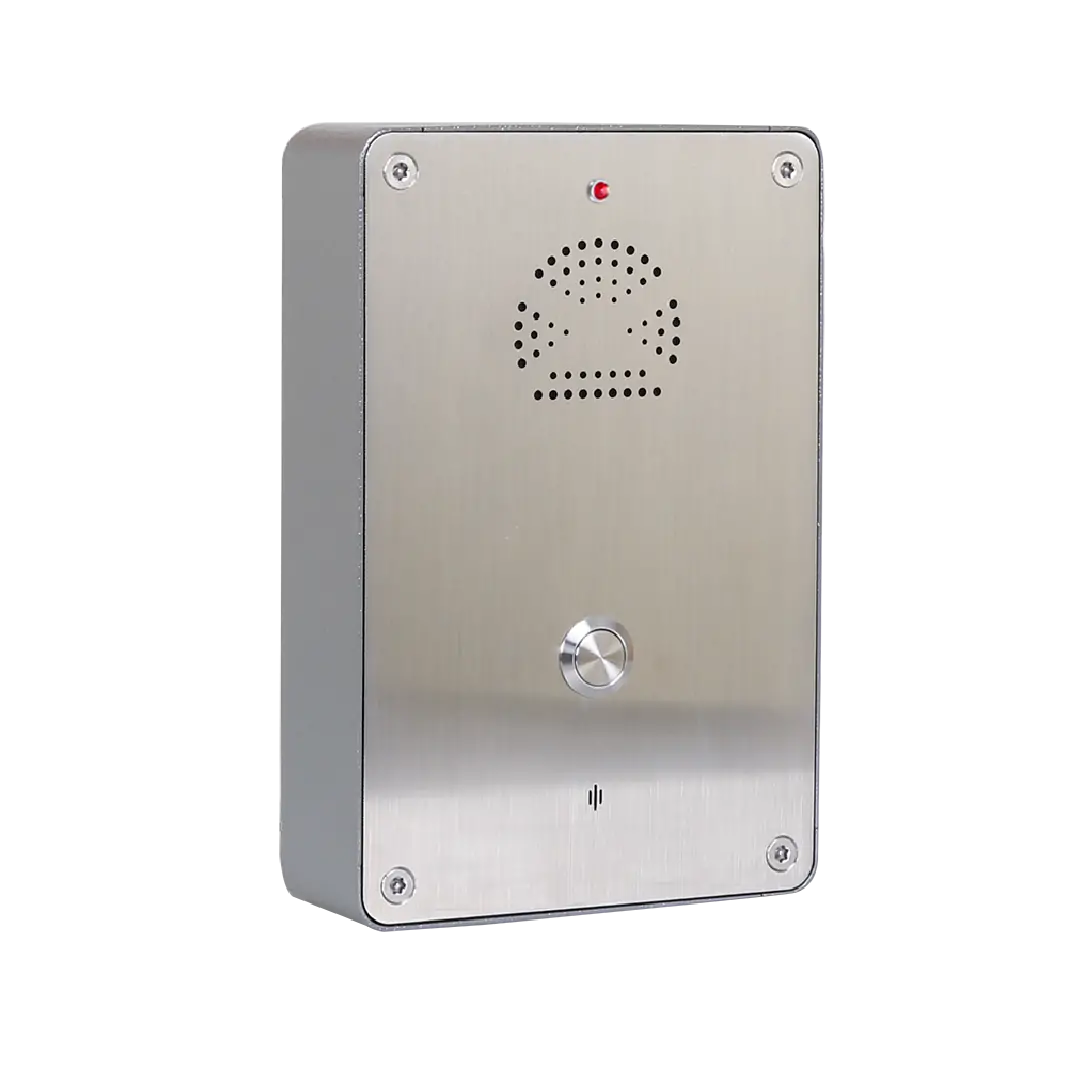
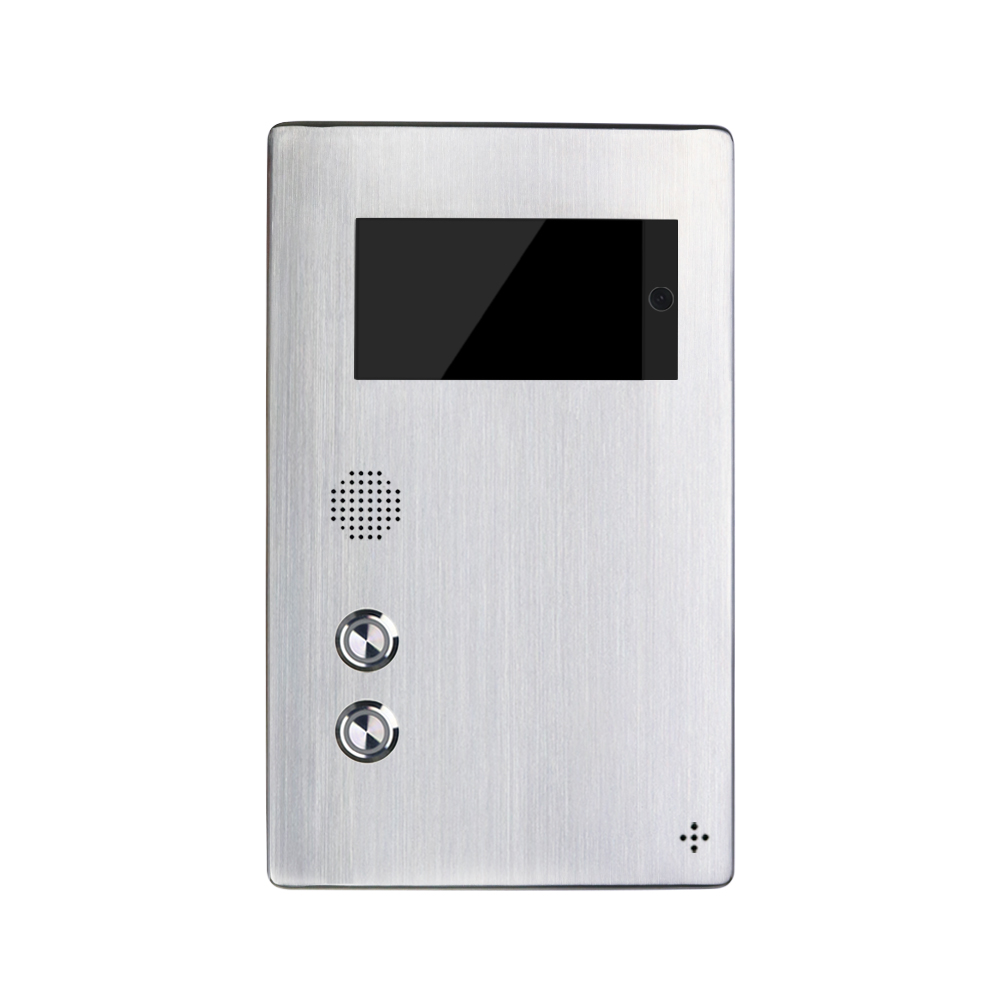
In the era of smart manufacturing and industrial digital transformation, seamless, reliable communication is no longer a supporting function—it’s a core driver of operational efficiency, workplace safety, and cross-departmental collaboration. Modern manufacturing environments, from large-scale factories to complex industrial parks, require more than isolated communication tools; they need comprehensive industrial communication solutions that unify voice, data, intercom, and public address (PA) systems into a single, integrated ecosystem. But what do these all-in-one solutions entail, and how do they address the unique challenges of today’s industrial settings? This article breaks down the key components, integration capabilities, and real-world applications of top-tier industrial communication solutions, helping plant managers and IT teams make informed decisions for their operations.
An Overview of Modern Comprehensive Industrial Communication Solutions
Comprehensive industrial communication solutions are holistic platforms designed to eliminate communication silos between different tools and departments in industrial environments. Unlike traditional fragmented systems—where PA, intercom, data monitoring, and voice communication operate independently—these all-in-one solutions integrate multiple communication modalities into a unified interface, enabling real-time information sharing, centralized control, and seamless collaboration across the entire production lifecycle.
Today’s leading industrial communication solutions are built to adapt to the diverse needs of manufacturing environments, including harsh conditions (extreme temperatures, dust, moisture), high-noise areas, and large physical footprints. They leverage advanced technologies like 5G, industrial Ethernet, and cloud computing to deliver reliable performance, while aligning with industry standards for safety and compliance. At their core, these solutions aim to simplify communication workflows, reduce operational costs, and enhance both productivity and workplace safety—making them indispensable for businesses undergoing digital transformation.
Solution Elements: Core Components of Comprehensive Industrial Communication
A robust comprehensive industrial communication solution is composed of interconnected elements that work together to cover all communication needs in a manufacturing setting. Each component plays a critical role in ensuring seamless, reliable, and secure information transfer, with flexibility to scale as operations grow. The key elements include:
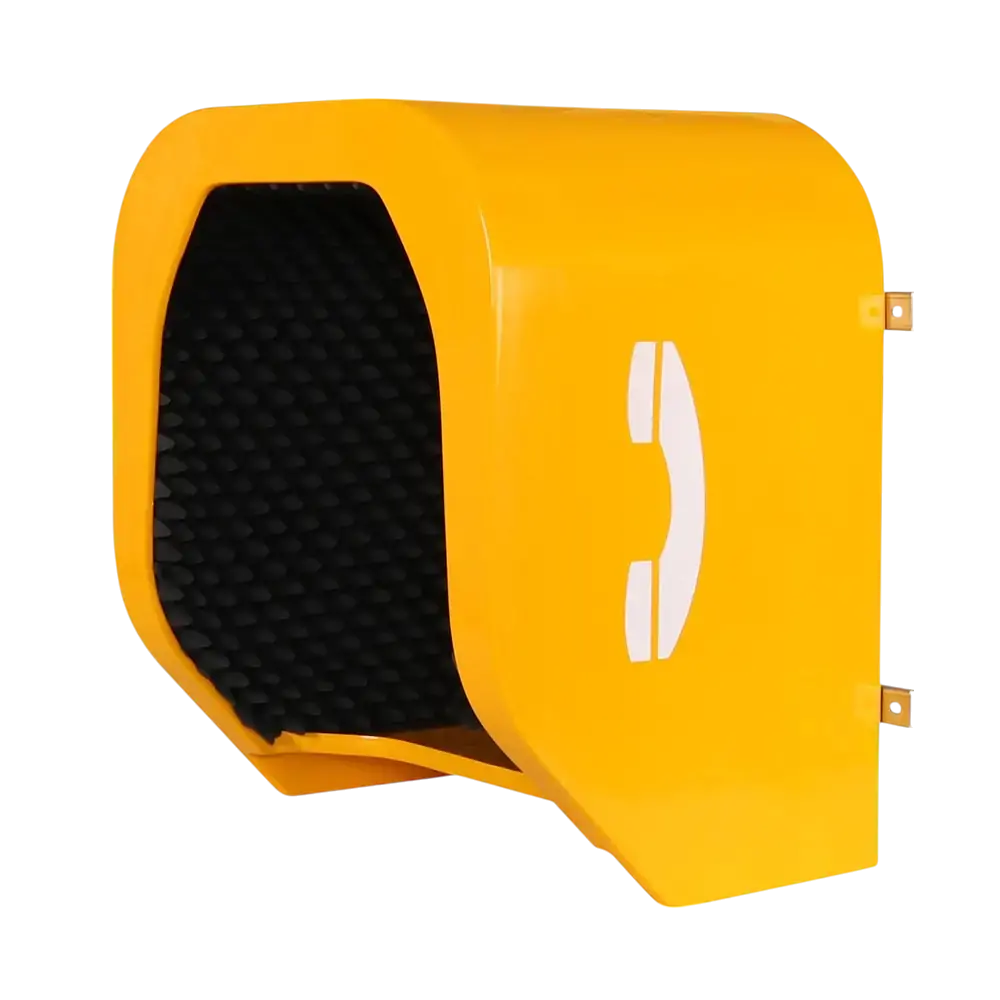
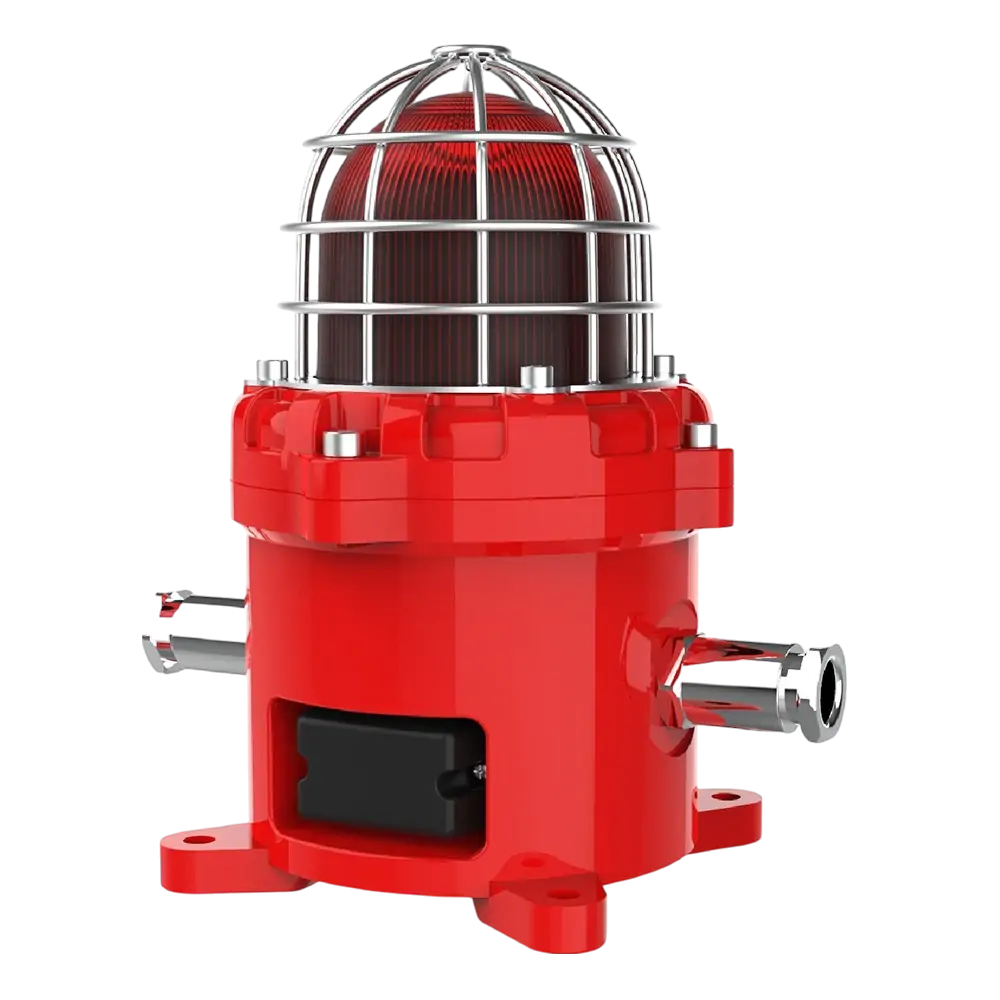
- Public Address (PA) Systems: As the backbone of mass communication, industrial-grade PA systems deliver clear, targeted voice announcements to large groups of workers across expansive areas. They integrate with emergency response systems to broadcast life-saving alerts, as well as routine updates (shift changes, safety reminders). Modern PA components are ruggedized to withstand harsh industrial conditions and support zone-specific broadcasting to minimize disruption.
- Intercom Systems: For direct, two-way communication, intercom systems enable instant conversations between specific individuals or small teams—such as control room operators and on-floor technicians, or security staff at different entry points. Advanced intercom modules support both wired and wireless connectivity, with features like noise cancellation to ensure clarity in high-noise environments, and integration with PA systems for seamless transition between one-way and two-way communication.
- Voice Communication Tools: Beyond PA and intercom, these solutions include handheld radios, wireless headsets, and voice-over-IP (VoIP) integration for mobile workers. These tools are designed for mobility, allowing staff to communicate on the go—whether on the production floor, in warehouses, or across outdoor industrial yards—with long battery life and rugged designs to withstand daily wear and tear.
- Data Communication Infrastructure: A critical element for smart manufacturing, data communication components enable the transfer of real-time operational data between devices, sensors, and control systems. This includes industrial Ethernet switches, routers, and protocols (such as Modbus RTU, PROFINET, and OPC UA) that ensure reliable data flow for monitoring production metrics, equipment performance, and supply chain logistics. These components form the foundation of “data-driven” manufacturing, enabling insights that optimize efficiency.
- Security & Compliance Modules: Industrial communication solutions must adhere to strict industry standards (e.g., EN 54, ISO 24504) to ensure safety and compliance. Security elements include encrypted communication, access control for system management, and audit trails for all messages—critical for regulated industries like oil and gas, chemical manufacturing, and pharmaceuticals.
Voice & Data Integration: The Heart of Modern Industrial Communication
The true value of comprehensive industrial communication solutions lies in their ability to integrate voice and data into a single, cohesive ecosystem. In traditional industrial settings, voice communication (PA, intercom) and data communication (sensor data, production metrics) operated in separate silos, leading to inefficiencies, delayed decision-making, and missed opportunities for optimization. Today’s solutions break down these barriers, enabling seamless integration that delivers tangible benefits for operations.
How voice & data integration works in practice:
- Real-Time Alerts Triggered by Data: When sensors detect anomalies—such as equipment malfunctions, high temperature levels, or low inventory—data signals automatically trigger voice alerts via the PA or intercom system. For example, if a production line sensor detects a drop in efficiency, the system can instantly broadcast a notification to maintenance teams, reducing downtime. This integration is particularly powerful in 5G-enabled factories, where data transfer speeds support instant alerting and response.
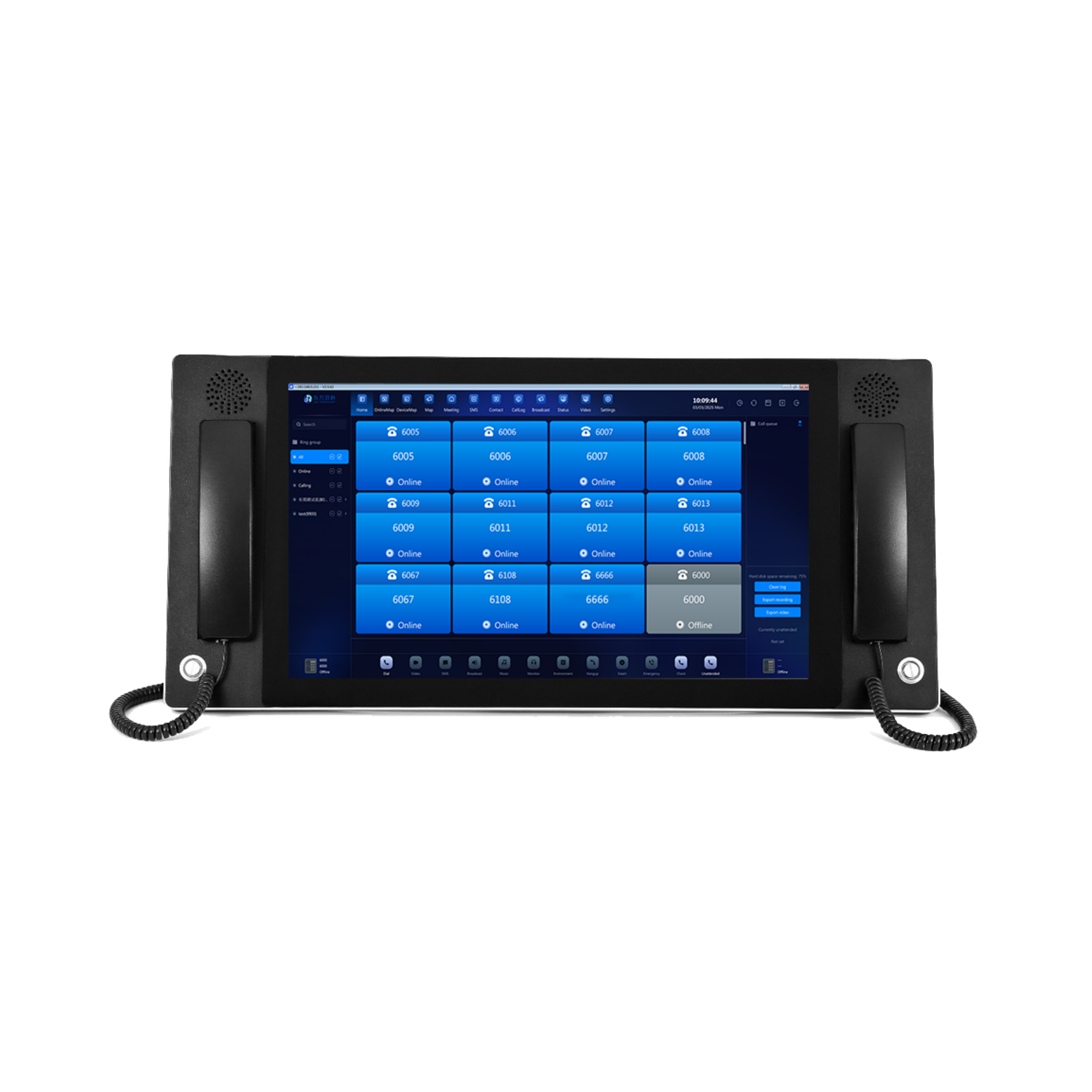
- Unified Dashboards for Visibility: Control room operators can access a single dashboard that displays both real-time data (production rates, equipment status) and voice communication logs. This visibility allows for faster decision-making—for instance, adjusting production schedules based on both data insights and real-time voice updates from the floor.
- Seamless Collaboration Across Departments: Integration enables cross-departmental communication that combines voice and data. For example, the supply chain team can share inventory data via the system, while simultaneously using voice tools to coordinate with warehouse staff on restocking—eliminating delays and miscommunication. This aligns with the “研产供销服” (R&D, production, supply, sales, service) full-chain data integration model adopted by leading manufacturers like Changhong.
- Historical Data & Communication Logs: The system stores both data metrics and voice communication logs, allowing for post-incident analysis and process optimization. For example, if a safety incident occurs, managers can review both the data leading up to the event and the voice alerts sent, identifying areas for improvement in communication or equipment monitoring.
This integration is made possible by advanced protocols like OPC UA (for cross-platform data sharing) and MQTT (for cloud-edge data synchronization), which ensure reliable, secure communication between voice and data components—even in large, complex industrial environments.
Platform Management: Centralized Control for Efficiency
Comprehensive industrial communication solutions are designed to simplify management, even for large-scale operations with multiple communication tools and expansive coverage areas. Centralized platform management is a key feature that allows IT teams and plant managers to control, monitor, and maintain the entire communication ecosystem from a single interface—reducing administrative overhead and ensuring consistent performance.
Key capabilities of platform management for industrial communication solutions include:
- Centralized Configuration & Monitoring: Managers can configure all system components—PA zones, intercom devices, voice tools, and data sensors—from a single dashboard. Real-time monitoring alerts teams to issues like equipment failures, signal disruptions, or low battery levels, enabling proactive maintenance and minimizing downtime. Advanced platforms, similar to Changhong’s central control system, even support real-time monitoring of global factory data from a single interface.
- User Access Control: The platform allows for granular user permissions, ensuring that only authorized staff can access sensitive features—such as emergency alert broadcasting or system configuration. This enhances security and compliance, particularly in regulated industries.
- Scalability & Flexibility: As operations grow, the platform can easily scale to add new devices, zones, or communication tools—without requiring a complete system overhaul. IP-based management systems support remote expansion, making it easy to add new facilities or production lines to the communication ecosystem. This scalability is critical for manufacturers expanding their digital footprint, such as Changhong’s integration of 65 factories into a single data network.
- Automation & Scheduling: Routine communication tasks—such as daily shift announcements or safety reminders—can be automated and scheduled in advance, freeing up staff time for more critical tasks. The platform can also automate emergency workflows, such as triggering PA alerts and locking down specific zones in the event of a crisis.
- Remote Management: Cloud-based management platforms enable remote access, allowing managers to monitor and control the system from anywhere—whether in the office, off-site, or on the go. This is particularly valuable for businesses with multiple facilities, as it ensures consistent management across all locations.
Tools like PLC-CommunTools further enhance platform management by providing integrated debugging capabilities for communication protocols, ensuring that voice and data components work seamlessly together across different devices and brands.
Use Case Scenarios: How Industrial Communication Solutions Drive Results
Comprehensive industrial communication solutions are versatile and adaptable, with use cases spanning across various manufacturing environments and operational needs. Below are real-world scenarios that demonstrate how these solutions solve common industrial communication challenges and deliver measurable benefits—drawing from industry leaders like Changhong and other smart manufacturing pioneers:
1. Smart Manufacturing Plant: Streamlining Production & Maintenance
A large-scale electronics manufacturing plant (similar to Changhong’s智慧显示工厂) implemented a comprehensive industrial communication solution to integrate its PA system, intercoms, sensor data, and voice tools. The solution enabled:
- Real-time data from production line sensors (e.g., mechanical arm performance, AGV小车 status) to trigger voice alerts via intercom to maintenance teams when anomalies were detected, reducing equipment downtime by 35%.
- Zone-specific PA announcements to coordinate shift changes and production updates, minimizing disruption to ongoing operations. For example, production schedule changes are only broadcast to relevant workstations, avoiding unnecessary interruptions to other teams.
- Unified dashboards for control room operators to monitor both data metrics (e.g., production rates, defect rates) and voice communication, enabling faster decision-making and optimizing production efficiency by 28%. This aligns with Changhong’s “data-driven” manufacturing approach, where real-time data and communication work together to improve performance.
2. Chemical Manufacturing Facility: Enhancing Safety & Compliance
A chemical plant (a regulated environment with strict safety requirements) deployed a solution with integrated PA, intercom, and security modules to meet industry compliance standards (e.g., ATEX, EN 54). The solution delivered:
- Instant emergency PA alerts (e.g., chemical leak, fire) triggered by sensor data, with pre-recorded safety instructions in multiple languages to ensure all workers understood evacuation protocols. The system also integrates with emergency response tools (e.g., gas detectors, fire suppression systems) to coordinate a unified safety response.
- Encrypted two-way intercom communication between on-site staff and emergency responders, ensuring secure, clear communication during crises. This is critical in hazardous environments where miscommunication could lead to serious safety risks.
- Audit trails of all voice announcements and data logs, ensuring compliance with industry safety regulations and simplifying regulatory audits. The solution also includes防爆-certified devices to withstand the plant’s harsh, hazardous conditions.
3. Large Warehouse & Distribution Center: Improving Logistics Collaboration
A global warehouse and distribution center (similar to Changhong’s supply chain facilities) used a comprehensive solution to integrate its PA system, wireless voice tools, and inventory data. The results included:
- Seamless communication between warehouse staff (using wireless headsets) and supply chain teams (via VoIP integration) to coordinate inventory restocking and order fulfillment, reducing order processing time by 40%. This aligns with Changhong’s full-chain data integration, where supply chain communication and data work together to improve efficiency.
- PA announcements to alert staff to incoming shipments or inventory shortages, ensuring timely responses and preventing stockouts. For example, low inventory alerts are broadcast to warehouse staff, who can quickly restock shelves before operations are impacted.


 Petrochemical FacilitiesDetails
 Offshore Oil Drilling PlatformsDetails
 Onshore Oil PlatformsDetails
 Industrial & Manufacturing FacilitiesDetails
 Nuclear Power PlantsDetails
 Mining Communication SystemsDetails
 Expressways & HighwaysDetails
 Utility TunnelsDetails
 Heavy Machinery Zones (Cranes)Details
 Pharmaceutical Plants & CleanroomsDetails
 Correctional FacilitiesDetails
 Healthcare & Campus FacilitiesDetails
 Smart CitiesDetails
 4G Communication SolutionsDetails
 Wind Power PlantsDetails