Ruggedness Criteria
In industries such as mining, oil and gas, transportation, and heavy manufacturing, communication equipment must operate in conditions far more demanding than those found in typical office environments. Dust, moisture, vibration, and mechanical impact can quickly damage ordinary devices. This is why a specialized industrial telephone is essential for maintaining reliable communication in harsh environments.
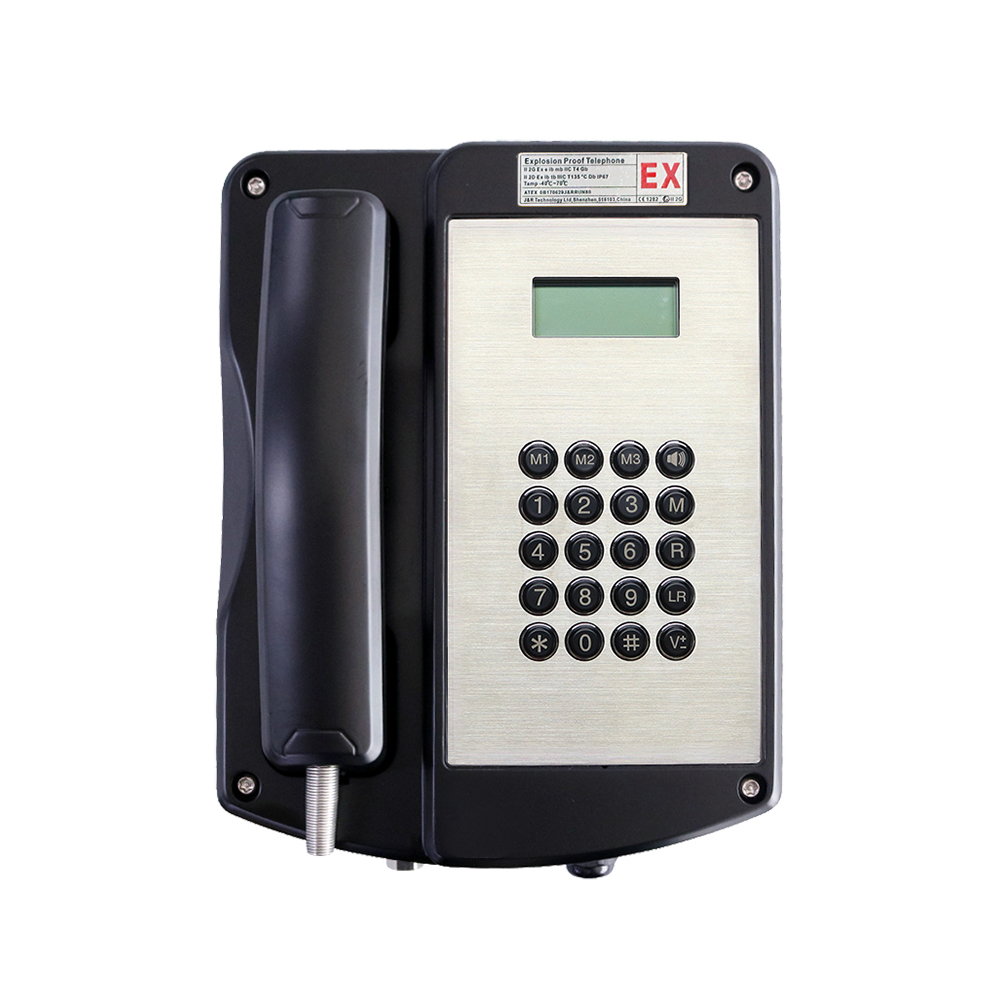
One of the primary criteria for industrial communication equipment is ruggedness. Industrial telephones are designed with reinforced housings and shock-resistant structures that allow them to withstand physical impacts, accidental drops, and constant vibrations caused by heavy machinery.
In addition, these telephones are often mounted in exposed locations such as tunnels, factory floors, offshore platforms, and outdoor facilities. Their structural design must ensure long-term durability even when subjected to continuous operational stress.
Rugged design not only protects the device but also ensures uninterrupted communication when it matters most—especially during emergencies or critical operational events.
Material & Sealing Standards
Material selection and sealing technologies play a vital role in determining the durability of an industrial telephone.
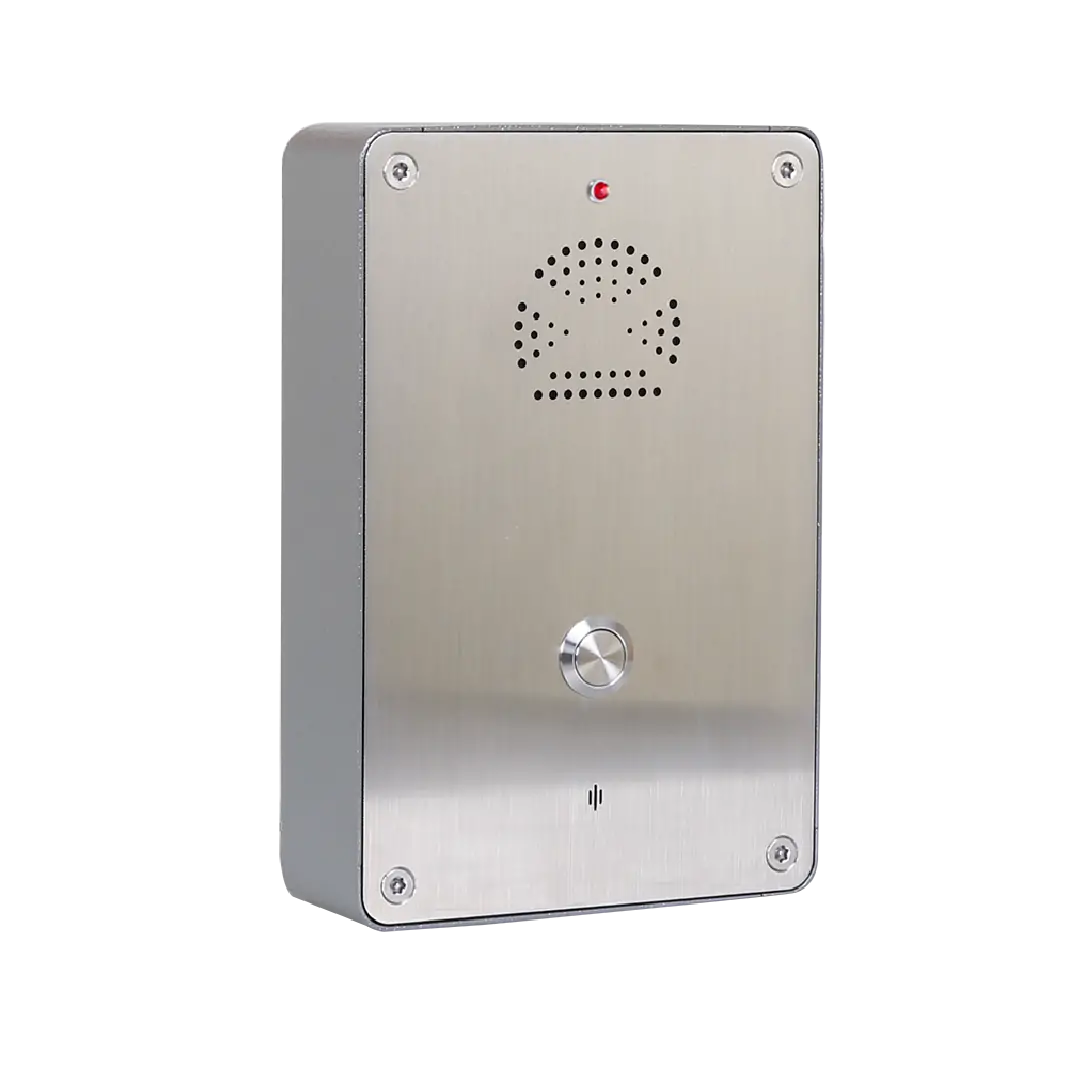
High-quality industrial telephones are typically constructed from robust materials such as stainless steel, aluminum alloy, or reinforced industrial-grade plastics. These materials provide high mechanical strength while also resisting environmental damage.
Equally important is protection against dust and water ingress. Industrial communication devices are usually built according to internationally recognized ingress protection standards. Sealed enclosures, waterproof gaskets, and protective cable glands prevent contaminants from entering sensitive electronic components.
These protective measures are especially important in industries such as mining, chemical processing, and offshore oil platforms, where airborne particles and moisture are common. Without proper sealing, internal circuits could quickly degrade, leading to communication failures.
Audio Clarity in Noisy Areas
Industrial workplaces are often extremely noisy environments. Machinery, ventilation systems, drilling equipment, and transportation vehicles can generate sound levels that make ordinary communication devices ineffective.
A reliable industrial telephone must therefore be designed to maintain clear audio transmission even in high-noise conditions. Many models incorporate noise-canceling microphones that filter out background noise while amplifying the user’s voice.
High-power speakers are also used to ensure incoming messages can be heard clearly. Some devices include automatic volume control, which adjusts output levels based on ambient noise conditions.
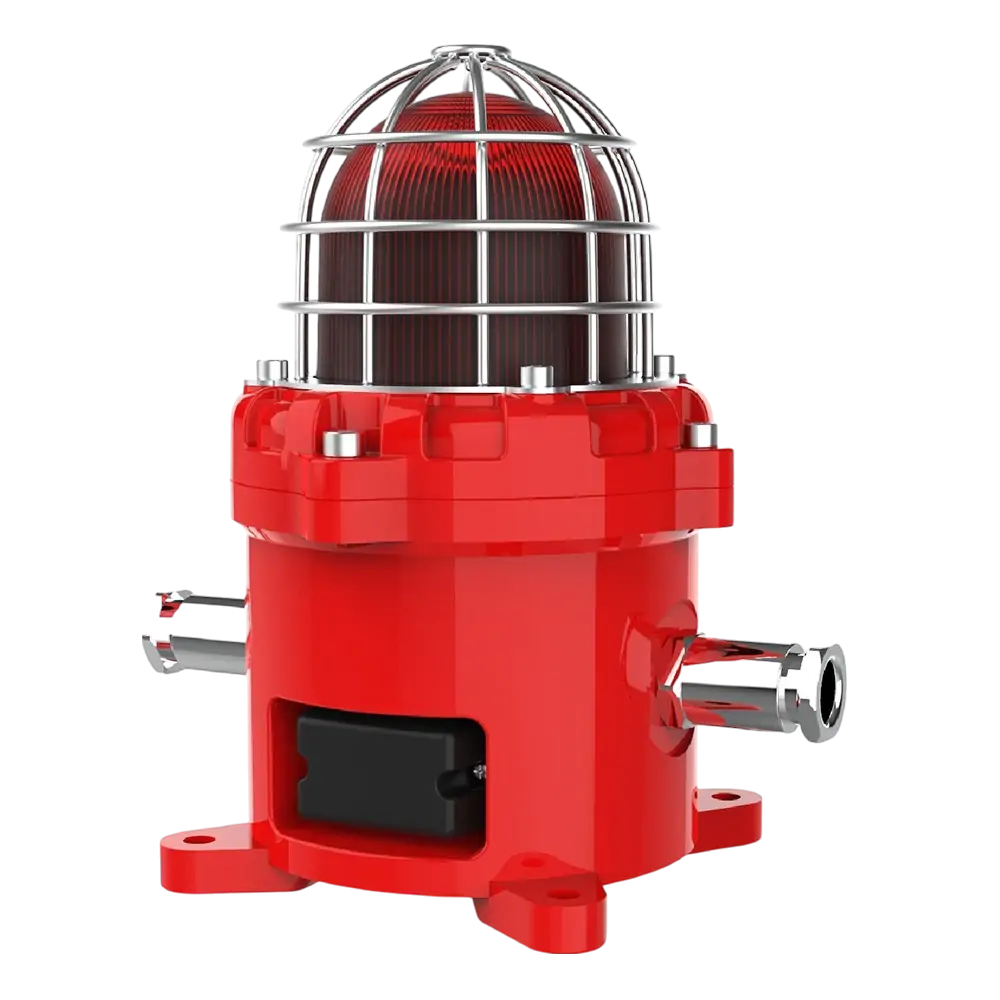
In particularly loud environments, industrial telephones may also support external loudspeakers or integrated broadcast systems. These features help ensure that important instructions and safety alerts are not missed by personnel working in noisy operational zones.
Temperature & Corrosion Resistance
Extreme temperatures and corrosive environments can significantly affect electronic equipment. Industrial telephones must therefore be designed to withstand wide temperature ranges and harsh chemical exposure.
In outdoor facilities, devices may face freezing winter temperatures or intense summer heat. Industrial telephones are typically engineered to operate reliably across a broad temperature range, ensuring consistent performance in both hot and cold climates.
Corrosion resistance is equally important, particularly in marine and chemical environments. Offshore platforms and coastal facilities expose equipment to salt spray and high humidity, which can rapidly corrode metal components.
To address this issue, industrial telephones often feature corrosion-resistant coatings, stainless steel hardware, and sealed electronic compartments. These protective features extend the lifespan of the equipment and reduce maintenance requirements.
In hazardous industrial areas where explosive gases may be present, specialized explosion-proof devices are required. Such equipment must comply with international safety standards such as those described in atex vs iecex certification, ensuring safe operation in potentially explosive atmospheres.
Installation Guidelines
Proper installation is another important factor that affects the reliability of an industrial telephone.
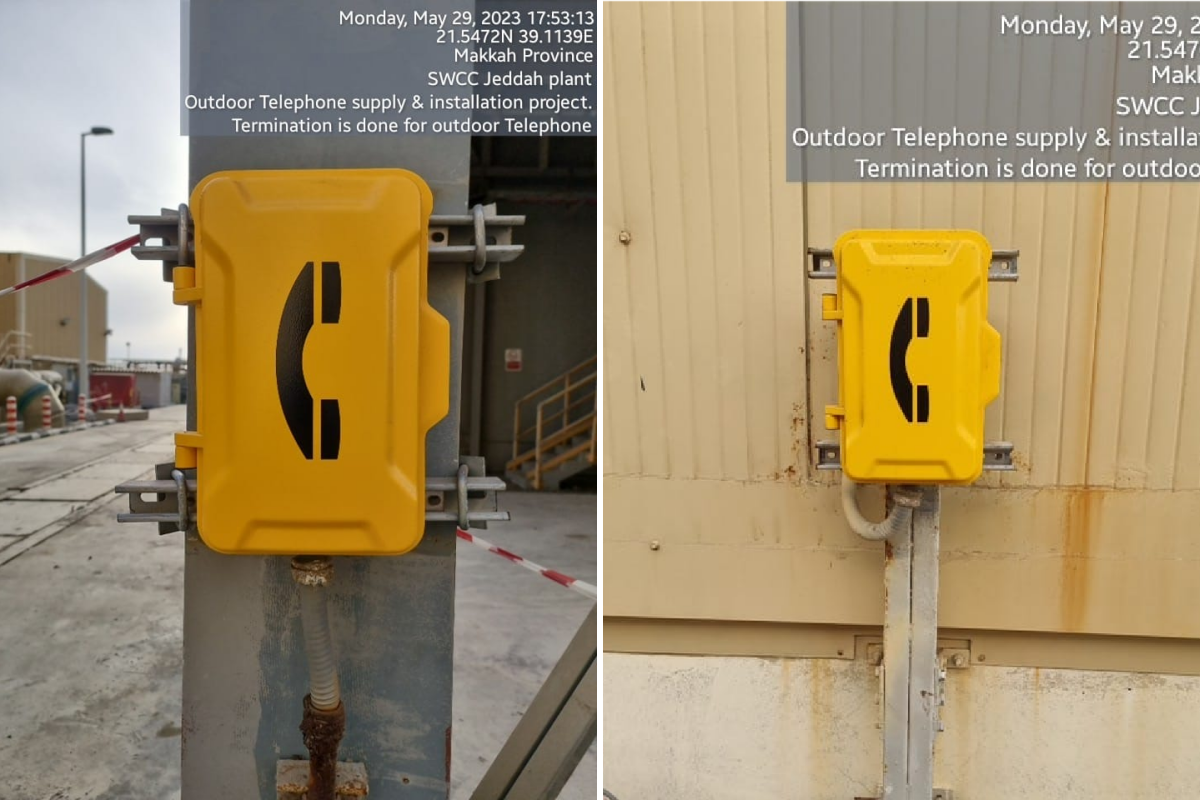
Industrial telephones are typically installed at strategic locations throughout a facility, including production lines, control rooms, tunnels, and emergency access points. The placement of these devices should allow workers to reach them quickly during routine operations or emergency situations.
Mounting methods must also ensure mechanical stability. Secure wall brackets or protective enclosures help prevent damage from vibrations or accidental impacts.
Network integration is another key consideration. Modern industrial telephones may operate through analog lines, VoIP networks, or integrated industrial communication platforms. Integrating them with broader secure communication solutions allows organizations to create centralized communication systems that support monitoring, dispatching, and emergency response.
Regular maintenance and testing are also recommended to ensure that all devices remain operational and ready for use.
Conclusion
Reliable communication is a critical requirement in harsh industrial environments. A well-designed industrial telephone combines rugged construction, advanced sealing technology, high-quality audio performance, and resistance to extreme environmental conditions.
By selecting equipment that meets these demanding requirements and installing it properly within a comprehensive communication network, industrial facilities can ensure dependable communication even in the toughest operational environments.


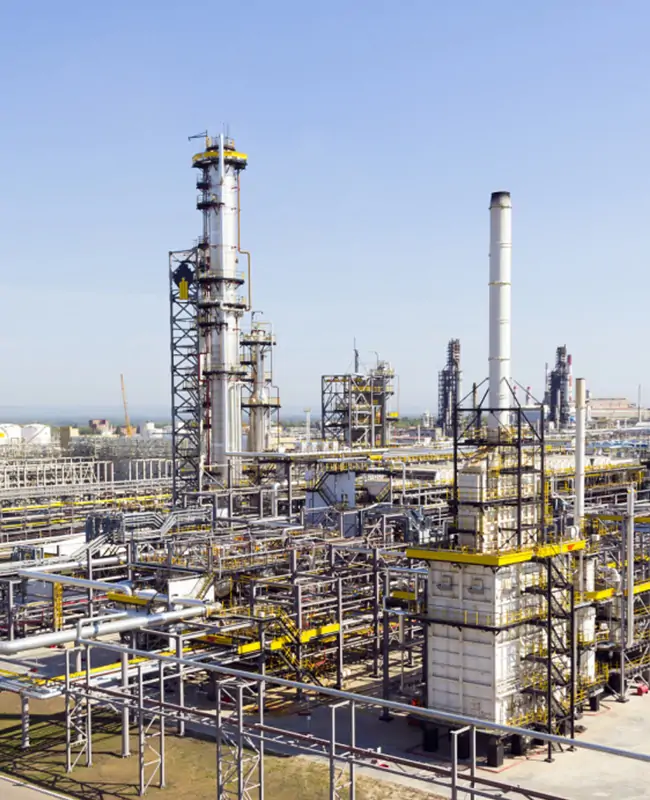 Petrochemical FacilitiesDetails
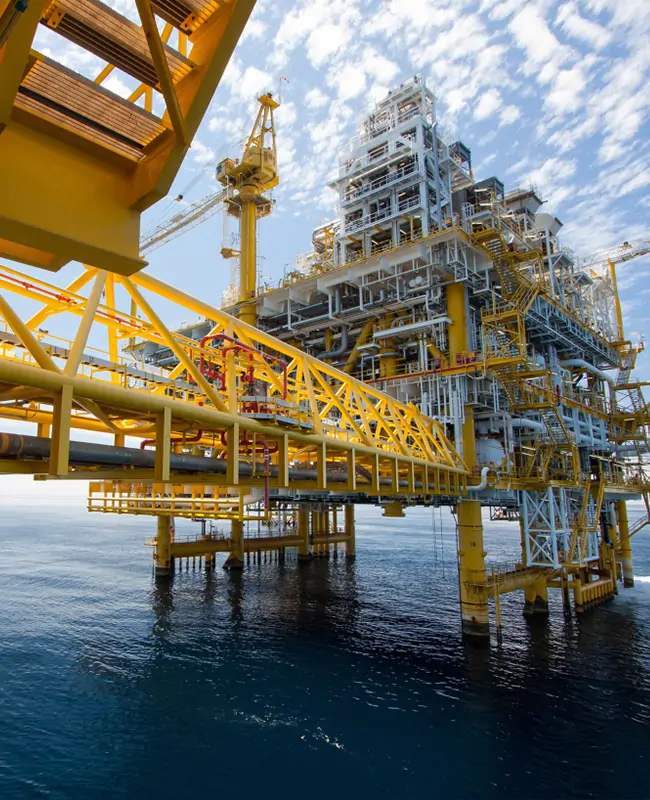 Offshore Oil Drilling PlatformsDetails
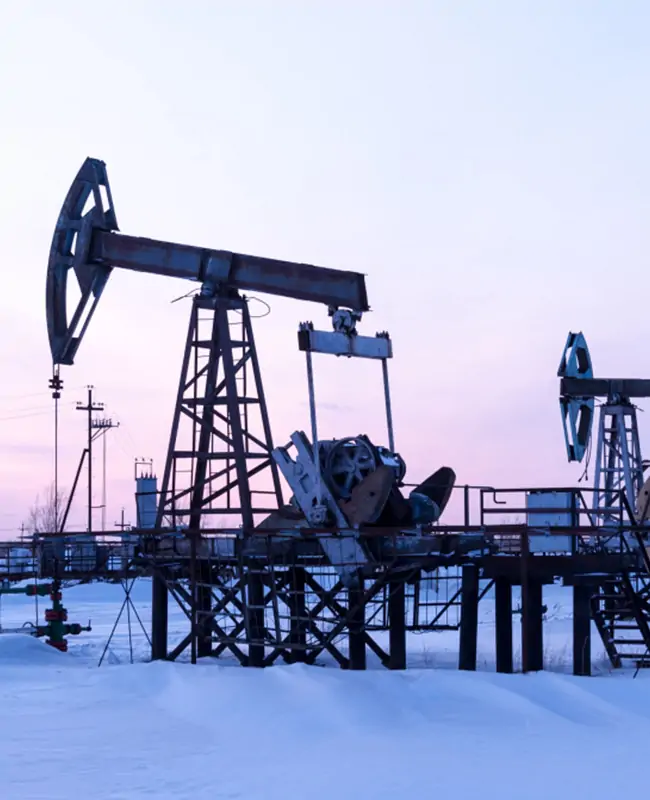 Onshore Oil PlatformsDetails
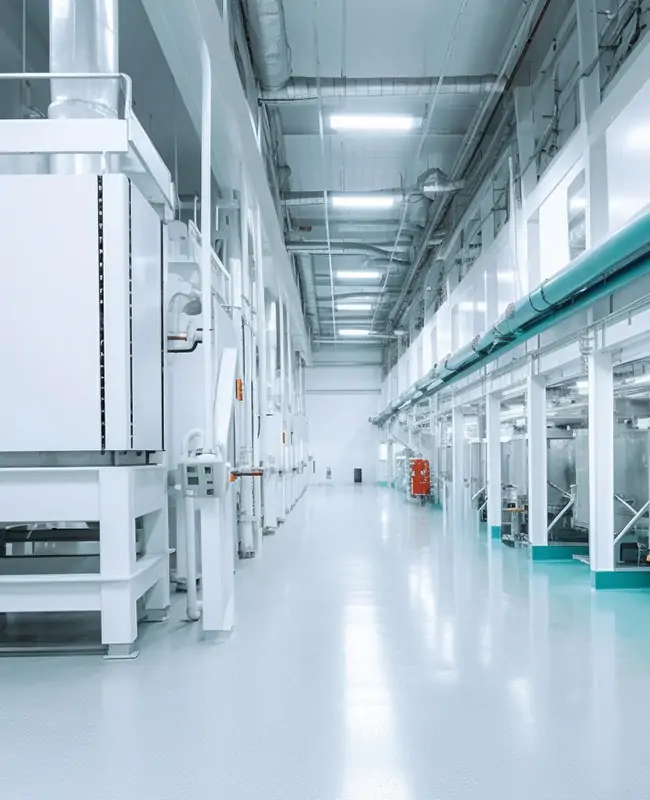 Industrial & Manufacturing FacilitiesDetails
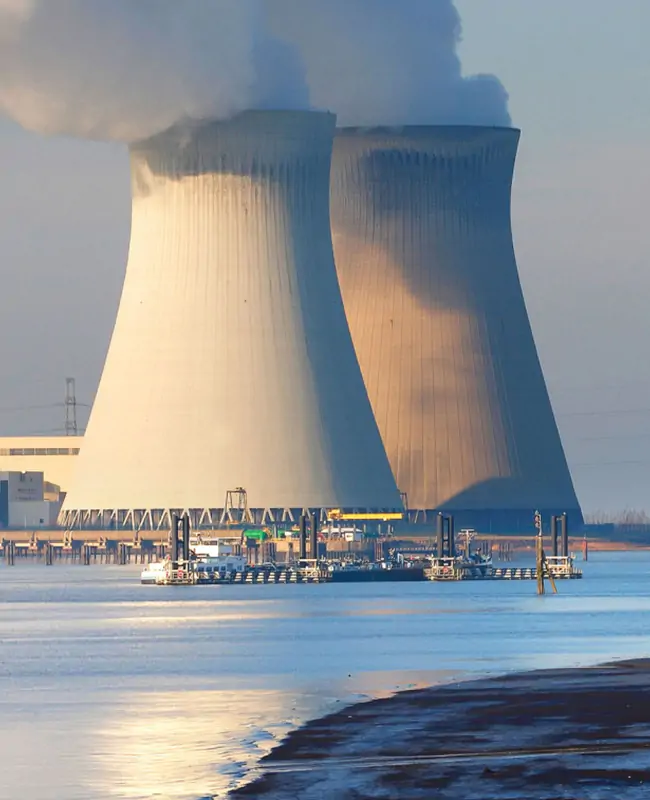 Nuclear Power PlantsDetails
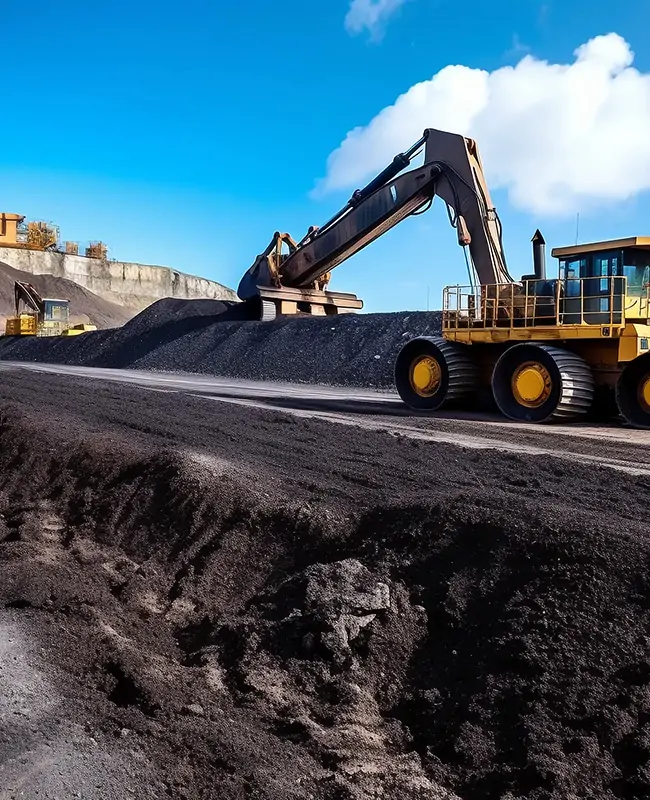 Mining Communication SystemsDetails
 Expressways & HighwaysDetails
 Utility TunnelsDetails
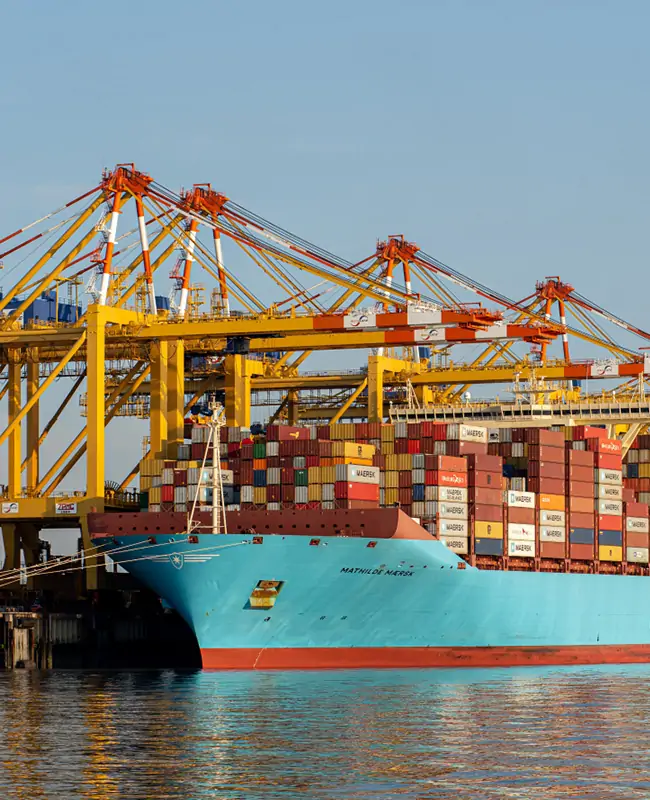 Heavy Machinery Zones (Cranes)Details
 Pharmaceutical Plants & CleanroomsDetails
 Correctional FacilitiesDetails
 Healthcare & Campus FacilitiesDetails
 Smart CitiesDetails
 4G Communication SolutionsDetails
 Wind Power PlantsDetails