Offshore Connectivity Challenges
Many people ask: can you get WiFi on an oil rig? The short answer is yes—but maintaining reliable connectivity offshore remains a complex challenge.
Oil rigs are typically located dozens or even hundreds of kilometers away from the nearest coastline. Unlike urban environments, offshore platforms cannot rely on traditional terrestrial communication infrastructure such as fiber networks or cellular towers. This isolation makes providing stable internet access significantly more difficult.
In addition, oil rigs operate in harsh environments where extreme weather conditions, strong winds, and saltwater corrosion can impact communication equipment. Large metal structures, drilling machinery, and multiple deck levels can also block or weaken wireless signals.
Operational requirements further complicate connectivity. Modern offshore platforms rely heavily on digital systems for monitoring drilling equipment, transmitting operational data, coordinating logistics, and supporting crew communication. These demands require high-bandwidth and highly reliable networks.
As a result, building stable communication networks offshore requires a combination of advanced infrastructure, specialized equipment, and carefully designed signal distribution systems.
Equipment Requirements
Deploying WiFi on an offshore oil rig requires equipment designed specifically for industrial and marine environments.
Industrial-grade wireless access points are commonly installed throughout the platform to provide coverage across living quarters, operational decks, and control rooms. These devices must support high user density and maintain stable connections despite interference from heavy machinery.
Communication backhaul is another critical component. Offshore platforms typically rely on satellite links or microwave communication systems to connect with onshore networks. Satellite communication remains the most widely used option because it can provide connectivity even in extremely remote ocean locations.
In many cases, WiFi networks are integrated with broader industrial communication systems that combine wired and wireless technologies. As explained in discussions around wired vs wireless communication, hybrid network architectures often provide the best balance between reliability, speed, and flexibility.
Signal Routing Techniques
Ensuring consistent WiFi coverage across a large offshore platform requires strategic signal routing and network design.
Oil rigs often consist of multiple levels and separated modules, including drilling areas, living quarters, storage zones, and control rooms. Each area may require dedicated access points to ensure strong signal coverage.
Network engineers typically design distributed wireless architectures, placing access points throughout the structure to minimize signal blind spots. Directional antennas may also be used to guide signals across open deck spaces or between separate structures.
In areas where wireless signals struggle to penetrate heavy metal structures, wired backbone connections—such as fiber optic cables—are often used to link different network segments. This approach helps ensure stable high-speed data transmission between access points.
Such hybrid designs allow oil rigs to combine the reliability of wired infrastructure with the flexibility of wireless connectivity, creating more resilient offshore communication systems.
Environmental Protection Needs
Offshore oil rigs present extremely demanding environmental conditions that communication equipment must withstand.
Saltwater exposure can cause corrosion, while high humidity and temperature fluctuations may damage sensitive electronic components. Equipment installed on open decks must also withstand strong winds, heavy rain, and potential wave spray.
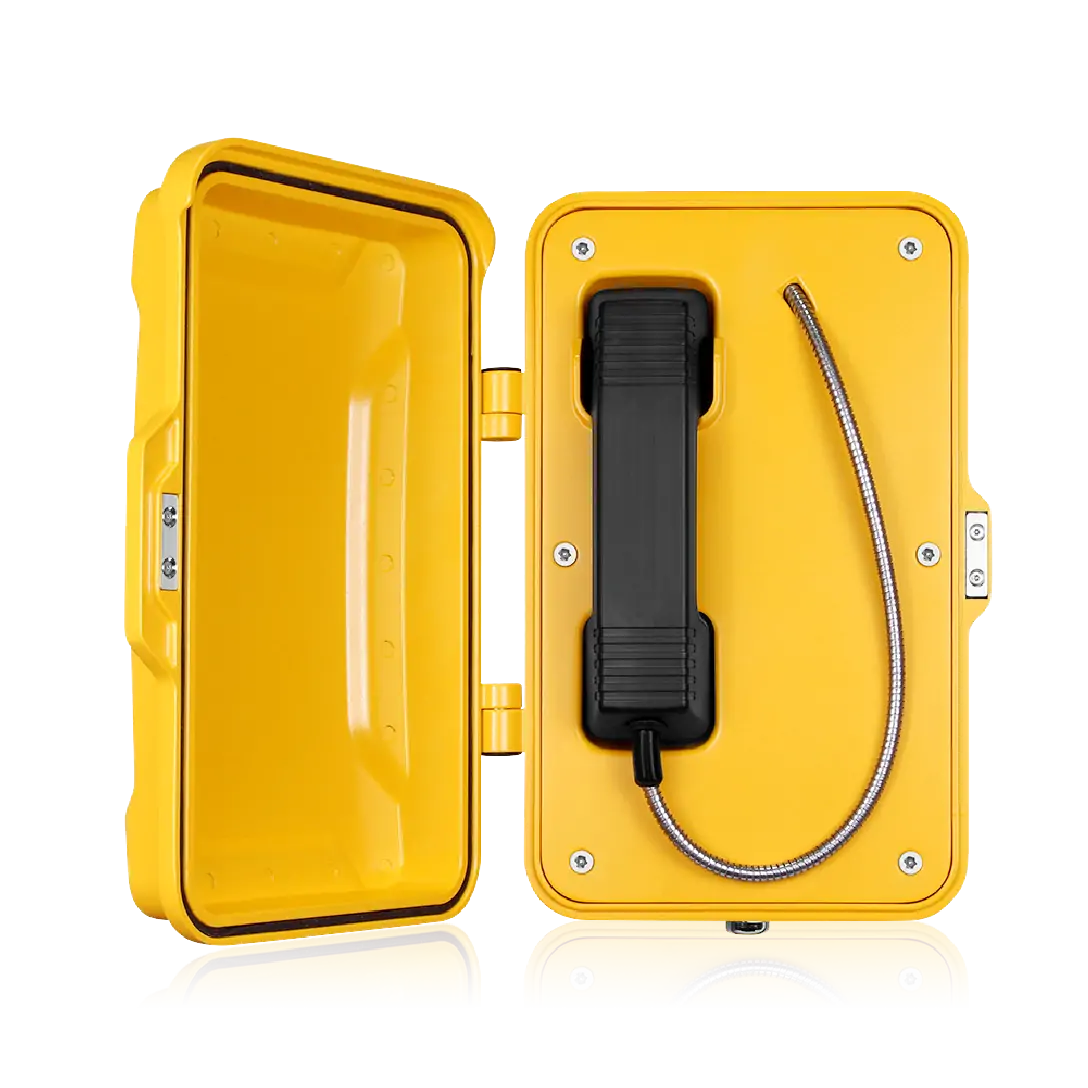
To address these risks, communication devices used on oil rigs must be designed with robust environmental protection. Weatherproof enclosures, corrosion-resistant materials, and sealed connectors are essential for long-term reliability.
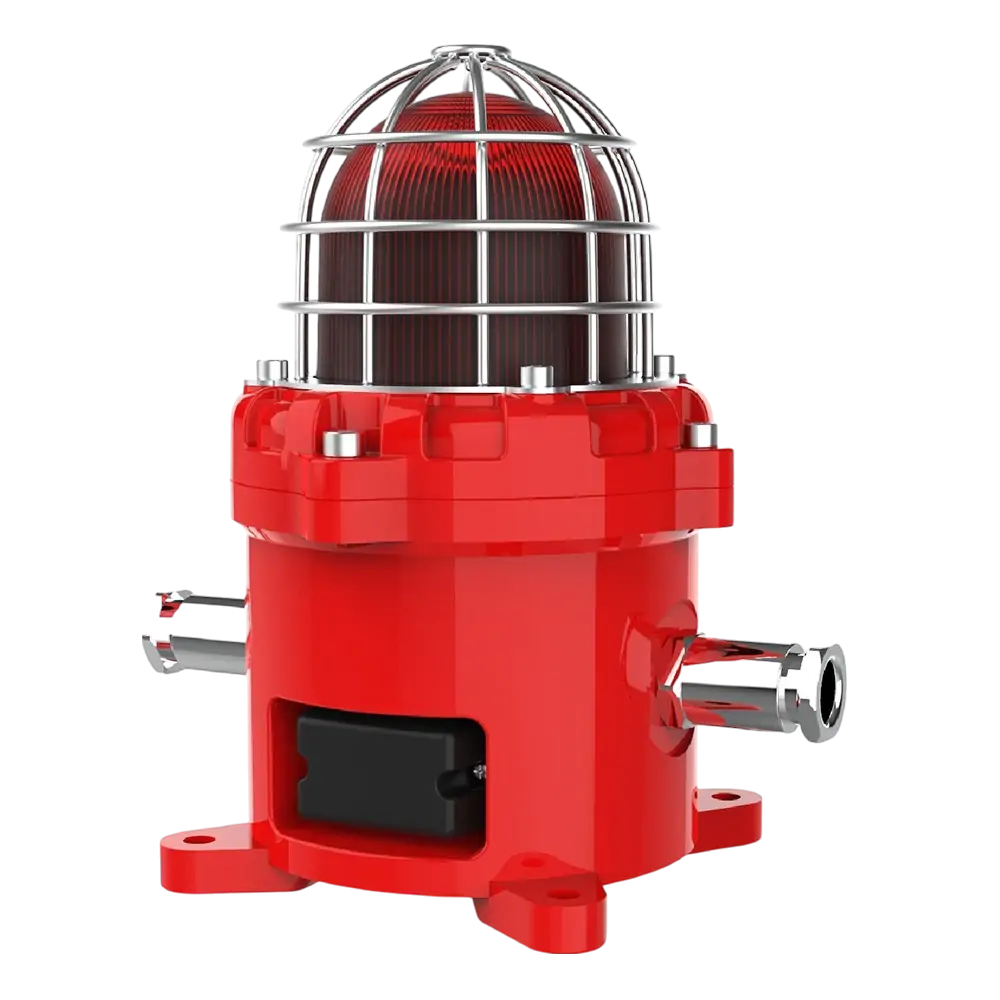
In hazardous zones where flammable gases or vapors may be present, communication equipment must also meet strict explosion-protection standards. Specialized industrial devices are often deployed to ensure safe operation without creating ignition risks.
Proper equipment selection and protective design are therefore critical when implementing WiFi networks in offshore oil and gas environments.
Future Innovations
Although offshore connectivity has traditionally been difficult, new technologies are rapidly improving communication capabilities on oil rigs.
Low-earth orbit (LEO) satellite networks are emerging as a promising solution for high-speed offshore internet access. Compared with traditional geostationary satellites, LEO systems offer lower latency and higher bandwidth, making them better suited for modern digital operations.
Private industrial 5G networks are also being explored for offshore applications. These networks could provide high-speed wireless connectivity for autonomous equipment, remote monitoring systems, and real-time data analytics.
At the same time, offshore communication systems are becoming increasingly integrated with broader digital infrastructures such as smart city communication networks, enabling better data exchange between offshore assets and onshore control centers.
As these technologies continue to develop, the question “can you get WiFi on an oil rig?” will increasingly shift from feasibility to optimization—focusing on how to deliver faster, more secure, and more resilient connectivity in offshore environments.
Conclusion
Providing reliable WiFi on an offshore oil rig remains technically challenging due to distance from shore, harsh environmental conditions, and complex platform structures. However, modern communication solutions—combining satellite links, industrial wireless networks, and wired infrastructure—are making stable connectivity increasingly achievable.
By deploying rugged equipment, designing efficient signal routing strategies, and adopting emerging communication technologies, offshore operators can build reliable networks that support both operational efficiency and crew welfare in remote marine environments.


 Petrochemical FacilitiesDetails
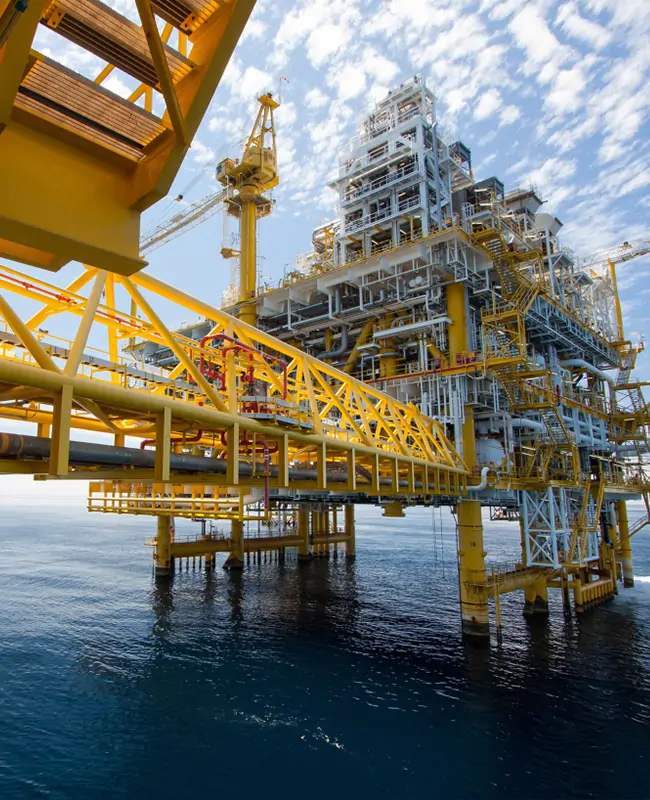 Offshore Oil Drilling PlatformsDetails
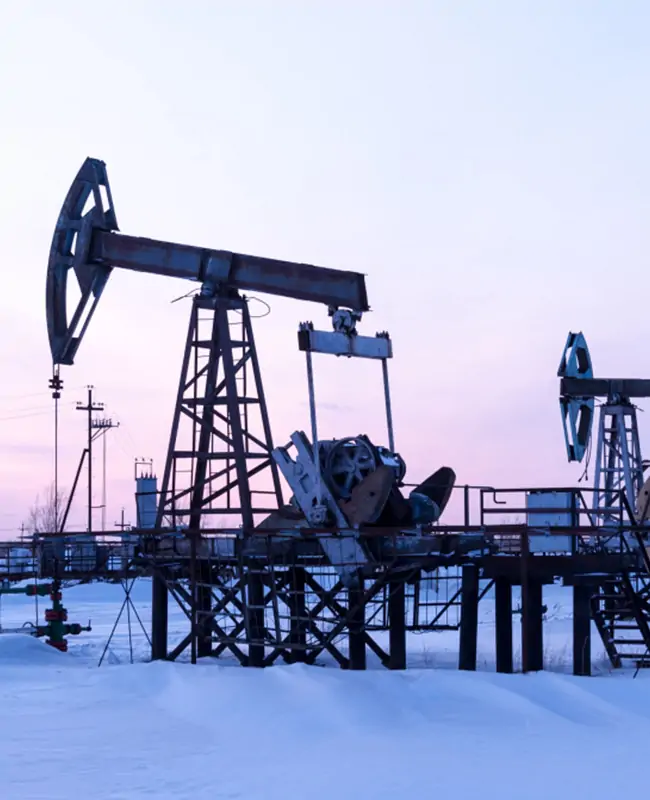 Onshore Oil PlatformsDetails
 Industrial & Manufacturing FacilitiesDetails
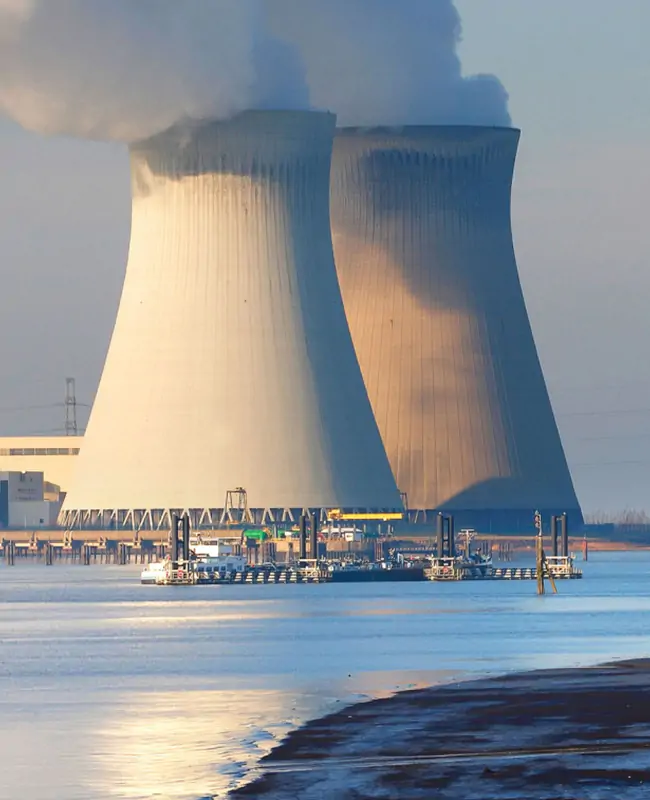 Nuclear Power PlantsDetails
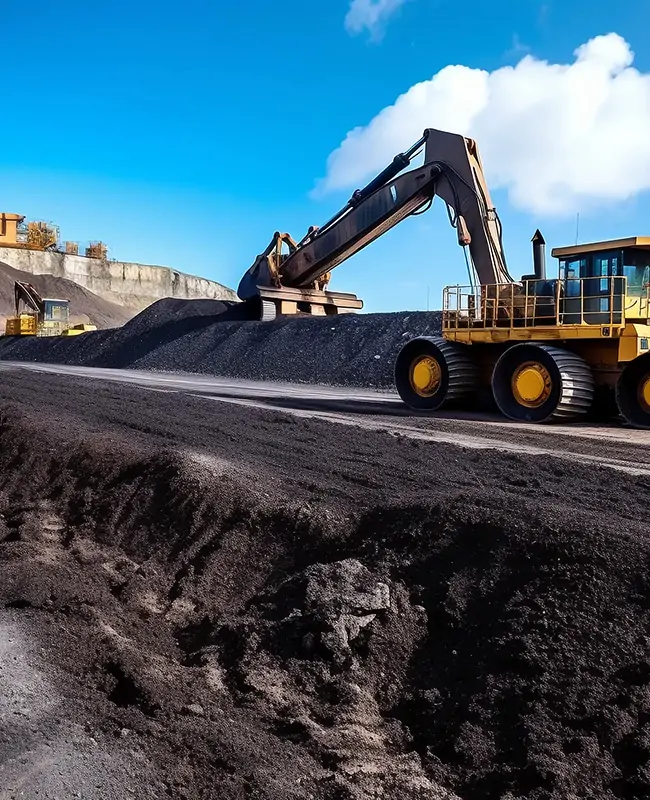 Mining Communication SystemsDetails
 Expressways & HighwaysDetails
 Utility TunnelsDetails
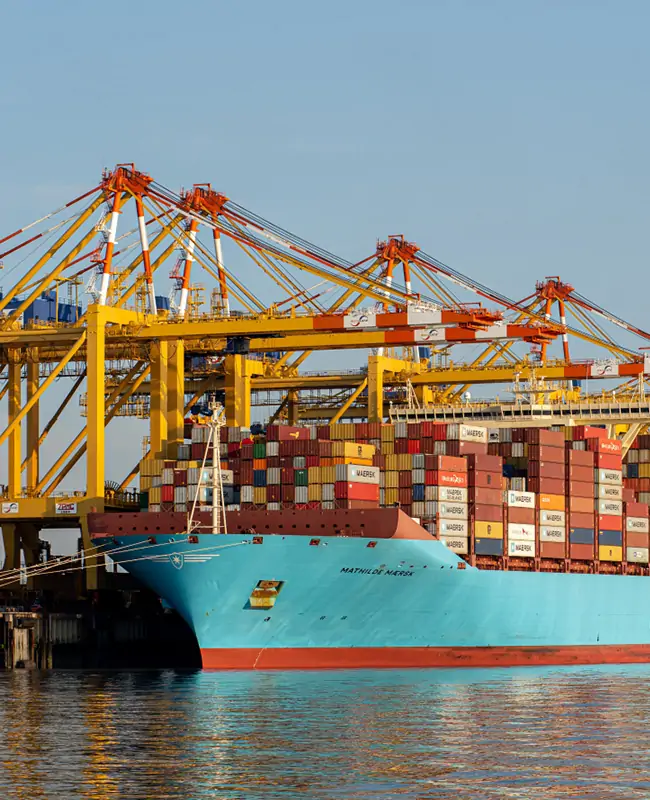 Heavy Machinery Zones (Cranes)Details
 Pharmaceutical Plants & CleanroomsDetails
 Correctional FacilitiesDetails
 Healthcare & Campus FacilitiesDetails
 Smart CitiesDetails
 4G Communication SolutionsDetails
 Wind Power PlantsDetails