Modern industrial environments are becoming increasingly dynamic. Production lines shift, temporary work zones appear, and mobile teams move constantly across factories, warehouses, ports, and energy facilities. In such flexible layouts, traditional hard-wired communication infrastructure can limit mobility and slow down operations.
An industrial wireless intercom system offers a practical solution. By eliminating fixed cabling while maintaining reliable voice communication, wireless intercoms allow teams to stay connected wherever work happens. The result is faster coordination, improved safety response, and greater operational agility.
But can wireless systems truly match the stability and performance of wired intercoms? Let’s examine the key factors.

Wireless vs Wired Intercoms
Wired intercom systems have long been the standard in heavy industry due to their stability and predictable performance. Physical cabling ensures low latency, minimal interference, and consistent uptime.
However, wired deployments also present clear limitations:
-
Complex installation and trenching
-
High labor and material costs
-
Limited flexibility for layout changes
-
Downtime during relocation or expansion
Wireless intercoms remove these constraints. Without fixed cables, devices can be relocated or expanded quickly, making them ideal for:
While wired systems still excel in fixed, mission-critical nodes, wireless solutions dramatically increase mobility and adaptability.
Network Requirements
A reliable wireless intercom network depends heavily on proper infrastructure planning. Unlike consumer Wi-Fi setups, industrial environments require enterprise-grade connectivity.
Typical requirements include:
-
Dedicated industrial Wi-Fi or private LTE/5G networks
-
Sufficient bandwidth for simultaneous voice streams
-
Low latency (generally under 100 ms)
-
Redundant access points
-
Seamless roaming between coverage zones
Network segmentation is also essential to prevent congestion from non-critical traffic. Many facilities integrate wireless intercoms into broader industrial communication solutions that unify voice, paging, alarms, and monitoring under one managed platform.
When engineered correctly, wireless performance can approach the reliability of wired systems while offering significantly more flexibility.
Audio Quality and Range
Clear audio remains the most critical performance metric for any intercom system, particularly in noisy industrial spaces.
Modern wireless intercoms address this through:
-
Noise-canceling microphones
-
Acoustic echo cancellation
-
High-output speakers
-
Digital voice codecs
-
Push-to-talk and full-duplex modes
Coverage range varies depending on the network type. Wi-Fi systems typically cover hundreds of meters per access point, while private LTE or 5G can extend across entire facilities or campuses.
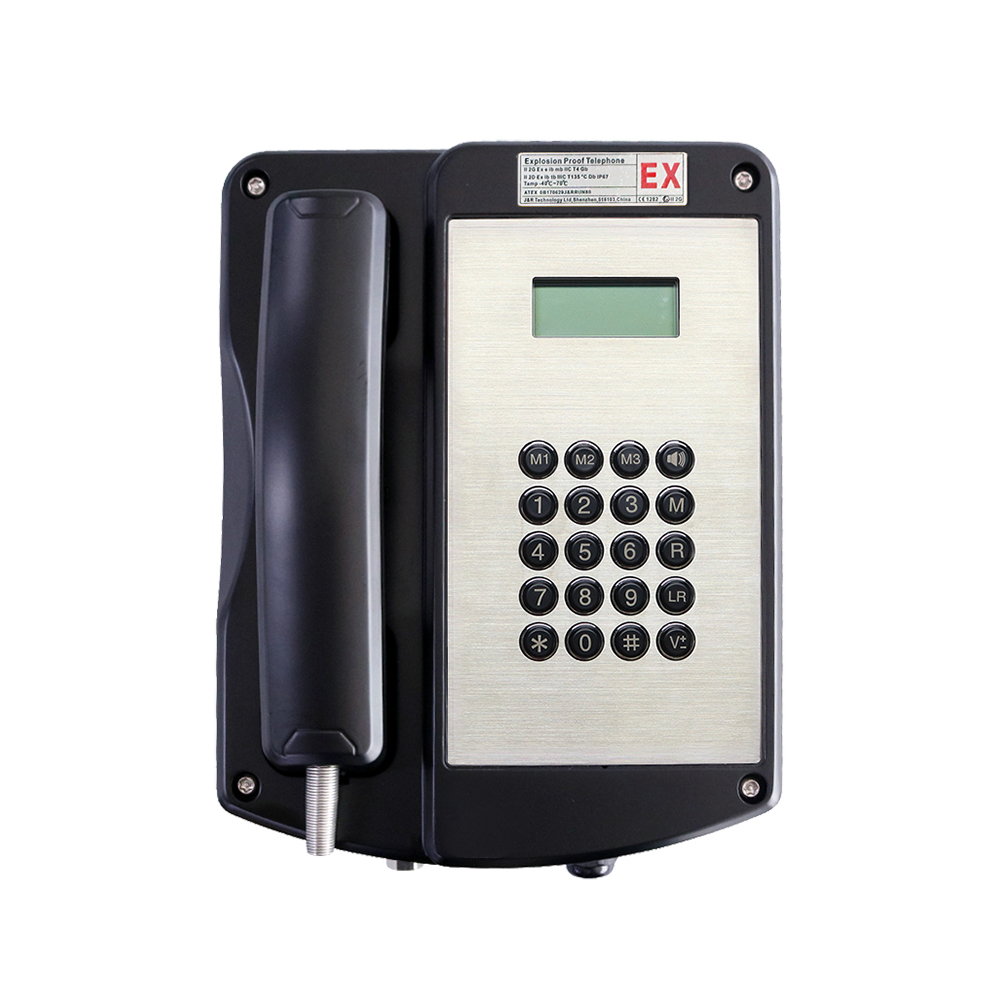
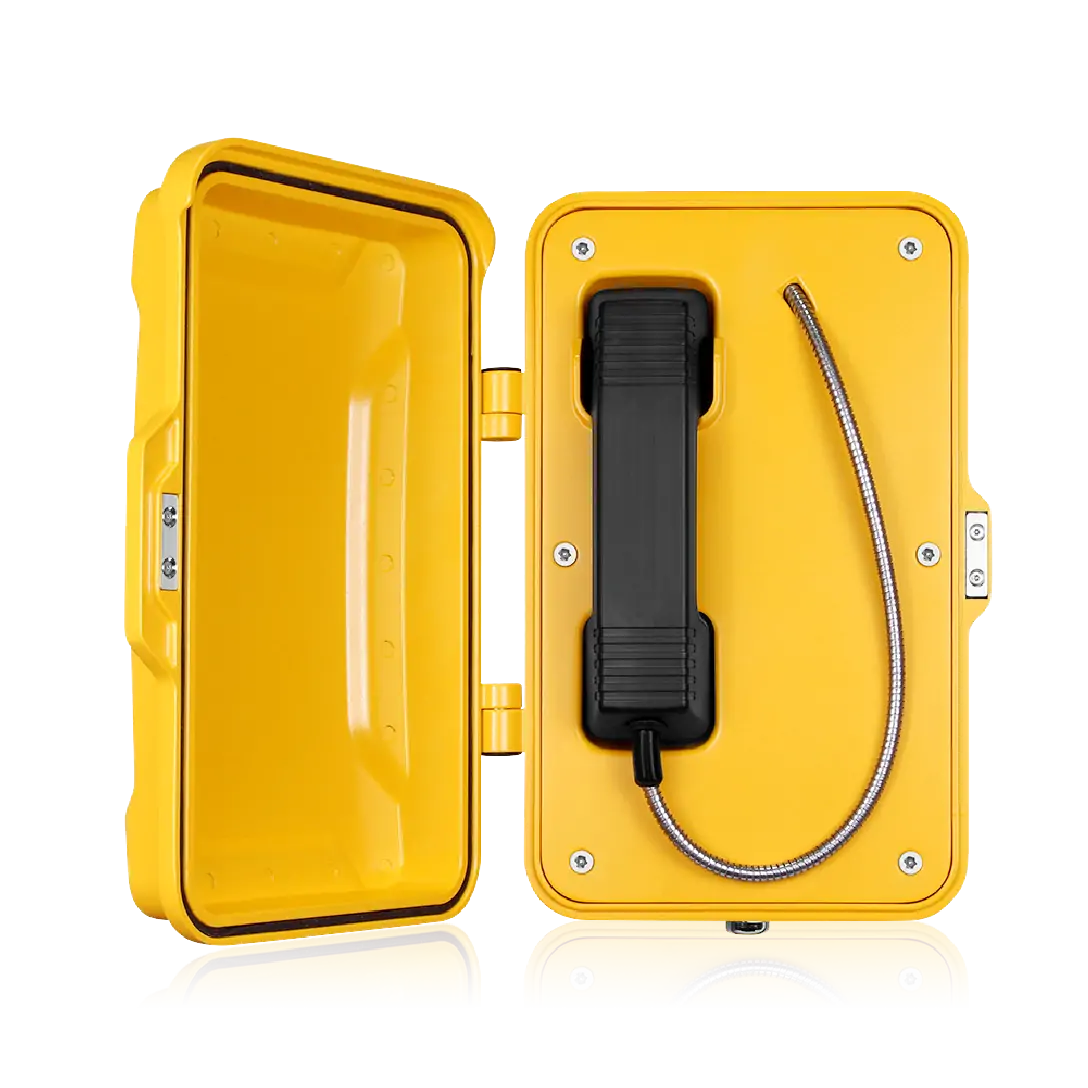
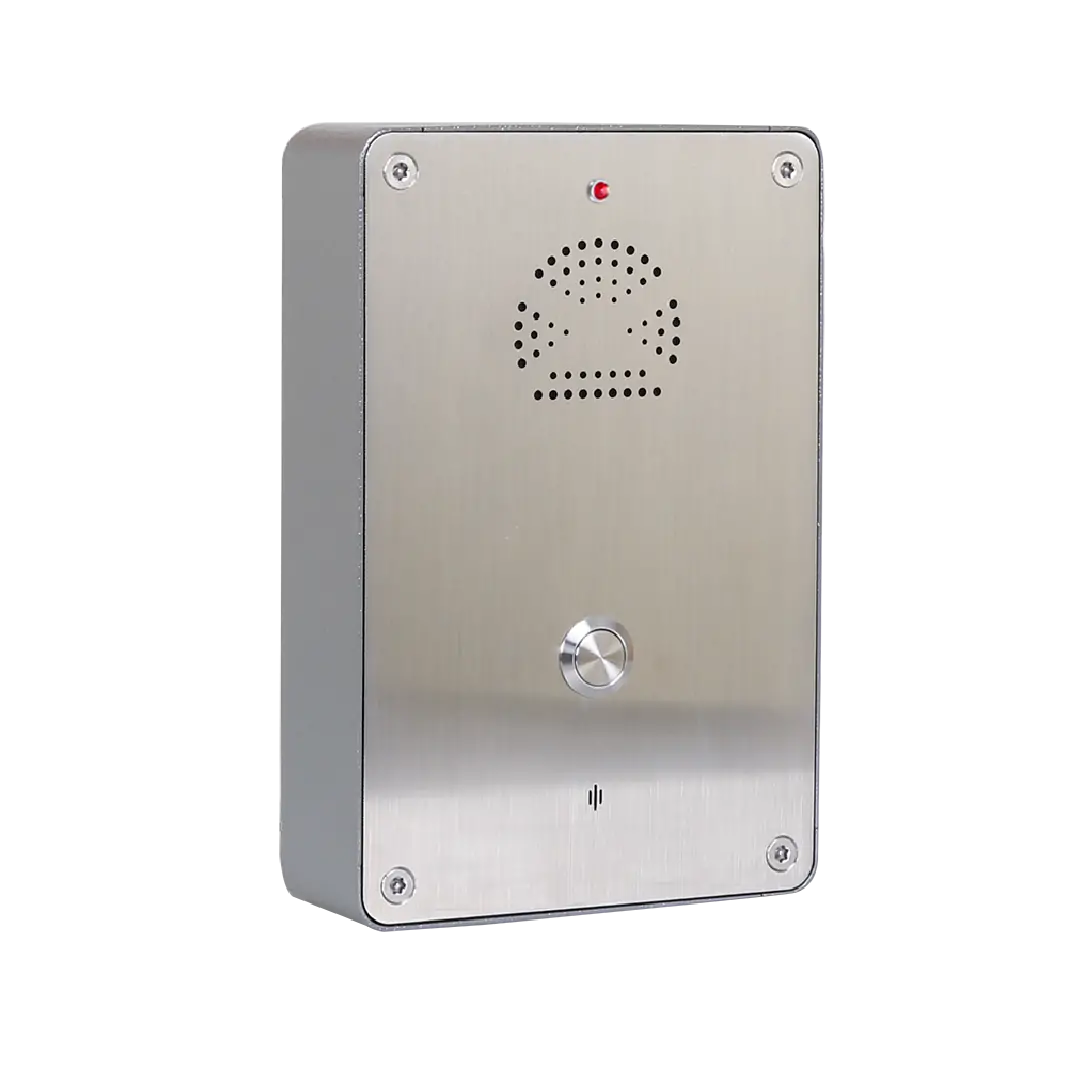
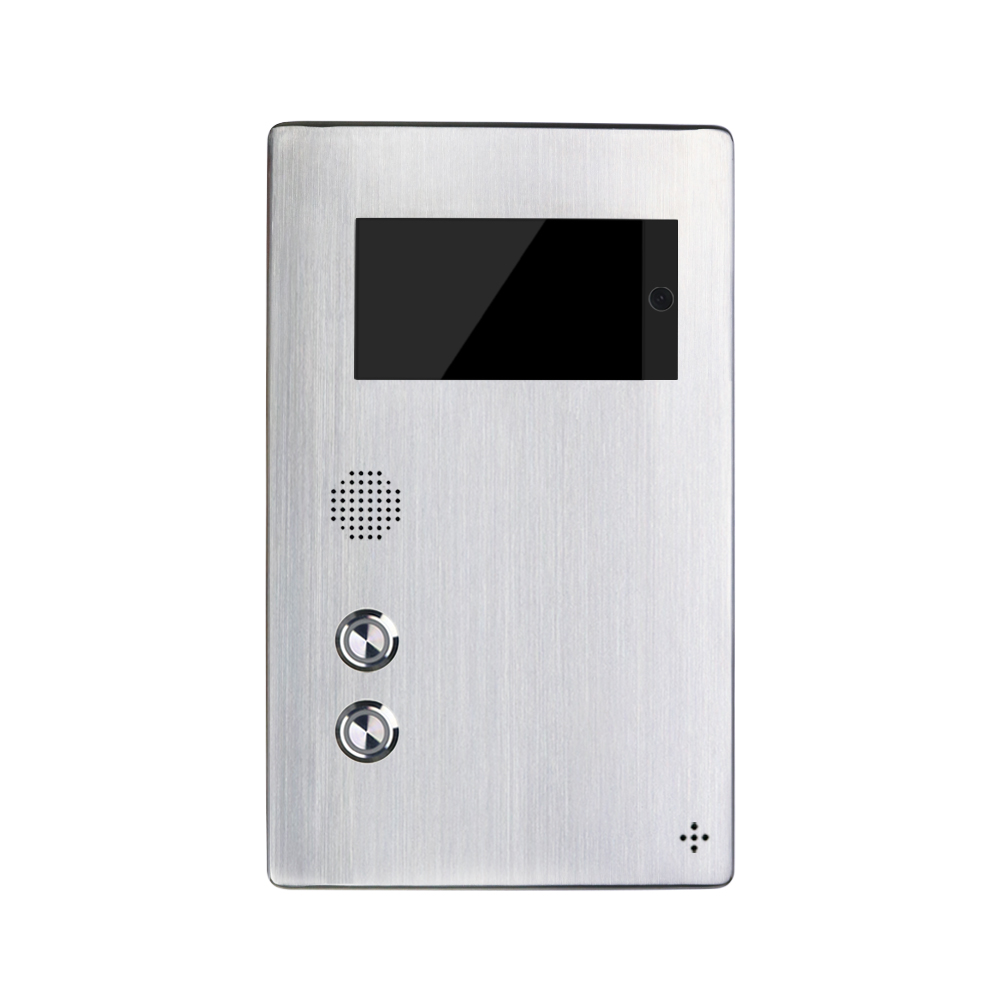
Ruggedized industrial models, such as those developed by J&R Technology Ltd, combine these audio technologies with weatherproof and impact-resistant housings, ensuring reliable communication even in harsh environments.
Deployment Best Practices
Successful wireless intercom implementation requires careful site planning rather than simple device placement.
Key best practices include:
Conduct a Site Survey
Measure signal strength, interference sources, and coverage gaps before installation.
Optimize Access Point Placement
Install overlapping zones to guarantee uninterrupted roaming.
Prioritize Critical Areas
Ensure control rooms, emergency exits, and hazardous zones receive the strongest coverage.
Use Rugged Hardware
Select IP-rated and industrial-grade devices to withstand dust, vibration, and moisture.
Integrate with Existing Systems
Connect intercoms with dispatch consoles, alarm systems, and control centers for centralized management.
Following these steps helps avoid dead zones and ensures consistent communication quality.
Maintenance & Security
Wireless systems introduce new considerations in both maintenance and cybersecurity.
Maintenance
Compared with wired systems, troubleshooting is often faster because there is no need to inspect or repair physical cabling.
Security
As voice traffic moves across IP networks, protection becomes essential. Recommended measures include:
Proper security prevents unauthorized access or interception, ensuring communication remains private and reliable.
Conclusion
Industrial sites today demand mobility, scalability, and rapid adaptation. While wired systems continue to serve fixed infrastructure, an industrial wireless intercom system offers unmatched flexibility for evolving work environments.
With the right network design, rugged hardware, and strong security practices, wireless intercoms can deliver reliable, clear, and instant communication—without the constraints of cables.
For facilities seeking to improve operational efficiency and workforce mobility, wireless intercom technology is no longer just an alternative. It is quickly becoming the smarter choice.


 Petrochemical FacilitiesDetails
 Offshore Oil Drilling PlatformsDetails
 Onshore Oil PlatformsDetails
 Industrial & Manufacturing FacilitiesDetails
 Nuclear Power PlantsDetails
 Mining Communication SystemsDetails
 Expressways & HighwaysDetails
 Utility TunnelsDetails
 Heavy Machinery Zones (Cranes)Details
 Pharmaceutical Plants & CleanroomsDetails
 Correctional FacilitiesDetails
 Healthcare & Campus FacilitiesDetails
 Smart CitiesDetails
 4G Communication SolutionsDetails
 Wind Power PlantsDetails