
















Emergency Communication Requirements
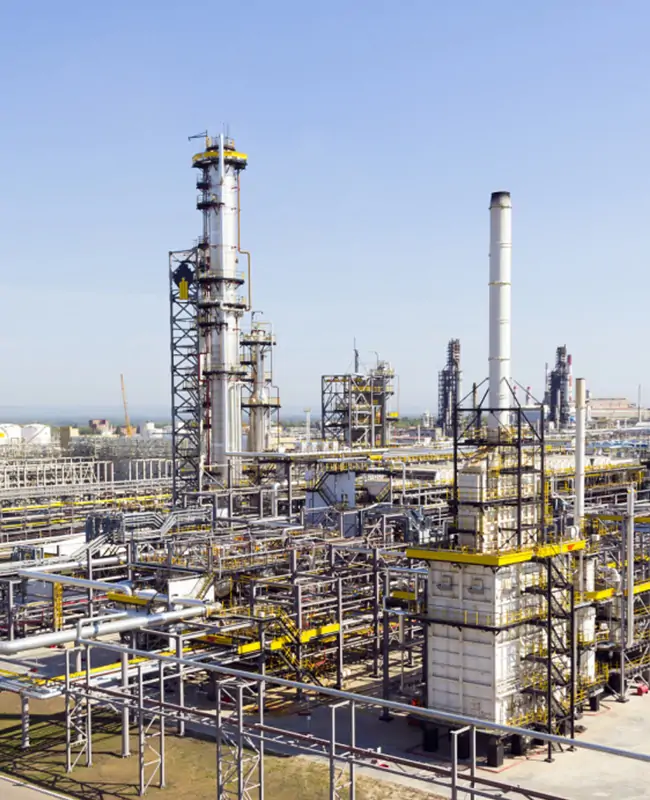
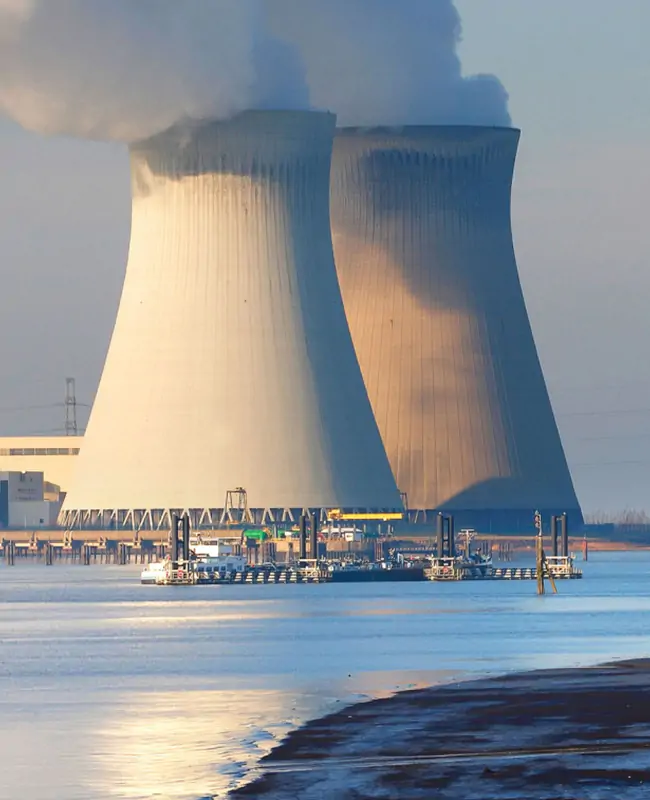
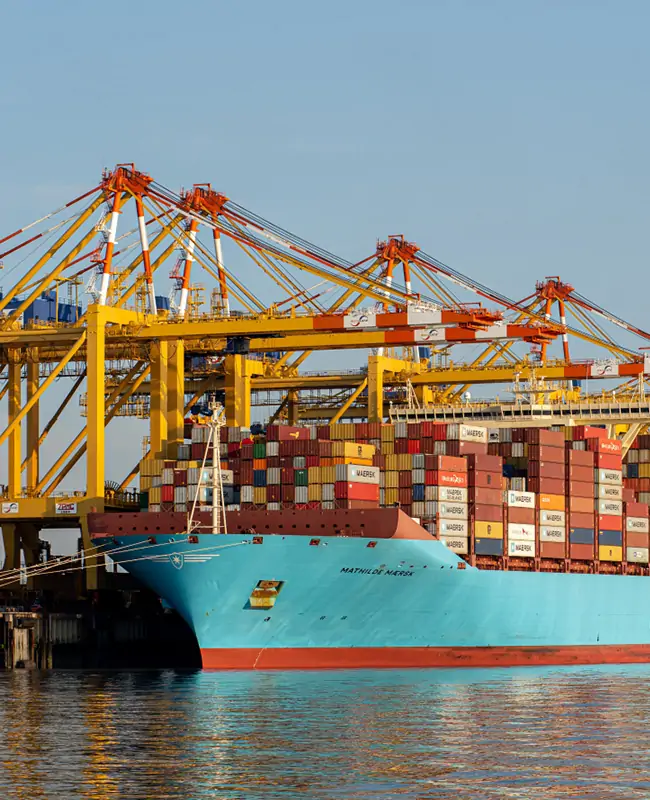
In industrial environments such as factories, tunnels, transportation hubs, and energy facilities, emergencies can escalate within seconds. Fires, equipment failures, hazardous material leaks, or security incidents demand immediate communication between personnel and control centers.
Traditional communication tools like mobile phones or radios may not always provide reliable connectivity in complex industrial environments. Signal congestion, noise interference, or device accessibility can delay critical communication. This is why many facilities deploy a dedicated intercom communication system as part of their safety infrastructure.
An intercom system provides direct, instant voice communication between workers and central control rooms. With a single press of a button, personnel can quickly report incidents, request assistance, or receive instructions. In emergency situations, this immediacy significantly improves coordination and reduces response time.
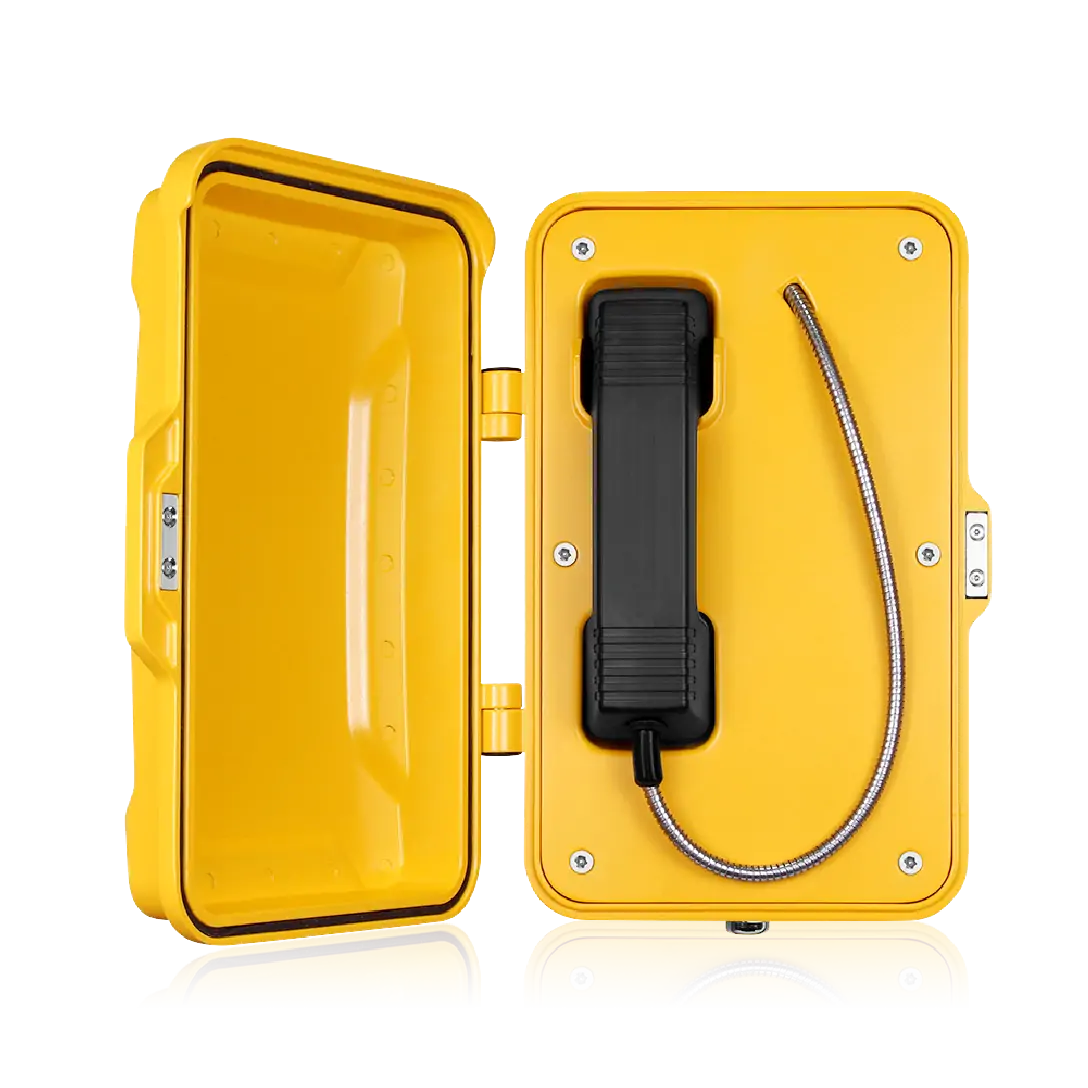
Additionally, modern intercom systems are designed to operate in harsh conditions. Industrial-grade devices typically feature weatherproof enclosures, noise-canceling microphones, and high-volume speakers to ensure clear communication even in high-noise environments.
System Components Overview
A typical intercom communication system used in industrial safety applications consists of several key components working together to ensure reliable communication.
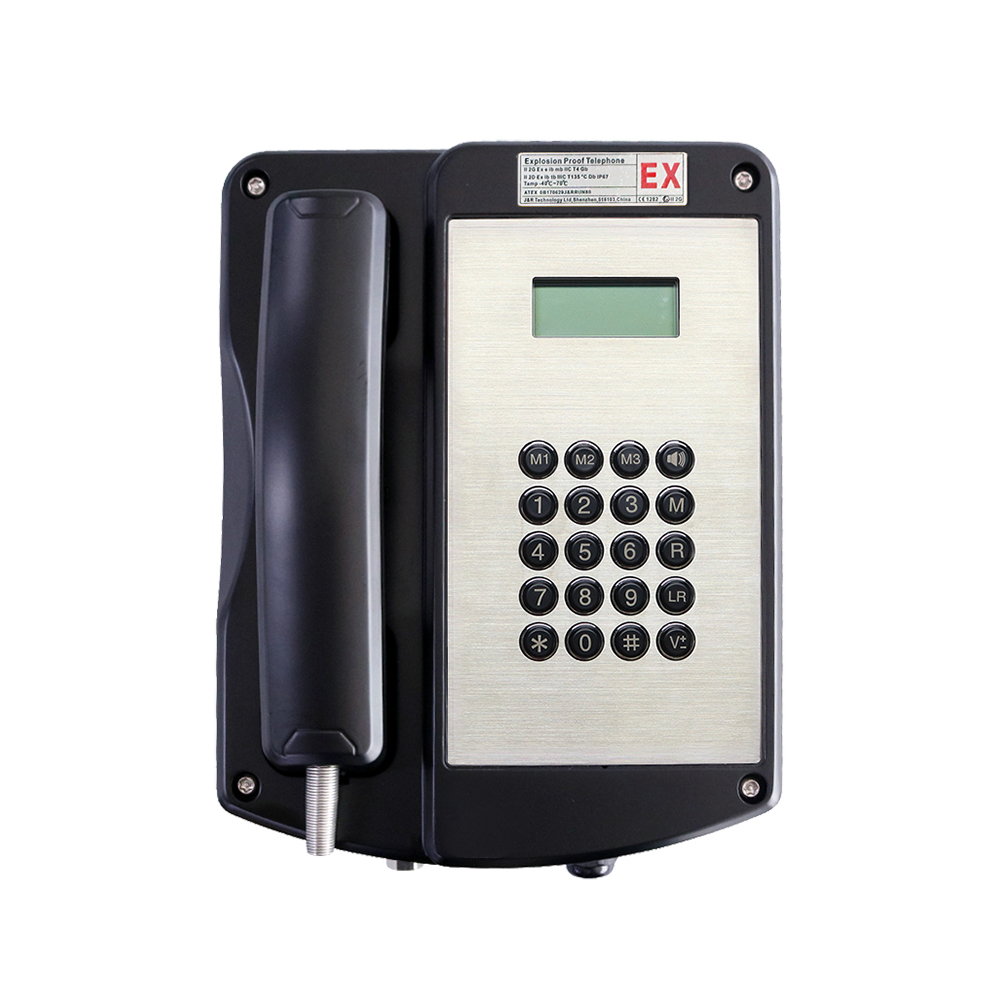
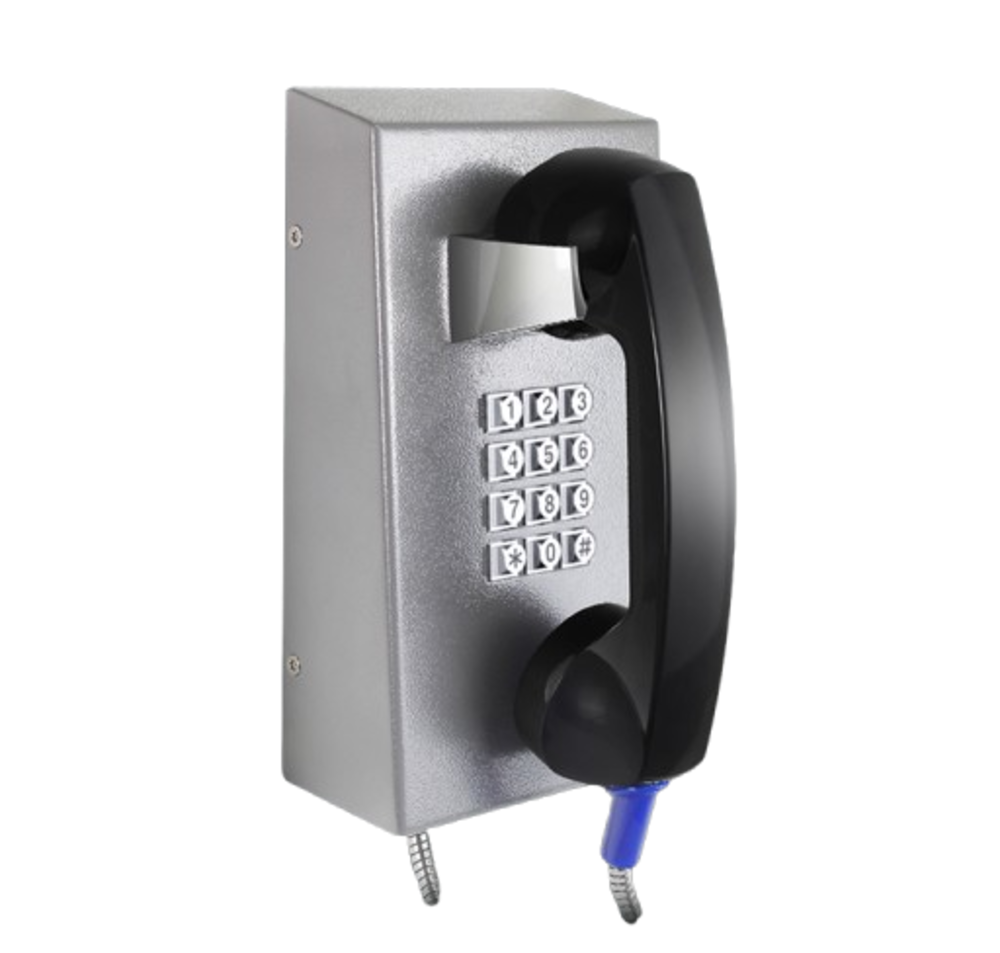
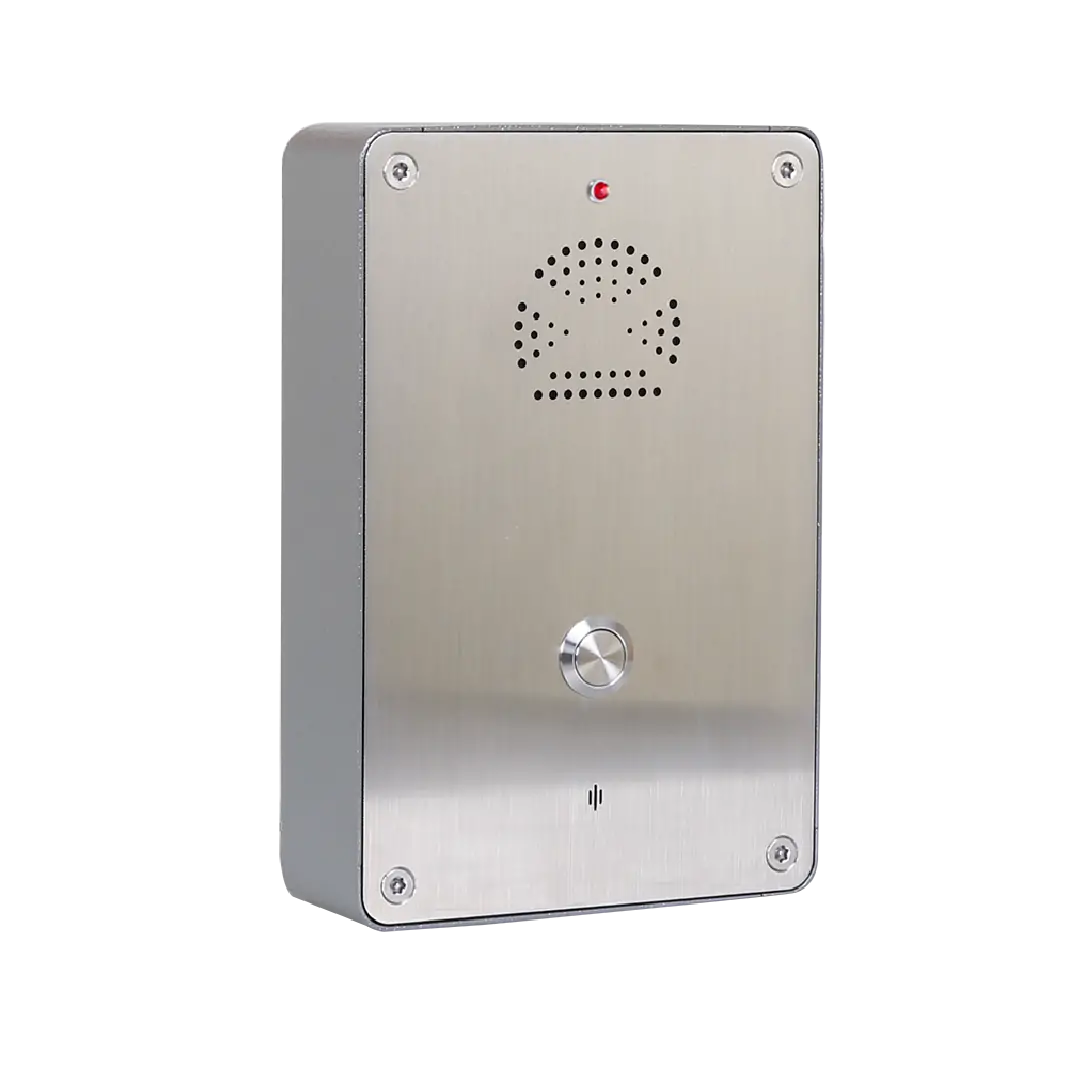
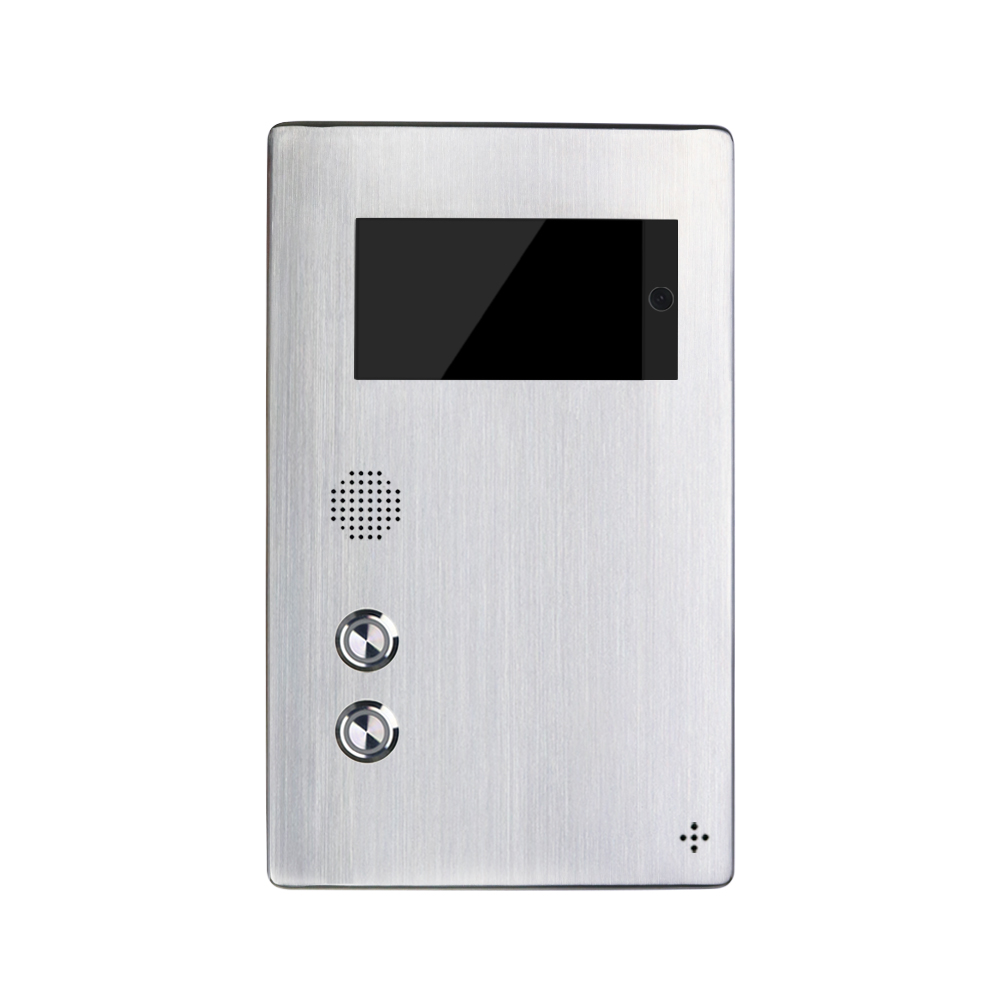
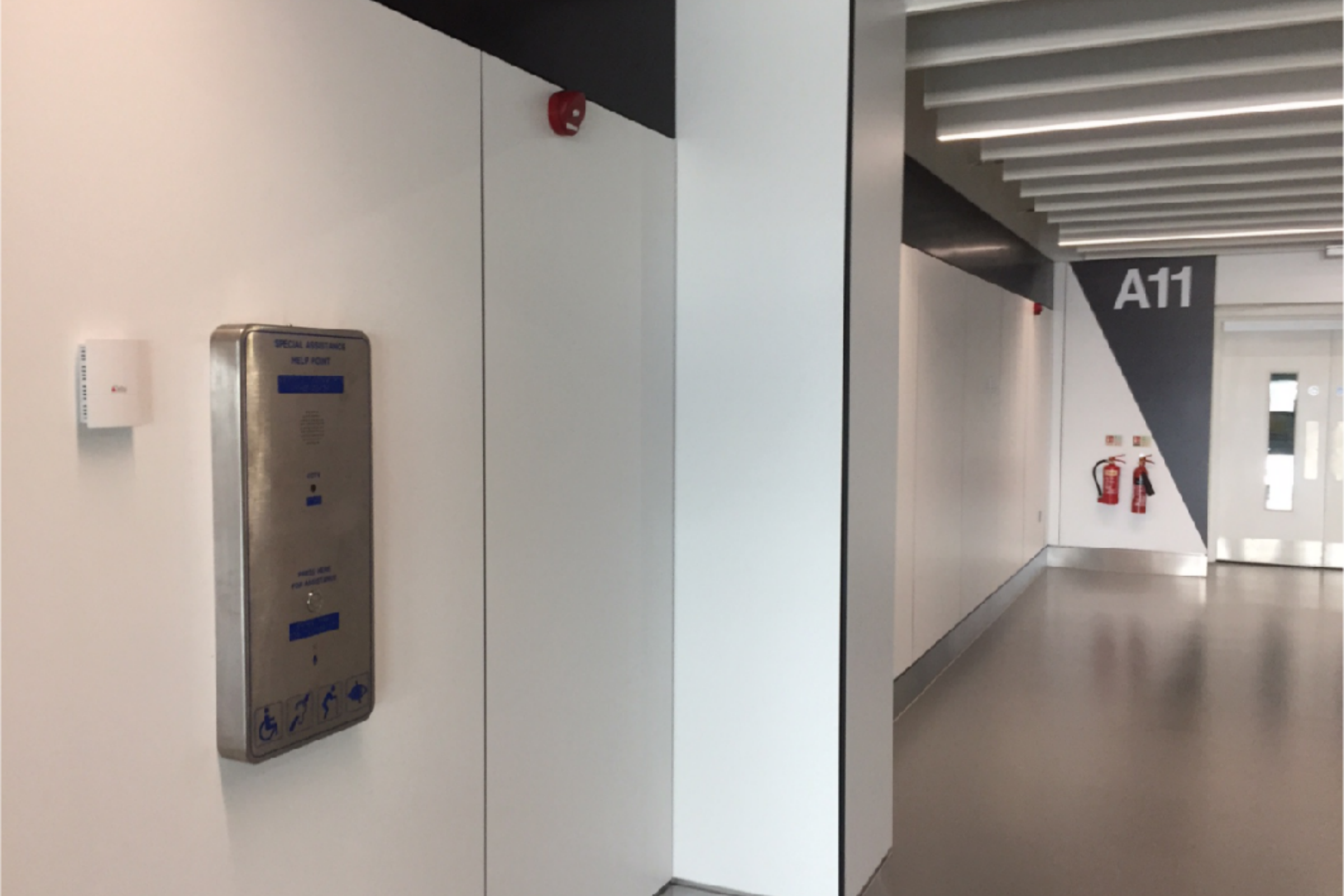
The intercom stations are the primary user interface. These devices are usually installed at strategic points across a facility, including production areas, corridors, entry gates, emergency exits, and control rooms. Many industrial intercom stations include one-touch emergency call buttons, making them easy to use during stressful situations.
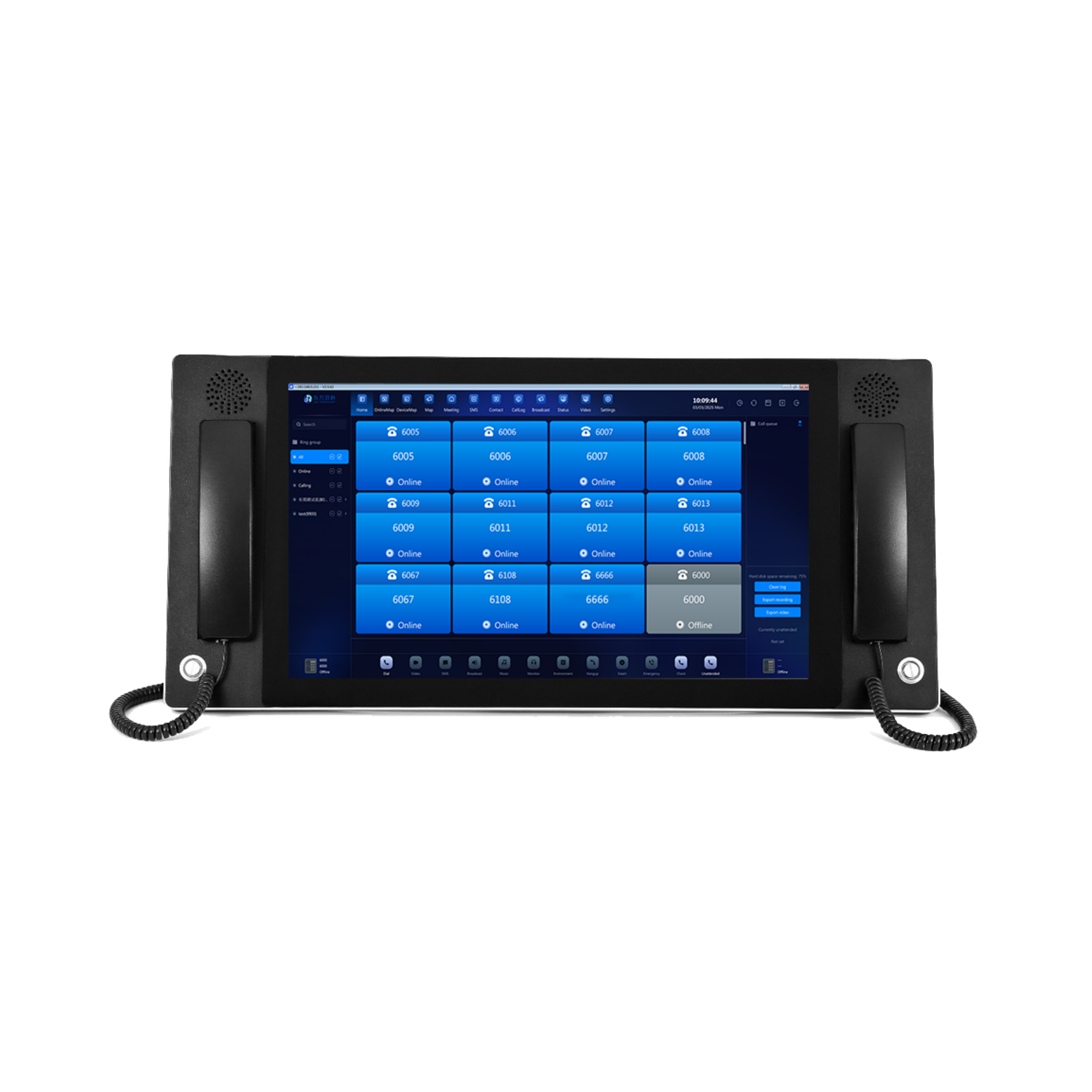
The central control unit acts as the system’s operational hub. It manages call routing, user permissions, and system monitoring. Operators in a dispatch center can communicate with individual stations or broadcast messages to multiple locations simultaneously.
Another critical component is the network infrastructure, which connects all devices within the system. Modern solutions often use IP-based technology, allowing intercom systems to operate over existing network infrastructure. This architecture improves scalability and enables integration with other digital communication platforms, including advanced secure communication solutions designed for industrial networks.
Alert Prioritization & Routing
In emergency scenarios, communication systems must ensure that critical messages are transmitted immediately and without interference. This is where intelligent alert prioritization becomes essential.
A well-designed intercom communication system allows emergency calls to override routine communications. For example, when a worker presses an emergency call button, the system can automatically prioritize that call and route it directly to the control room or designated emergency response team.
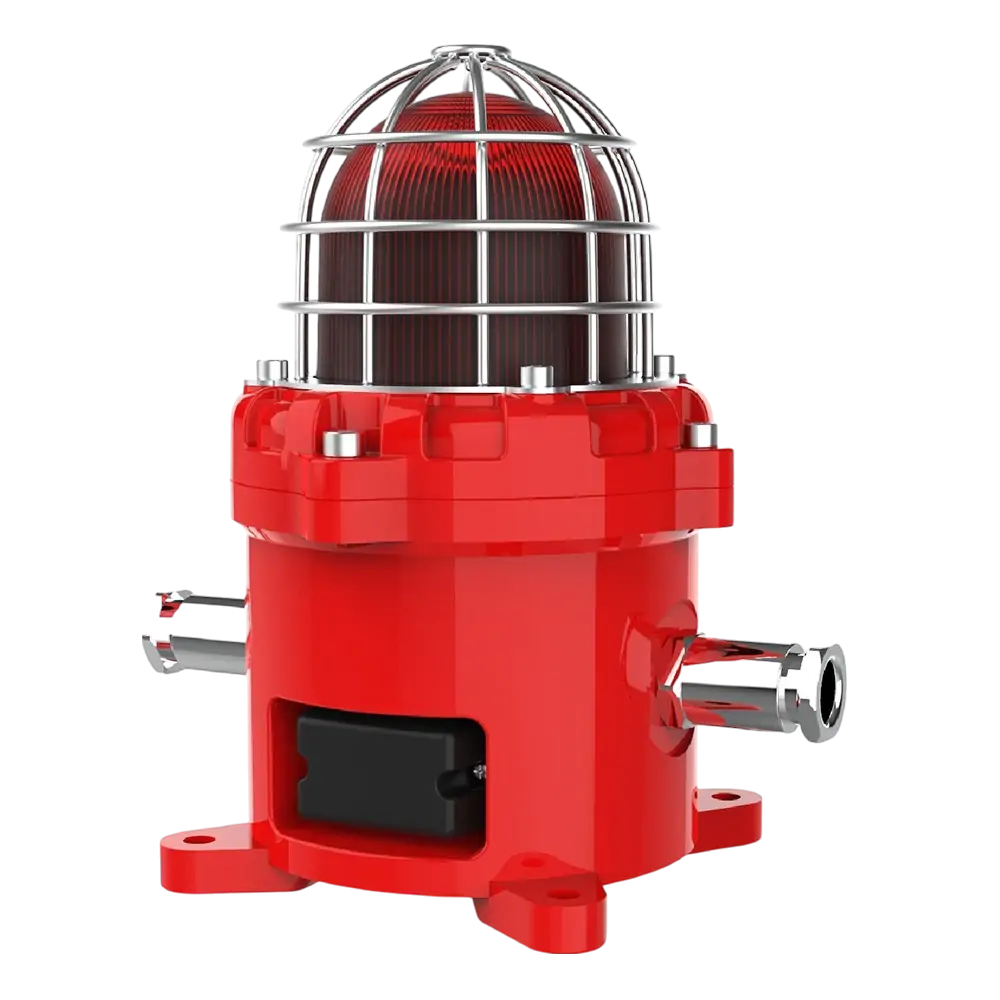
Advanced systems also support automated routing rules. Calls from specific zones—such as hazardous areas or confined spaces—can be automatically directed to specialized operators or safety personnel. Some systems can even trigger alarms or notifications when emergency calls are activated.
This structured call management ensures that urgent messages reach the right personnel without delay, reducing confusion and enabling faster decision-making during critical situations.
Integration with PA & Broadcast
One of the most powerful capabilities of modern intercom systems is their ability to integrate with public address (PA) and broadcast communication systems.
During emergencies, facility operators may need to quickly notify large groups of people across multiple locations. By integrating with PA systems, the intercom communication system allows control centers to broadcast evacuation instructions, safety warnings, or operational updates across the entire site.
This integration ensures that all personnel receive consistent and timely information. In large industrial facilities, it also eliminates the delays associated with manually relaying messages between departments.
Many modern systems also support Voice over IP technology, enabling voice communication over digital networks. This capability improves flexibility and allows organizations to expand their communication infrastructure using what is VoIP communication principles and technologies.
Testing & Drills
Even the most advanced emergency communication system requires regular testing to ensure reliability during real incidents.
Routine inspections help verify that intercom stations, microphones, speakers, and network connections are functioning correctly. Maintenance teams typically conduct periodic system checks to confirm audio clarity, call routing functionality, and device responsiveness.
Emergency drills are also an essential part of system validation. Simulated scenarios allow employees to practice using the intercom communication system while enabling safety managers to evaluate response procedures.
These exercises help identify potential weaknesses in both communication infrastructure and emergency protocols. By continuously testing and improving the system, organizations can ensure that their communication network remains dependable when it matters most.
Conclusion
In high-risk industrial environments, fast and reliable communication can make the difference between controlled response and escalating crisis. A well-designed intercom communication system provides instant voice connectivity, structured alert routing, and seamless integration with broader safety communication networks.
By enabling immediate reporting, coordinated response, and site-wide notifications, intercom systems play a critical role in modern emergency management. With proper deployment, integration, and regular testing, they become a cornerstone of industrial safety and operational resilience.