Challenges of Subterranean Signal Transmission
Underground mines present one of the most challenging environments for communication systems. Thick rock layers, metal structures, and complex tunnel layouts often block or weaken wireless signals. As a result, maintaining stable communication between workers, control rooms, and emergency teams becomes extremely difficult.
In underground mining operations, communication is not only about operational efficiency but also about safety. Without reliable communication, it becomes harder to coordinate blasting schedules, equipment movement, and emergency evacuations. Geological formations such as dense rock strata absorb radio frequencies, while narrow tunnels and sharp turns create multiple signal reflections and shadow zones.
Additionally, underground mines often face harsh environmental conditions such as dust, moisture, vibration, and extreme temperatures. These factors require underground mining communication systems to be designed with rugged hardware and highly reliable transmission methods. Ensuring signal continuity in such conditions is a critical engineering challenge.
Core Technologies Employed
To overcome signal blockages underground, modern mines rely on several specialized communication technologies designed for subterranean environments.
One widely used solution is the leaky feeder system. This technology uses a coaxial cable installed along tunnels that acts like a long antenna, allowing radio signals to “leak” along its length. This enables miners to communicate using portable radios even deep underground.
Another important technology is fiber optic communication. Fiber cables provide high bandwidth, immunity to electromagnetic interference, and extremely stable signal transmission. They are often used as the backbone network connecting underground communication nodes to surface control centers.
Wireless mesh networks are also increasingly adopted in advanced mines. These systems allow multiple wireless nodes to connect dynamically and relay signals between devices. If one path becomes blocked, the network automatically routes communication through alternative nodes.
In some mining environments, IP-based telephony and integrated communication platforms are deployed to support voice calls, alarm broadcasting, and monitoring systems. These solutions can integrate with secure communication platforms designed for industrial environments, as discussed in our article on secure communication architectures.
Equipment Setup Strategies
Proper equipment deployment plays a major role in ensuring the effectiveness of underground mining communication systems. Engineers must carefully design communication infrastructure according to tunnel layouts, mining depth, and operational requirements.
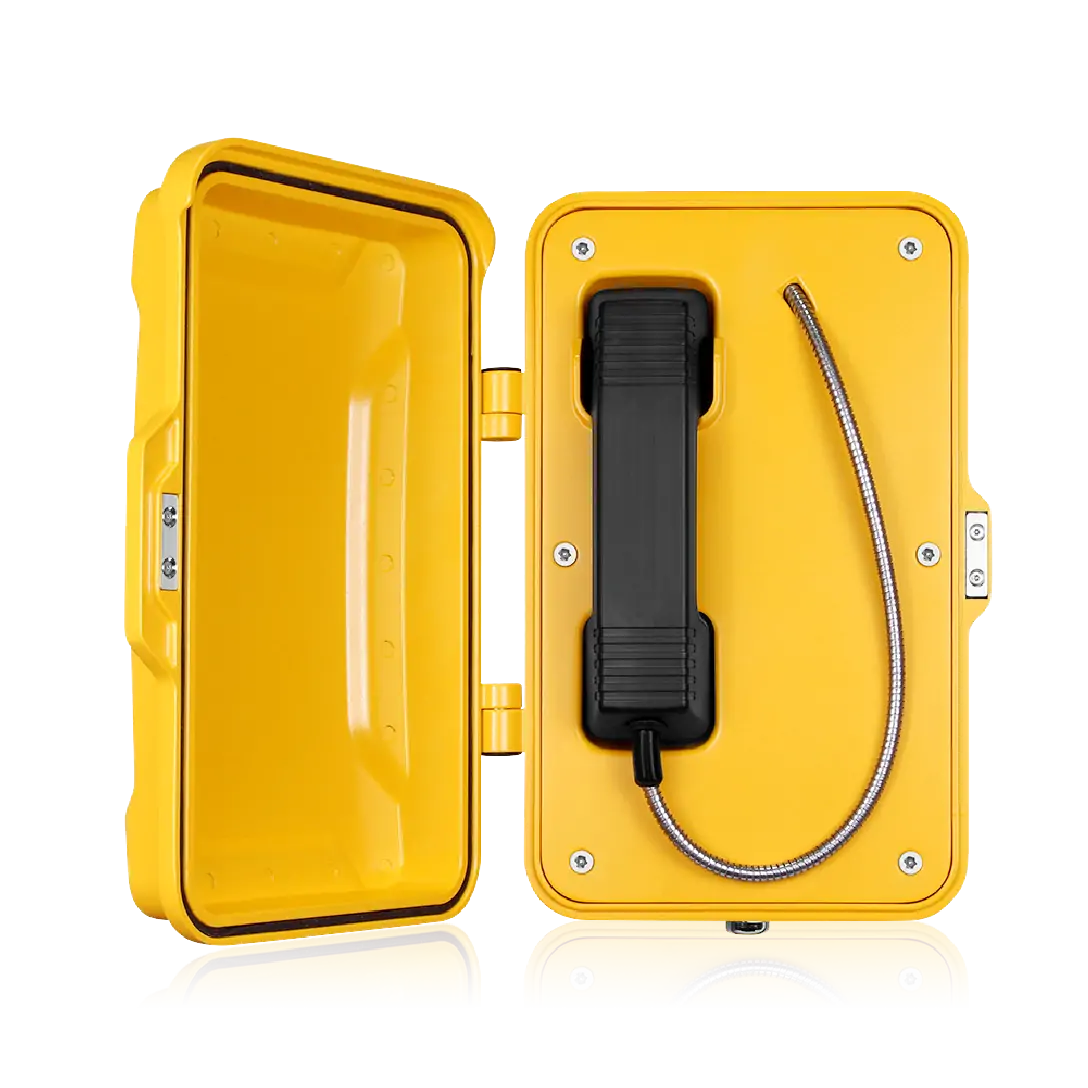
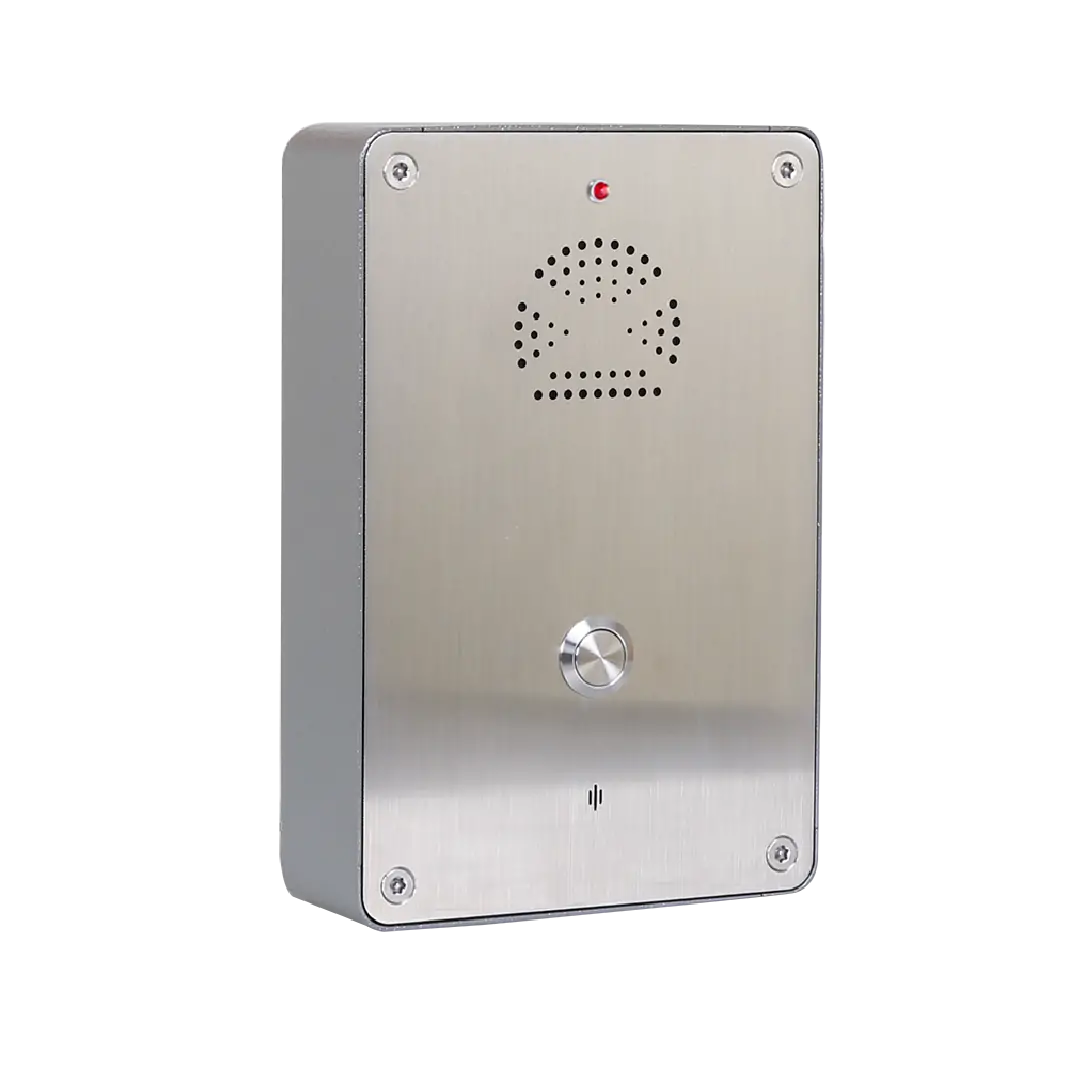
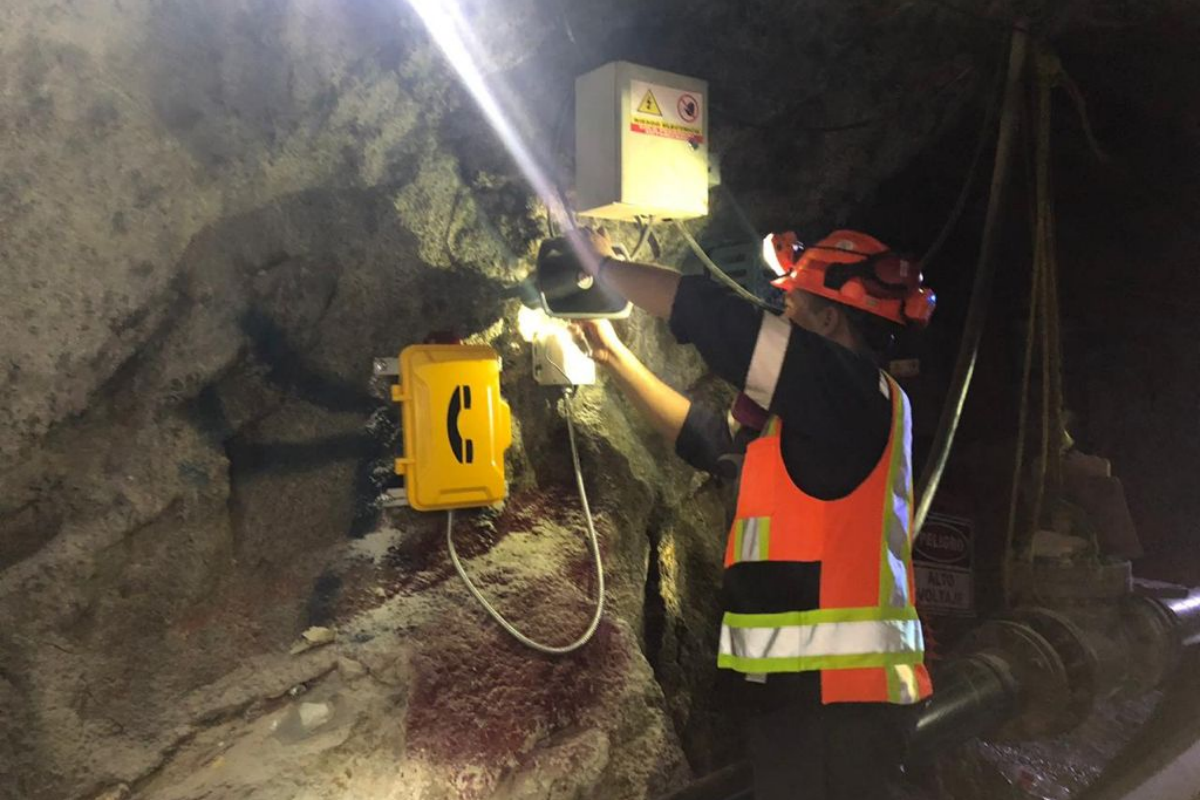
Typically, communication nodes such as industrial telephones, radio repeaters, and network switches are installed at strategic points throughout the mine. Key locations include tunnel intersections, elevator shafts, refuge chambers, and equipment zones.
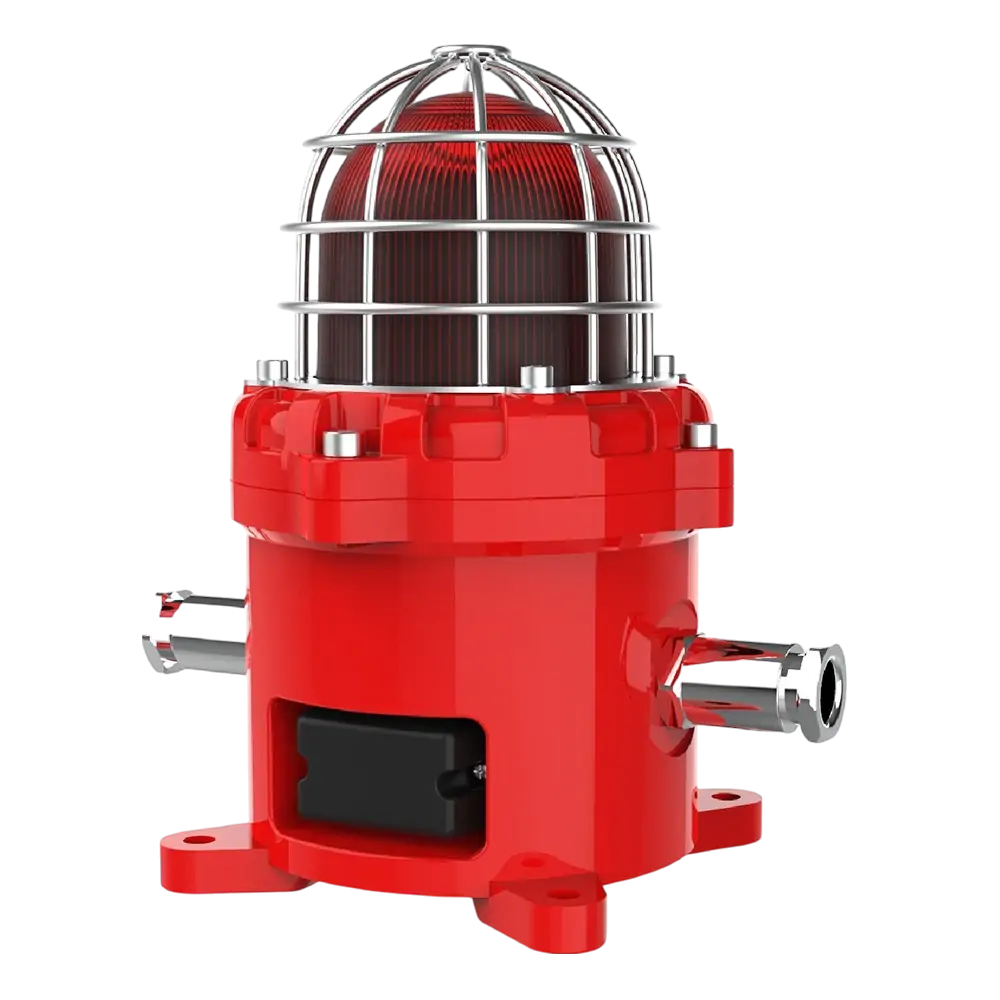
In hazardous mining environments where explosive gases or dust may be present, equipment must comply with strict safety standards. Explosion-proof telephones, loudspeakers, and network devices are commonly installed in such areas. These devices are designed to prevent ignition sources and meet international certifications such as those discussed in ATEX vs IECEx safety standards.
Environmental protection is another crucial factor. Communication equipment must have adequate protection against dust and water ingress. Devices with high protection ratings—such as those explained in what are the IP ratings—ensure long-term reliability in humid and dusty underground conditions.
Redundancy Measures
Redundancy is essential in mining communication systems because any failure can pose serious safety risks. Modern underground mining communication systems incorporate multiple layers of backup to ensure uninterrupted connectivity.
A common strategy is the use of dual communication paths. For example, a fiber optic backbone may be supported by a secondary wireless or radio network. If one network fails due to physical damage or equipment malfunction, the backup system maintains communication.
Power redundancy is equally important. Critical communication nodes are often equipped with uninterruptible power supplies (UPS) or backup battery systems to maintain operation during power outages.
Network redundancy is also implemented through ring topologies or mesh network structures. These designs allow data to be rerouted automatically if a section of the network becomes unavailable, ensuring continuous communication across the mine.
Case Study Implementations
Many modern mining operations have successfully implemented advanced communication infrastructures to overcome underground signal blockages.
For example, large metal mines often deploy a hybrid communication architecture combining fiber optic backbones with leaky feeder radio systems. Fiber cables connect underground control stations to surface operations centers, while leaky feeder cables enable real-time voice communication for mobile workers.
In coal mines with high gas risks, explosion-proof industrial telephones and emergency call stations are installed along escape routes and critical working areas. These devices allow miners to quickly contact dispatch centers during emergencies.
Some mines also integrate communication systems with monitoring technologies such as gas sensors, ventilation control, and personnel tracking systems. This integrated approach enables faster decision-making and improved operational safety.
As mining operations continue to adopt digital technologies and automation, the role of robust underground communication infrastructure will only become more critical.
Conclusion
Reliable communication is a cornerstone of modern mining safety and productivity. By combining technologies such as fiber optics, leaky feeder systems, and wireless mesh networks, underground mining communication systems can effectively overcome signal blockages caused by geological structures and harsh environments.
Through careful equipment deployment, compliance with safety standards, and robust redundancy strategies, mining operators can ensure continuous communication across even the deepest and most complex underground sites. As mining technologies evolve, these communication systems will remain essential for protecting workers and supporting efficient operations.


 Petrochemical FacilitiesDetails
 Offshore Oil Drilling PlatformsDetails
 Onshore Oil PlatformsDetails
 Industrial & Manufacturing FacilitiesDetails
 Nuclear Power PlantsDetails
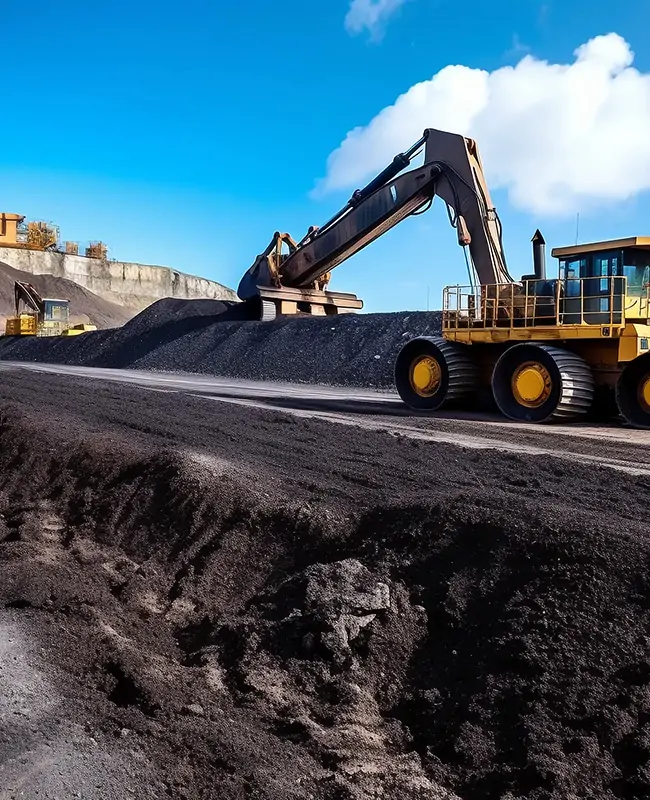 Mining Communication SystemsDetails
 Expressways & HighwaysDetails
 Utility TunnelsDetails
 Heavy Machinery Zones (Cranes)Details
 Pharmaceutical Plants & CleanroomsDetails
 Correctional FacilitiesDetails
 Healthcare & Campus FacilitiesDetails
 Smart CitiesDetails
 4G Communication SolutionsDetails
 Wind Power PlantsDetails