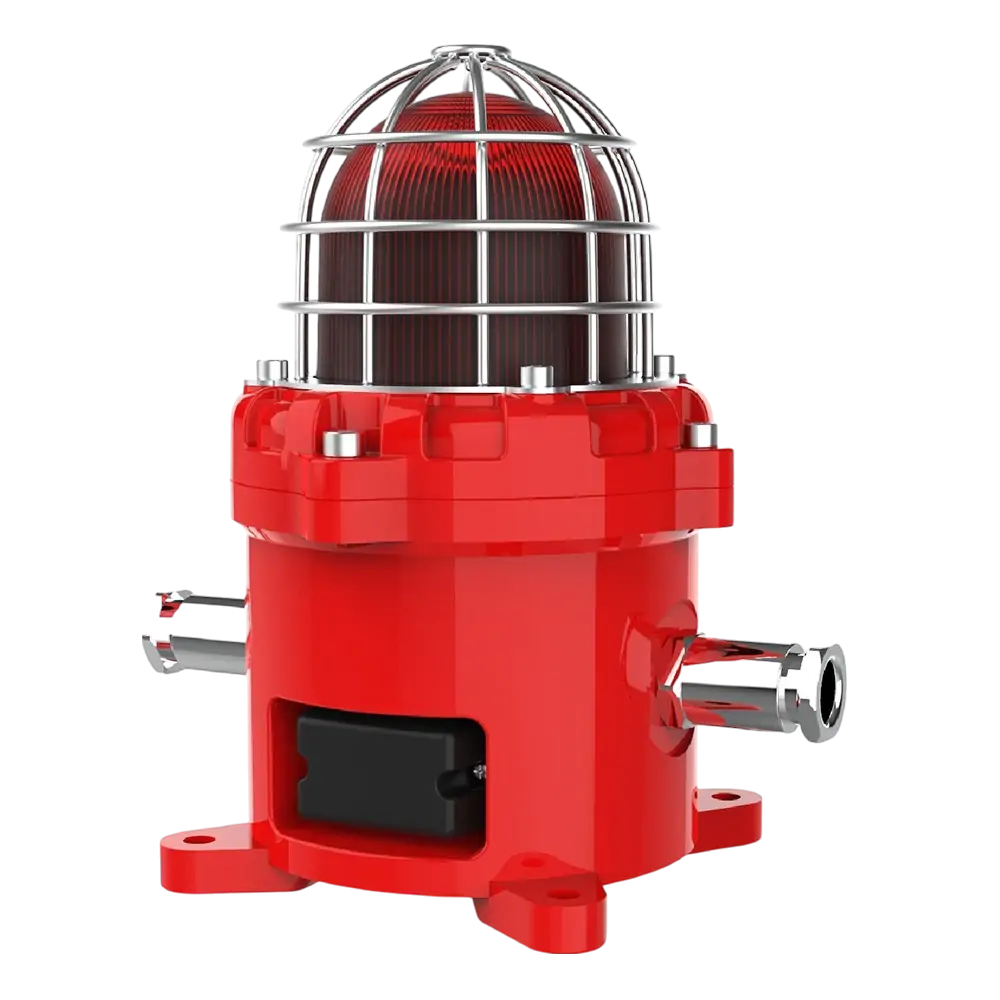
What Are OEM and ODM Services?
In today’s industrial communication market, many infrastructure projects require equipment that is tailored to specific operational environments. This is where OEM services and ODM solutions become essential.
OEM (Original Equipment Manufacturer) services allow clients to customize existing products with their own branding, specifications, or system integrations. ODM (Original Design Manufacturer) services go one step further by enabling manufacturers to design and develop new products based on a client’s functional requirements.
For industries such as oil and gas, mining, transportation, and public safety, standard communication equipment may not fully meet project needs. Large-scale deployments often require specialized hardware, unique installation structures, or integration with existing control systems.
Through flexible OEM services, companies can adapt communication equipment to fit the technical and operational demands of each project while maintaining reliability and compliance with industry standards.
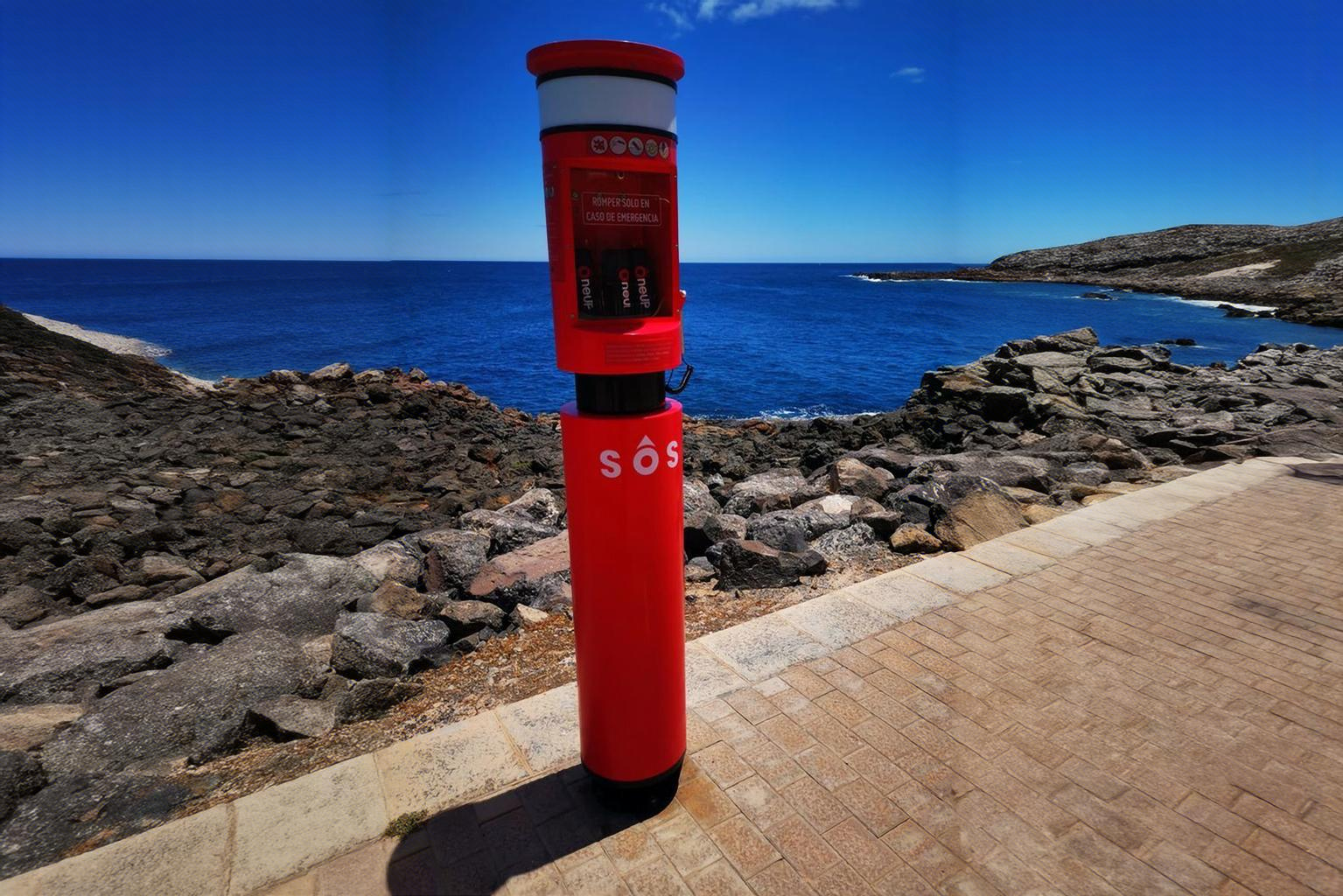
Why Customization Is Crucial for Large-Scale Projects?
Large industrial projects rarely operate in uniform environments. A mining tunnel, offshore platform, railway network, and petrochemical facility all present different operational conditions and communication challenges.
Because of this diversity, customized communication solutions are often necessary. Equipment may need to meet specific environmental protection standards, support particular communication protocols, or integrate with existing dispatching systems.
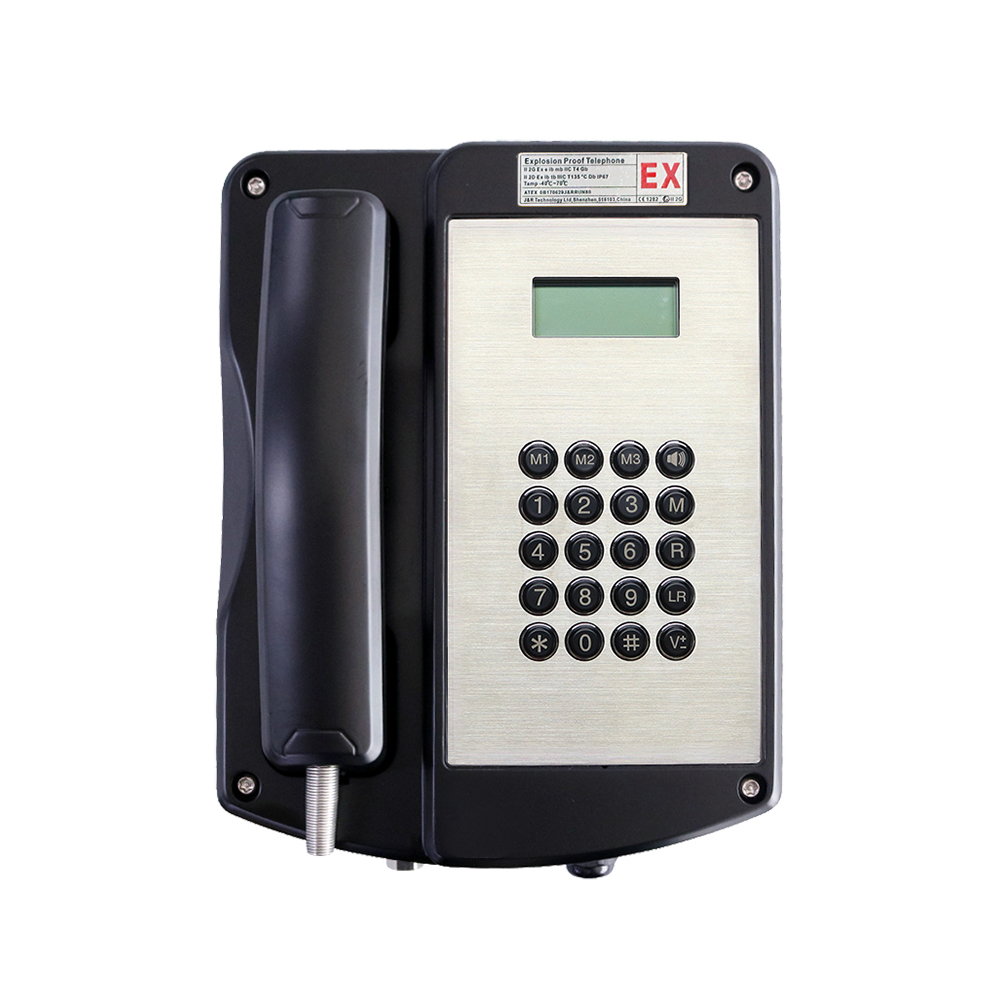
For example, a project may require telephones with reinforced housings for underground installations, or devices capable of functioning in hazardous areas with explosion-protection certification. In other cases, systems must support long-distance communication across multiple operational zones.
Customization also helps ensure compatibility with a facility’s broader critical communication system, enabling seamless coordination between control rooms, field personnel, and emergency response teams.
Without tailored solutions, standard products may struggle to meet the reliability and operational efficiency required for large infrastructure projects.
How Does J&R Tailor Products to Meet Specific Project Needs?
J&R specializes in developing customized communication equipment designed for demanding industrial environments. Through its OEM services, the company works closely with clients to modify and optimize products according to project requirements.
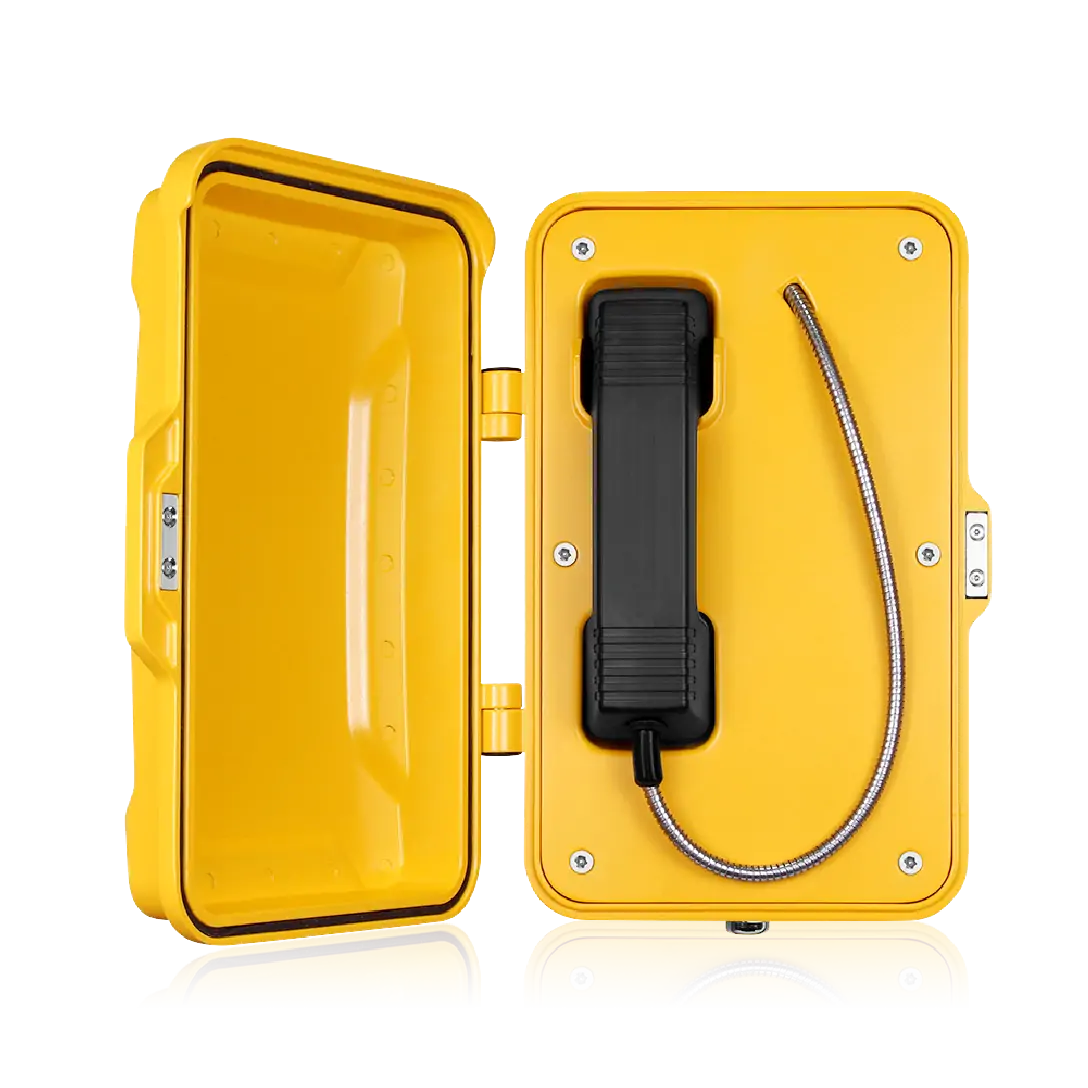
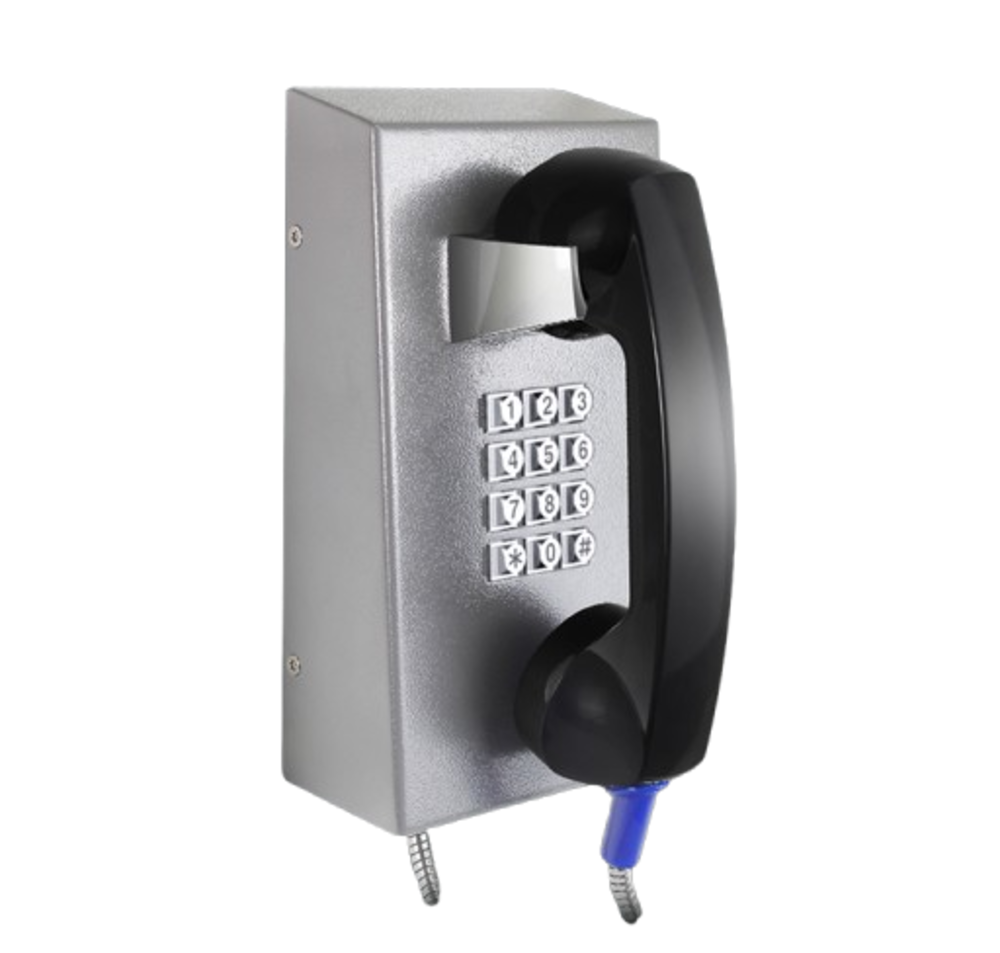
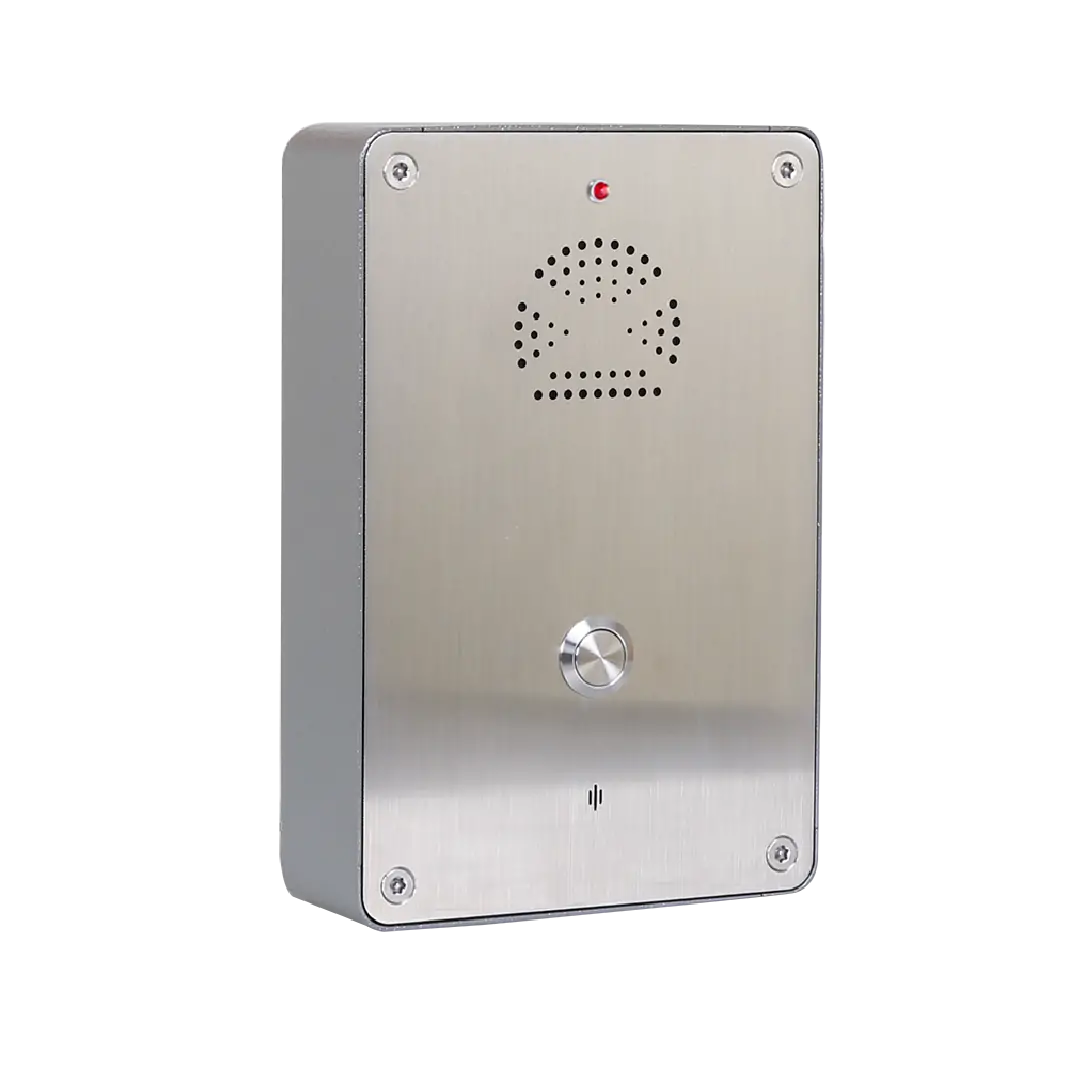
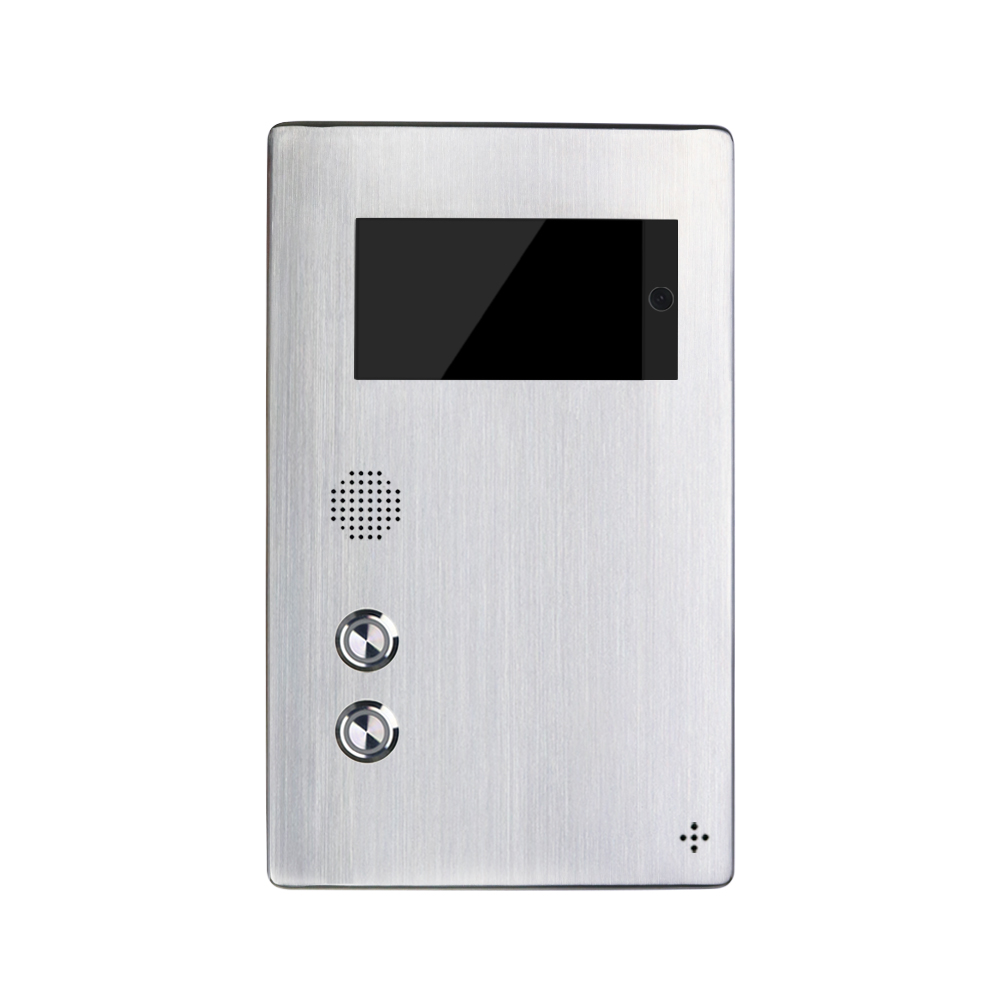
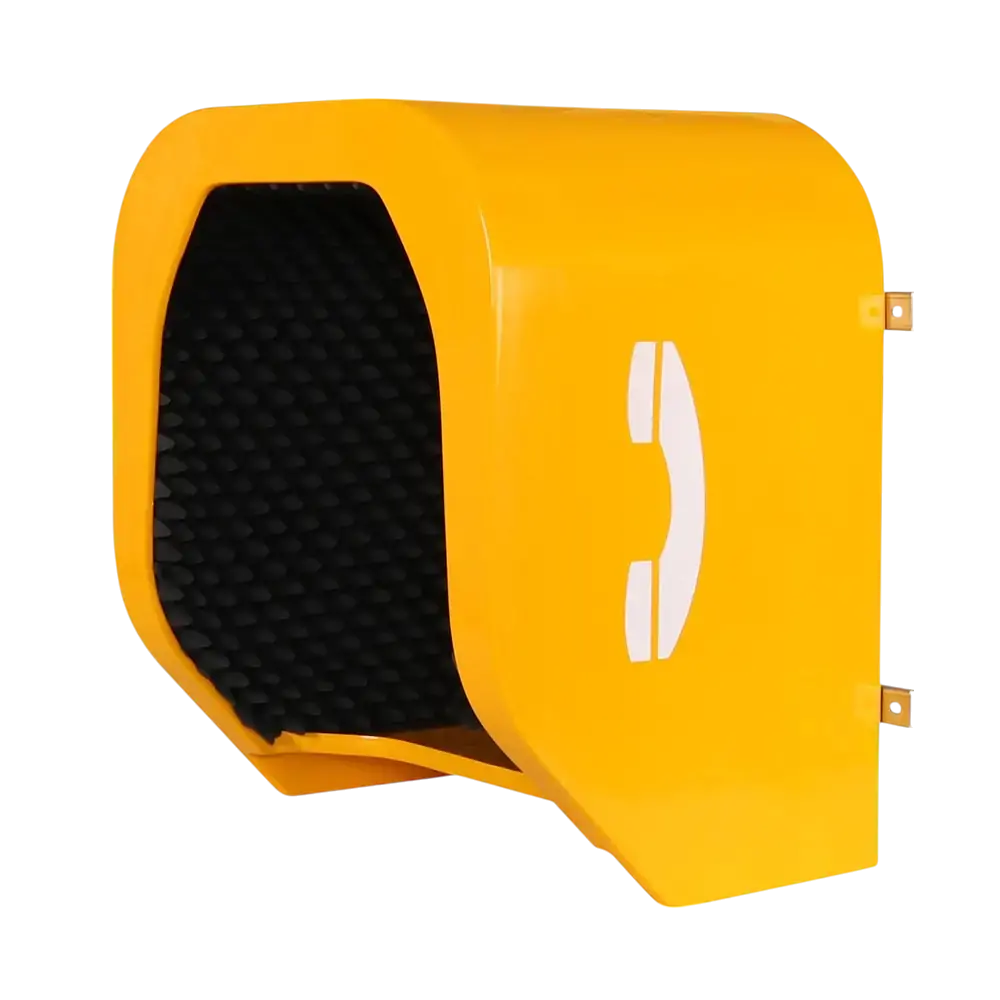
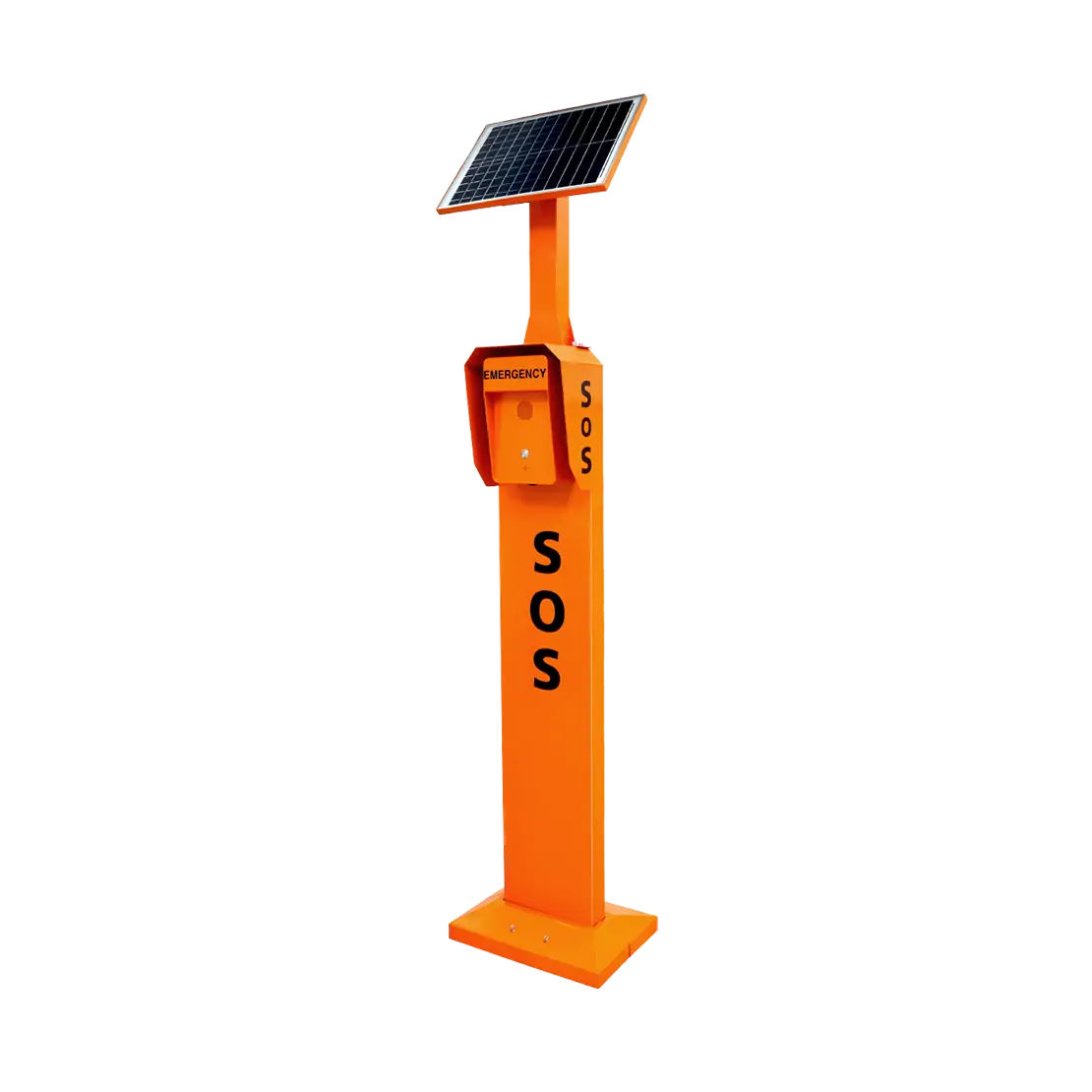
Customization can involve several aspects of product development. Hardware adjustments may include housing materials, mounting structures, keypad layouts, or handset configurations. In certain environments, devices may require additional protection features such as waterproofing, corrosion resistance, or explosion-proof design.
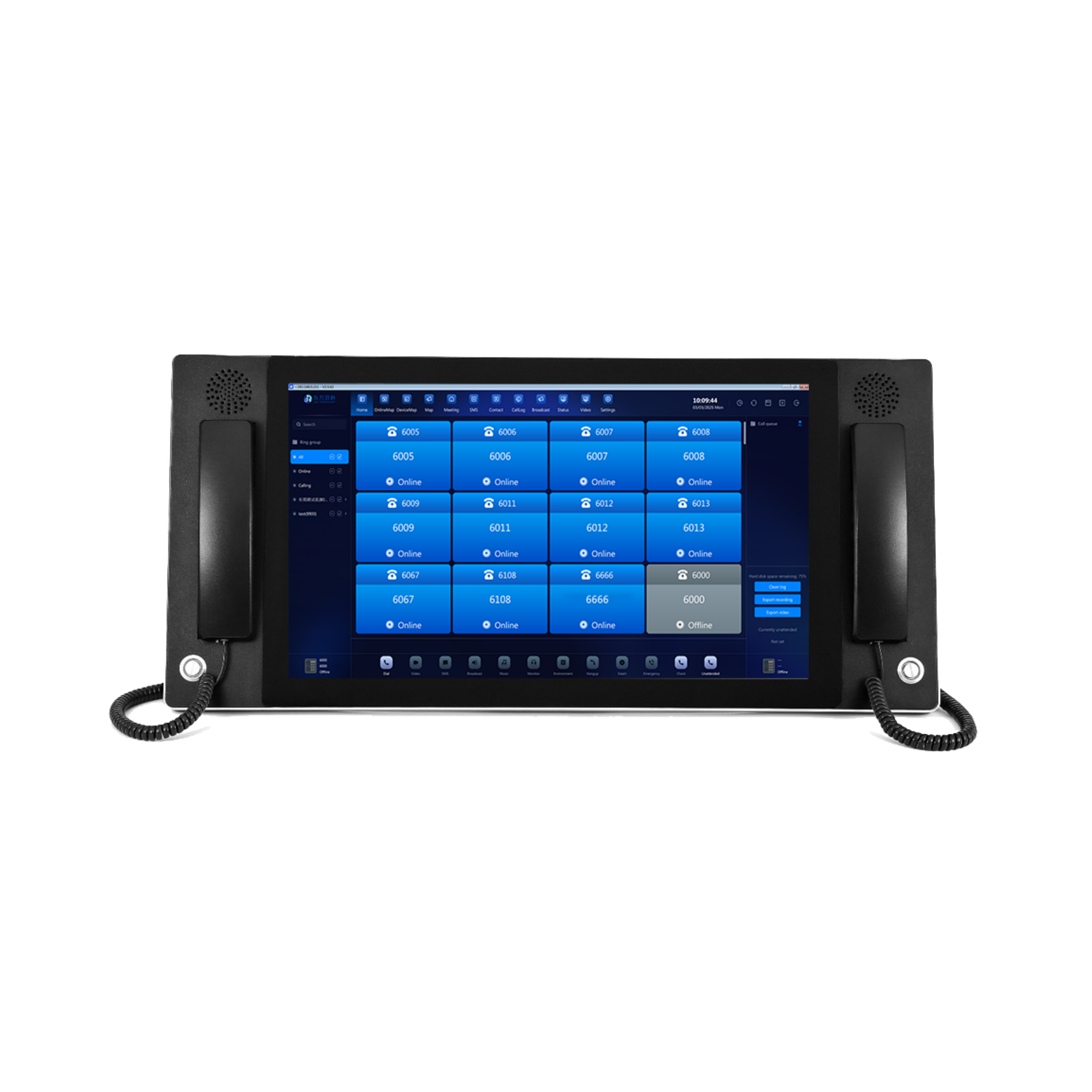
Software and system integration are also important elements of customization. Products can be configured to support specific communication protocols, network architectures, or control systems used by the project.
Branding customization is another common requirement. For OEM partners, J&R can provide customized product labeling, logos, and packaging to align with the client’s market identity.
By combining engineering expertise with flexible manufacturing capabilities, J&R ensures that each solution is aligned with the operational demands of the project.
What Is the Process from Design to Delivery?
A structured development process is essential to ensure that customized products meet project timelines and technical requirements.
The process typically begins with a detailed consultation phase, during which the client outlines the project’s communication needs, environmental conditions, and system integration requirements. J&R’s engineering team then evaluates the specifications and proposes suitable technical solutions.
Next comes the design and prototyping stage. Engineers develop product designs, modify hardware structures, and configure system functionality according to the agreed specifications. Prototype units may be produced for testing and validation before full-scale manufacturing begins.
Once the design is finalized, the production phase starts. J&R’s manufacturing facilities support scalable production to accommodate both pilot projects and large infrastructure deployments.
Throughout this process, close communication between the engineering team and the client ensures that the final solution meets operational expectations.
How Does J&R Ensure Quality and After-Sales Support?
Quality assurance is a critical component of delivering reliable industrial communication products. J&R implements strict quality control procedures throughout the manufacturing process to ensure product performance and durability.
Products are tested for environmental resistance, communication stability, and long-term operational reliability. This is especially important for equipment deployed in harsh industrial environments where maintenance access may be limited.
In addition to manufacturing quality control, J&R provides comprehensive technical documentation and integration support to help clients deploy the systems efficiently.
After-sales service is another important part of the company’s OEM services. Technical support teams assist with troubleshooting, system configuration, and product maintenance when necessary.
By combining engineering expertise, rigorous quality standards, and responsive customer support, J&R helps clients implement reliable communication infrastructure that supports safe and efficient operations.
Conclusion
Large-scale industrial projects require communication equipment that is reliable, adaptable, and capable of operating in complex environments. Through flexible OEM services and ODM capabilities, J&R provides customized communication solutions tailored to the needs of each project.
From initial design consultation to manufacturing and after-sales support, the company works closely with clients to deliver products that integrate seamlessly into their critical communication system, ensuring dependable communication across demanding industrial environments.


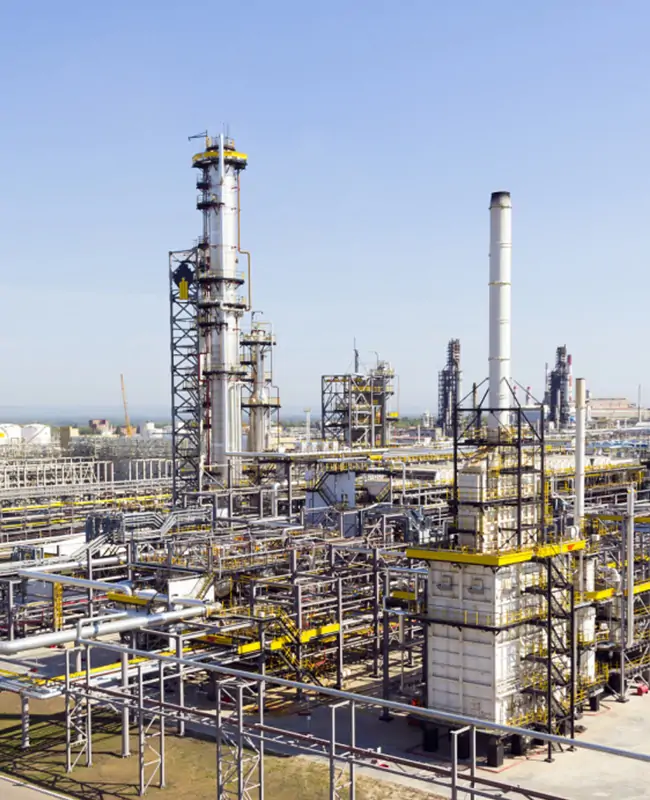 Petrochemical FacilitiesDetails
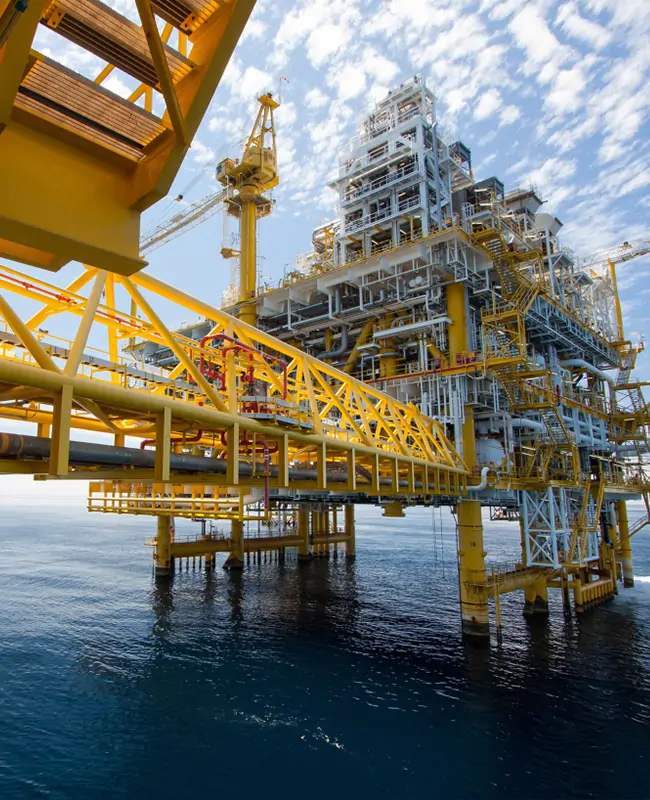 Offshore Oil Drilling PlatformsDetails
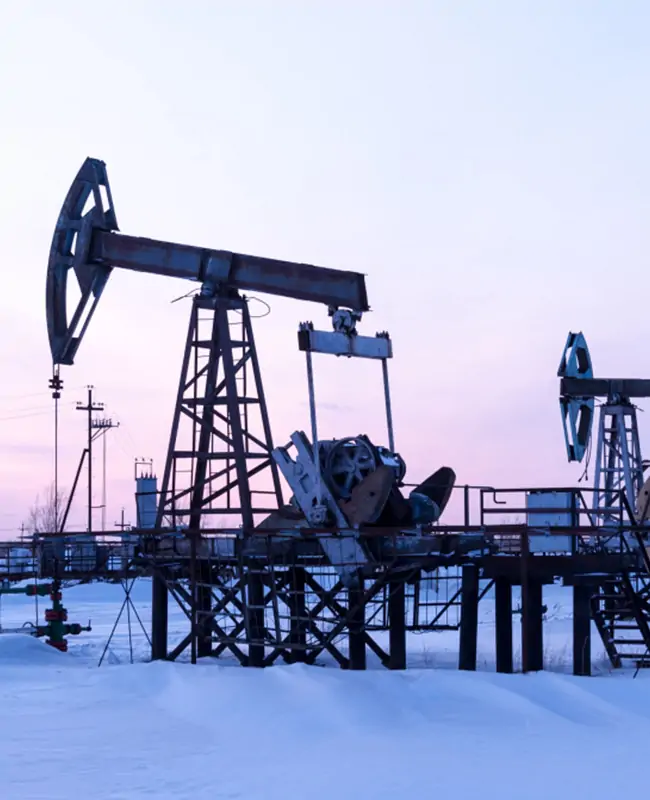 Onshore Oil PlatformsDetails
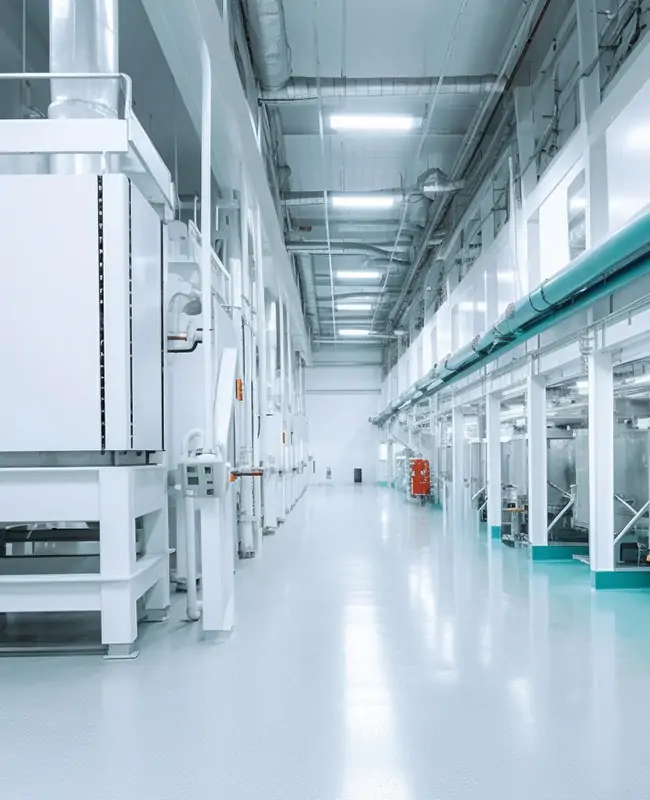 Industrial & Manufacturing FacilitiesDetails
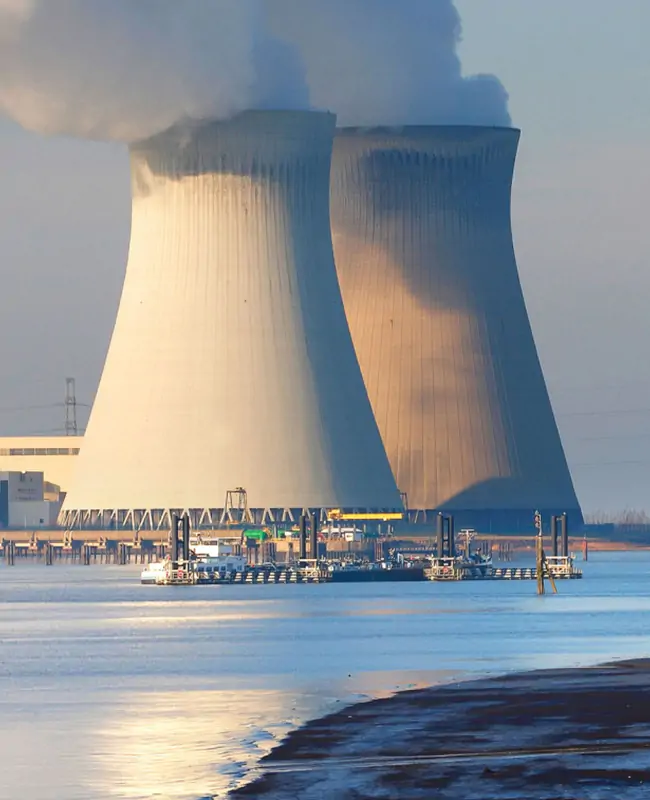 Nuclear Power PlantsDetails
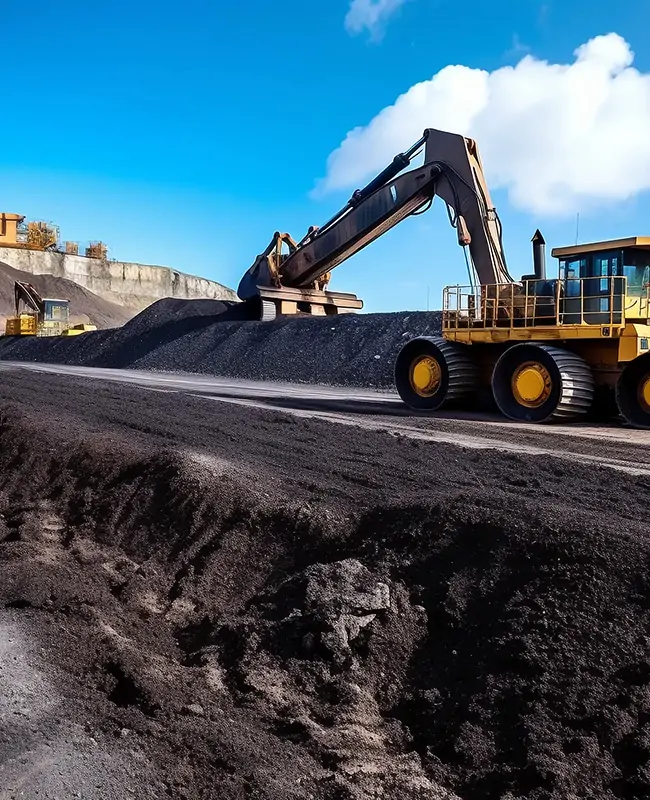 Mining Communication SystemsDetails
 Expressways & HighwaysDetails
 Utility TunnelsDetails
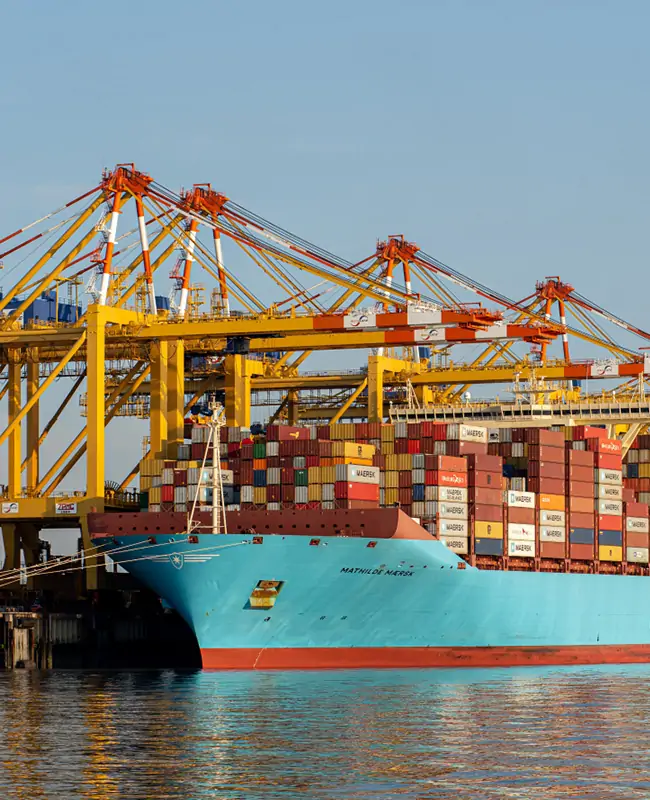 Heavy Machinery Zones (Cranes)Details
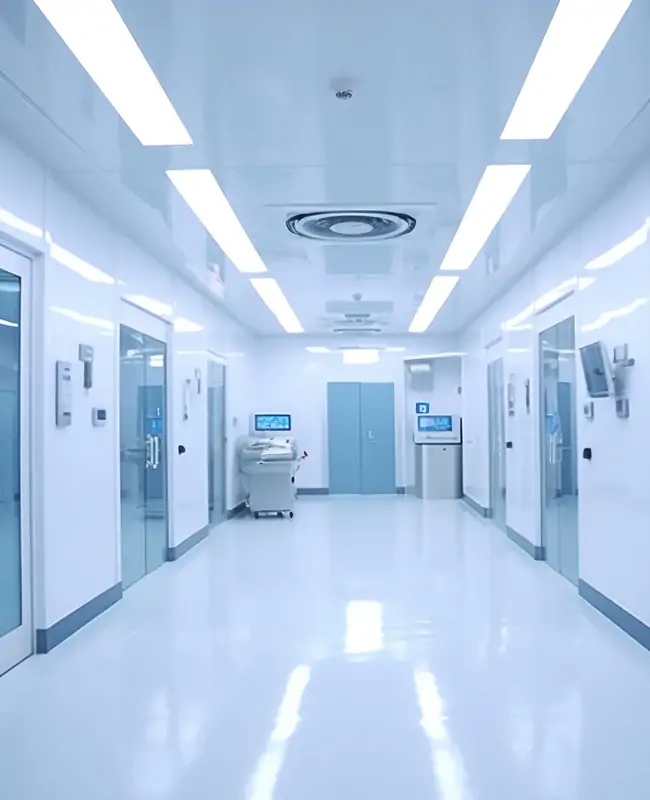 Pharmaceutical Plants & CleanroomsDetails
 Correctional FacilitiesDetails
 Healthcare & Campus FacilitiesDetails
 Smart CitiesDetails
 4G Communication SolutionsDetails
 Wind Power PlantsDetails