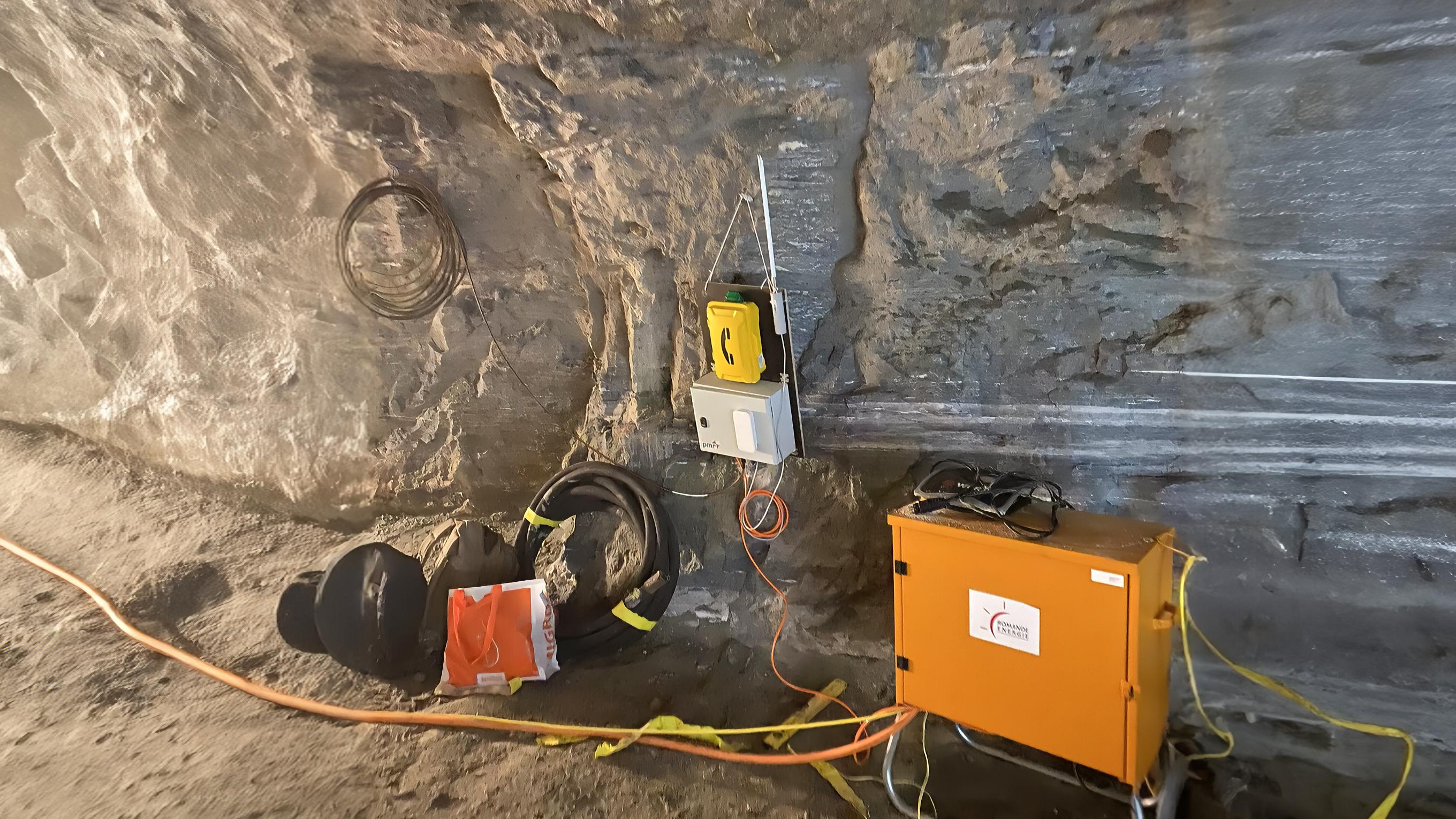
Modern mining operations are becoming deeper, more automated, and increasingly safety-regulated. As tunnels extend kilometers below ground and equipment grows more mechanized, traditional communication methods are no longer sufficient.
Reliable voice, alarm, and data transmission are now mission-critical. Without continuous connectivity, coordination slows, incidents escalate, and emergency response times increase.
This is why advanced mining communication solutions have evolved from simple telephones and radios into fully integrated, intelligent networks that combine wired backbones, wireless coverage, and ruggedized field devices. For industrial communication manufacturers such as J&R Technology Ltd, designing systems specifically for underground reliability has become essential to improving worker safety and operational efficiency.
Underground Communication Needs
Underground mines present some of the harshest communication environments in any industry.
Key challenges include:
-
Long tunnels and complex branching layouts
-
Thick rock layers blocking radio signals
-
High humidity, dust, and vibration
-
Explosive or hazardous atmospheres
-
Limited evacuation routes
In such conditions, communication systems must deliver:
Even a few seconds of delay during an incident can significantly increase risk. Therefore, modern mining communication solutions must prioritize redundancy, durability, and deterministic performance.
Leaky Feeder & DAS Networks
Two technologies widely used underground are leaky feeder systems and distributed antenna systems (DAS).
Leaky feeder networks act like extended antennas. A coaxial cable runs throughout tunnels and “leaks” radio signals along its length, allowing:
This approach is ideal for voice radios and tracking devices.
DAS (Distributed Antenna Systems) enhance this further by:
Together, these technologies create seamless wireless communication across large underground areas.
They are commonly deployed as part of underground wireless communication systems, enabling workers to stay connected even far from the shaft entrance.
Wireless & Fiber Integration
While wireless provides mobility, fiber provides stability. The most reliable architecture combines both.
Fiber-optic backbones offer:
These qualities make fiber ideal for:
-
Control rooms
-
Monitoring centers
-
Dispatch platforms
-
Safety servers
Wireless nodes are then layered on top for flexibility.
This hybrid model ensures:
Such integration is now standard in next-generation mining communication solutions, delivering both performance and scalability.
Safety System Interfaces
Modern underground communication is no longer isolated hardware. It must interface with broader safety systems.
Today’s platforms often integrate with:
When an incident occurs, these systems work together automatically. For example:
-
A gas alarm triggers a broadcast message
-
Workers receive evacuation instructions
-
Control rooms identify personnel locations
-
Rescue teams communicate instantly
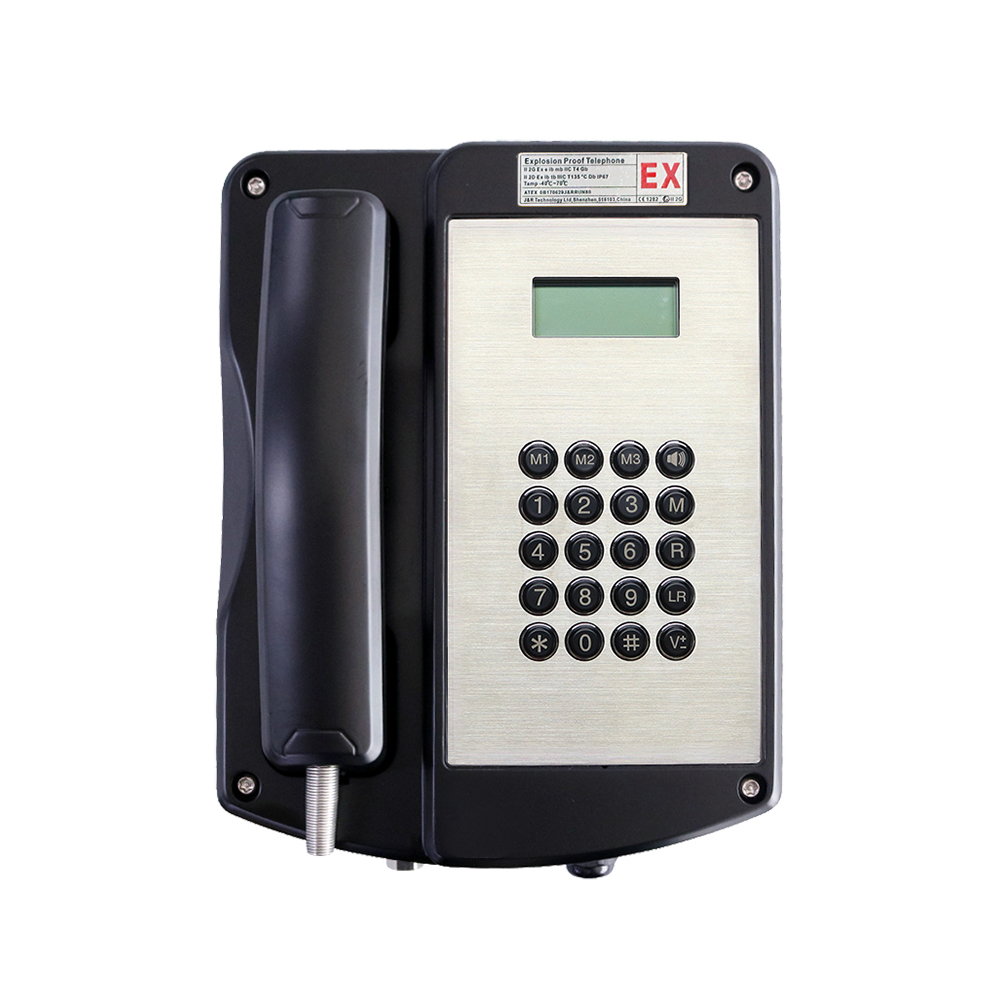
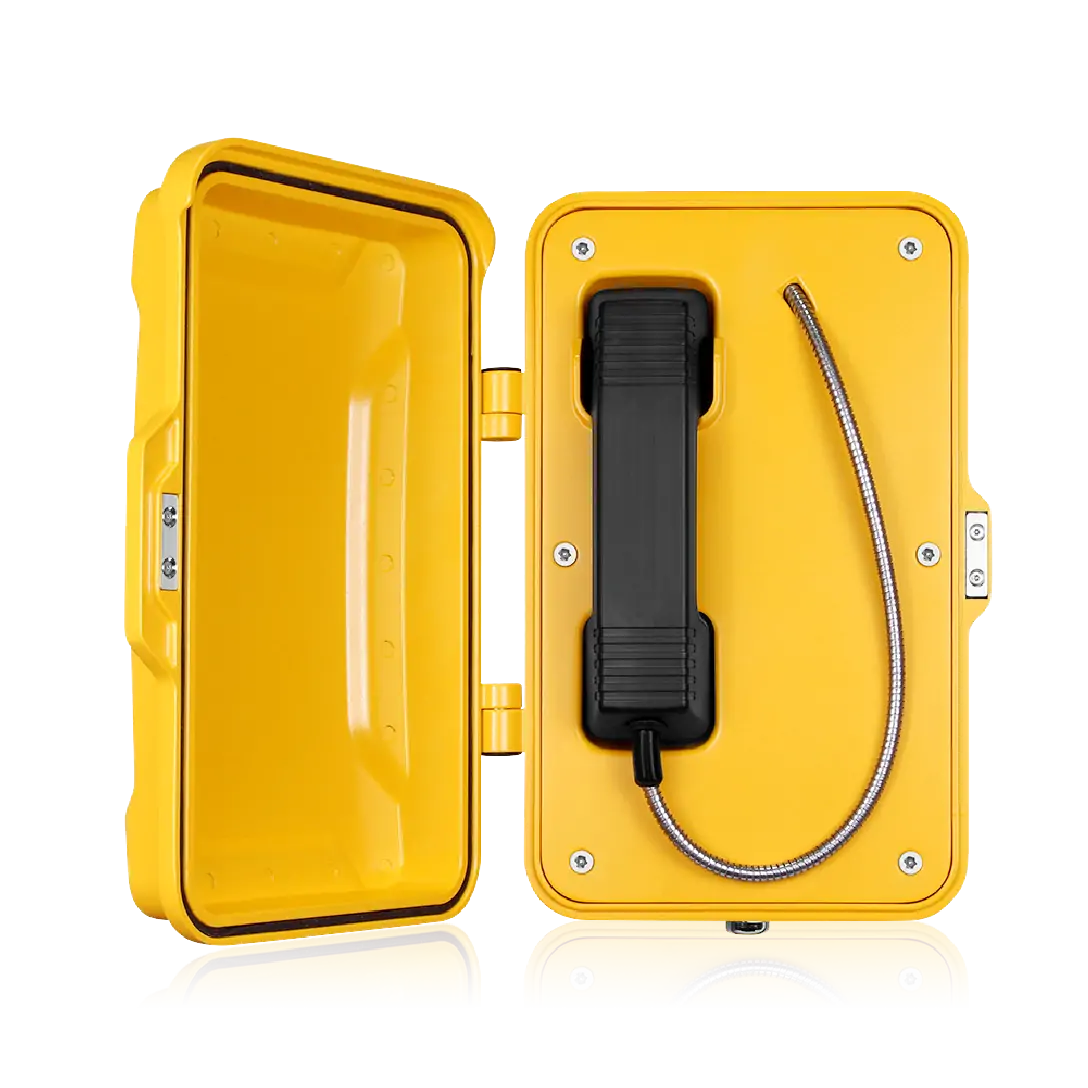
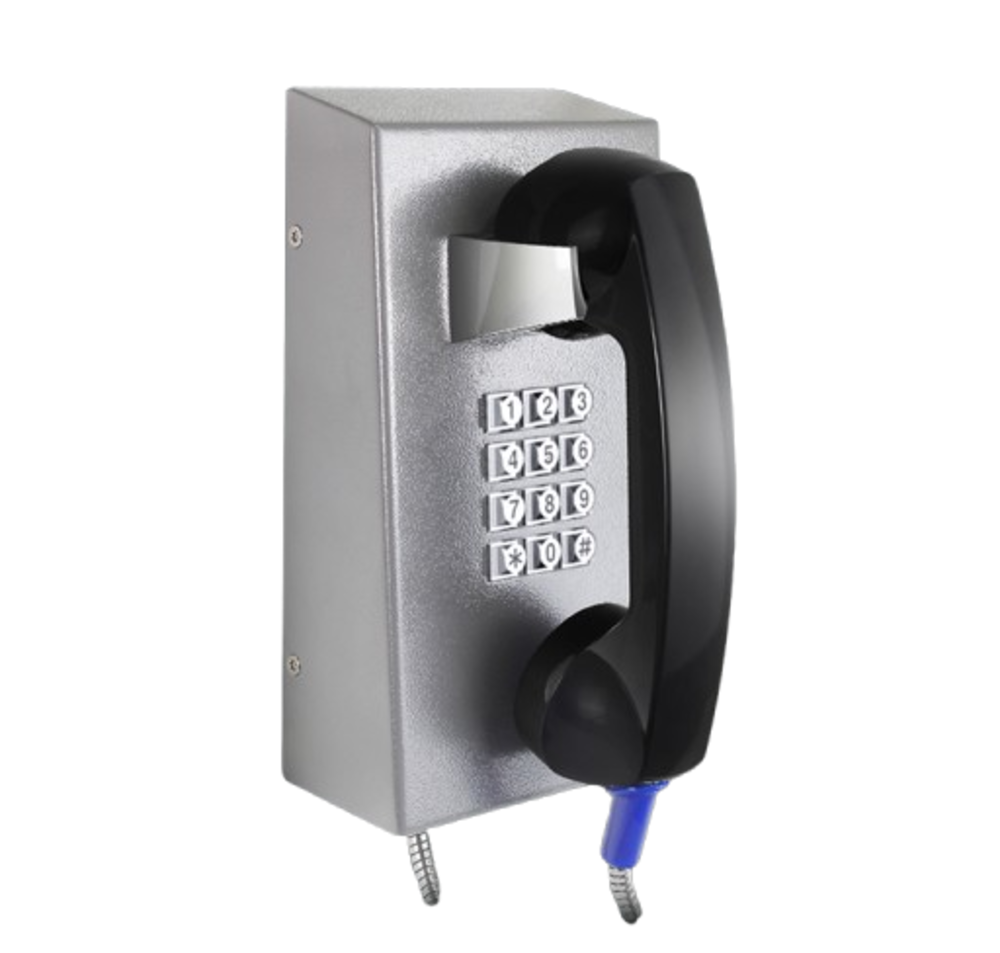
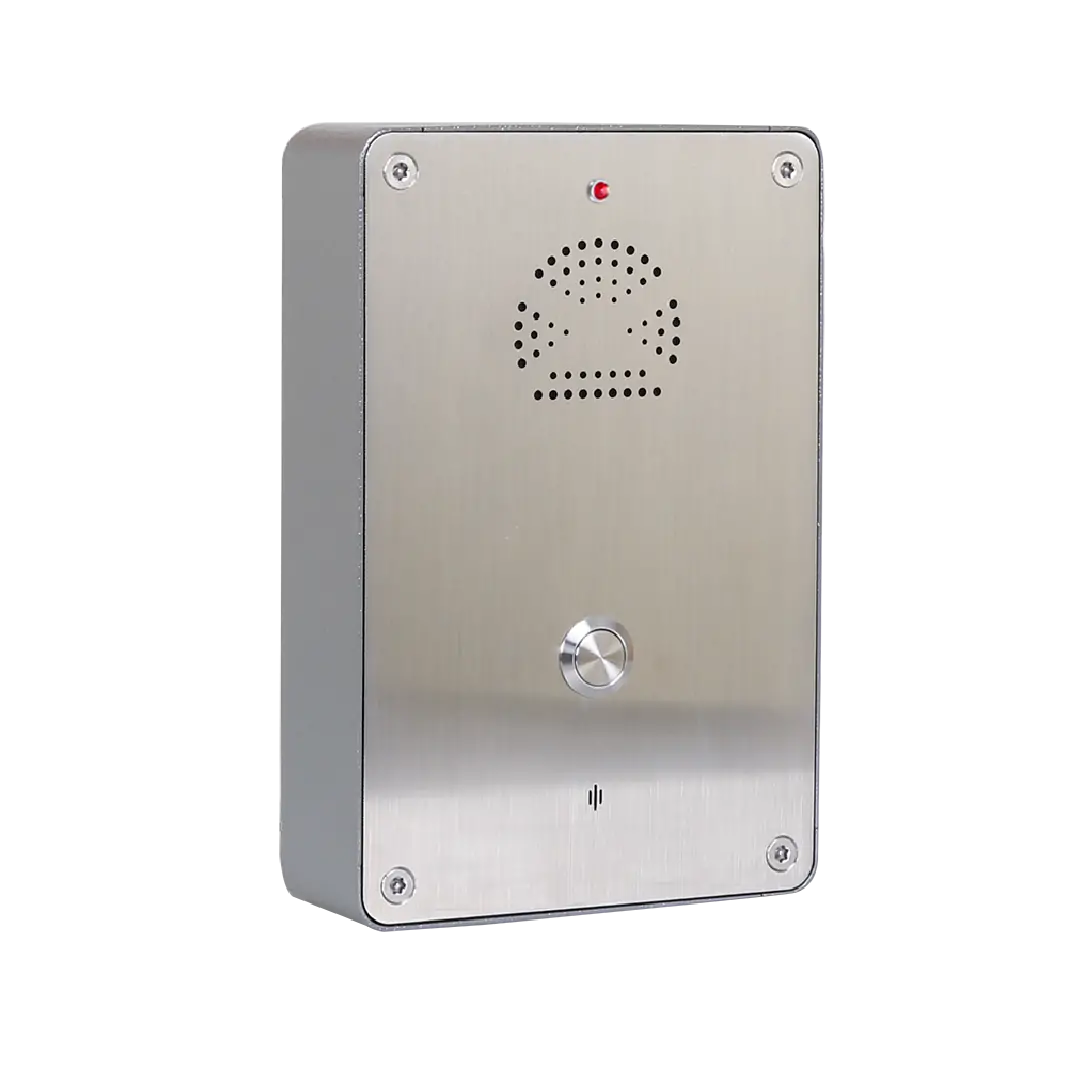
Ruggedized devices are essential in these scenarios. Equipment must withstand impact, moisture, and dust, which is why many mines deploy rugged systems designed specifically for heavy industrial use.
Case Studies
Across global mining operations, advanced communication infrastructure has delivered measurable safety improvements.
Typical deployments include:
-
Explosion-proof tunnel telephones every 100–200 meters
-
Fiber backbone linking underground substations
-
Leaky feeder coverage for mobile crews
-
Centralized dispatch with VoIP intercoms
-
Integrated alarm and paging systems
Results often show:
For example, installing industrial emergency phones connected via fiber ensures that even if wireless networks fail, miners can still reach control rooms immediately—providing a critical layer of redundancy.
Conclusion
As mining operations push deeper underground, communication reliability becomes directly tied to worker safety.
Innovative mining communication solutions—combining leaky feeder coverage, DAS networks, fiber backbones, and ruggedized emergency devices—create resilient systems that function even in the toughest conditions.
Rather than choosing a single technology, leading mines adopt integrated, hybrid architectures that ensure continuous voice and data connectivity at every level.
Because underground, communication isn’t just convenience—it’s protection.


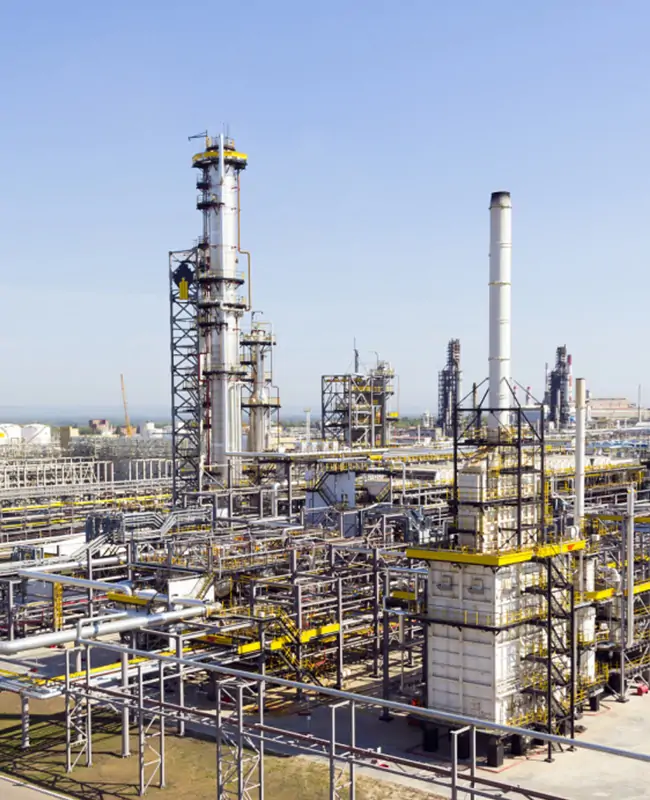 Petrochemical FacilitiesDetails
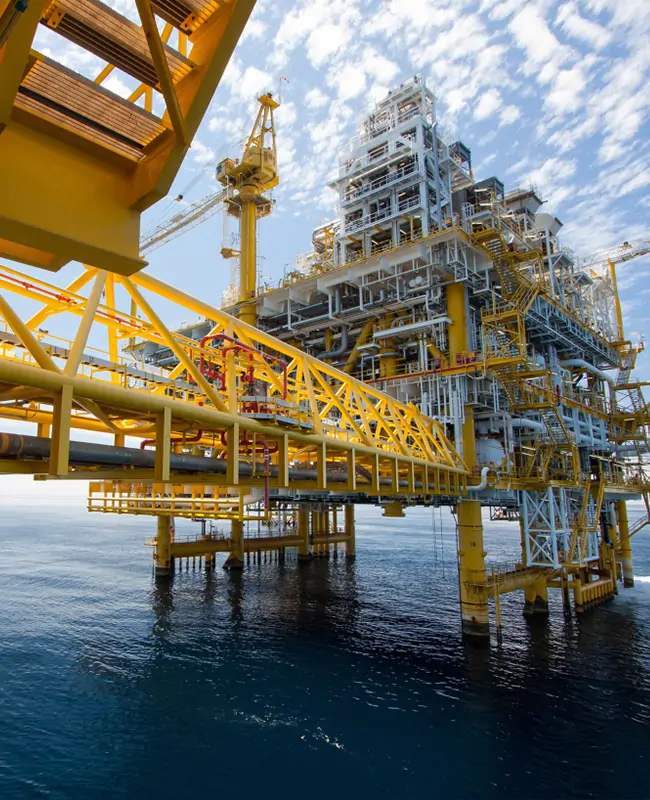 Offshore Oil Drilling PlatformsDetails
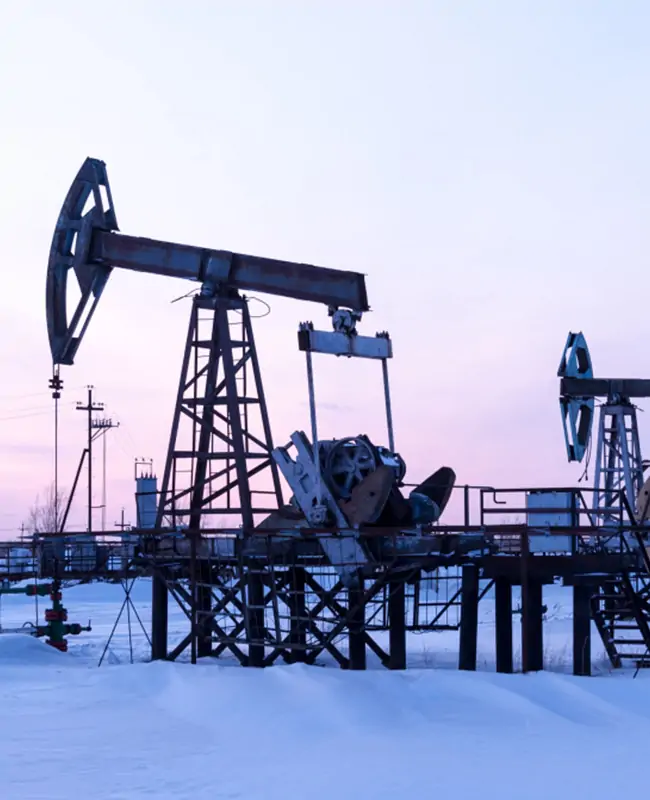 Onshore Oil PlatformsDetails
 Industrial & Manufacturing FacilitiesDetails
 Nuclear Power PlantsDetails
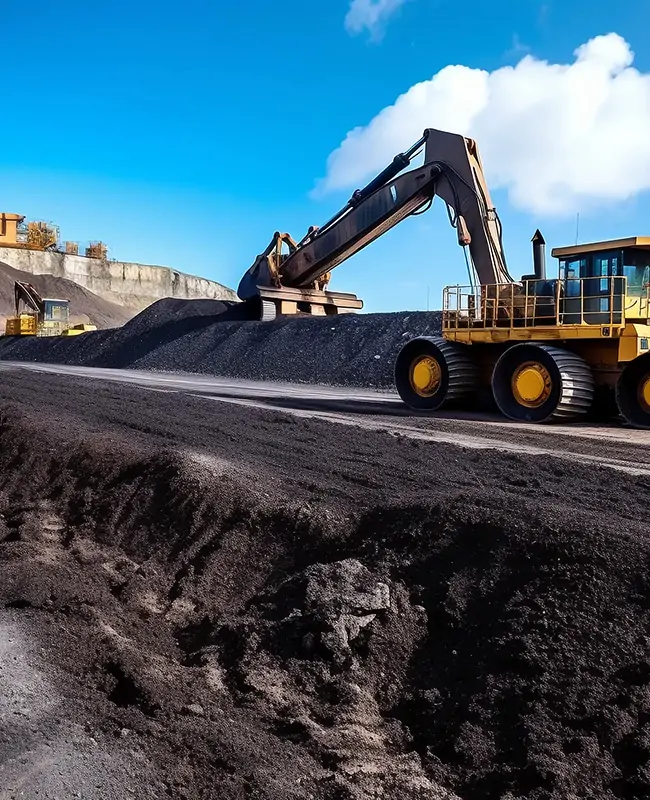 Mining Communication SystemsDetails
 Expressways & HighwaysDetails
 Utility TunnelsDetails
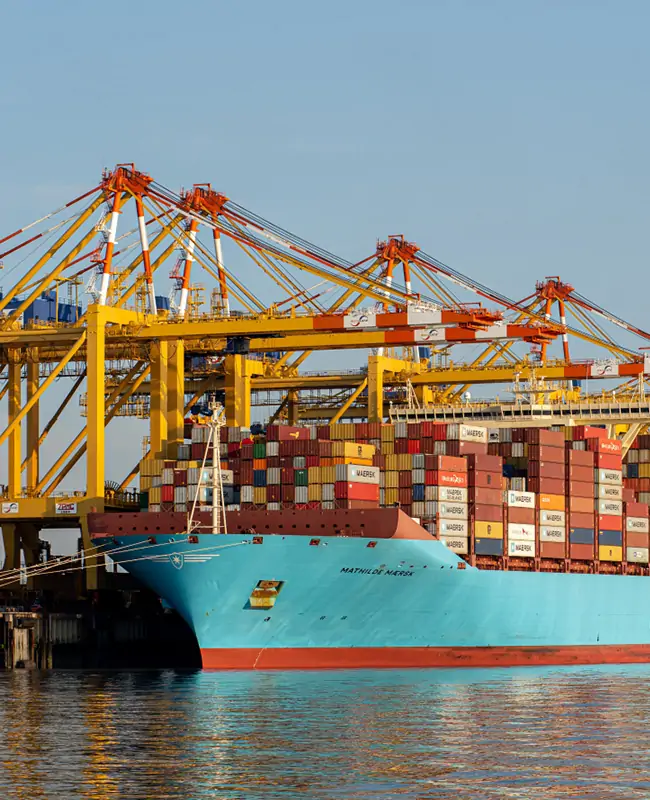 Heavy Machinery Zones (Cranes)Details
 Pharmaceutical Plants & CleanroomsDetails
 Correctional FacilitiesDetails
 Healthcare & Campus FacilitiesDetails
 Smart CitiesDetails
 4G Communication SolutionsDetails
 Wind Power PlantsDetails