In modern factories, tunnels, rail systems, oil & gas plants, and ports, communication infrastructure is as critical as power or control systems. From emergency telephones to dispatch intercoms and alarm broadcasting, every message must be delivered clearly and without delay.
Yet many project owners still face the same decision during system design: wired vs wireless communication — which approach is more suitable for industrial environments?
Both architectures offer distinct advantages, but their performance varies significantly depending on reliability requirements, deployment complexity, and environmental conditions. Choosing the wrong technology can lead to downtime, safety risks, or unnecessary costs.
For industrial communication manufacturers such as J&R Technology Ltd, selecting the right mix of wired and wireless infrastructure is often the foundation of a dependable critical communication network.

Reliability & Latency
Reliability is the primary concern in any industrial setup.
Wired communication systems — including fiber optics, Ethernet, and copper cabling — provide:
Because signals travel through physical media, they are less susceptible to electromagnetic interference, congestion, or signal blocking. This makes wired systems ideal for:
-
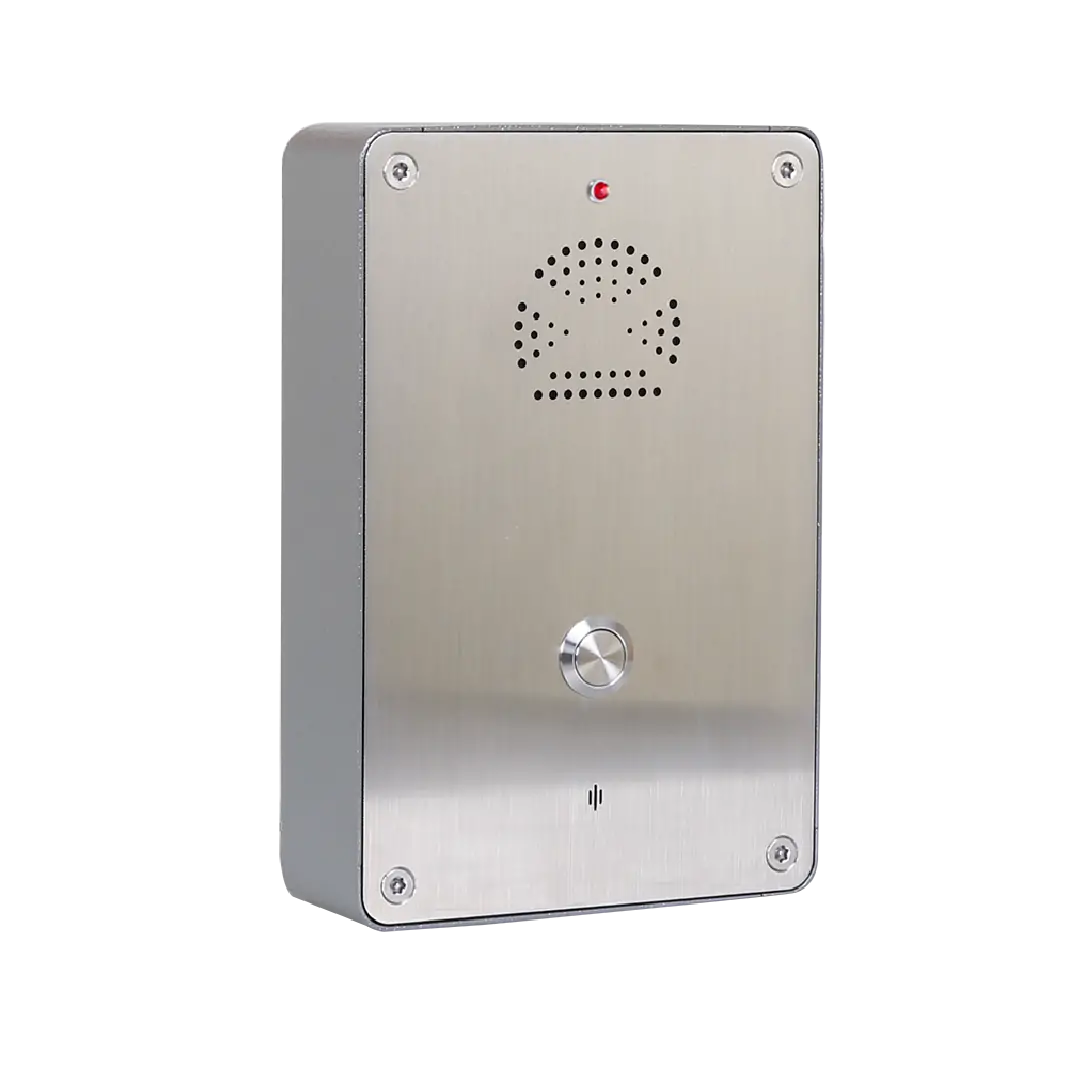
Emergency telephones
-
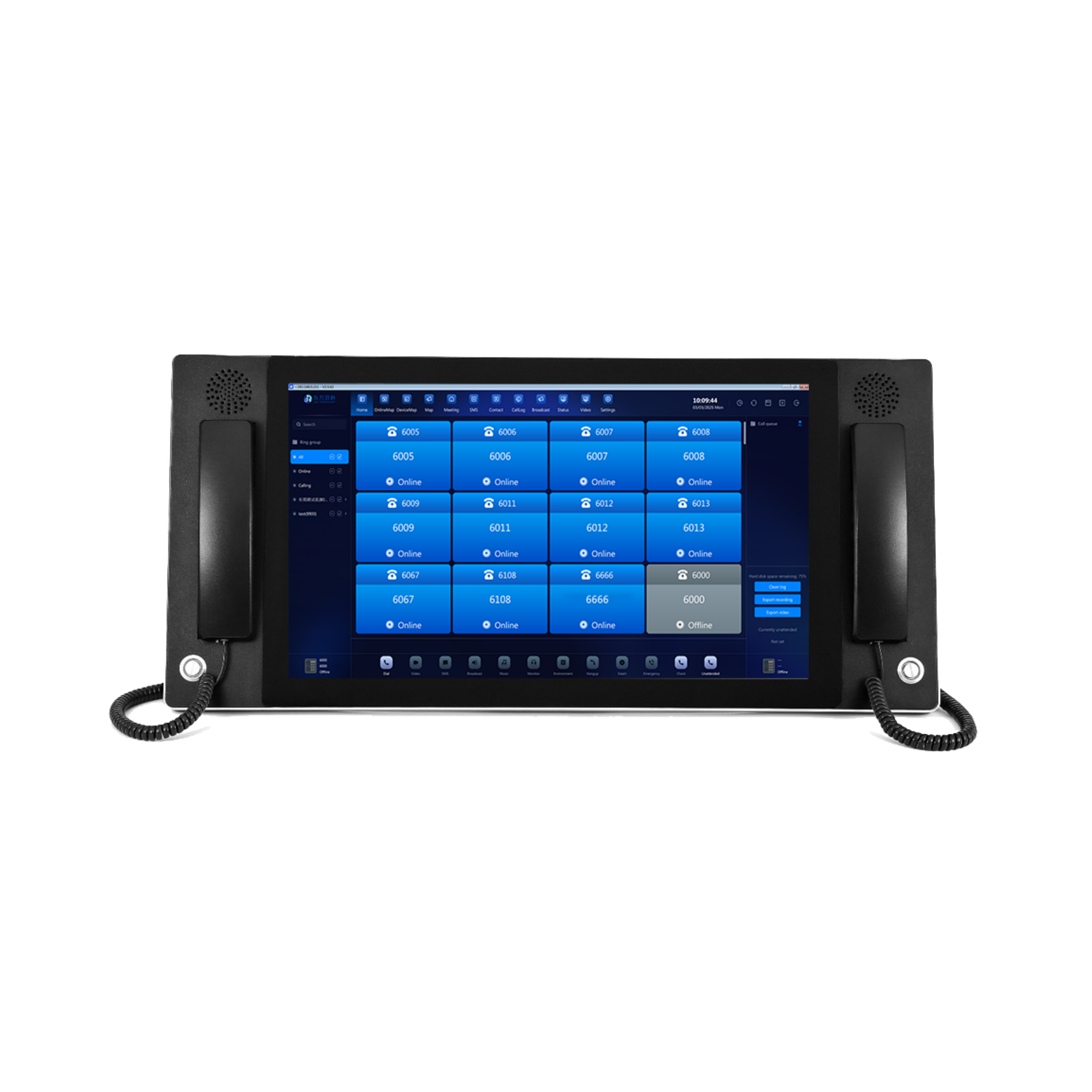
Dispatch consoles
-
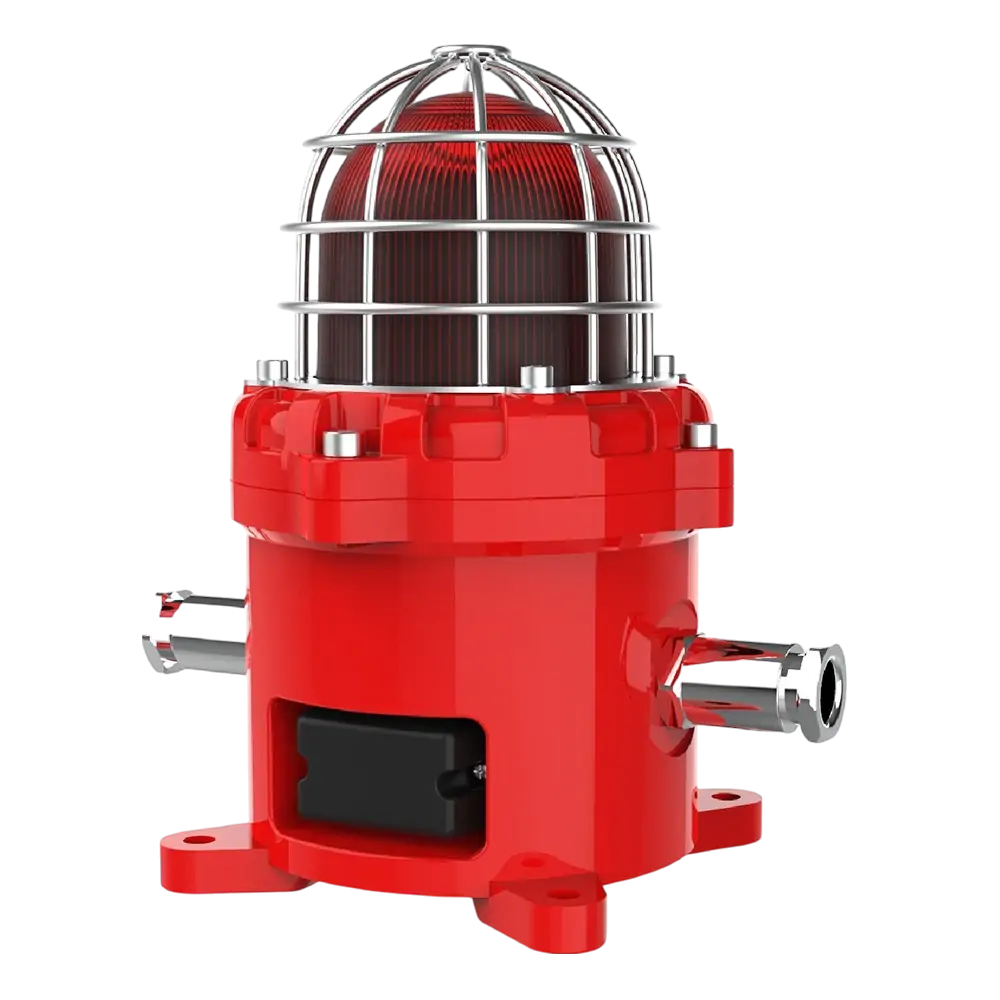
Alarm triggering
-
Safety interlocks
In contrast, wireless communication depends on radio signals that can be affected by obstacles, interference, or network traffic. While modern wireless technologies have improved significantly, they still cannot fully match the deterministic performance of wired links in mission-critical scenarios.
For life-safety applications, wired networks remain the gold standard.
Deployment Costs
Cost considerations often drive the adoption of wireless solutions.
Wired systems require:
In large or complex sites such as mines or ports, infrastructure costs can be substantial.
Wireless systems, however, offer:
They are particularly useful for:
-
Temporary sites
-
Remote areas
-
Retrofit projects
-
Rapid deployments
When budgets or timelines are tight, wireless solutions can reduce initial capital expenditure. However, long-term reliability trade-offs must be evaluated carefully.
Environmental Constraints
Industrial environments are rarely “signal friendly.”
Heavy machinery, steel structures, tunnels, underground areas, and thick concrete walls can severely degrade wireless performance. High electromagnetic noise from motors or generators may also disrupt radio signals.
In these conditions:
For example:
These settings typically favor wired infrastructure for backbone communication.
Wireless systems perform better in open outdoor environments or where physical cabling is impractical.
For harsh or hazardous zones, designers must also consider equipment compliance. (See related article: what is hazardous area.)
Maintenance Needs
Long-term maintenance requirements differ significantly between the two approaches.
Wired systems:
Once installed properly, cables can operate for many years with minimal intervention.
Wireless systems:
-
Require periodic signal optimization
-
Vulnerable to firmware or compatibility issues
-
Dependent on battery or power management
-
May need frequent network adjustments
Wireless infrastructure often demands more active monitoring and updates, especially in dynamic industrial settings.
For facilities that prioritize “set-and-forget” stability, wired remains the simpler option.
Future Trends
Despite the advantages of wired networks, wireless technologies continue to evolve rapidly.
Emerging trends include:
Rather than choosing one exclusively, many modern facilities now adopt hybrid systems:
For instance:
-
Fixed emergency phones connected via fiber
-
Mobile worker devices connected wirelessly
-
Intercom systems linked through both methods
Manufacturers like J&R Technology Ltd, recognized as a jr oem odm industrial phone provider, increasingly design solutions compatible with both network types to meet diverse project requirements. Similarly, specialized systems such as an area of refuge communication system often rely on wired connections to guarantee operation during emergencies while supporting wireless monitoring capabilities.
Conclusion
So when evaluating wired vs wireless communication, the answer is rarely absolute.
-
Wired = maximum reliability, low latency, best for safety-critical systems
-
Wireless = flexibility, faster deployment, lower initial cost
-
Hybrid = balanced performance and scalability
For most industrial applications, a hybrid architecture delivers the best results: wired infrastructure for mission-critical communication and wireless for convenience and expansion.
By aligning technology choices with operational risks and environmental realities, facilities can build communication systems that are both resilient and future-ready.


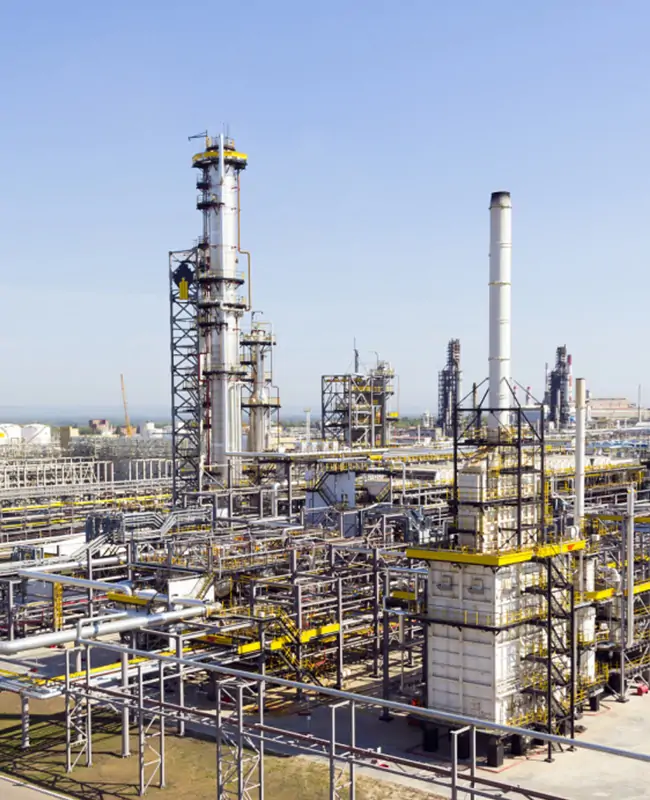 Petrochemical FacilitiesDetails
 Offshore Oil Drilling PlatformsDetails
 Onshore Oil PlatformsDetails
 Industrial & Manufacturing FacilitiesDetails
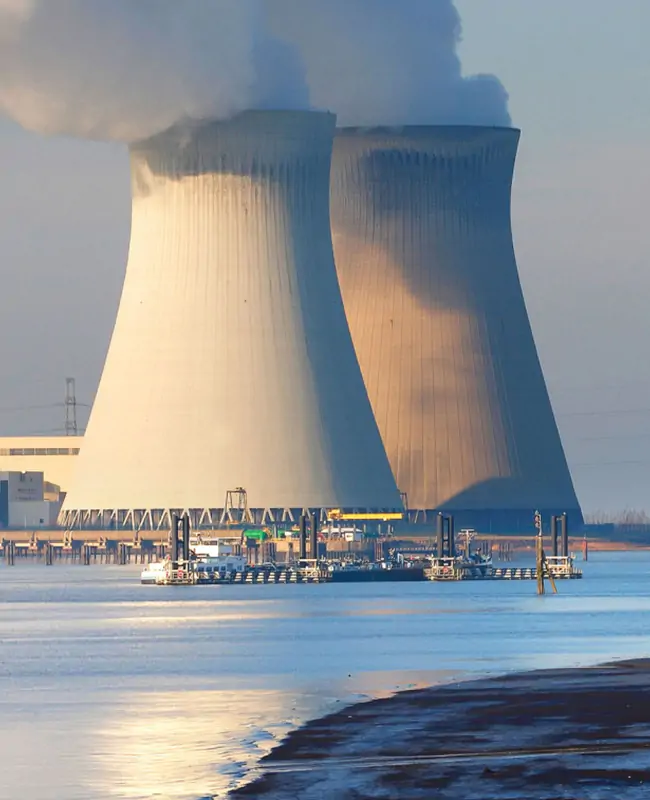 Nuclear Power PlantsDetails
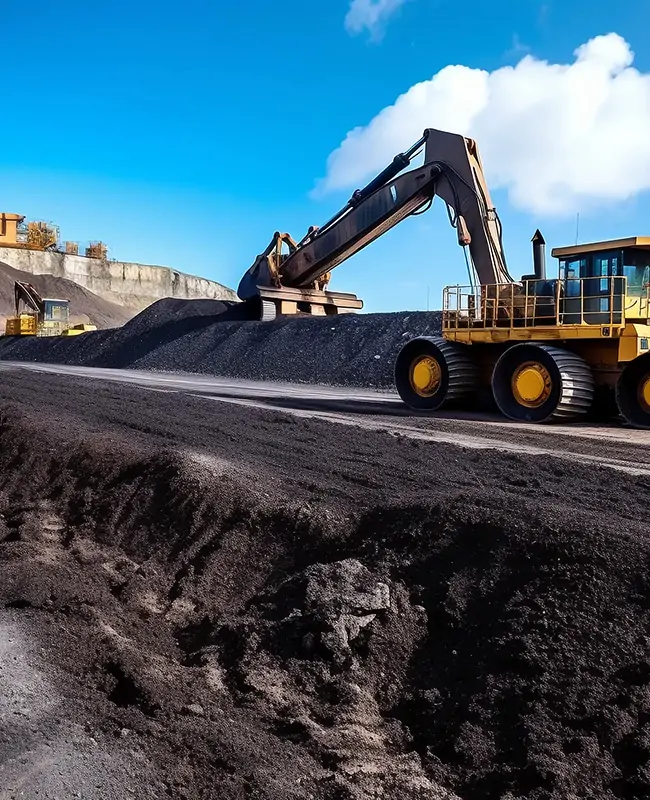 Mining Communication SystemsDetails
 Expressways & HighwaysDetails
 Utility TunnelsDetails
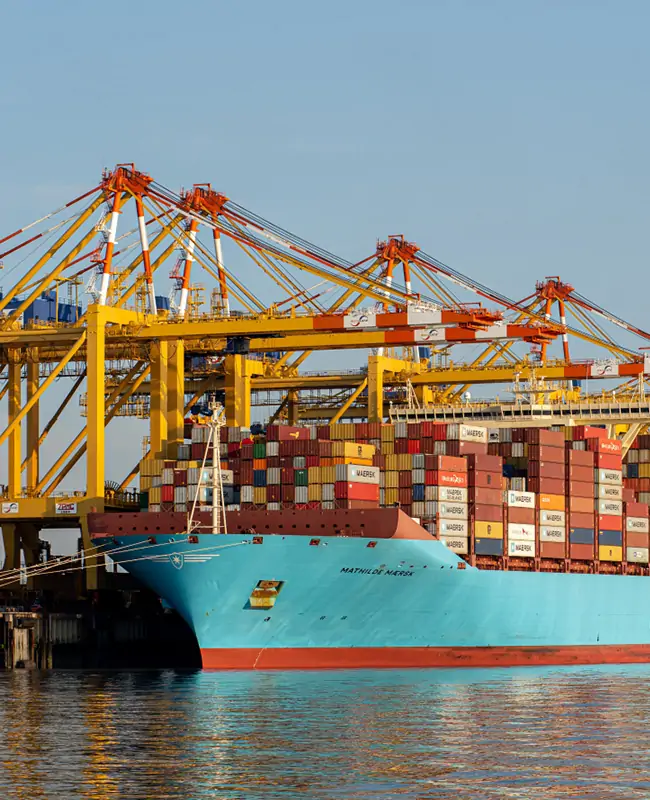 Heavy Machinery Zones (Cranes)Details
 Pharmaceutical Plants & CleanroomsDetails
 Correctional FacilitiesDetails
 Healthcare & Campus FacilitiesDetails
 Smart CitiesDetails
 4G Communication SolutionsDetails
 Wind Power PlantsDetails