As industrial operations become increasingly connected, communication networks have evolved into critical assets that support safety, productivity, and automation. Voice systems, intercoms, alarm networks, and data links are now deeply integrated with industrial control systems and enterprise platforms. In this context, a secure communication system is no longer optional—it is a fundamental requirement for protecting industrial networks.
This article examines how secure communication systems defend industrial environments against cyber and physical threats, and why security must be embedded into communication infrastructure from the ground up.

The Growing Security Risks in Industrial Communication Networks
Industrial networks were once isolated and proprietary. Today, they are increasingly IP-based, remotely managed, and interconnected with broader enterprise and cloud systems. While this connectivity improves efficiency, it also introduces new risks, including:
-
Unauthorized access to communication devices
-
Interception of voice and data traffic
-
Network intrusion through unsecured endpoints
-
Disruption of safety-critical communication during emergencies
A secure communication system addresses these challenges by applying security controls across devices, networks, and management platforms.
Core Components of a Secure Communication System
A secure communication system is defined by a layered security architecture rather than a single protective feature. Key components include:
Encrypted Communication Channels
Encryption ensures that voice and data transmissions cannot be intercepted or understood by unauthorized parties. Modern secure communication systems use standardized encryption protocols to protect information as it moves across wired or wireless networks.
Authentication and Access Control
Only authorized users and devices should be able to access industrial communication networks. Secure systems implement user authentication, device registration, and role-based access control to prevent misuse or tampering.
Network Segmentation
Separating communication networks from other industrial or IT networks limits the spread of potential threats. Segmentation ensures that a compromised device does not expose the entire industrial network.
Protecting Voice and Data in Industrial Environments
Industrial communication systems often carry both operational data and real-time voice traffic. A secure communication system protects these channels by:
-
Prioritizing critical communication traffic
-
Preventing spoofing or unauthorized call initiation
-
Ensuring integrity of alarm and emergency signals
This protection is especially important in environments where communication delays or failures can directly impact worker safety or production continuity.
Hardware Security and Industrial-Grade Design
Security is not limited to software and protocols. Physical security and hardware design play a crucial role in protecting industrial networks.
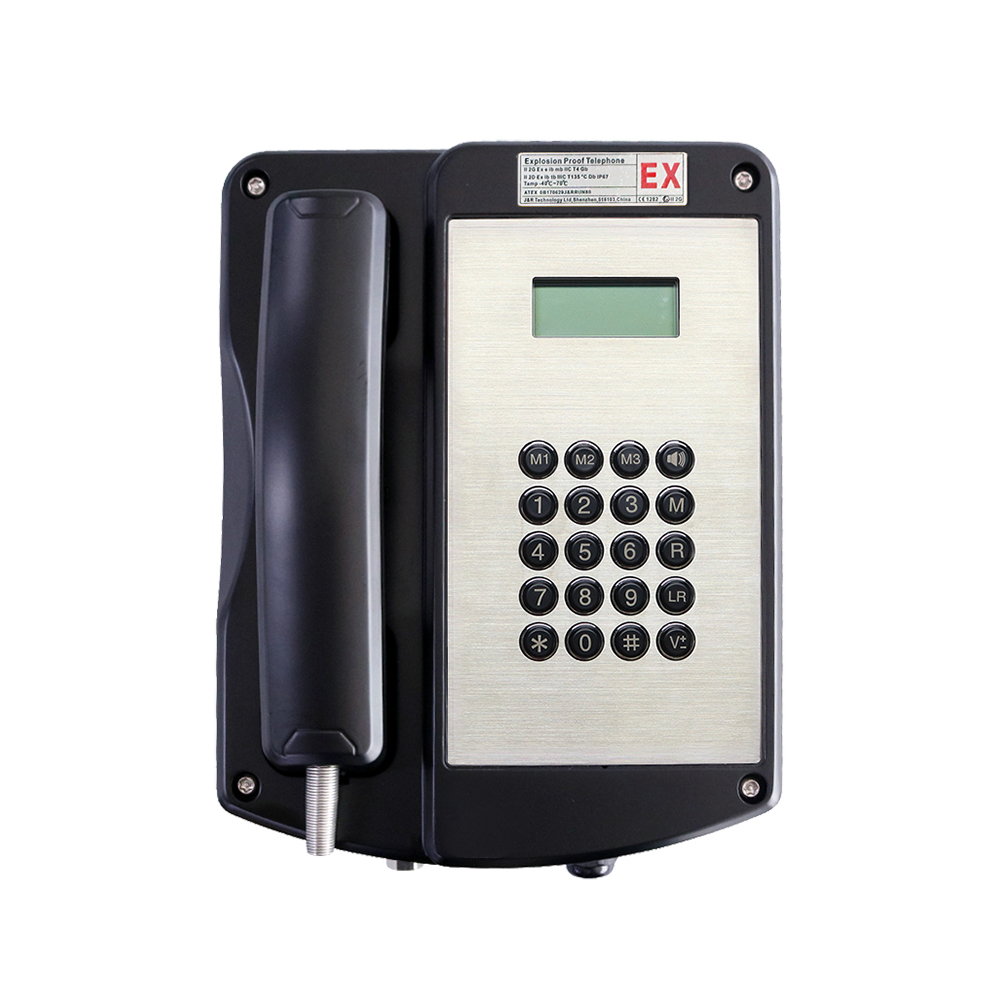
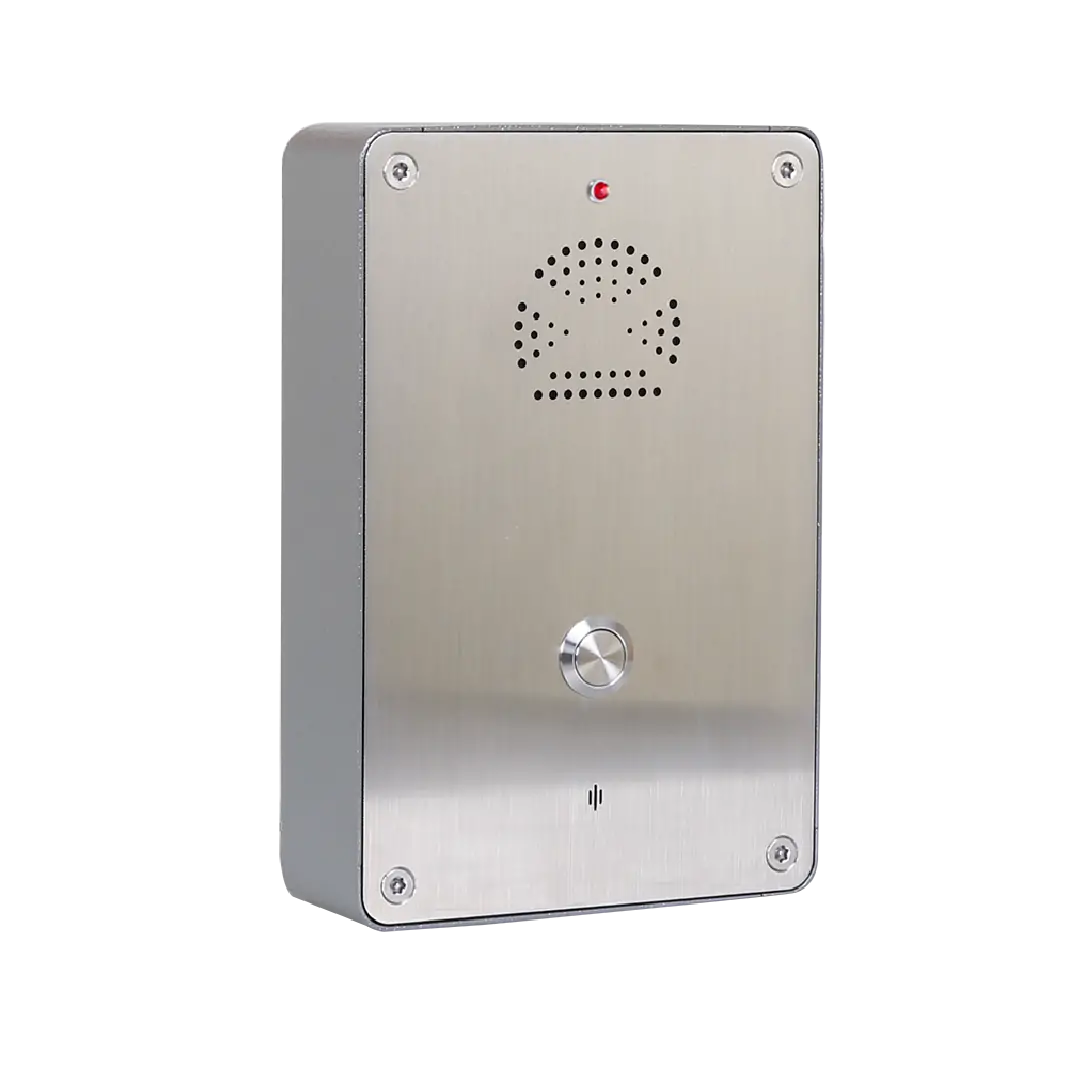
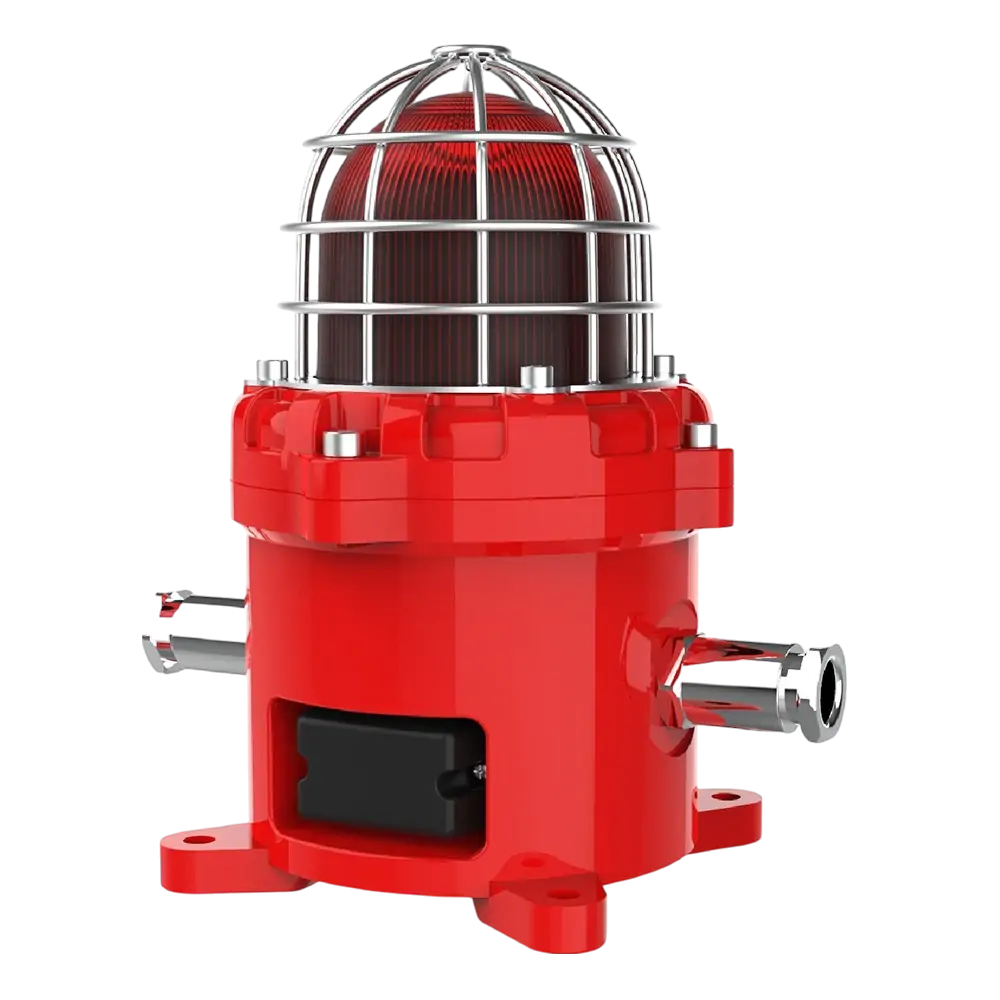
Industrial communication devices must be resistant to tampering, environmental damage, and unauthorized physical access. Proper enclosure selection industry practices help ensure that communication equipment is housed in robust enclosures designed to withstand dust, moisture, vibration, and impact.
In high-risk environments such as mining, oil and gas, or heavy manufacturing, ruggedized hardware adds an additional layer of protection against both accidental damage and deliberate interference.
Resilience and Redundancy in Secure Communication Systems
A secure communication system must also be resilient. Cybersecurity is closely linked to system availability, especially in industrial settings where downtime is costly.
Resilience measures include:
-
Redundant network paths and power supplies
-
Failover mechanisms to maintain communication during faults
-
Continuous monitoring and logging for anomaly detection
By combining security with resilience, industrial operators can ensure that communication remains available even during network disruptions or attempted attacks.
Integration with Broader Industrial Communication Backbones
Many industrial sites are part of larger operational networks that span multiple locations. Secure communication systems must integrate seamlessly with broader infrastructures, such as a mining comm backbone, without compromising security.
This integration requires consistent security policies, centralized management, and standardized protocols across sites. When properly designed, a secure communication system enables centralized oversight while maintaining strong protection at the local level.
Compliance, Standards, and Regulatory Considerations
Industrial sectors are subject to increasing regulatory scrutiny related to cybersecurity and operational safety. A secure communication system supports compliance with industry standards by:
-
Implementing documented security controls
-
Supporting audit and logging requirements
-
Aligning with best practices for critical infrastructure protection
Compliance is not only a legal requirement but also a practical framework for reducing operational risk.
Supporting Digital Transformation Without Compromising Security
As industries adopt digital transformation strategies, communication systems must evolve to support remote access, data analytics, and smart operations. A secure communication system enables this evolution by ensuring that increased connectivity does not introduce unacceptable risk.
Secure-by-design communication infrastructure allows industrial operators to leverage advanced technologies while maintaining control over data, access, and system integrity.
Why Secure Communication Systems Are Essential for Industrial Networks
Ultimately, a secure communication system protects industrial networks by ensuring confidentiality, integrity, and availability of critical communication channels. It safeguards voice and data traffic, prevents unauthorized access, and supports resilient operations in challenging environments.
As industrial networks continue to converge and expand, investing in secure communication systems is essential for protecting assets, ensuring safety, and maintaining long-term operational reliability.


 Petrochemical FacilitiesDetails
 Offshore Oil Drilling PlatformsDetails
 Onshore Oil PlatformsDetails
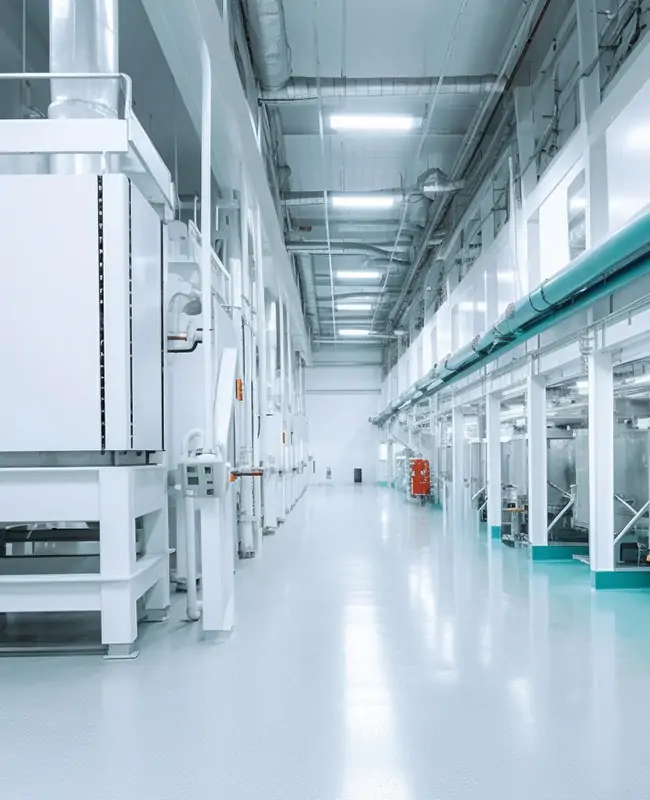 Industrial & Manufacturing FacilitiesDetails
 Nuclear Power PlantsDetails
 Mining Communication SystemsDetails
 Expressways & HighwaysDetails
 Utility TunnelsDetails
 Heavy Machinery Zones (Cranes)Details
 Pharmaceutical Plants & CleanroomsDetails
 Correctional FacilitiesDetails
 Healthcare & Campus FacilitiesDetails
 Smart CitiesDetails
 4G Communication SolutionsDetails
 Wind Power PlantsDetails