In today’s manufacturing landscape, efficiency, safety, and real-time coordination depend heavily on reliable communication infrastructure. As production lines become more automated and geographically distributed, manufacturing communication systems have evolved from basic voice networks into integrated platforms that support data, control signals, and emergency communication.
But what exactly defines a modern manufacturing communication system? This article examines its core architecture, communication protocols, and operational requirements, while highlighting why robust communication design is critical for smart factories and industrial facilities.
The Role of Communication Systems in Modern Manufacturing
Manufacturing environments are complex ecosystems where machines, operators, control rooms, and safety systems must operate in sync. Communication systems act as the backbone that connects these elements, enabling:
-
Real-time voice communication between operators and supervisors
-
Data transmission between machines, sensors, and control systems
-
Alarm signaling and emergency response coordination
-
Integration with automation and monitoring platforms
Without a reliable communication framework, production efficiency declines, safety risks increase, and system downtime becomes more costly.
Core Architecture of Manufacturing Communication Systems
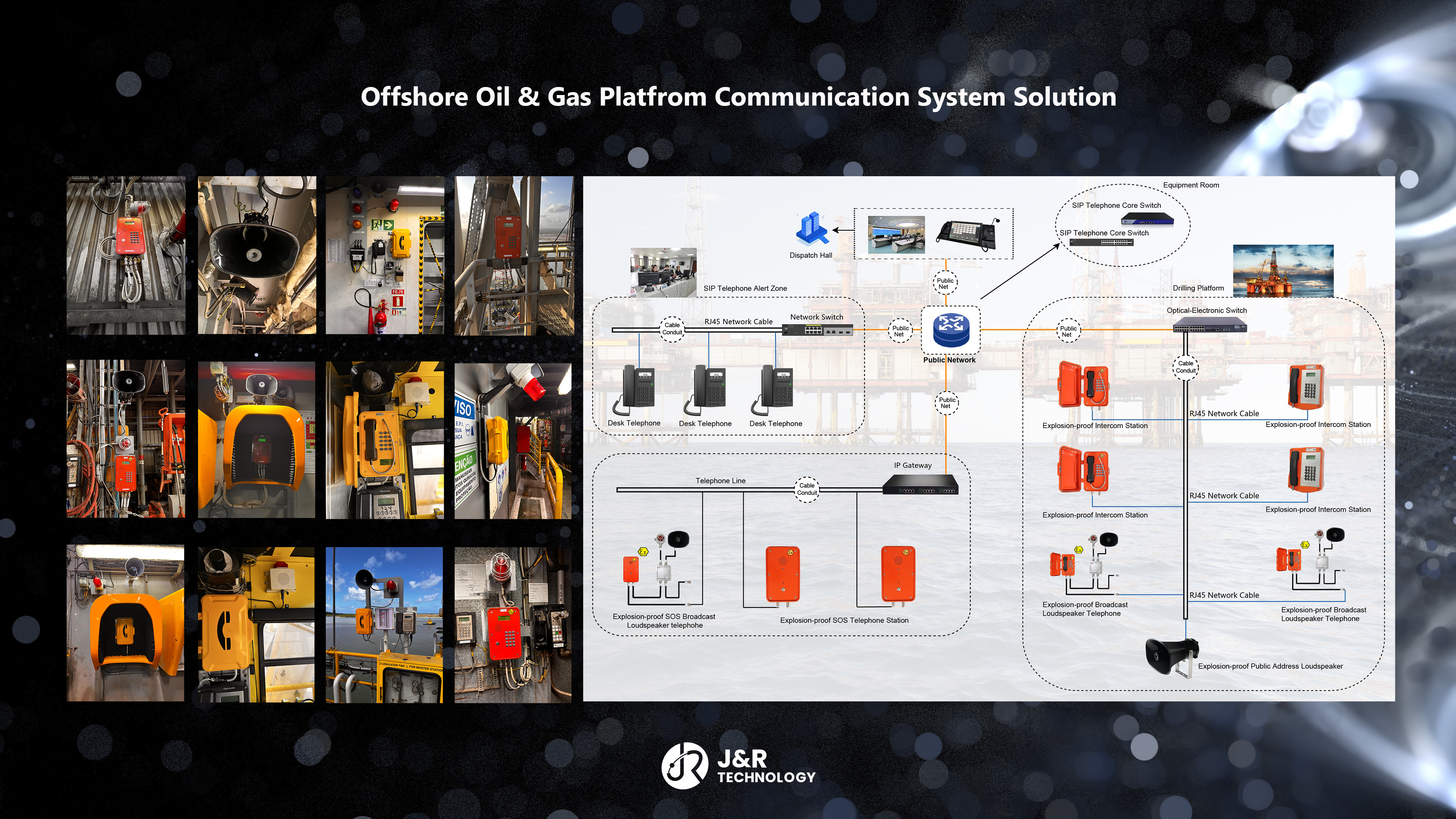
At a structural level, manufacturing communication systems are typically built around a layered architecture designed for reliability and scalability.
Field Layer
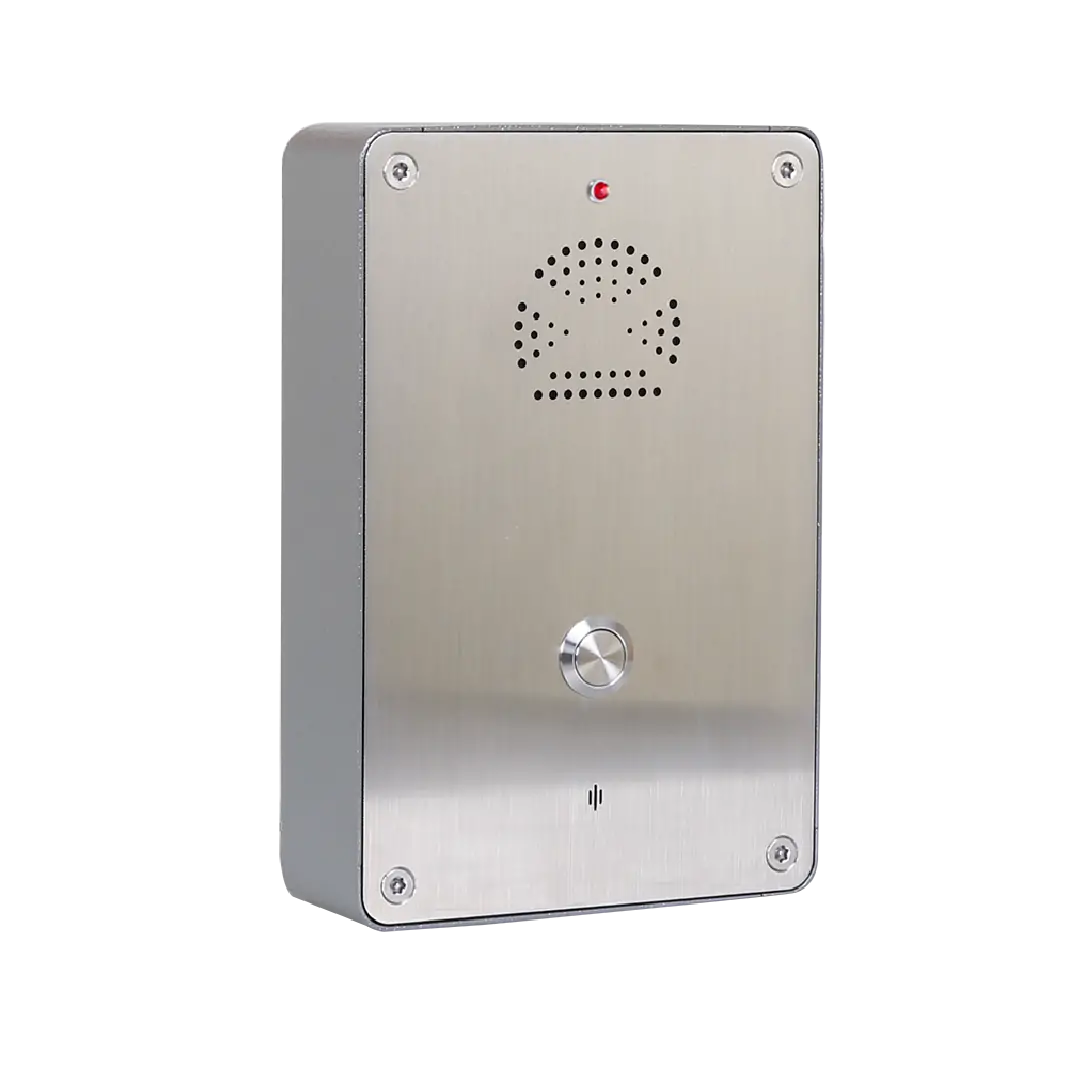
This includes communication terminals such as industrial telephones, intercom stations, call points, and sensors deployed directly on the production floor. These devices must withstand harsh conditions such as dust, vibration, moisture, and temperature fluctuations.
Network Layer
The network layer connects field devices to control systems using wired or wireless technologies, including Ethernet, fiber optics, or cellular communication. Redundancy and fault tolerance are often built into this layer to ensure continuous operation.
Control and Management Layer
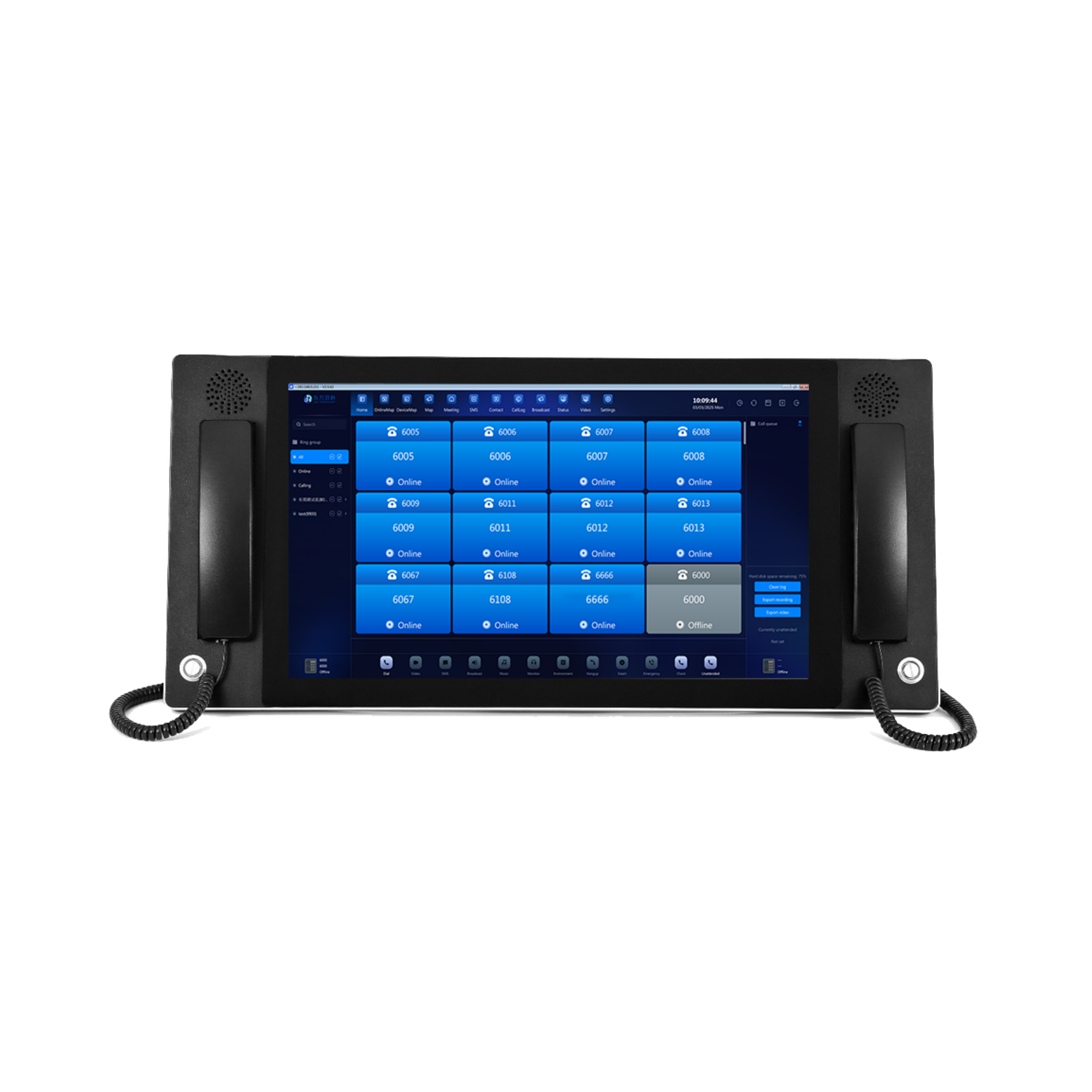
Centralized platforms manage call routing, monitoring, logging, and system configuration. Integration with SCADA, PLCs, or manufacturing execution systems (MES) is increasingly common in smart factories.
This modular architecture allows manufacturing communication systems to scale and adapt as production requirements change.
Communication Protocols Supporting Real-Time Operations
Protocols define how data and voice signals are transmitted, prioritized, and secured. In manufacturing communication systems, commonly used protocols include:
-
SIP and IP-based protocols for voice communication
-
Industrial Ethernet protocols for machine data exchange
-
Alarm and signaling protocols for safety-critical events
Low latency and deterministic performance are essential, especially in environments where delayed communication can disrupt production or compromise safety.
As factories move toward Industry 4.0, IP-based communication protocols are becoming the standard, enabling seamless convergence of voice, data, and control networks.
Reliability and Resilience in Industrial Environments
Manufacturing sites often operate continuously, leaving little tolerance for communication failures. As a result, manufacturing communication systems must be designed with resilience in mind.
Key considerations include:
-
Network redundancy to prevent single points of failure
-
Ruggedized hardware rated for industrial conditions
-
Compliance with impact and enclosure standards, such as IK rating, to ensure physical durability
These measures help ensure that communication remains stable even during equipment impacts, power fluctuations, or harsh environmental exposure.
Safety, Emergency, and Compliance Requirements
Communication systems play a critical role in industrial safety. In emergency situations, workers must be able to quickly report incidents and receive instructions.
Manufacturing communication systems often support:
-
Emergency call points on production lines
-
Priority call handling and broadcast functions
-
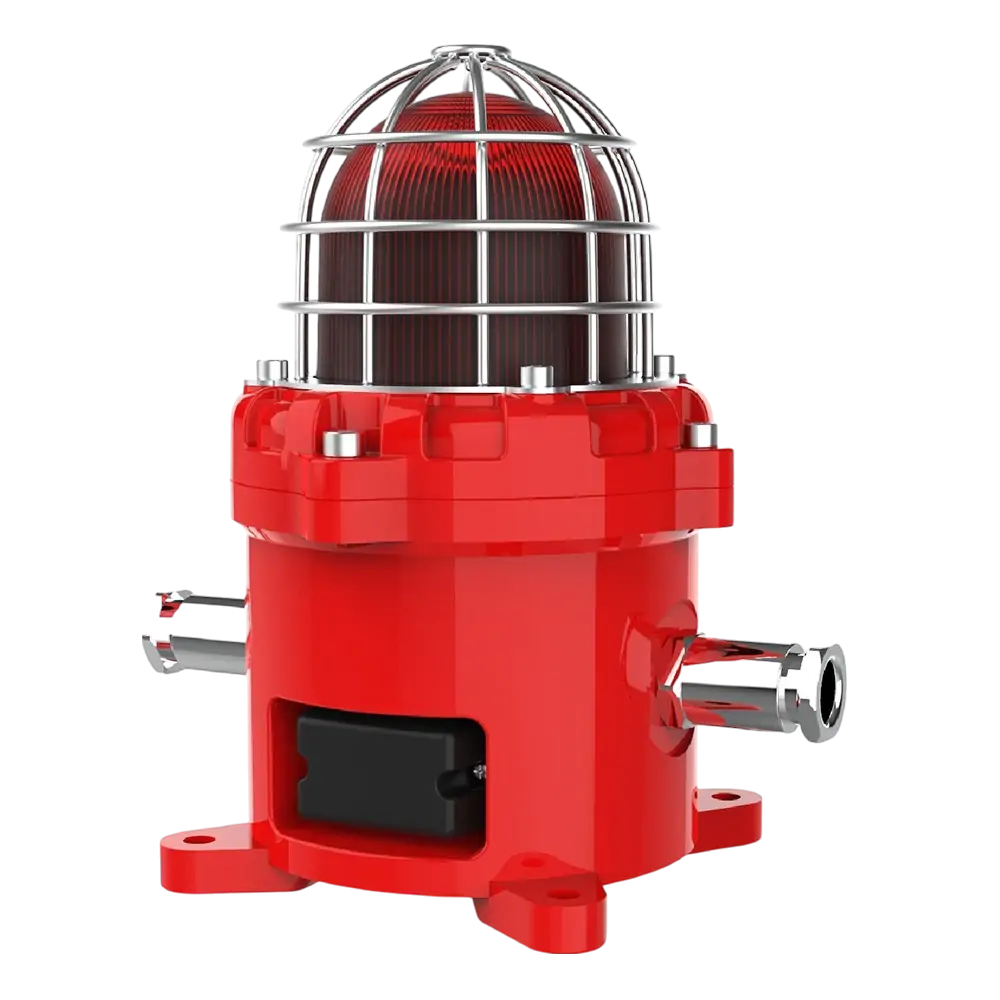
Integration with alarm and public address systems
In facilities handling heavy machinery or hazardous materials, communication devices may also need to comply with industry-specific regulations and certifications.
Integration with Broader Industrial Communication Networks
Manufacturing facilities rarely operate in isolation. Many are part of larger industrial ecosystems that include mining operations, logistics hubs, or energy infrastructure.
In such cases, manufacturing communication systems may connect to a broader mining comm backbone or regional industrial network. This integration enables unified communication across multiple sites, supporting centralized monitoring, remote diagnostics, and coordinated emergency response.
Scalable communication design ensures that manufacturing sites can be integrated into these wider networks without extensive system redesign.
Wired vs Wireless Communication in Manufacturing
Both wired and wireless technologies play important roles in manufacturing communication systems.
-
Wired systems offer high stability and predictable performance, making them ideal for fixed production lines.
-
Wireless systems, including cellular-based solutions, provide flexibility for mobile equipment, temporary installations, or expanding facilities.
Modern manufacturing environments often adopt a hybrid approach, combining wired backbone networks with wireless access points to balance reliability and flexibility.
Supporting Digital Transformation and Smart Manufacturing
As manufacturers embrace automation, data analytics, and predictive maintenance, communication systems must support increasing data volumes and connectivity demands.
Manufacturing communication systems now serve as enablers of digital transformation by:
-
Supporting real-time data exchange for process optimization
-
Enabling remote monitoring and maintenance
-
Providing the communication foundation for smart manufacturing initiatives
This shift underscores the strategic importance of communication infrastructure beyond basic voice functionality.
What Truly Defines Manufacturing Communication Systems?
At their core, manufacturing communication systems are defined by their ability to deliver reliable, real-time communication in demanding industrial environments. They combine rugged hardware, resilient network architecture, and standardized protocols to support both operational efficiency and worker safety.
As production environments continue to evolve, well-designed manufacturing communication systems will remain a critical component of industrial competitiveness, enabling factories to operate smarter, safer, and more efficiently.


 Petrochemical FacilitiesDetails
 Offshore Oil Drilling PlatformsDetails
 Onshore Oil PlatformsDetails
 Industrial & Manufacturing FacilitiesDetails
 Nuclear Power PlantsDetails
 Mining Communication SystemsDetails
 Expressways & HighwaysDetails
 Utility TunnelsDetails
 Heavy Machinery Zones (Cranes)Details
 Pharmaceutical Plants & CleanroomsDetails
 Correctional FacilitiesDetails
 Healthcare & Campus FacilitiesDetails
 Smart CitiesDetails
 4G Communication SolutionsDetails
 Wind Power PlantsDetails