Basics of SIP Protocol
The SIP protocol (Session Initiation Protocol) is a widely used signaling protocol that enables voice, video, and multimedia communication over IP networks. It is a core technology behind many modern VoIP systems, allowing devices to establish, manage, and terminate communication sessions across digital networks.
Unlike traditional telephony systems that rely on dedicated circuits, SIP operates over packet-based IP networks. This allows communication devices—such as IP phones, intercom terminals, and dispatch consoles—to connect through a unified network infrastructure.
In simple terms, SIP acts as the control mechanism that manages how calls are initiated, routed, and ended between devices. When a user places a call, the SIP protocol coordinates the signaling process, locates the recipient, and establishes the communication session.
Because SIP works over standard IP networks, it is highly compatible with modern communication technologies. Organizations looking to understand the foundation of IP voice systems often begin by exploring what is VoIP communication, as VoIP platforms commonly rely on SIP for call signaling.

SIP in Industrial Environments
Industrial facilities require communication systems that are both reliable and adaptable. Factories, transportation hubs, mining operations, and energy facilities all depend on instant communication between control rooms and field personnel.
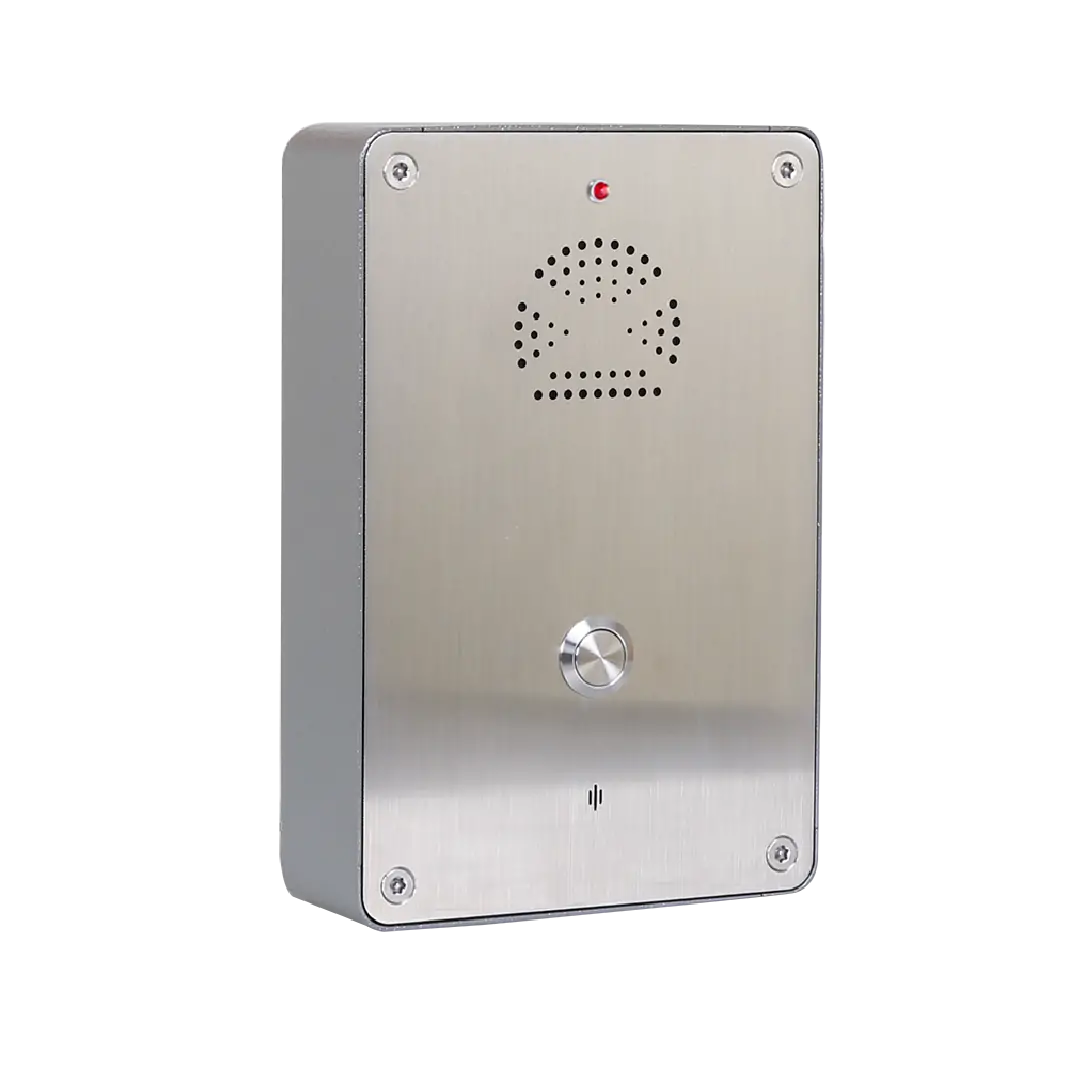
The SIP protocol is well suited for these environments because it enables the integration of multiple communication devices into a single IP-based network. Industrial telephones, emergency call stations, intercom systems, and public address systems can all operate within the same SIP-enabled infrastructure.
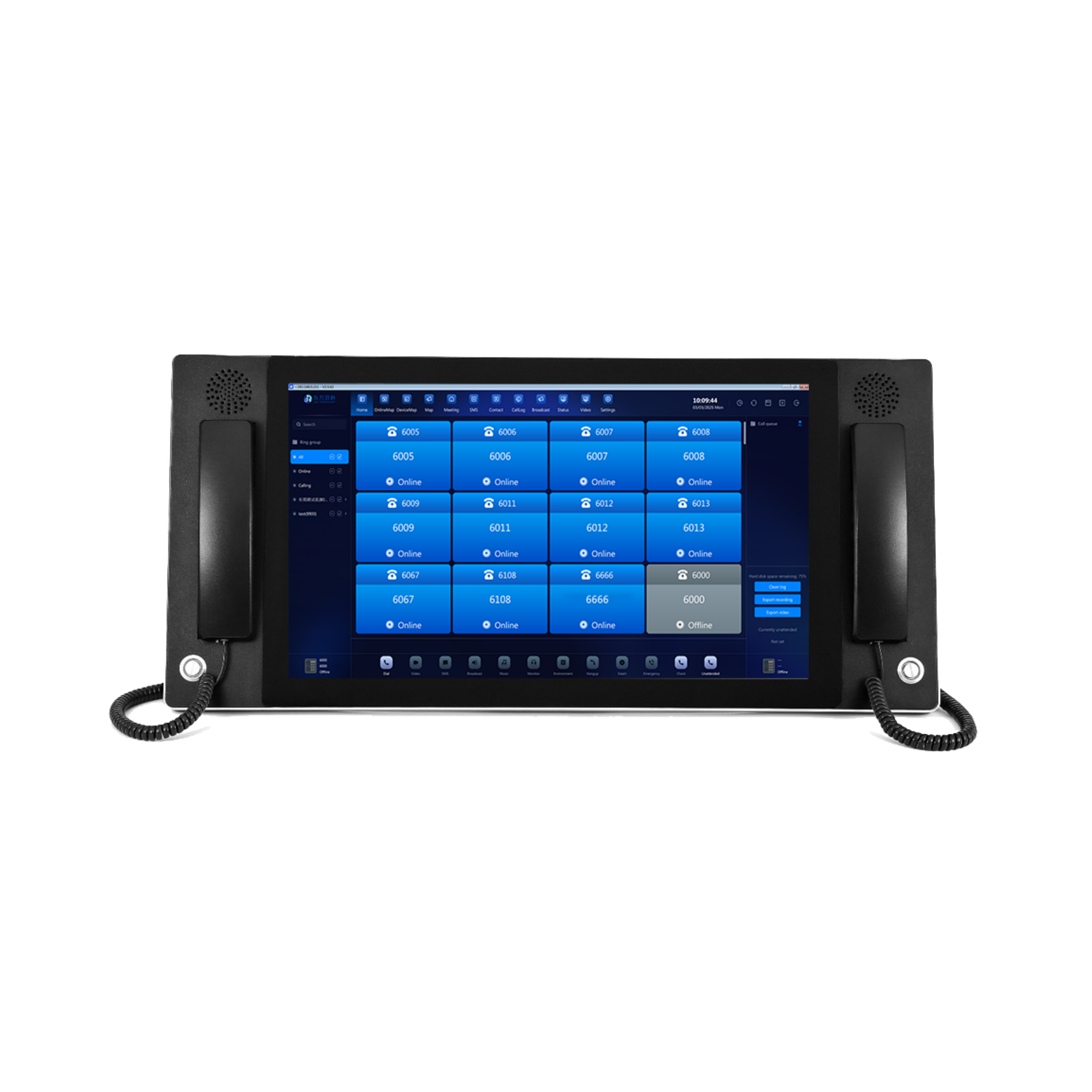
For example, in a tunnel or factory setting, SIP-based intercom stations can connect directly with centralized dispatch consoles. Operators can communicate with workers in different areas of the facility while also broadcasting announcements through integrated PA systems.
This level of connectivity improves operational efficiency and ensures that important information can be delivered quickly during both routine operations and emergency situations.
Benefits Over Legacy Systems
Compared with traditional analog telephone systems, SIP-based communication networks provide several key advantages.
One major benefit is scalability. Expanding a legacy analog system often requires additional cabling and hardware infrastructure. In contrast, SIP-based systems can be expanded simply by adding new devices to the network.
Flexibility is another important advantage. Because SIP works over IP networks, communication devices can be deployed across different locations while remaining part of the same unified system. This is particularly useful for large industrial facilities with distributed operations.
Cost efficiency also plays a role. Using existing network infrastructure reduces installation and maintenance costs compared with traditional telephony systems.
Additionally, SIP-based networks support advanced features such as call routing, conferencing, remote device management, and integration with monitoring systems. These capabilities allow industrial communication systems to operate more intelligently and efficiently.
Security Considerations
While the SIP protocol offers many benefits, security is an important factor that must be addressed during system deployment.
Industrial communication networks often support critical operational processes, meaning that unauthorized access or network disruptions could pose serious risks. To mitigate these concerns, several security mechanisms are commonly implemented.
Encryption protocols such as TLS (Transport Layer Security) and SRTP (Secure Real-time Transport Protocol) can protect signaling and voice traffic from interception. Authentication mechanisms also help ensure that only authorized devices are allowed to connect to the communication network.
Network segmentation is another recommended practice. By separating communication systems from other corporate networks, organizations can reduce the risk of cyber threats affecting operational communications.
Regular monitoring and firmware updates also help maintain the long-term security and stability of SIP-based communication systems.
Implementation Tips
Implementing a SIP-based industrial communication system requires careful planning to ensure reliability and compatibility with existing infrastructure.
The first step is evaluating the network environment. Industrial networks must provide sufficient bandwidth and stability to support real-time voice communication without delays or packet loss.
Selecting appropriate SIP-compatible devices is also essential. Equipment used in industrial environments should be designed to withstand harsh conditions such as dust, moisture, extreme temperatures, and high noise levels.
Integration with existing systems should also be considered. Many facilities combine SIP-based devices with legacy communication equipment through gateways, allowing gradual migration toward fully IP-based networks.
Finally, ongoing testing and system maintenance are critical. Regular performance checks ensure that the communication network continues to operate efficiently and remains ready for emergency situations.
Conclusion
The SIP protocol plays a central role in modern industrial communication systems. By enabling scalable, flexible, and feature-rich voice networks, SIP allows organizations to replace traditional telephony infrastructure with more advanced IP-based solutions.
When properly implemented and secured, SIP-based systems can significantly improve communication efficiency across industrial facilities, supporting everything from routine coordination to critical emergency response.


 Petrochemical FacilitiesDetails
 Offshore Oil Drilling PlatformsDetails
 Onshore Oil PlatformsDetails
 Industrial & Manufacturing FacilitiesDetails
 Nuclear Power PlantsDetails
 Mining Communication SystemsDetails
 Expressways & HighwaysDetails
 Utility TunnelsDetails
 Heavy Machinery Zones (Cranes)Details
 Pharmaceutical Plants & CleanroomsDetails
 Correctional FacilitiesDetails
 Healthcare & Campus FacilitiesDetails
 Smart CitiesDetails
 4G Communication SolutionsDetails
 Wind Power PlantsDetails