In harsh industrial environments, equipment reliability is often challenged by dust, moisture, heavy rain, washdowns, and corrosive particles. Communication devices, control panels, and field terminals must continue operating even when exposed to these conditions.
This is why many engineers and procurement teams ask: what are the IP ratings, and how do they affect the durability of industrial equipment?
IP (Ingress Protection) ratings provide a standardized way to measure how well an enclosure protects internal components against solid particles and liquids. For industrial systems—especially telephones, intercoms, and outdoor electronics—choosing the correct IP level can mean the difference between uninterrupted operation and costly downtime.
Understanding IP ratings is therefore critical when designing a reliable secure communication system for demanding sites.
IP Rating Definitions
IP stands for Ingress Protection, a classification system that indicates how effectively a device enclosure prevents foreign objects or water from entering.
An IP rating typically looks like this:
IP65, IP66, IP67, or IP68
It consists of two digits:
-
First digit → protection against solids (dust, tools, debris)
-
Second digit → protection against liquids (water spray, immersion)
The higher the number, the stronger the protection.
For industrial environments where equipment faces dust storms, hose-down cleaning, or flooding risks, these ratings are not simply specifications—they are operational safeguards.
Testing Standards (IEC 60529)
IP ratings are defined and tested under International Electrotechnical Commission standard IEC 60529.
This standard establishes:
During testing, devices may be exposed to:
Only after passing these controlled laboratory tests can a product be assigned an official IP rating.
Because the methodology is standardized globally, IP classifications provide consistent and comparable protection benchmarks across manufacturers and industries.
Common Ratings Explained
While many IP levels exist, several are especially common in industrial communication equipment.
IP54
Basic dust protection and splash resistance
Suitable for light indoor industrial use
IP65
Dust-tight and protected against low-pressure water jets
Ideal for factories or sheltered outdoor areas
IP66
Dust-tight and resistant to powerful water jets or heavy rain
Common in ports, tunnels, and outdoor facilities
IP67
Dust-tight and protected against temporary immersion
Suitable for flood-prone or washdown environments
IP68
Dust-tight and protected against prolonged immersion
Designed for extremely harsh or submerged conditions
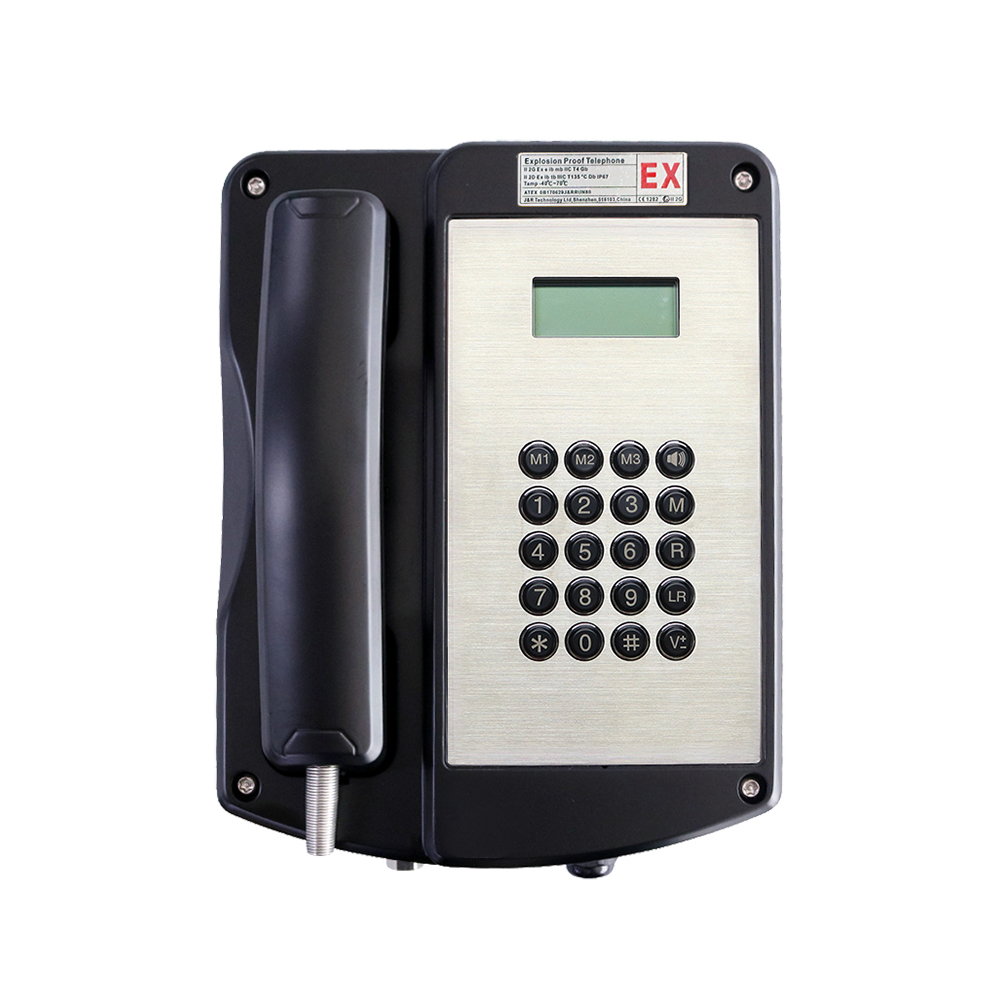
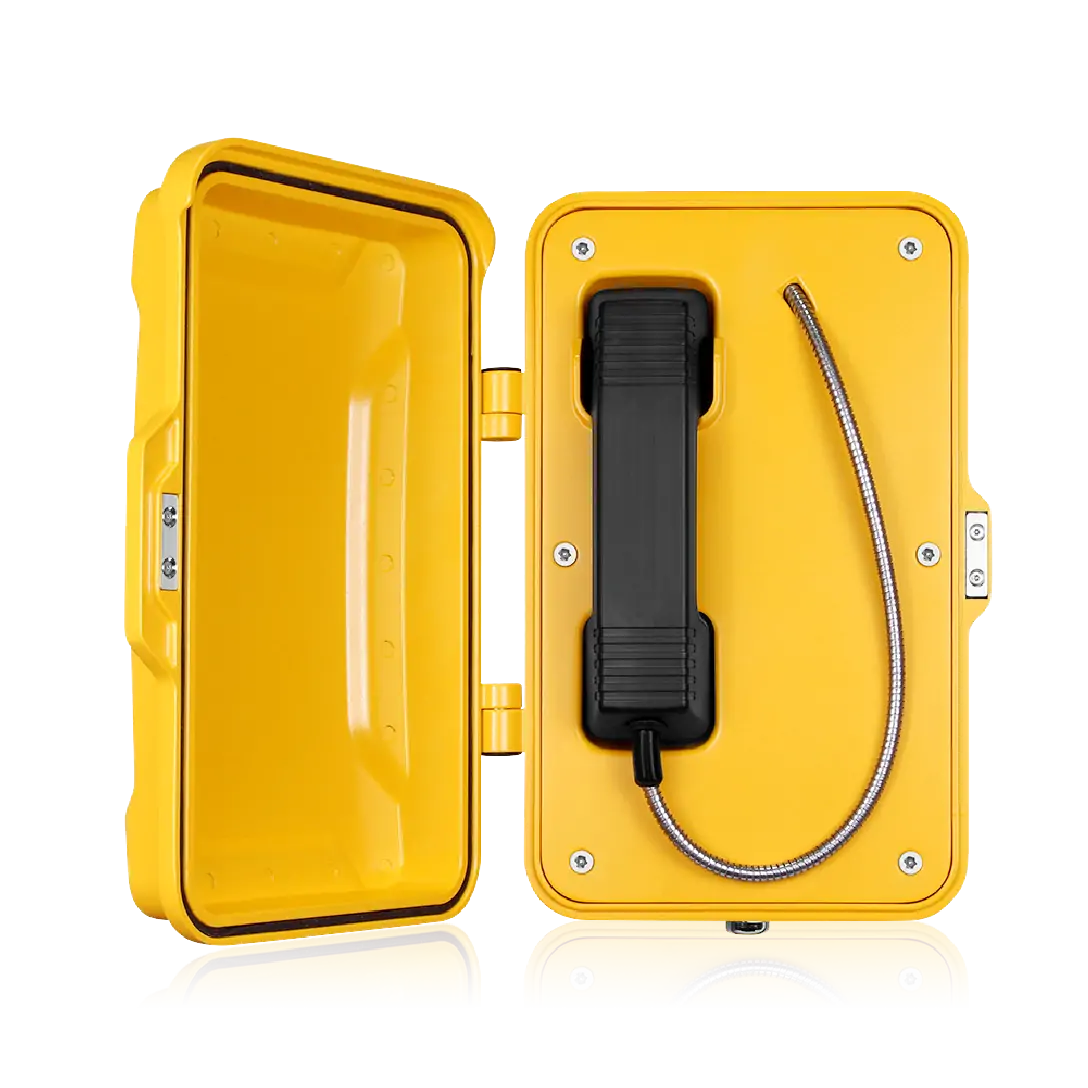
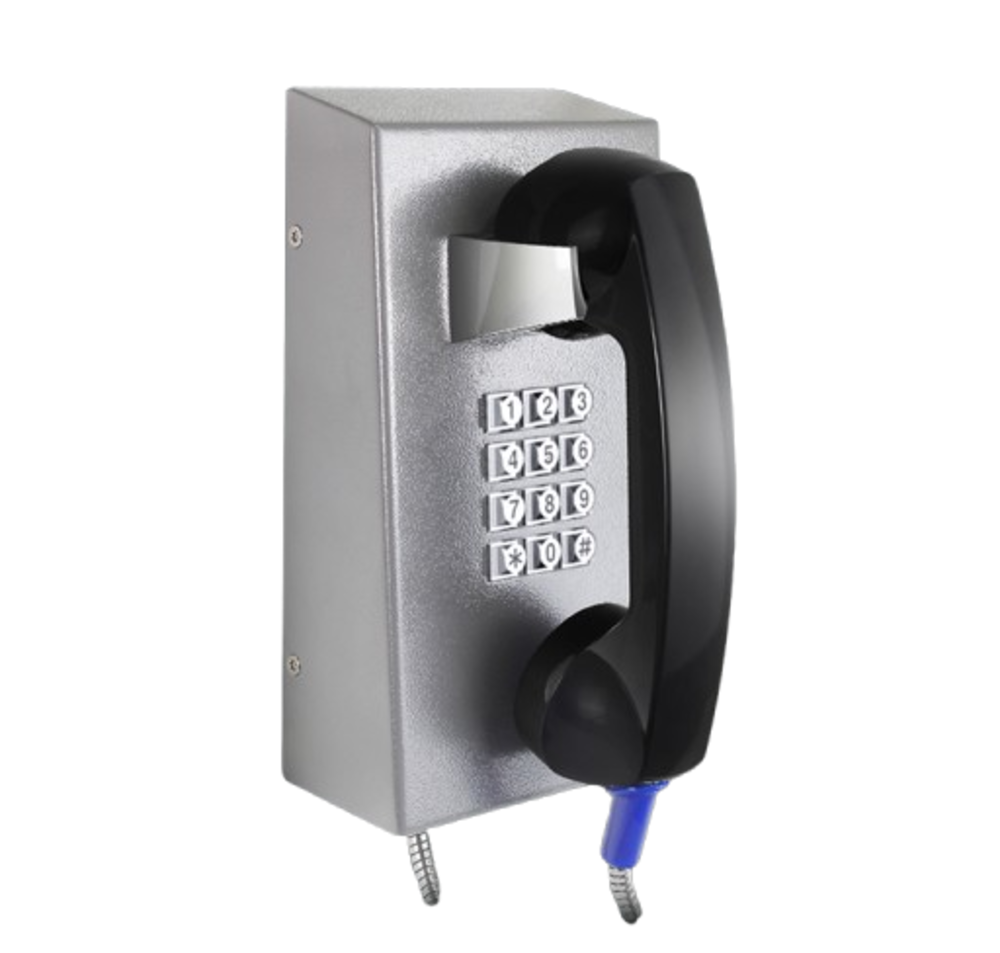
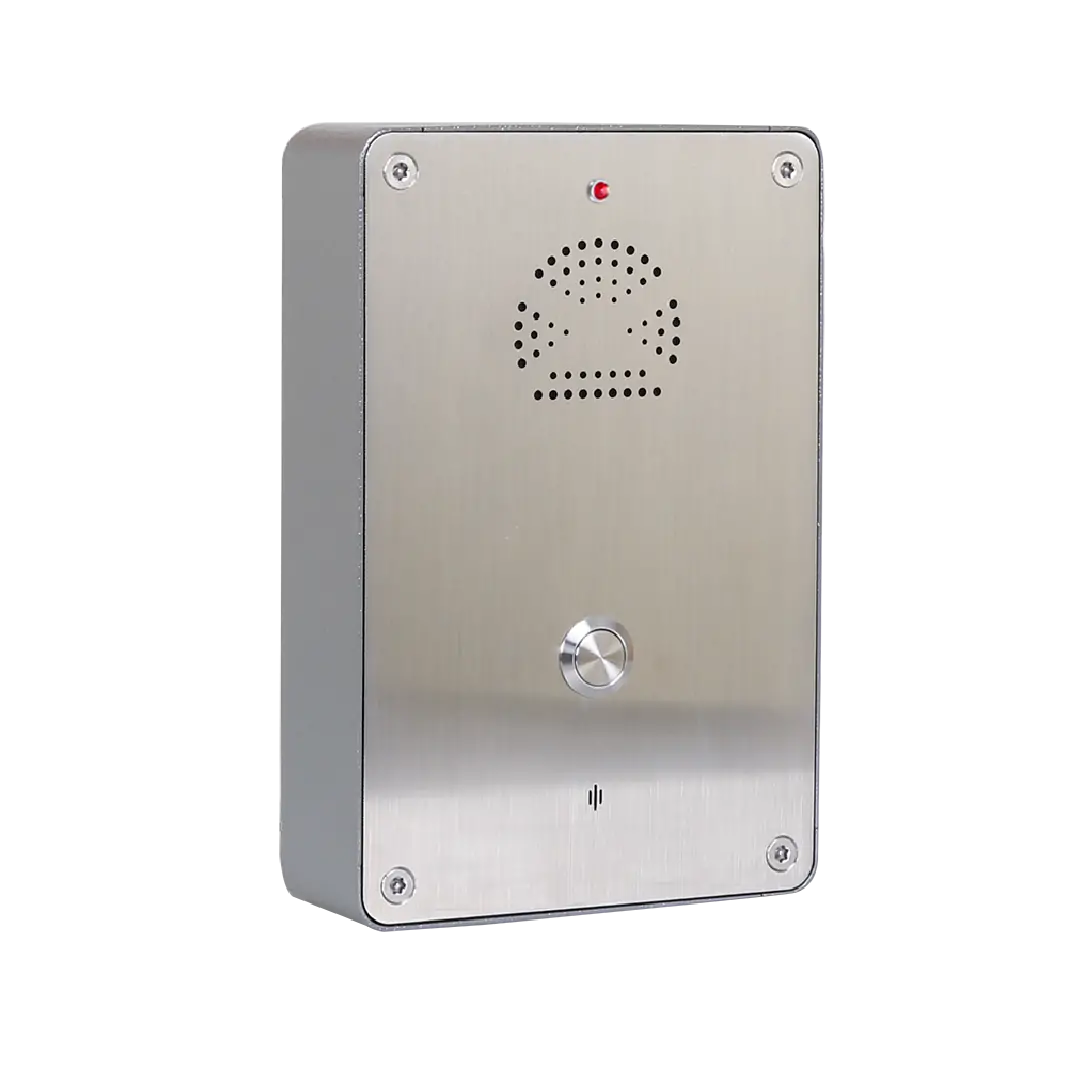
For example, rugged industrial telephones and intercoms from manufacturers like J&R Technology Ltd often feature IP66 or higher ratings to ensure reliable performance in mining, marine, and petrochemical applications.
These ratings ensure devices continue working even when exposed to water spray, mud, or airborne particles.
Selection Guidelines
Choosing the correct IP rating requires evaluating the real-world environment rather than simply selecting the highest number available.
Consider the following:
Environment
Is the device installed indoors, outdoors, or underground?
Water Exposure
Rain, washdowns, or immersion risks?
Dust Levels
Fine particles, sand, or heavy debris?
Maintenance Access
Will frequent opening affect sealing integrity?
Cost vs Protection
Higher ratings increase sealing complexity and cost
Over-specifying may add unnecessary expense, while under-specifying increases failure risk.
For systems such as emergency telephones or paging devices—especially those integrated with what is the public address system infrastructure—higher IP ratings are typically recommended to guarantee availability during emergencies.
Maintenance & Verification
Even the best IP-rated equipment can lose effectiveness if not maintained properly.
Seals, gaskets, and cable glands degrade over time, reducing protection.
Best practices include:
-
Regular visual inspections
-
Checking gasket integrity
-
Replacing worn seals
-
Ensuring proper cable entries
-
Avoiding unauthorized modifications
-
Periodic functional testing
Maintenance ensures that the original IP rating remains valid throughout the product lifecycle.
Without verification, environmental protection may weaken, increasing the likelihood of moisture ingress and system failure.
Conclusion
So, what are the IP ratings? They are standardized protection levels that define how well industrial equipment resists dust and water intrusion.
For communication devices, control enclosures, and field electronics, proper IP selection directly impacts reliability, safety, and maintenance costs. Choosing the right rating helps prevent downtime, extend equipment life, and maintain stable operations—even in the harshest environments.
When designing or upgrading industrial infrastructure, treating IP ratings as a core engineering requirement—not just a specification—ensures long-term performance and operational confidence.


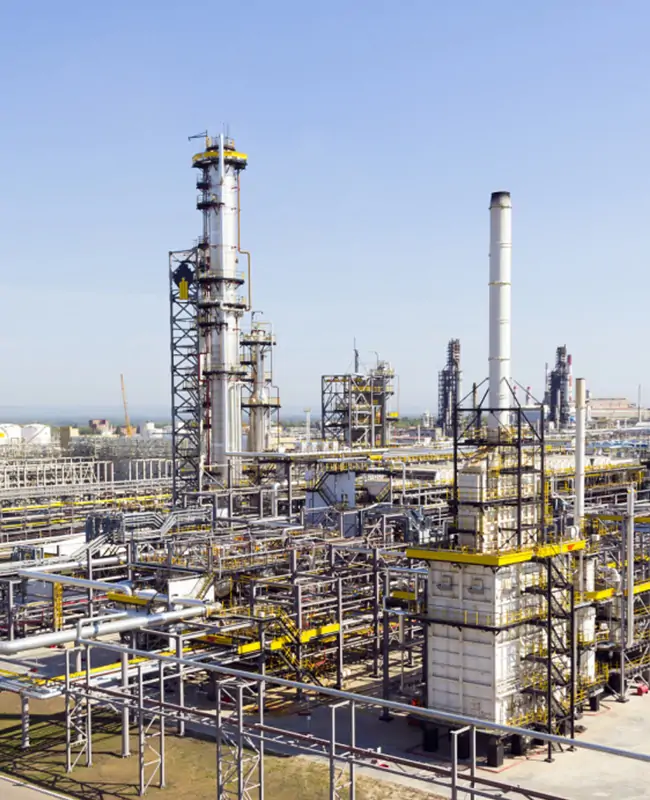 Petrochemical FacilitiesDetails
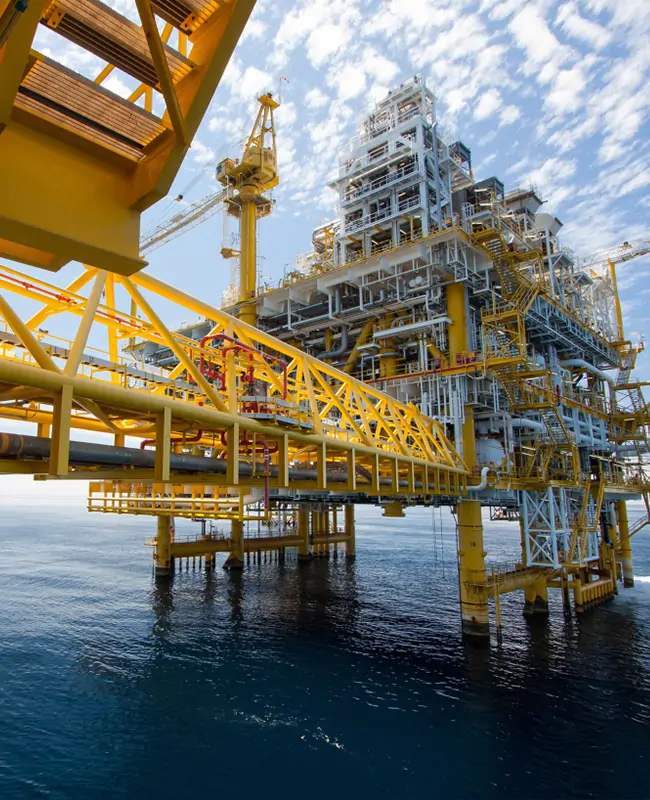 Offshore Oil Drilling PlatformsDetails
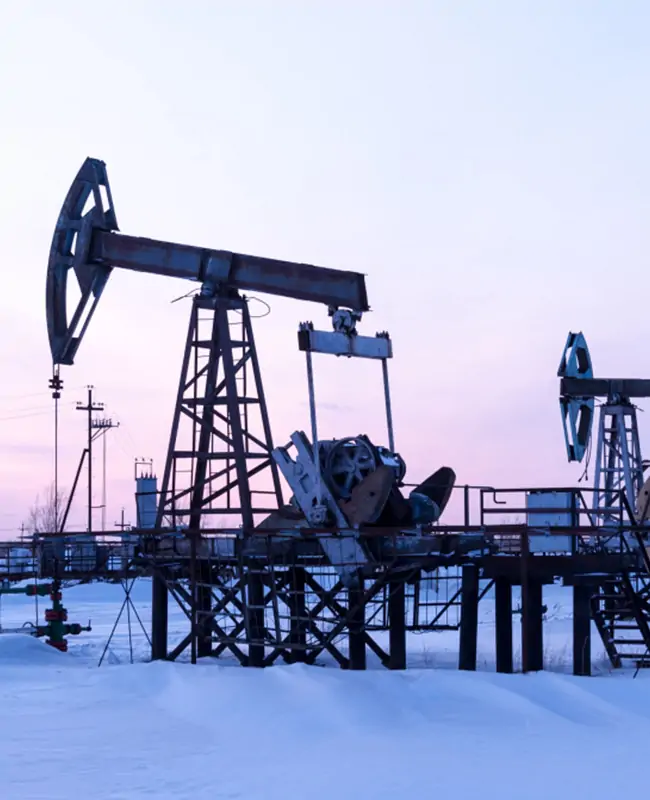 Onshore Oil PlatformsDetails
 Industrial & Manufacturing FacilitiesDetails
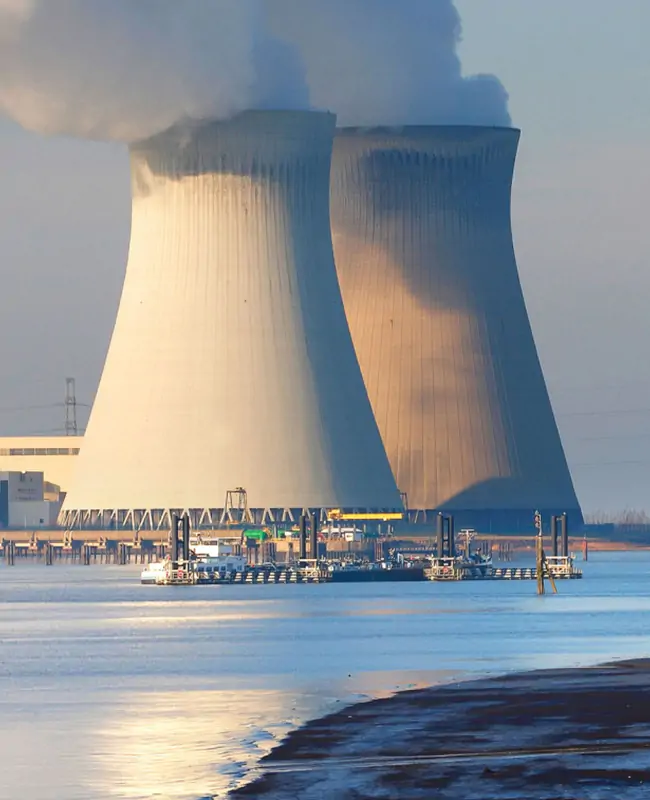 Nuclear Power PlantsDetails
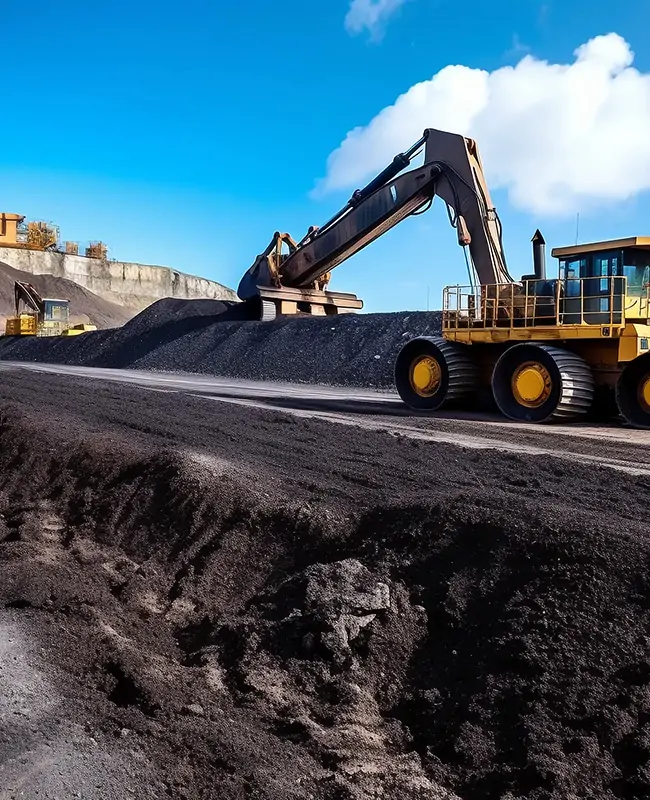 Mining Communication SystemsDetails
 Expressways & HighwaysDetails
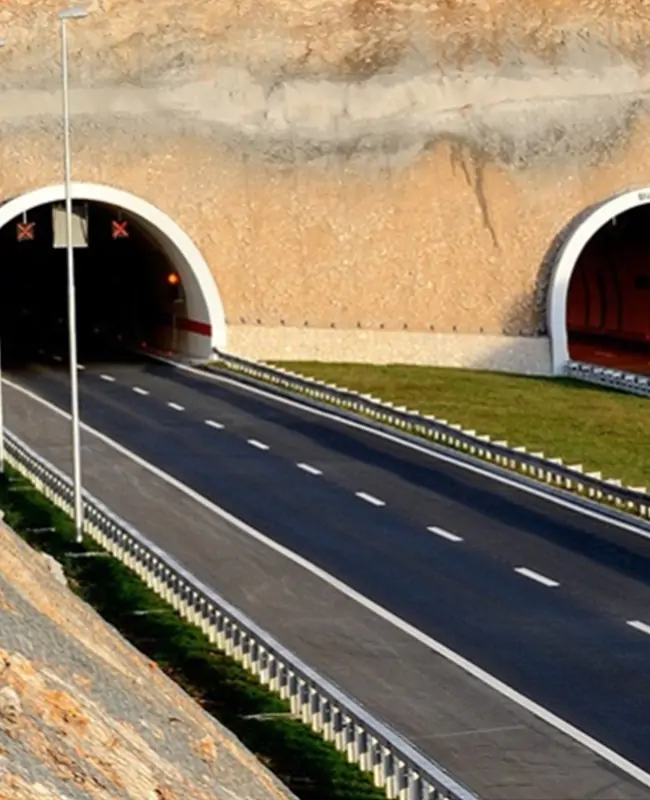 Utility TunnelsDetails
 Heavy Machinery Zones (Cranes)Details
 Pharmaceutical Plants & CleanroomsDetails
 Correctional FacilitiesDetails
 Healthcare & Campus FacilitiesDetails
 Smart CitiesDetails
 4G Communication SolutionsDetails
 Wind Power PlantsDetails