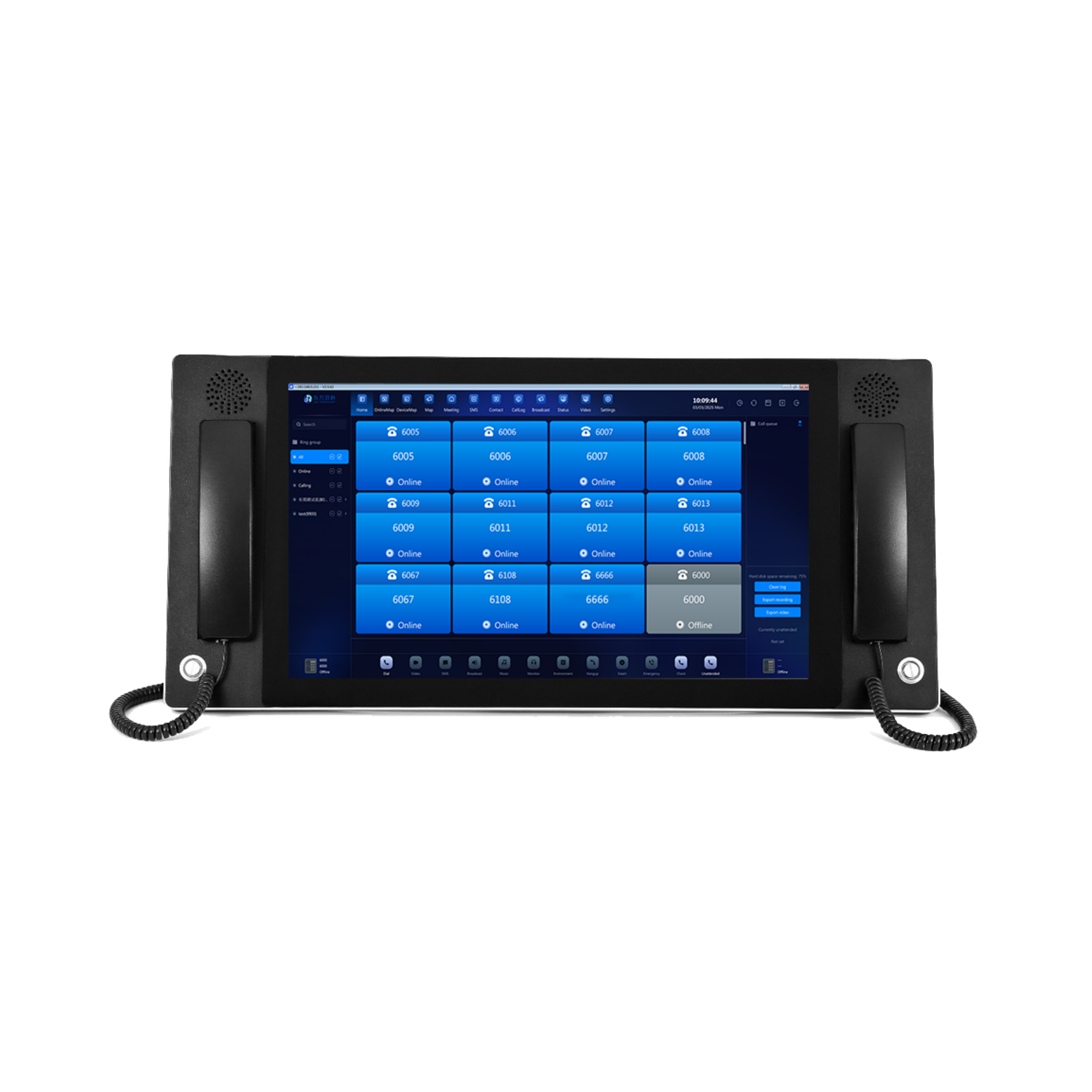
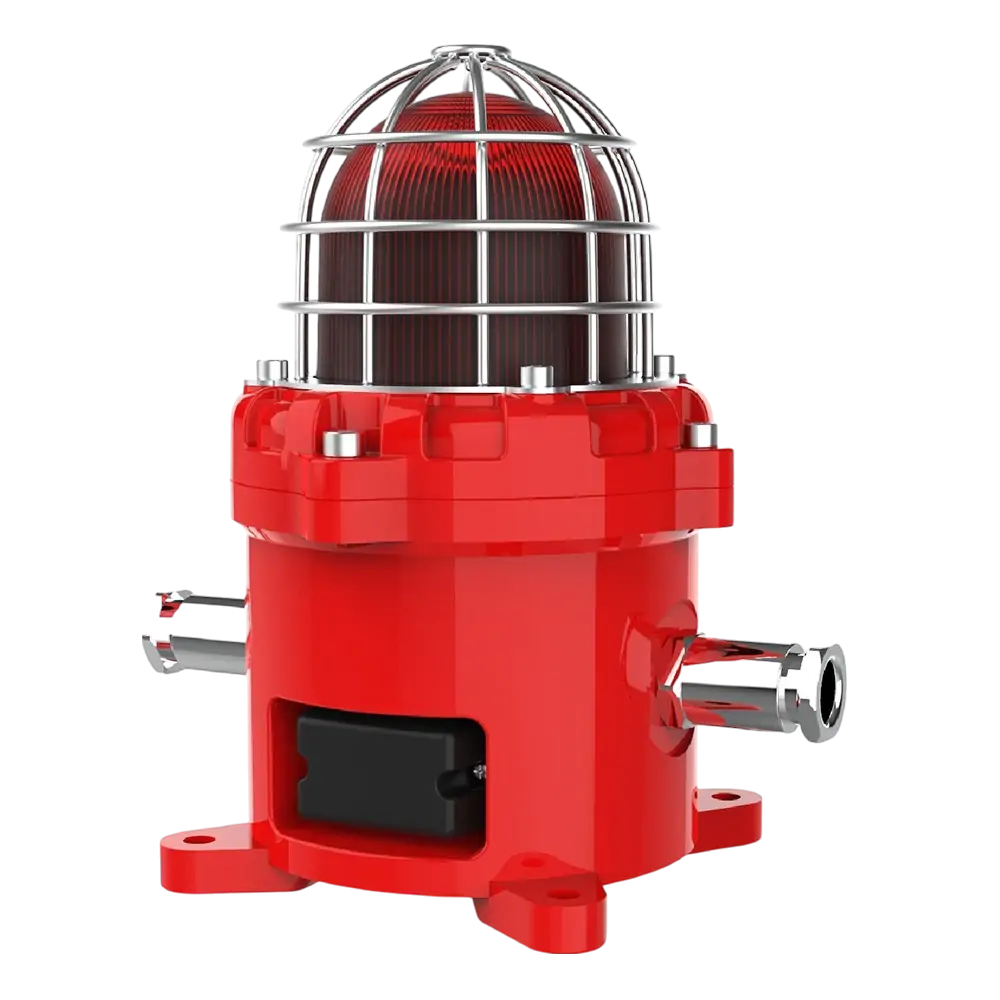
In modern industrial environments, communication systems must do more than simply transmit voice signals. They must adapt to complex layouts, harsh conditions, and constantly evolving operational demands. As industries expand into remote locations and prioritize flexible infrastructure, the 4G intercom system has emerged as a practical alternative to traditional wired communication solutions.
By leveraging cellular networks, 4G intercoms enable real-time voice communication without the constraints of physical cabling. This article explores whether a 4G intercom system can truly enhance industrial communication flexibility, and how it compares with conventional wired intercom systems in demanding industrial scenarios.
4G vs Wired Intercom: A Structural Comparison
Traditional wired intercom systems have long been used in factories, tunnels, and processing plants. While reliable in stable environments, they rely heavily on fixed infrastructure such as copper or fiber cabling, control rooms, and dedicated power routing.
A 4G intercom system, by contrast, communicates via cellular networks. This fundamental difference leads to several structural advantages:
-
No complex cabling requirements, reducing installation time and cost
-
Rapid deployment across large or geographically dispersed sites
-
Scalability, allowing additional units to be added without network redesign
-
Reduced downtime, as communication is not dependent on a single physical line
In dynamic industrial environments—such as temporary construction sites, open-pit mines, or expanding oil and gas facilities—the flexibility of 4G-based communication can be a decisive factor.
Enhancing Flexibility in Dynamic Industrial Environments
Industrial operations rarely remain static. Equipment is relocated, production lines are reconfigured, and new safety points are added over time. Wired intercom systems often struggle to keep pace with such changes.
A 4G intercom system enhances flexibility by enabling:
-
Wireless relocation of communication terminals
-
Remote configuration and monitoring through centralized platforms
-
Immediate connectivity in areas where trenching or cabling is impractical
This level of adaptability is particularly valuable in hazardous or temporary zones, where communication points may need to be repositioned frequently without interrupting operations.
Voice Quality and Latency in 4G Intercom Systems
A common concern when transitioning from wired to wireless communication is performance reliability. Modern 4G intercom systems address this through:
-
High-bandwidth data transmission, supporting clear, full-duplex voice
-
Low-latency communication, suitable for emergency and command scenarios
-
Advanced noise cancellation, designed for high-noise industrial settings
Compared to legacy analog systems, 4G intercoms deliver stable and intelligible voice communication even across long distances, provided adequate cellular coverage is available.
Integration with Industrial Safety and Communication Systems
Another key advantage of a 4G intercom system lies in its ability to integrate with broader industrial communication and safety infrastructures. These systems can often be connected with:
-
IP-based control platforms
-
SCADA or monitoring systems
-
Alarm and public address (PA) solutions
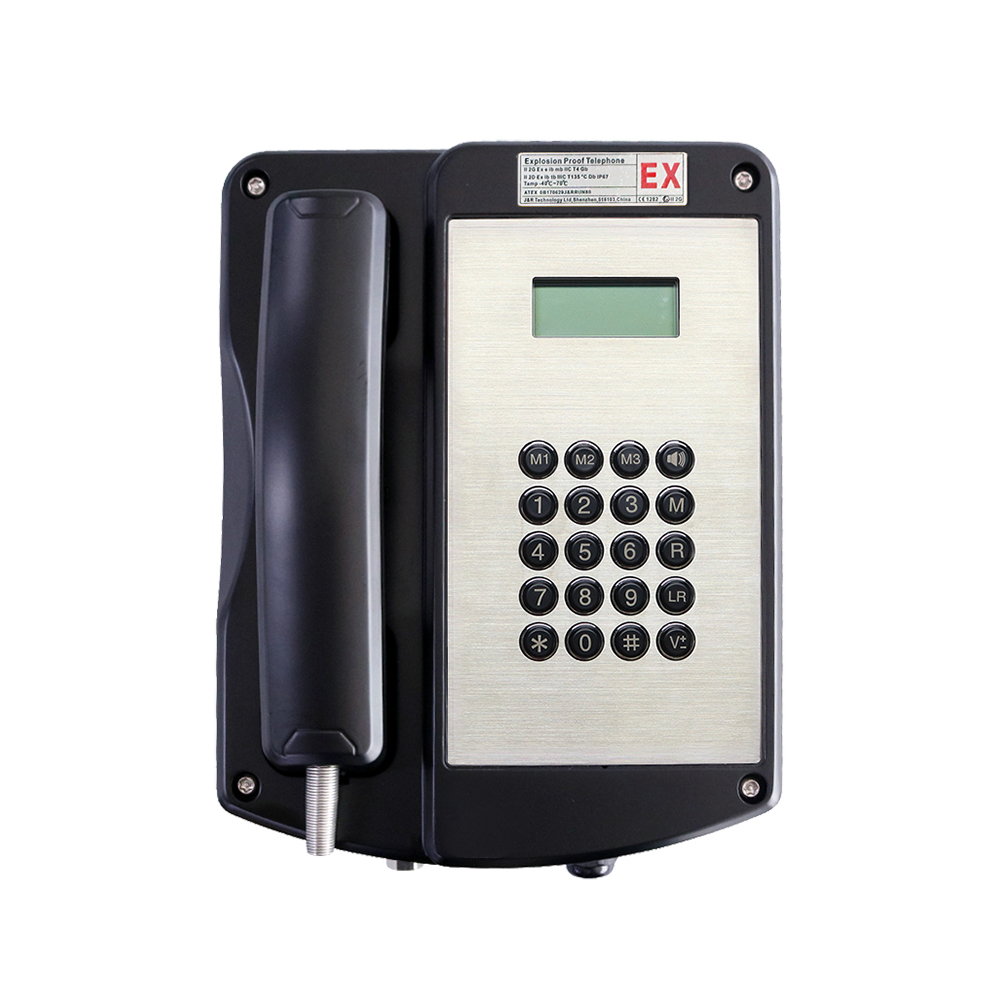
For hazardous environments, especially those requiring certified equipment, 4G intercoms can be combined with explosion proof tech to ensure compliance with strict safety standards while maintaining communication flexibility.
Use Cases Across High-Risk Industrial Sectors
The adoption of 4G intercom systems is accelerating across several industries:
Oil & Gas Facilities
Remote drilling sites and offshore platforms benefit from rapid deployment and wireless communication. When combined with robust oil gas connectivity, 4G intercoms support real-time coordination and emergency response.
Tunnels and Infrastructure Projects
Temporary construction zones often lack permanent cabling. A 4G intercom system allows instant setup and relocation as tunnel progress advances.
Mining and Heavy Industry
Open-pit mines and large processing plants require communication across wide areas. Wireless intercoms reduce dependency on vulnerable physical lines.
Smart Industrial Sites
Facilities adopting digital transformation strategies increasingly favor IP and cellular-based communication solutions for future scalability.
Reliability and Network Considerations
While 4G intercom systems offer significant flexibility, network planning remains essential. Industrial users must consider:
-
Cellular signal coverage on-site
-
Redundancy options such as dual-SIM support
-
Power backup for critical communication points
With proper design, a 4G intercom system can achieve reliability levels comparable to wired solutions, while delivering far greater deployment agility.
Is a 4G Intercom System the Right Choice?
A 4G intercom system is not a universal replacement for all wired communication systems. However, for industries facing frequent layout changes, remote locations, or high installation costs, it offers a compelling alternative.
By reducing infrastructure constraints, enabling remote management, and supporting high-quality voice communication, 4G intercom systems significantly enhance operational flexibility in modern industrial environments.
As industrial communication continues to evolve, cellular-based intercom solutions are increasingly positioned as a future-ready option for safety-critical and mission-critical applications.
Looking to deploy a flexible industrial communication solution?
Explore how advanced 4G intercom systems can be tailored to your operational requirements and integrated with existing industrial communication infrastructure.


 Petrochemical FacilitiesDetails
 Offshore Oil Drilling PlatformsDetails
 Onshore Oil PlatformsDetails
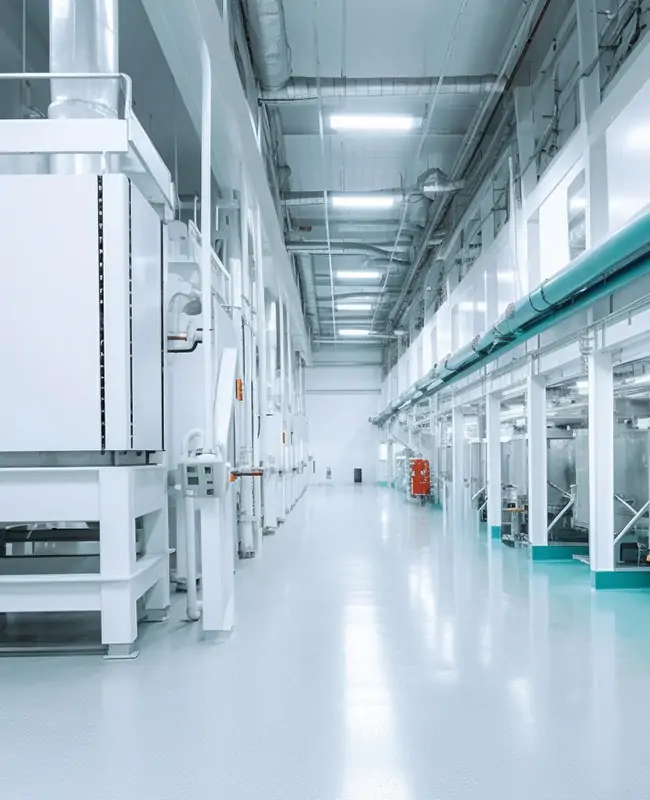 Industrial & Manufacturing FacilitiesDetails
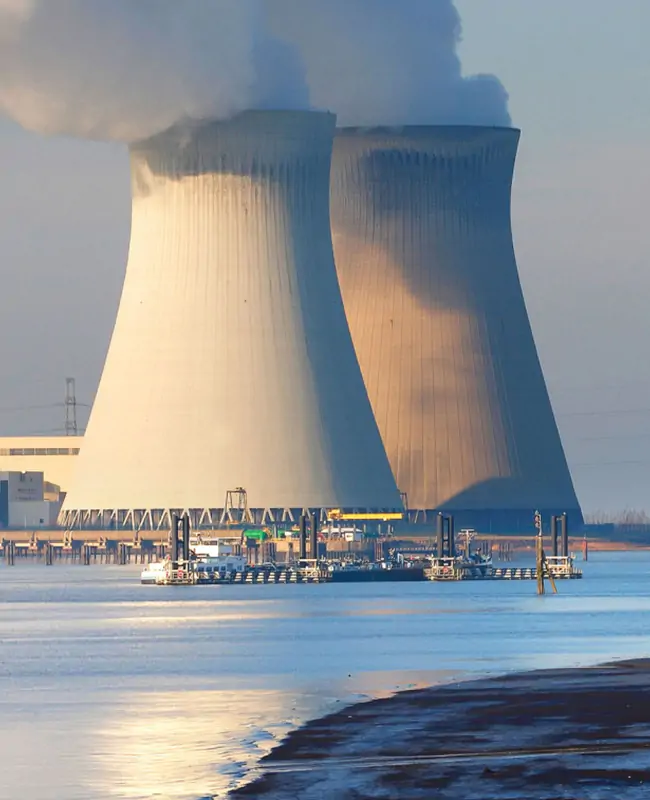 Nuclear Power PlantsDetails
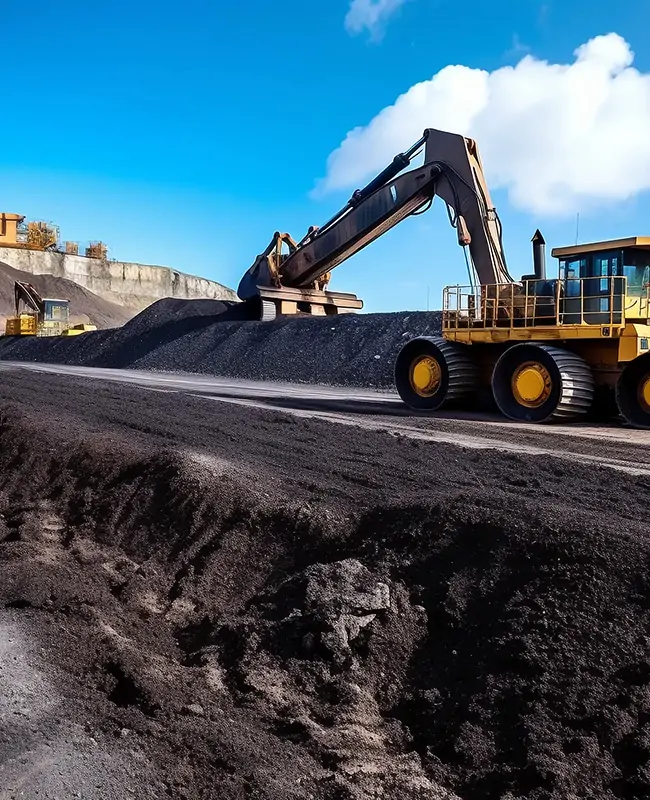 Mining Communication SystemsDetails
 Expressways & HighwaysDetails
 Utility TunnelsDetails
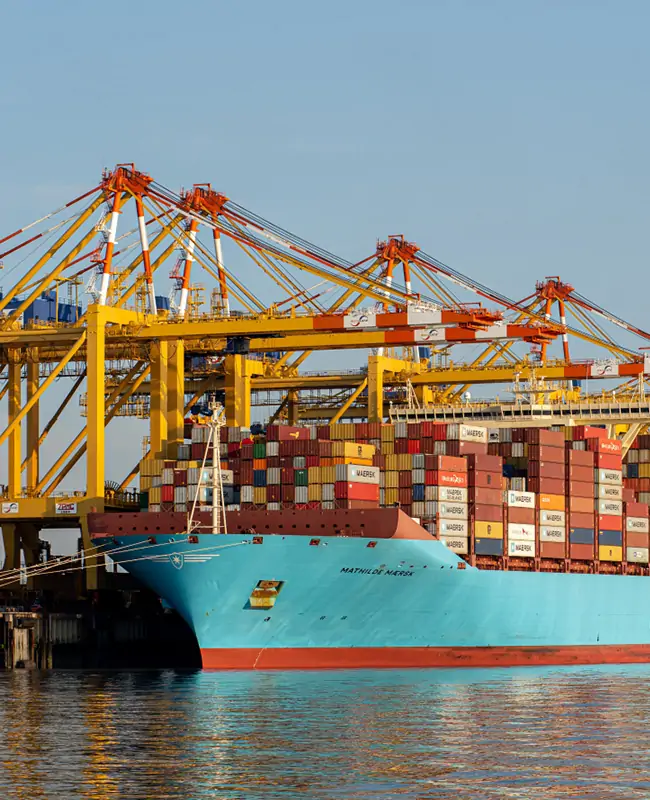 Heavy Machinery Zones (Cranes)Details
 Pharmaceutical Plants & CleanroomsDetails
 Correctional FacilitiesDetails
 Healthcare & Campus FacilitiesDetails
 Smart CitiesDetails
 4G Communication SolutionsDetails
 Wind Power PlantsDetails